

Clean-Eating Revolution Comes to Beloved Mexican Grill and Margarita Bar
Iron Cactus restaurant is one of the first seed-oil-free Mexican restaurants and it’s a delicious must-try when you visit Austin or San Antonio.
Iron Cactus is rewriting what “eating clean” looks like in Texas. With a full transition to avocado oil across all locations, the beloved 30-year-old Tex-Mex staple has become one of the first major Mexican restaurants in the state to go 100% seed-oil-free. The move isn’t a marketing gimmick or short-lived wellness stunt; it’s a hospitality evolution that centers on guest wellness, flavor integrity, and intentional indulgence.
For years, Gary Manley had heard bits and pieces about seed oils, why they were used, what they did to food, and why health-conscious diners were starting to avoid them altogether. He wasn’t dismissive, but he wasn’t ready to restructure his entire kitchen, either. Iron Cactus had been running for nearly 30 years. The recipes were proven. The customers were loyal. The food, as far as most were concerned, was already great.
But when his son Braxton and daughter-in-law Maddie began nudging him to look deeper—to think not just about ingredients but about integrity—it stuck. Then it became a challenge.

“How do we take this thing we’ve built over decades,” Manley recalls, “and make it better without blowing it up?”
What followed wasn’t a menu refresh or a seasonal health special. Iron Cactus went all in. Every dish, across both their Austin and San Antonio locations, is now cooked entirely with avocado oil. Not just the sauté pans or the fryers. Every sauce, every dressing, every marinade, reworked to be 100% seed-oil-free.

“We had to audit every item on the menu,” Manley says. “We looked at tortillas, chips, condiments, even things like pre-marinated proteins and toppings. It’s shocking how many ingredients sneak into canola or soybean oil. The deeper we looked, the more we realized how much had to change.”
Most restaurants wouldn’t bother. The shift is expensive. Avocado oil costs significantly more than industrial seed oils, and suppliers who carry clean-label alternatives are still few and far between. But the payoff has been immediate, not just in health metrics, but in flavor.
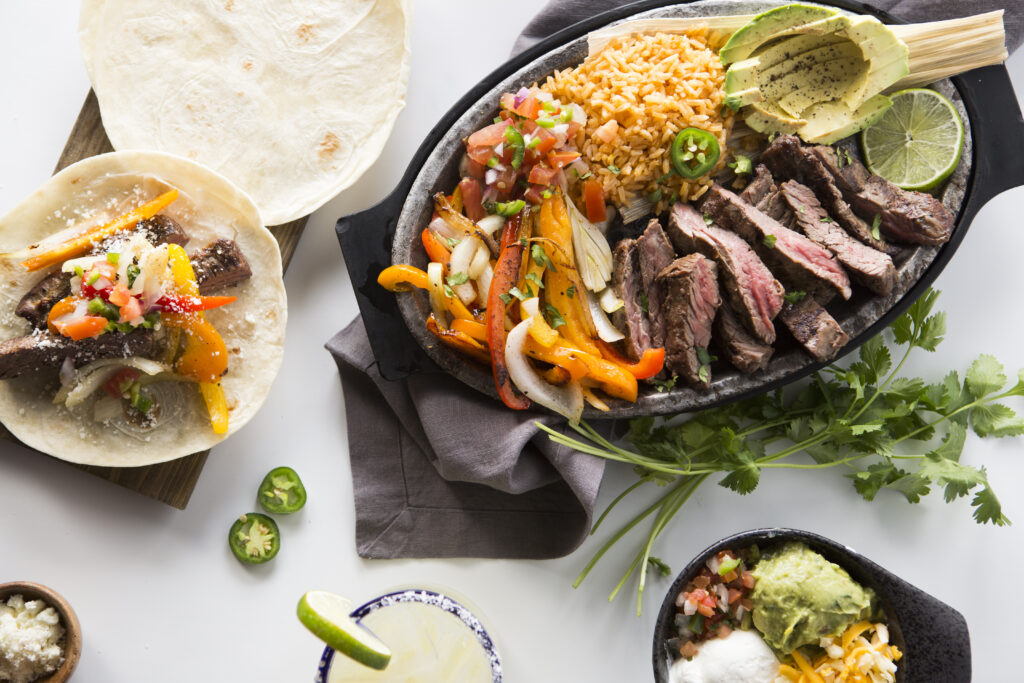
“I know people associate health food with compromise,” Manley says. “But our food actually tastes better now. You try our fish tacos, and there’s this clean, crisp finish that wasn’t there before. It’s not just about what’s missing. It’s what the ingredients are finally allowed to do when they’re not masked by heavy oils.”
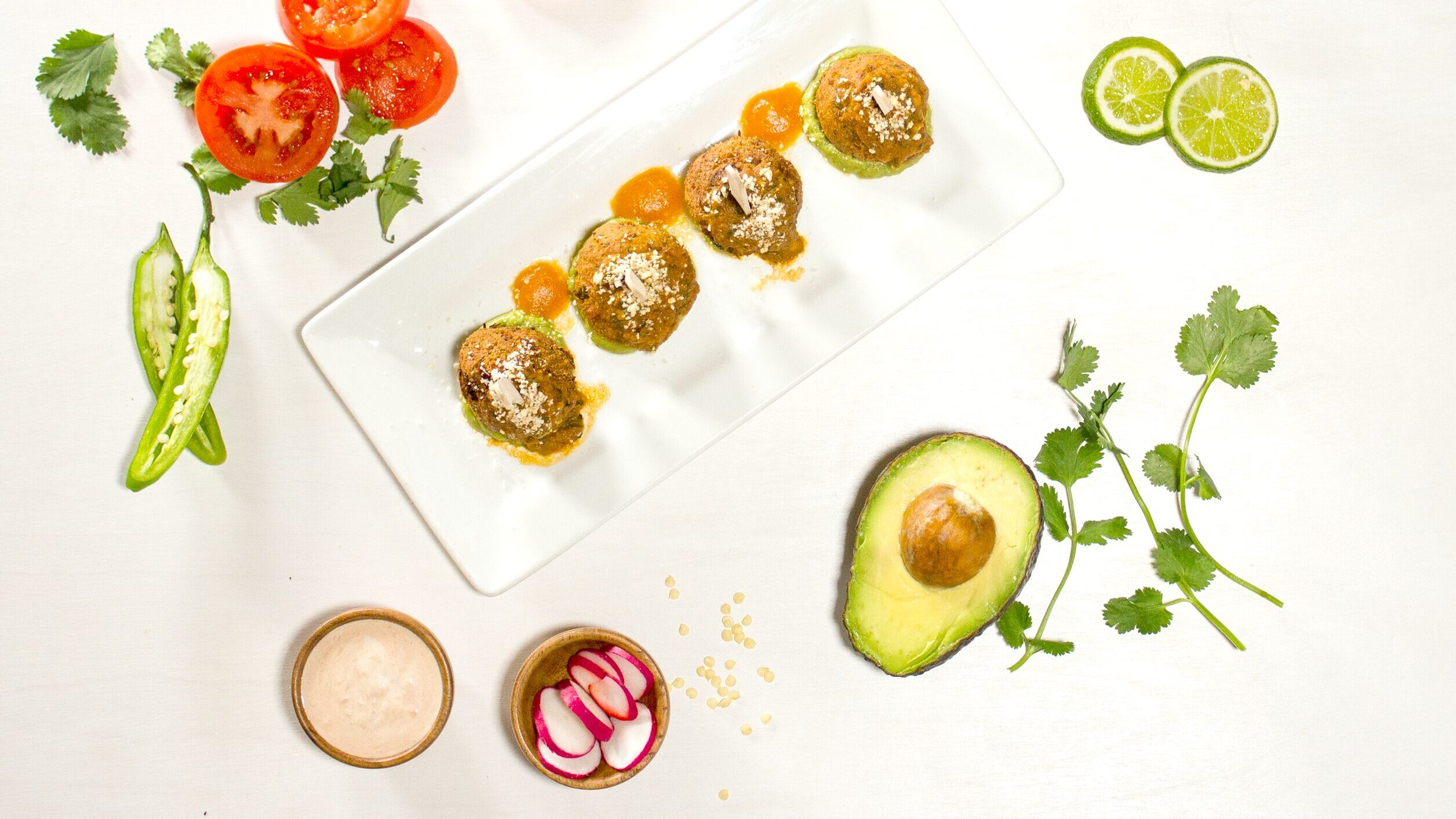
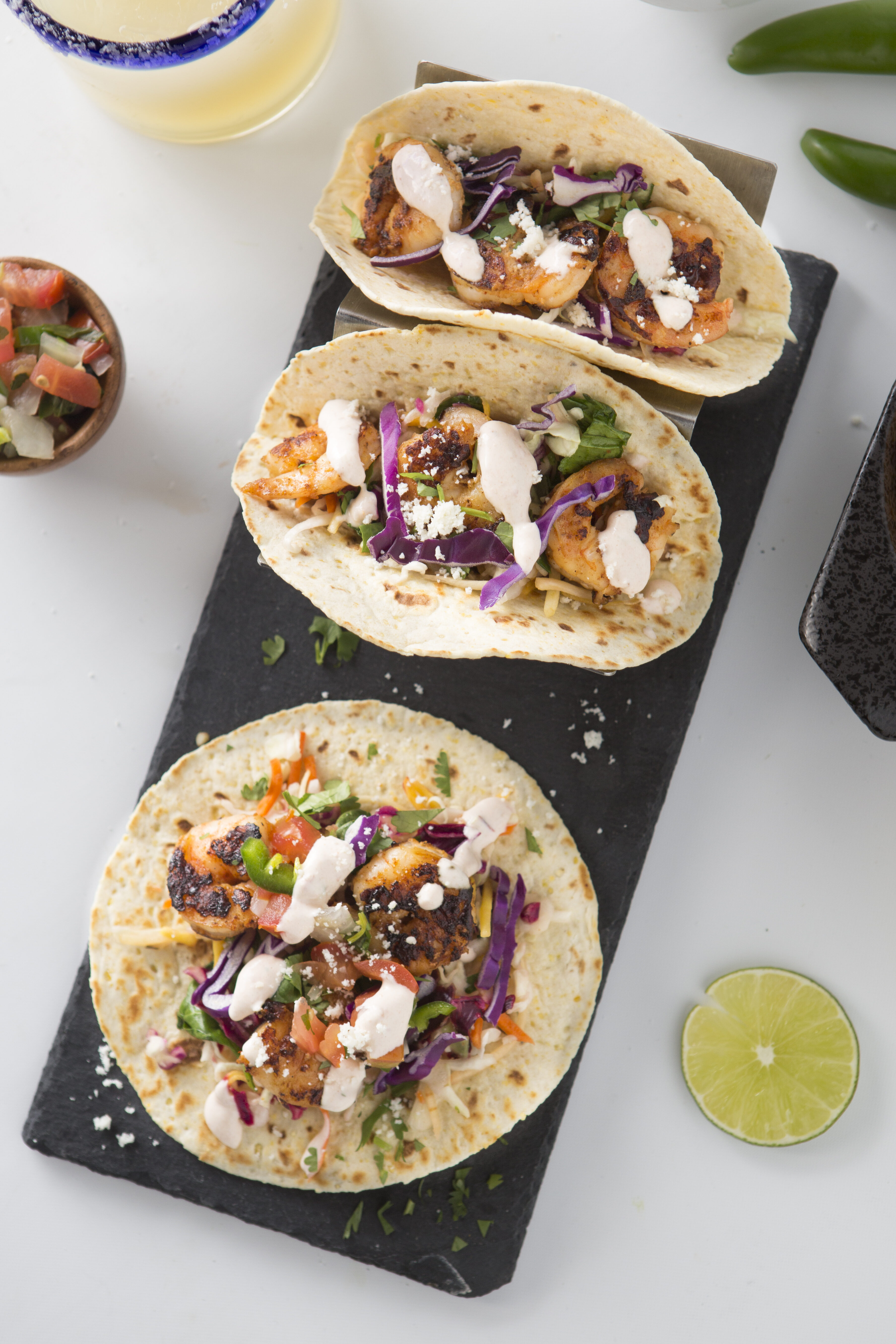
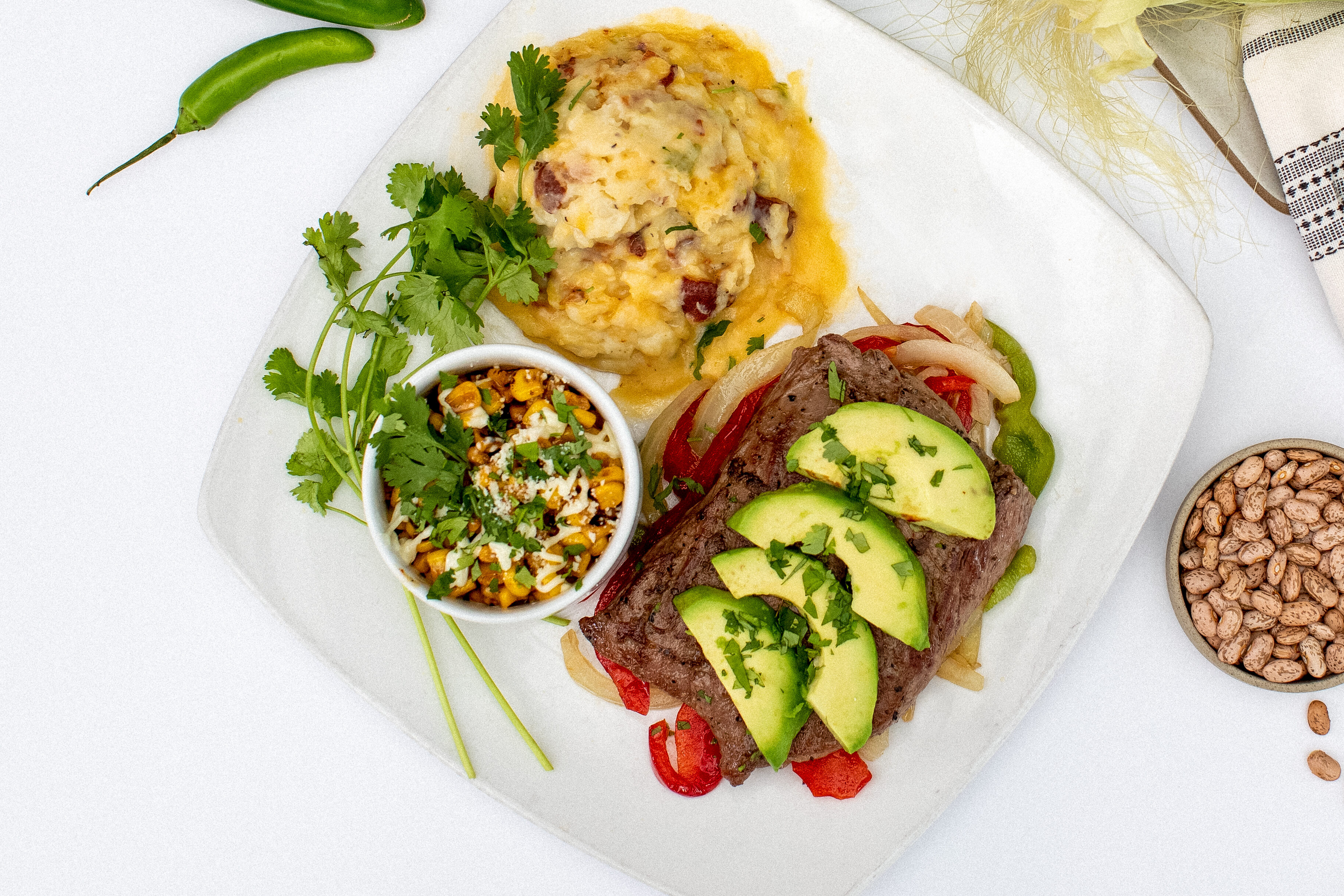
Guests have noticed. There’s less heaviness. The dishes hit just as hard, but they don’t hang around in your body the way they used to. “We’re still serving queso. We’re still doing enchiladas. We didn’t change the spirit of our food, we just stripped out the filler,” Manley says.

In a state known for comfort food and indulgence, Iron Cactus’s shift stands out. But it also fits. Austin has long been a leader in wellness culture, and its dining scene is catching up. The city’s population is skewing younger, more health-conscious, and more likely to care about what oils are in their meals, especially when eating out. What used to be a niche conversation has become a serious value proposition.
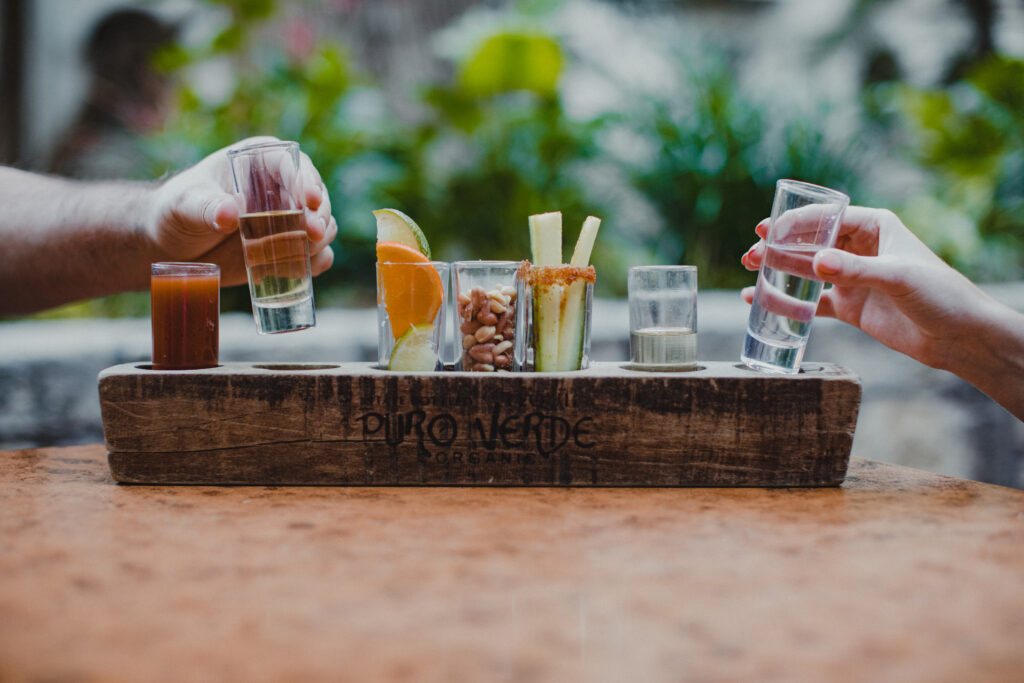
“There’s a whole generation now that doesn’t just want good food, they want to feel good after eating it,” Manley says. “They care about how ingredients are sourced. They’re reading the fine print.”
He points to his oldest son, Braxton, as the perfect example. “He won’t eat at restaurants unless they’re seed-oil-free,” Manley laughs. “That’s the world we’re in now.”
Still, this isn’t a play for clout. Iron Cactus didn’t slap a health halo on its menus or rebrand as clean cuisine. They stayed who they are, bold, Mexican, and unapologetically flavorful. The difference is in the execution, not the aesthetic.
On the Riverwalk in San Antonio, Iron Cactus may be the only seed-oil-free restaurant among nearly 50. In Austin, they’re one of just a few. The move puts them ahead of a curve that’s only beginning to take shape in the mainstream restaurant world.

That story is spreading. The restaurant has since been officially certified by Seed Oil Scout, the leading directory of seed-oil-free restaurants. Influencers are sharing it. Wellness communities are tagging friends. And given that the Austin location shares a wall with Joe Rogan’s Comedy Mothership, whose founder frequently reposts Seed Oil Scout, there’s a sense that the restaurant is perfectly placed to tap into a cultural moment.
The timing is no accident. With Austin’s downtown tourism still recovering from the convention center closure, the Iron Cactus team is looking for ways to stand out, to give both locals and visitors a reason to choose them over the usual downtown options.
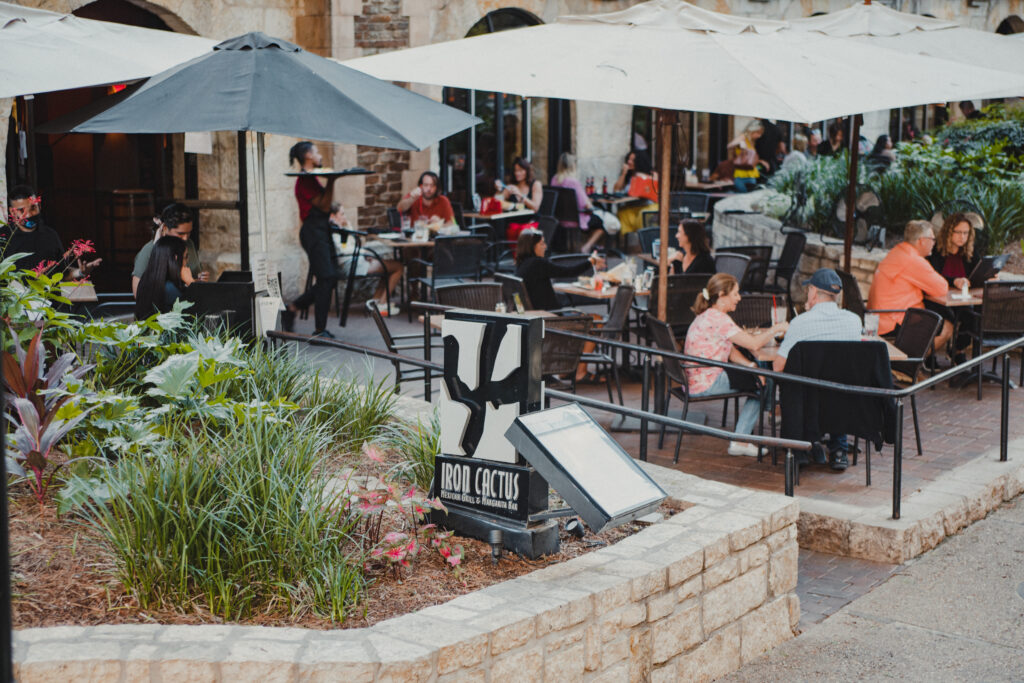
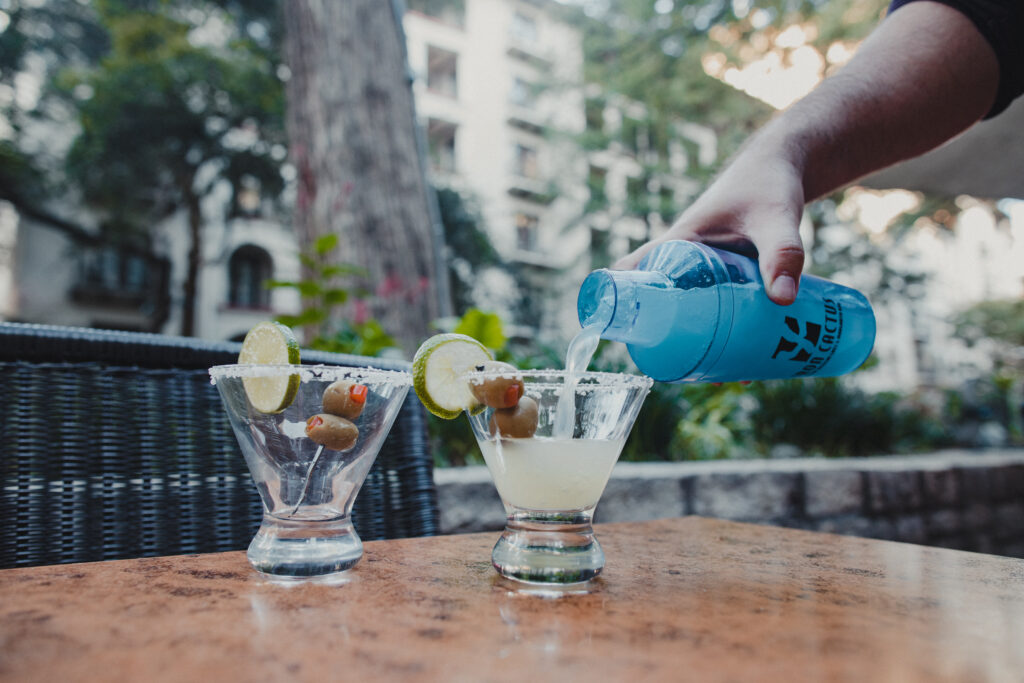
“People don’t want to feel like they’re choosing between healthy and fun,” Manley says. “We’re proof that you don’t have to. You can have a good drink, killer tacos, a great night, and still walk out knowing what you ate respected your body.”
For a concept nearing its 30th year, it’s a rare thing to feel ahead of the trend. But Iron Cactus is proving that heritage doesn’t have to mean stagnation. With avocado oil in the fryers and mocktails flying out just as fast as margaritas, the restaurant isn’t chasing relevance; it’s reclaiming it.

“We’re not trying to be someone else,” Manley says. “We’re just doing what we’ve always done, feed people well. We’ve just decided to mean that in every sense of the word now.”
In a city that’s constantly evolving, and in an industry known for playing it safe, this move says something louder than any sign out front ever could.
It says: We heard you. We adapted. And we’re not afraid to change, even after 30 years.
Because for Gary Manley and his team, this isn’t just about oils. It’s about ownership of what goes into the food, of how guests feel after they eat it, and of what it means to run a legacy restaurant that’s still hungry for progress. Seed-oil-free might not be the norm in Texas yet. But thanks to Iron Cactus, it no longer sounds impossible.
Browse the menus here. Follow on Instagram here.
Why not make a trip of it? Find welcoming accommodation in Austin here, and San Antonio here.