
The Real Filming Locations of Christopher Nolan’s The Odyssey
Christopher Nolan’s The Odyssey may be about an ancient Greek king desperately trying to get home, but making the movie was a travel odyssey of its own, and you can follow its ‘itinerary’.
Rather than building an entirely digital Mediterranean world, director Nolan and his production team went looking for places that already looked mythological — windswept beaches, volcanic islands, ancient fortresses, caves, forests and cliffs.
The result is a movie filmed across Greece, Italy, Morocco, Scotland and Iceland, with locations standing in for everything from Troy to Ithaca, the Cyclops’ cave to the Underworld. The production lasted 91 days and Nolan shot the film entirely with IMAX cameras, making these landscapes an especially spectacular reason to see them on a real-world trip.
And here is the fun part: you can visit many of them.

Greece: Where the Cyclops Gets Seriously Uncomfortable
If you want the most obvious starting point for an Odyssey pilgrimage, head to the southwestern Peloponnese, particularly the Messenia region.
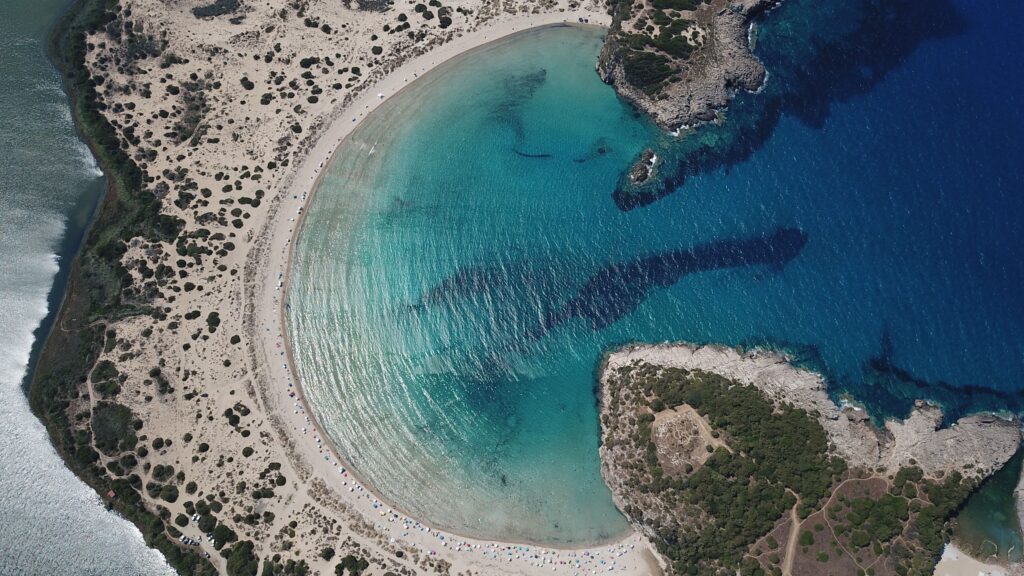
This is where Nolan filmed some of the movie’s most frightening sequences, including the encounter with Polyphemus. The production used Nestor’s Cave, above spectacular Voidokilia Beach, for the Cyclops material. Nolan was reportedly determined to make this encounter feel physically real rather than like a fantasy set — and the cavern’s rugged, enclosed atmosphere does much of the work.
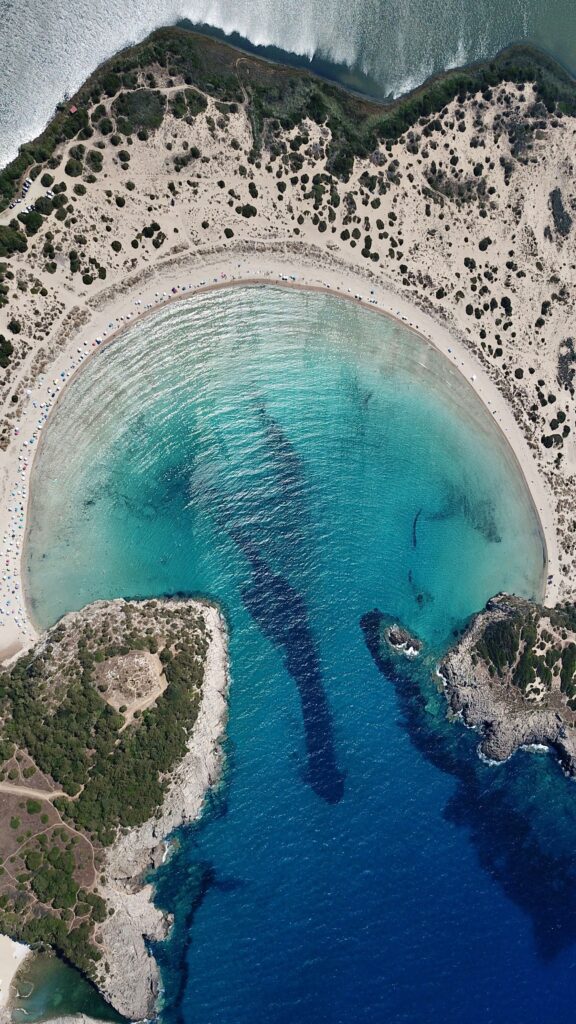
Voidokilia itself is almost absurdly photogenic: a sweeping, near-perfect crescent of sand backed by hills and the distinctive cave-bearing landscape. Even without Hollywood monsters, it is the kind of place that makes you understand why ancient Greeks populated their seas with gods and creatures.
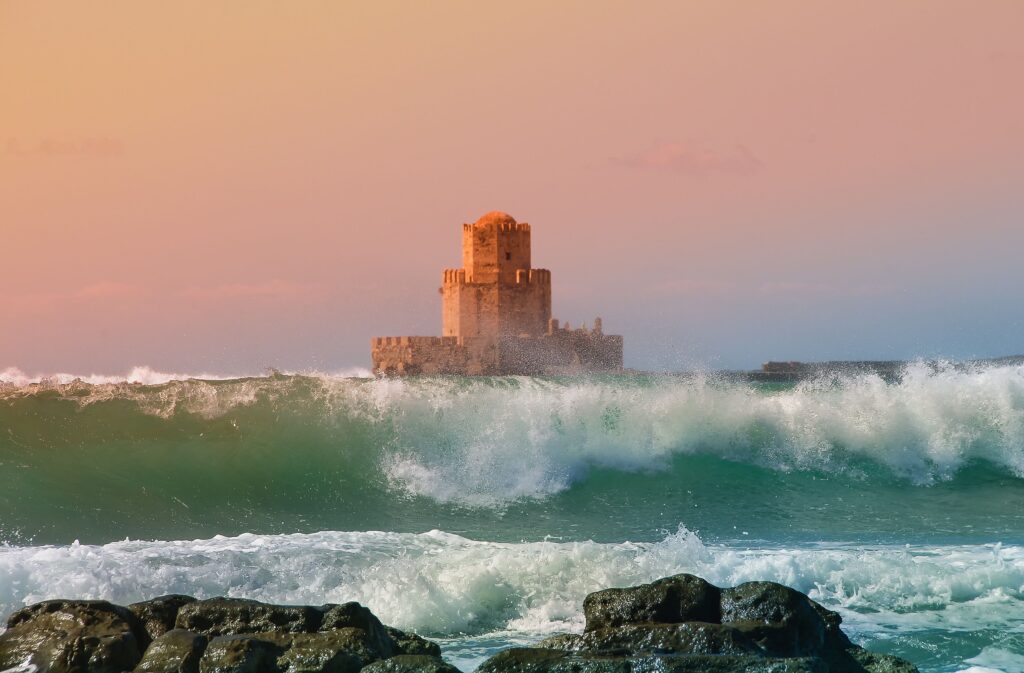
Nearby Almyrolaka Beach at Yialova also featured in the production, while Methoni Castle provided another dramatic medieval backdrop. The castle’s position on a rocky promontory surrounded by the sea makes it particularly easy to understand Nolan’s attraction to the place, even though its surviving architecture dates from centuries after Homer’s world. Acrocorinth, the enormous ancient fortress site above Corinth, was another Greek filming location.
Travel tip
Messenia is best explored with a car. Kalamata is the obvious gateway, with Pylos, Methoni and Voidokilia forming a manageable road-trip circuit. Spring and early autumn are especially appealing: temperatures are more comfortable for hiking and sightseeing than the height of summer. Greece’s summer wildfire season can extend from April through October, so check local conditions before traveling.
LGBTQ+ travelers
Greece is one of the more comfortable destinations on this itinerary. Same-sex sexual activity is legal, same-sex civil unions have been legal since 2015, and anti-discrimination protections cover gender identity. Attitudes can be more conservative in rural areas, however, so don’t assume that a remote Peloponnese village will feel exactly like Athens or Mykonos.
Favignana, Sicily: Welcome to Nolan’s Ithaca
Homer’s Ithaca is, of course, a real Greek island. Nolan didn’t film Ithaca there. Instead, Favignana, one of Sicily’s Aegadian Islands, became Ithaca, including the spectacular setting for the royal home of Odysseus, Penelope, and Telemachus.
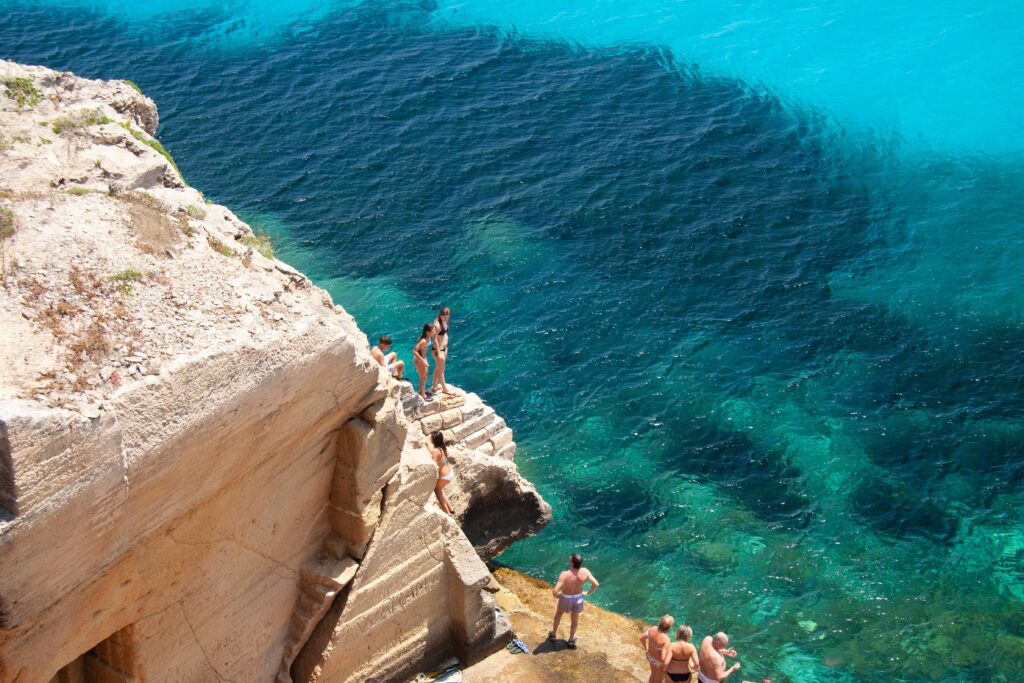
The production’s designers were particularly taken with Castello di Santa Caterina, the ruined fortress dramatically perched high above the island. Anne Hathaway’s Penelope and Tom Holland’s Telemachus appear around the castle setting, which gives Ithaca a wonderfully isolated, fortress-at-the-edge-of-the-world quality. From the top, the sea seems to stretch in virtually every direction — exactly the sort of view that makes a movie palace feel worthy of a legendary king.
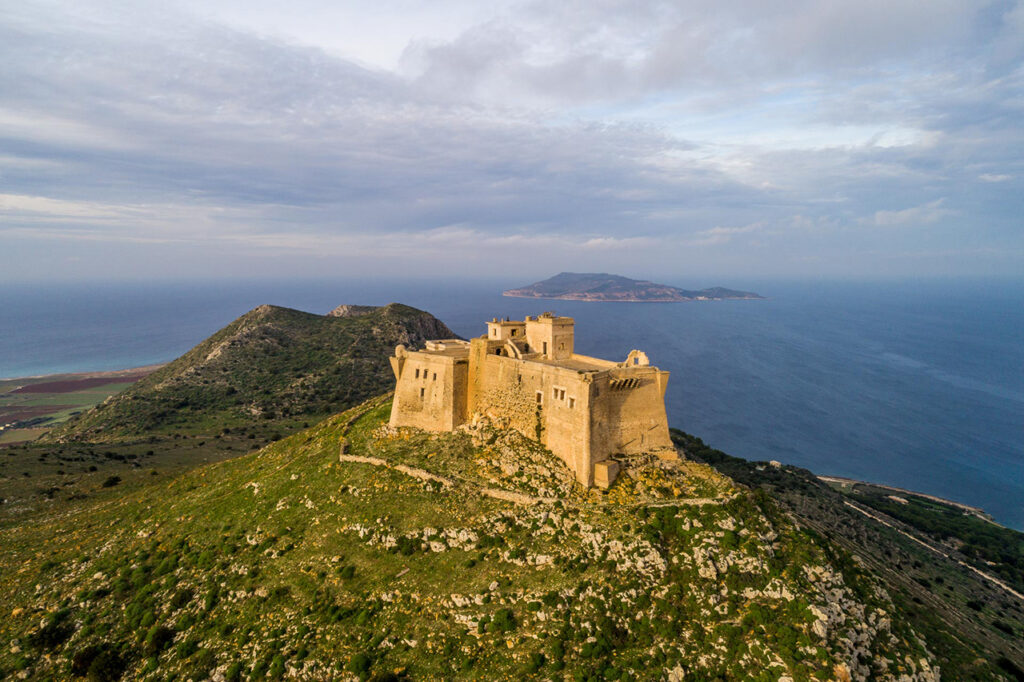
Favignana is considerably more inviting to ordinary visitors than it is to a homesick Greek king. Think turquoise water, bicycles, seafood restaurants, old tuna-fishing history and dramatic limestone landscapes.
And because the production filmed there during the off-season, you can actually do the same thing: visit when the island is quieter and imagine the film crew arriving before the summer crowds.
Travel tip
Favignana is reached by ferry from Sicily, usually via Trapani. Late spring and early autumn offer a particularly nice combination of warm weather and fewer visitors. Summer is beautiful but busier. You’ll need a car to visit the castle.
LGBTQ+ travelers
Italy is broadly LGBTQ+ friendly, particularly in its major cities and tourist destinations. Favignana is much more about beaches, restaurants and island life than a dedicated queer scene, so LGBTQ+ travelers looking for nightlife should build in time in Palermo, Catania or another larger Sicilian city.
The Aeolian Islands: Enter the Realm of Aeolus
Nolan also took his cameras onto the Aeolian Islands, including Lipari, Basiluzzo and Vulcano, for material associated with the mythological island of Aeolia, home of the wind god Aeolus.
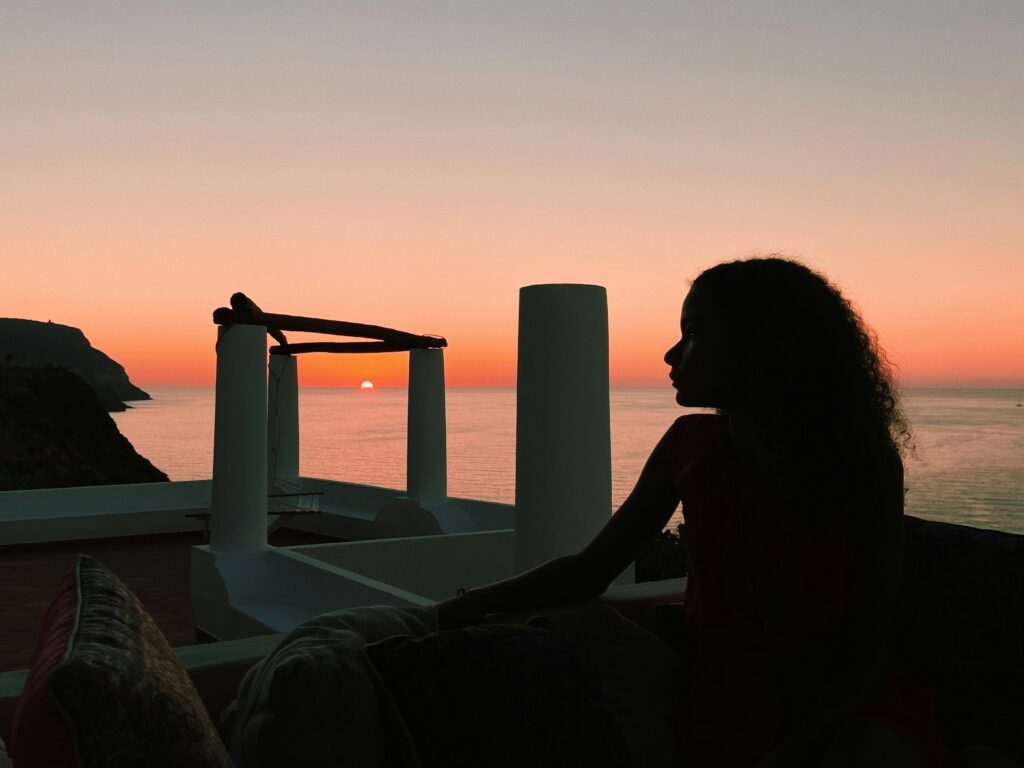
This is one of the places where the real landscape almost feels as if it were designed for mythology. The Aeolian Islands are volcanic, stark, and intensely beautiful, with black rock, sea cliffs, steaming volcanic landscapes, and islands that rise dramatically from the Tyrrhenian Sea.
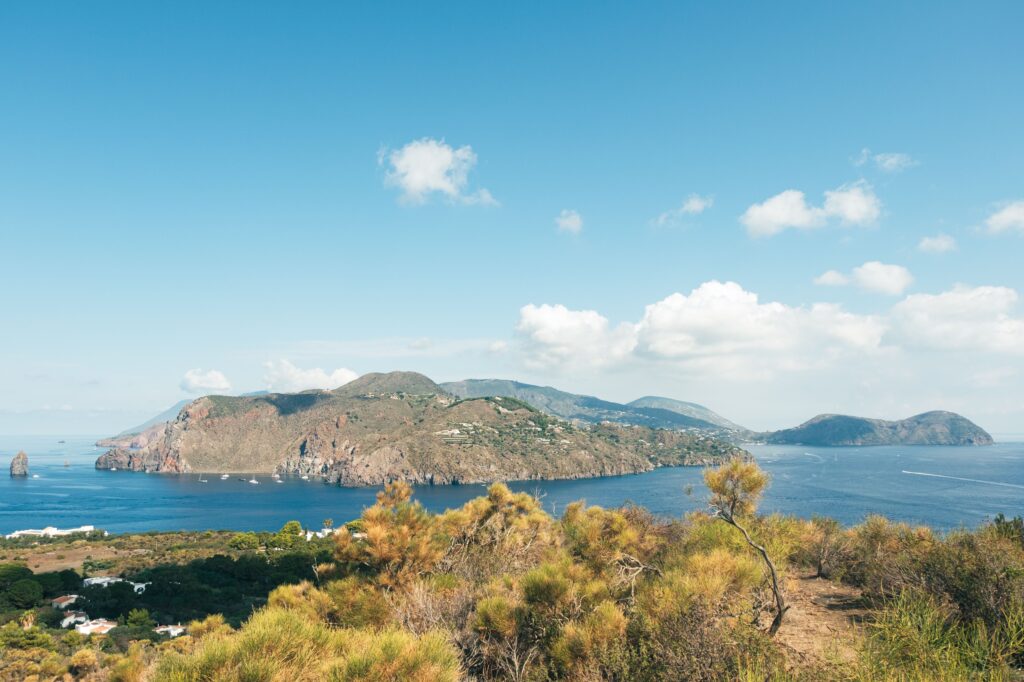
The production even filmed extensive waterborne sequences around the islands. For Nolan, that physicality was important: the sea was not simply a digital backdrop but part of the actors’ and crew’s actual environment.
For travelers, Vulcano is the obvious cinematic choice. You can hike volcanic terrain, soak in thermal waters and look across the water toward the other islands.
Morocco: Troy Has Never Looked So Gorgeous — or So Hot
If Greece gives us the mythic homeland, Morocco gives us Troy.
The spectacular fortified village of Aït Benhaddou, near Ouarzazate, was transformed into the ancient city. Production designer Ruth De Jong and her team built additional structures against the existing village, creating an expanded Troy for the movie’s opening sequences. Some of the production sets were designed to be burned, allowing Nolan to stage the destruction of Troy practically rather than relying entirely on digital effects.
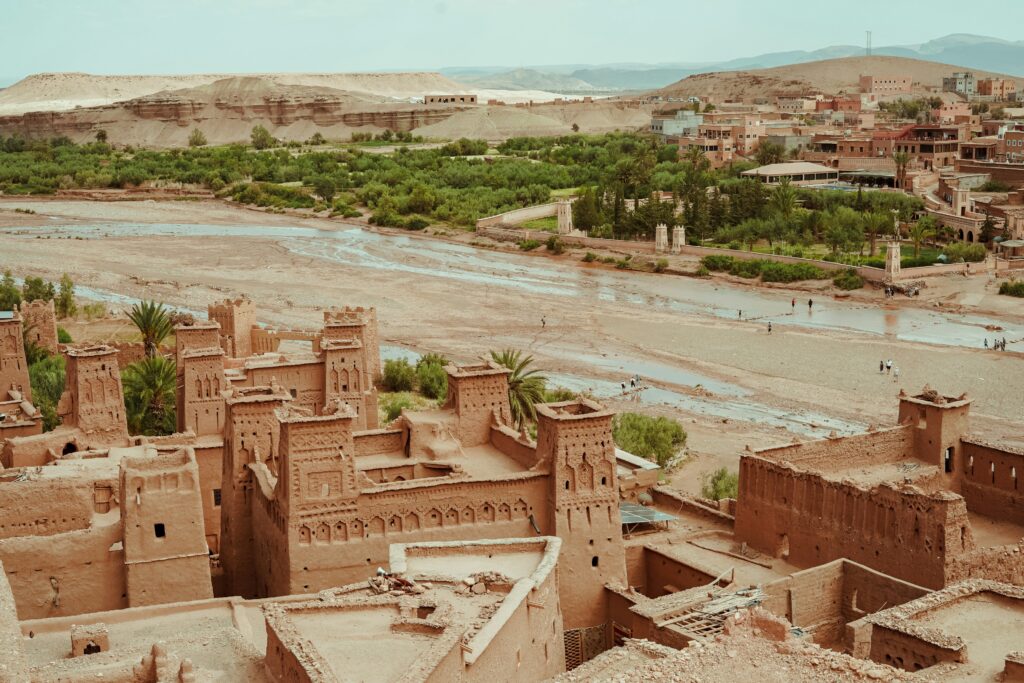
The result is a location that movie fans may recognize from a host of other productions, including Lawrence of Arabia and Gladiator. Yet Aït Benhaddou doesn’t feel like a movie set when you visit. Its earthen buildings, towers and winding passageways are genuinely ancient and extraordinarily atmospheric.
Then there is Essaouira, on Morocco’s Atlantic coast. Its beach was used for the Trojan Horse sequence and for Odysseus and his men setting off on their journey home. The production reportedly staged an enormous sequence there with thousands of extras.
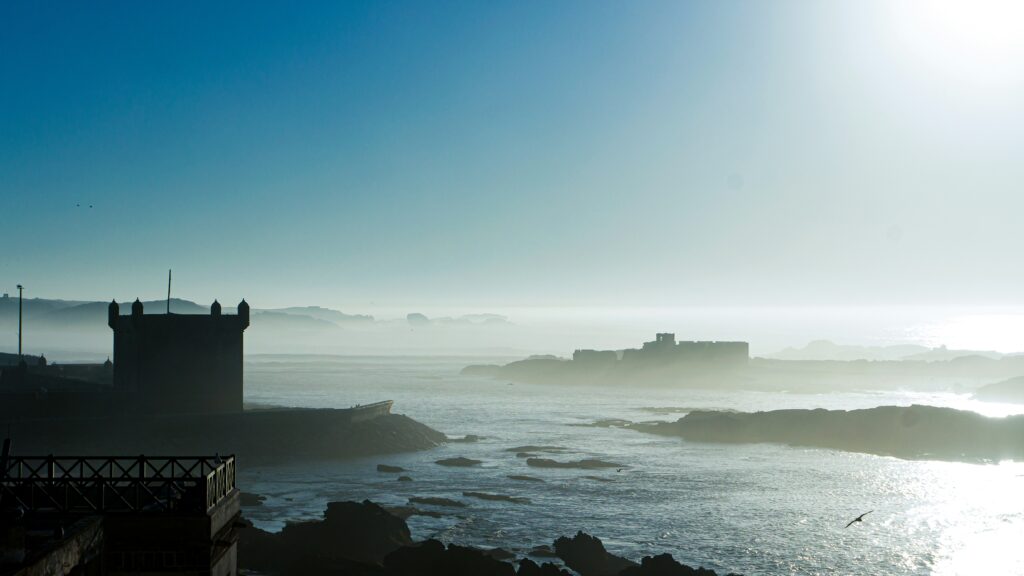
That makes Essaouira an especially fun stop for travelers because the cinematic experience comes with a genuinely enjoyable destination: a laid-back Atlantic port with a beautiful medina, seafood, beaches, windsurfing and a strong arts scene.
Travel tip
Aït Benhaddou is inland and hot, particularly in summer. Spring and autumn are considerably more comfortable for walking around the site. Essaouira is cooler and breezier because of its Atlantic location, making it an excellent contrast to the heat around Ouarzazate.
LGBTQ+ warning
This is the destination on the Odyssey itinerary where LGBTQ+ travelers need to exercise the most caution. Same-sex sexual relations remain illegal in Morocco, and public displays of affection can lead to prosecution.
Scotland: Circe’s Very Dramatic Front Yard
Christopher Nolan’s production did not attempt to make Scotland look like Greece. Instead, the Scottish coastline became something more elemental: Circe’s isolated domain.
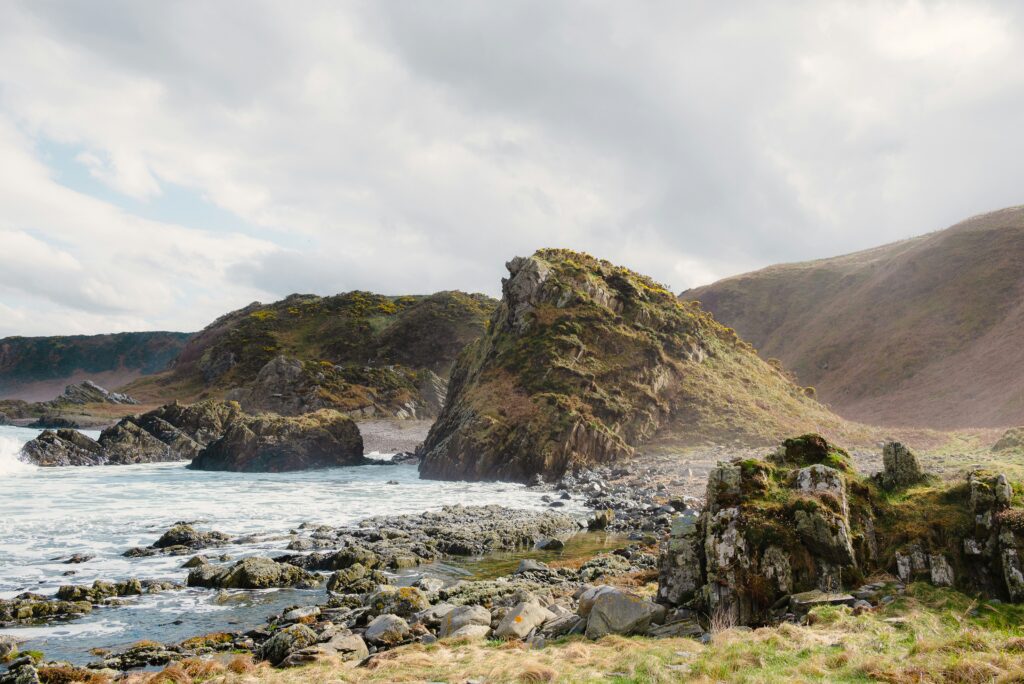
Around Cullen and the Moray Firth coast, the landscape supplied the cliffs, rocks and lonely coastline surrounding Circe’s home. Findlater Castle, a ruined medieval castle dramatically positioned above the sea, was another important location. Nolan’s team also filmed around Sunnyside Beach, Buckie Harbour and Culbin Forest.
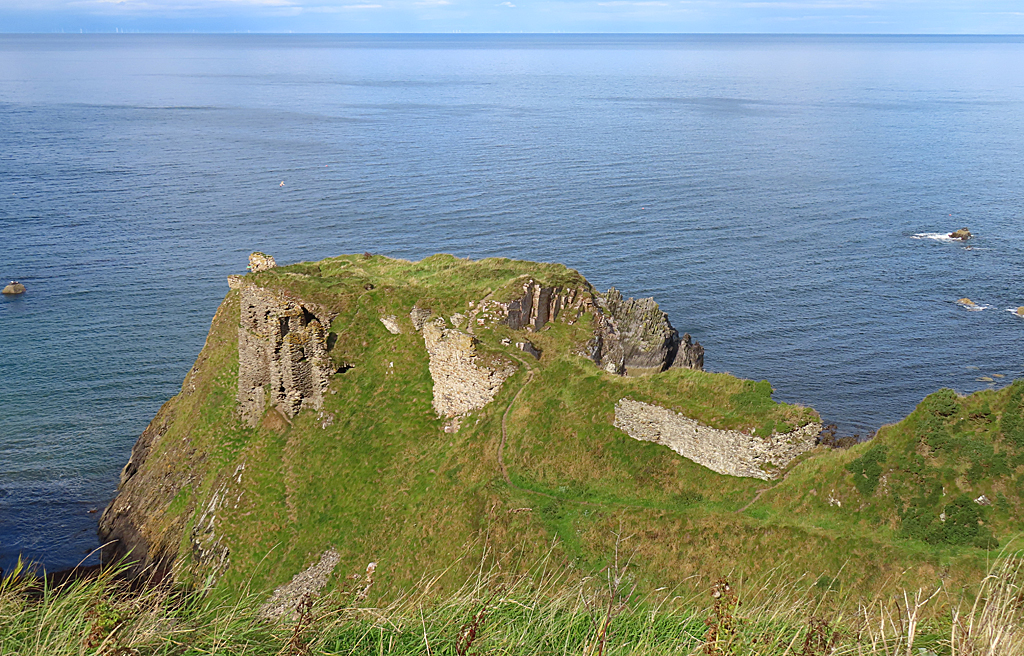
This is one of the smartest choices in the film. Circe is supposed to live somewhere beyond the ordinary world, and the Moray coast can look genuinely otherworldly: green cliffs dropping toward a cold North Sea, enormous skies, isolated beaches, and ancient ruins.
Travel tip
The Moray coast is excellent for a road trip. Base yourself around Cullen, Elgin or another nearby town and combine the Odyssey locations with coastal walks, castles, whisky distilleries and wildlife.
Summer provides the longest days and best odds of reasonable weather, but autumn can deliver the brooding, windswept atmosphere that makes the movie’s Scottish landscapes so effective.
LGBTQ+ travelers
Scotland is an easy destination for LGBTQ+ visitors. Same-sex marriage is legal, discrimination protections are extensive and the country’s larger cities have established LGBTQ+ communities. Even in smaller coastal communities, ordinary tourist behavior is unlikely to attract attention, although the remote nature of some of these filming locations means you’ll be more likely to encounter sheep than a gay bar.
Iceland: Hades Has a Very Cold Climate
And then there is Iceland, which may be the most visually extraordinary part of the whole trip.
Nolan used locations including Landeyjahöfn, Hjörleifshöfði, the Markarfljót river and the Snæfellsnes Peninsula for some of the film’s otherworldly material, including the Underworld sequences.
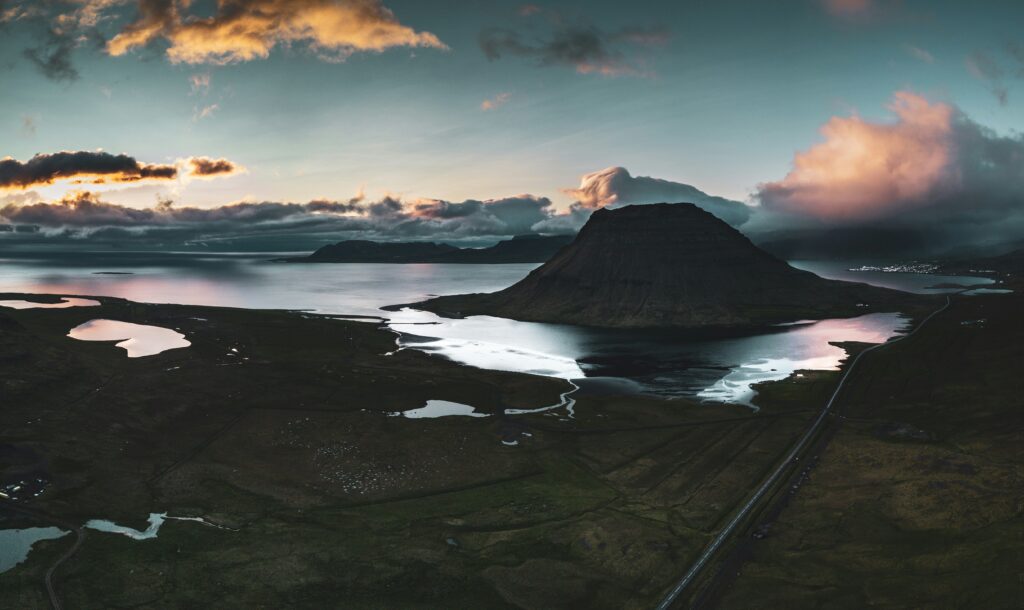
The combination of black volcanic beaches, glaciers, stark mountains and enormous skies gives the movie’s supernatural sequences a feeling of genuine alienness.
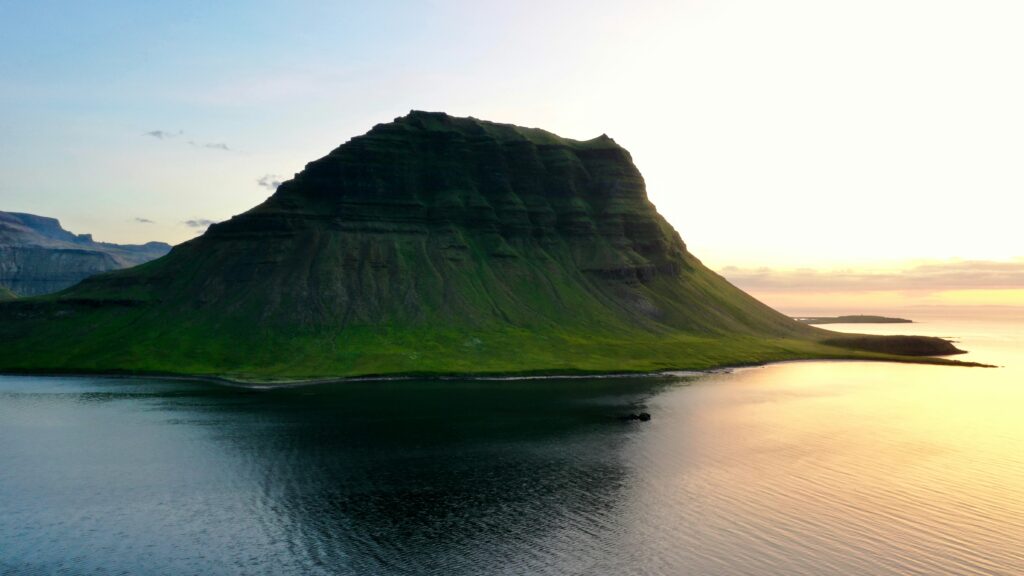
The beach near Hjörleifshöfði is particularly intriguing because it demonstrates Nolan’s love of visual ‘misdirection’. Iceland can present a landscape that looks at once like the end of the world and an unexpectedly Mediterranean paradise, depending on the light and camera angle.
Travel tip
Summer is easiest for exploring remote Iceland because of long daylight hours, while winter offers the possibility of seeing the northern lights. But don’t underestimate the weather. Even in summer, wind and rapidly changing conditions can make exposed coastal locations challenging.
A four-wheel-drive vehicle may be useful for some remote areas, but always check road conditions and access restrictions rather than simply following a movie-location map.
LGBTQ+ travelers
Iceland is one of Europe’s most LGBTQ+ friendly destinations. Same-sex relationships are legally recognized and same-sex sexual activity is legal. Reykjavík is the obvious base for LGBTQ+ nightlife and culture, but the country’s welcoming atmosphere extends well beyond the capital.
The Ultimate Odyssey Road Trip
The beauty of Nolan’s location choices is that you don’t have to recreate Odysseus’s ten-year journey. A practical movie-inspired trip could begin in Morocco, combining Marrakech, Essaouira and Aït Benhaddou. Fly onward to Sicily for Favignana and the Aeolian Islands, then continue to the Peloponnese for Voidokilia, Nestor’s Cave and Methoni. From there, fly north to Iceland for the landscapes of the Underworld before finishing in Scotland’s Moray coast, where Circe’s eerie kingdom awaits. But unlike our hero, you’ll possibly never want to leave.
Work out your itinerary using Expedia. Find the best transportation using Kayak.