Southern Decadence: The Party That Turns the French Quarter Into a Giant Queer Celebration
If you think New Orleans knows how to party, wait until Labor Day weekend.
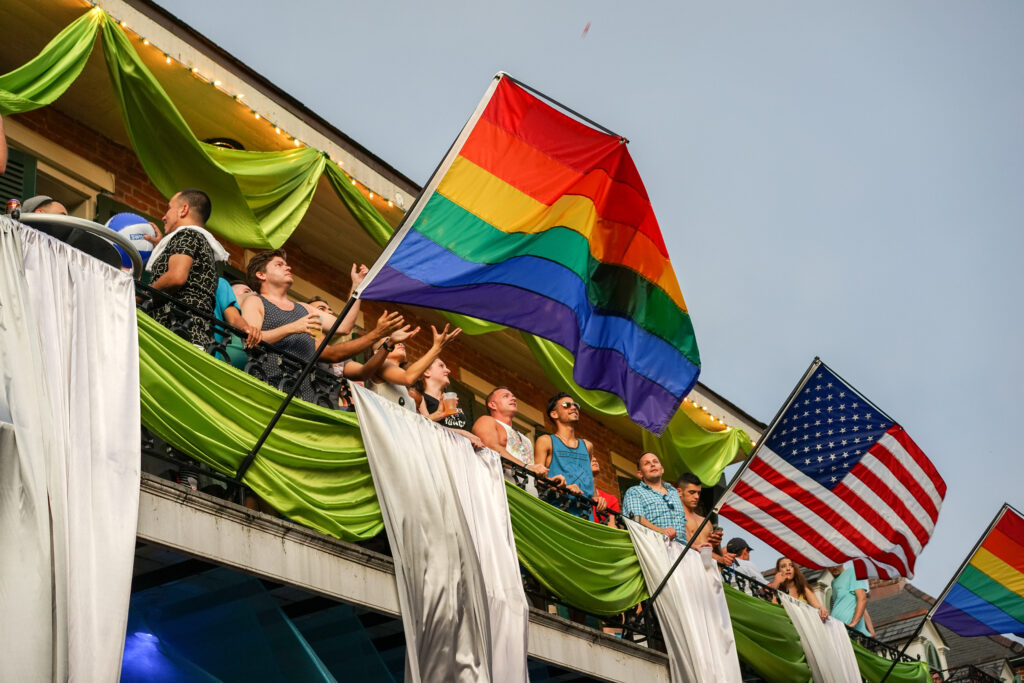
From September 3–7, 2026, Southern Decadence takes over the French Quarter and beyond with drag, DJs, dancing, costumes, pool parties, bar crawls, street celebrations and one gloriously outrageous parade. It is part Pride, part Mardi Gras and part very grown-up New Orleans fever dream.
More than 50 years after it began as a small farewell party, Southern Decadence has become one of the biggest LGBTQ+ celebrations in the United States. And importantly, it isn’t simply something happening in New Orleans. It is an expression of the city’s long, complicated and remarkably resilient queer culture.
From a Farewell Party to a Queer Institution
The story begins in 1972, when a group of gay and straight friends in the Tremé organized an end-of-summer party. They called themselves the “Decadents” and invited guests to come dressed as their favorite Southern decadent. The party was such a success that another was organized the following year.
Costumes and a walking parade soon became part of the tradition. What began with a few dozen friends eventually expanded throughout the French Quarter and into a citywide celebration involving hundreds of events and thousands upon thousands of visitors.
The city has been nurturing an LGBTQ+ community for generations. The Fat Monday Luncheon dates to 1949, the Steamboat Club was founded in 1953, and gay Carnival organizations began appearing in the 1950s and 1960s. Café Lafitte’s in Exile became one of the great institutions of the French Quarter gay scene.
That history makes Decadence more than a party. It is a particularly flamboyant continuation of a very old New Orleans tradition: creating space to be yourself.
The Main Events: What You Absolutely Don’t Want to Miss
There are literally hundreds of events associated with Decadence weekend, with individual bars, clubs and promoters putting their own spin on the celebration. The official program changes from year to year, so check the festival’s official Southern Decadence guide before traveling.
But several events are perennial highlights.
Thursday: Let the Decadence Begin
Thursday, September 3, is your chance to get oriented before the weekend reaches maximum fabulousness. Start in the French Quarter, where LGBTQ+ bars begin filling with visitors and locals, then follow the crowds.
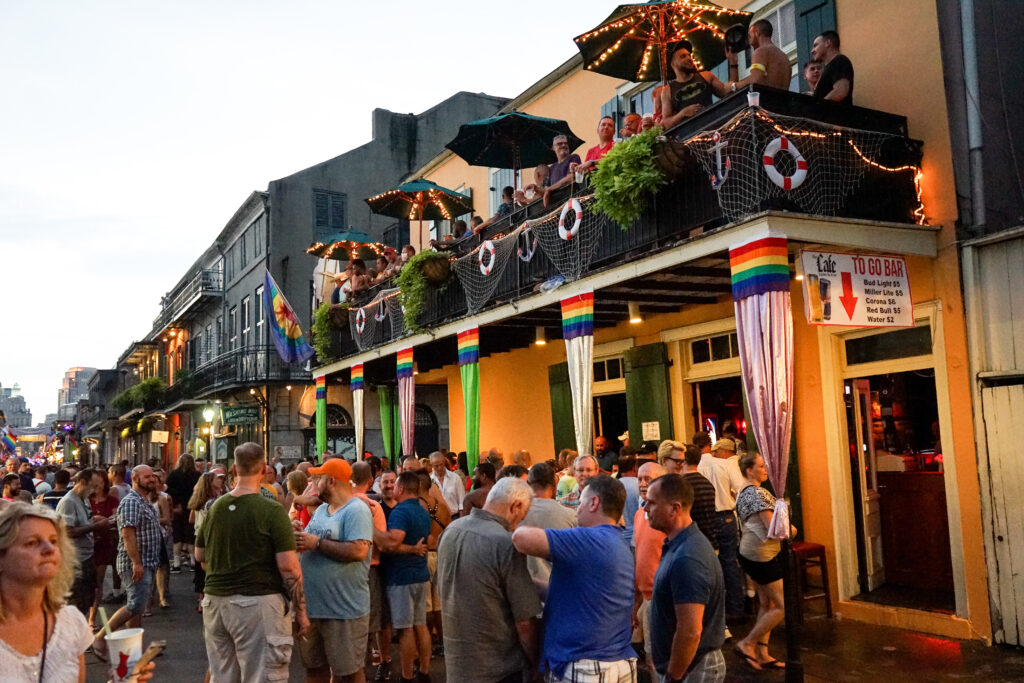
This is also a good night for seeing the Quarter’s famous gay-bar strip before the biggest crowds arrive. St. Ann Street around Bourbon has long been the heart of New Orleans’ LGBTQ+ nightlife.
Friday: Beer, Bears and Big Nights Out
The Phoenix Beer Bust is one of the weekend’s signature traditions, with the Phoenix hosting its famous beer-bust events on Friday and Saturday evenings.
Friday is also a prime night for drag shows, dance parties and events aimed at particular corners of the LGBTQ+ community.
For queer women, don’t assume Decadence is exclusively a boys’ weekend. GrrlSpot, the queer-women party collective that grew out of post-Katrina New Orleans, traditionally makes Southern Decadence a major part of its calendar. Its events are deliberately mobile rather than tied to one permanent bar.
Saturday: Bourbon Street Goes Decadent
Saturday afternoon brings the Bourbon Street Extravaganza, one of the weekend’s great free spectacles. Expect music, crowds, costumes and the kind of people-watching that could only happen in New Orleans.
Then the party moves indoors — and upstairs, downstairs and occasionally everywhere else.
Saturday is also traditionally the big day for Dykeadance, the queer-women celebration associated with GrrlSpot. The event grew out of an effort to give queer women a more visible presence within what had historically been a heavily male Southern Decadence scene.
Sunday: The Southern Decadence Parade
This is the big one.
The Southern Decadence Parade takes place Sunday, winding through the French Quarter and past many of the neighborhood’s famous LGBTQ+ bars. It typically begins at The Golden Lantern around 2 p.m.
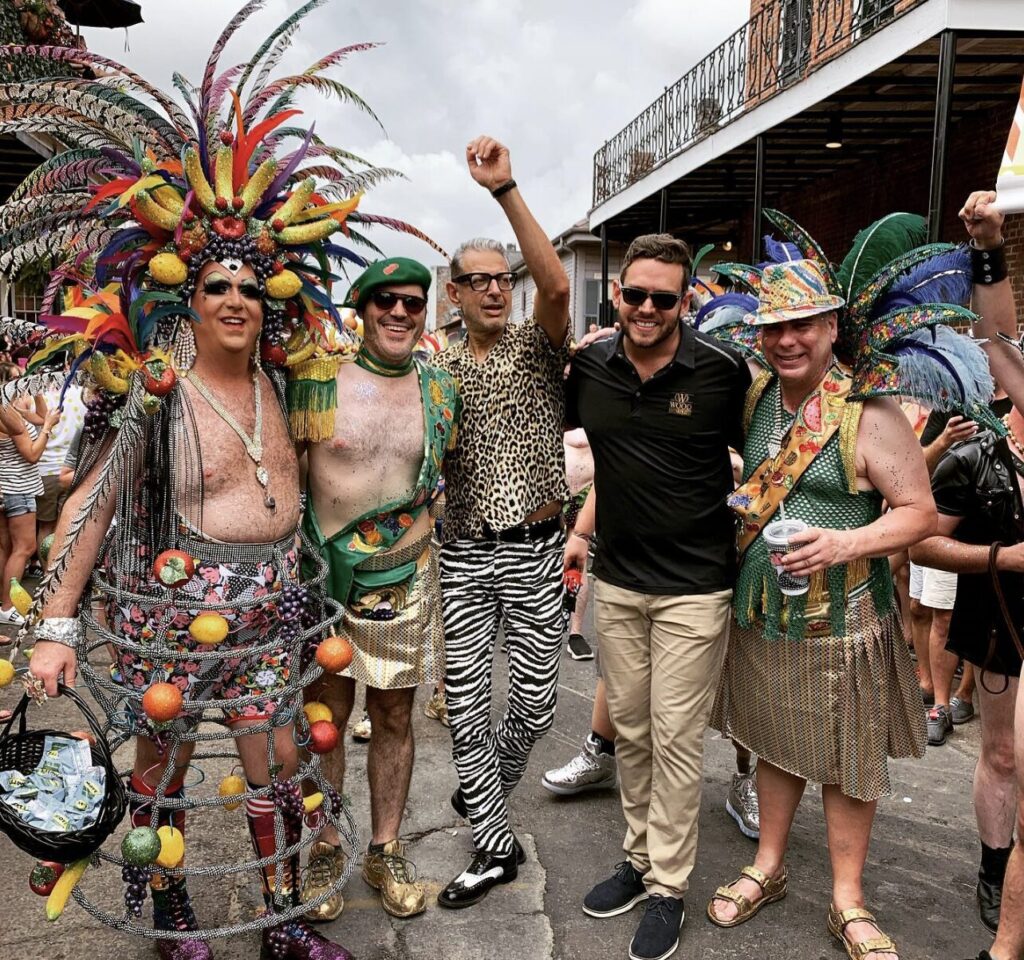
The parade is where the festival’s history, humor and sheer theatricality collide. Floats, walking groups, elaborate costumes, grand marshals and spectators pack the Quarter.
Best advice? Get there early, stay hydrated and don’t wear anything you would be heartbroken to lose.
Monday: One More Party
Labor Day Monday is traditionally the final opportunity to squeeze in another brunch, pool party, drag show, drink or dance before the city returns to something resembling normality. Of course, “normal” is a relative term in NOLA.
Where to Drink: The Essential Gay Bars
The French Quarter is the obvious starting point.
Cafe Lafitte’s at Bourbon and St. Ann is a must for anyone interested in queer history. It claims the distinction of being America’s oldest continuously operating gay bar, and its history is deeply intertwined with the evolution of the Quarter’s LGBTQ+ community.
Bourbon Pub & Parade is one of the central stops on the St. Ann/Bourbon LGBTQ+ strip, with drag and dance programming and a major Southern Decadence presence. Its upstairs space also hosts Her Haus, a queer-femme event on the first Friday of each month.
Oz New Orleans is the high-energy choice for dancing. The Bourbon Street club bills itself as New Orleans’ gay dance club and is open throughout the week, with special programming for Southern Decadence.
Good Friends Bar is another French Quarter favorite, while Golden Lantern offers a smaller, more neighborhood-bar atmosphere and has particular historical importance because the parade traditionally begins there.
Other established LGBTQ+ stops worth exploring include The Corner Pocket, Rawhide Lounge, The Page Bar, Crossing and Phoenix Bar.
For something beyond the traditional French Quarter circuit, head toward the Marigny and Bywater. The AllWays Lounge & Cabaret is particularly good for queer performance, drag, burlesque, theater and live entertainment, while The Country Club combines a bar, restaurant and pool in a decidedly New Orleans setting.
And Wifey’s Queer Bar is another newer queer-oriented option worth checking during your visit.
What About Lesbian Bars?
Here’s an important distinction for travelers: New Orleans currently does not have a permanent dedicated lesbian bar. The city’s official LGBTQ+ tourism guide specifically notes this and also points to a lively network of queer women’s pop-ups and events.
That makes knowing the event calendar particularly important.
GrrlSpot is the big name. Born from the queer-women community that regrouped after Hurricane Katrina, it stages pop-up dance parties rather than maintaining a permanent address. Southern Decadence is one of its biggest annual weekends.
Her Haus offers another queer-femme-centered option upstairs at Bourbon Pub, with DJs, performers and themed events.
And look for The Soiled Dove, the pop-up lesbian bar held at Palm&Pine. The regular event is advertised for the third Thursday of the month, although travelers should check its current social channels before relying on the schedule.
The important thing is that queer women absolutely have a place in Southern Decadence — the scene simply operates more through parties, takeovers and pop-ups than through a traditional permanent lesbian tavern.
Don’t Miss New Orleans’ Queer History
Southern Decadence’s joyous excess also exists alongside some very painful history.
On June 24, 1973 — just months after Southern Decadence’s early years — a fire at the UpStairs Lounge, a gay bar in the French Quarter, killed 32 people. It remains one of the deadliest attacks on an LGBTQ+ venue in American history. The official cause was never conclusively established.
The tragedy became a defining moment in New Orleans queer history, particularly because the victims initially received little public recognition. The city has subsequently done more to preserve and acknowledge this history.
The larger story, however, is one of persistence. New Orleans’ LGBTQ+ community organized, created social clubs, built political organizations, established churches and newspapers, and continued celebrating. The city’s LGBTQ+ historical timeline records the Gay Liberation Front in 1970, a local Daughters of Bilitis chapter, early Pride activity and numerous community organizations emerging through the 1970s and 1980s.
Why Southern Decadence Matters
New Orleans has always had a particular talent for turning survival into celebration.
Southern Decadence began with friends dressing up and saying goodbye to summer. More than five decades later, it has become a huge international LGBTQ+ gathering that fills the French Quarter and spills into neighborhoods throughout the city. Here, LGBTQ+ culture isn’t confined to one neighborhood or one week in June. It is woven into Carnival traditions, nightlife, theater, music, food, history and the city’s famously laissez-faire approach to self-expression.
Plan your trip after looking at what’s on offer here.
Here are the top 10 LGBTQIA-welcoming hotels in New Orleans.