
The Role of Substance Abuse Clinics in Health and Safety
Did you know that along with a rise in wellness travel, the number of substance abuse facilities and rehab clinics in the United States is also on the rise?
Here’s something you might not realize: substance abuse isn’t just devastating families, it’s bleeding our healthcare system dry and putting workplaces at serious risk. Consider this striking fact: 1,287 small business owners throughout the North Central Region pinpointed substance misuse as a major threat to their daily operations and employee well-being Purdue University, 2024.
That’s not a small number. Treatment centers have quietly become the backbone protecting public health and community stability. Their impact goes way beyond just treating addiction; these facilities actively prevent crime, literally save lives, and piece back together the social connections that hold neighborhoods together.
What Treatment Centers Actually Do
You’ll find treatment facilities offering various care levels, each one tailored to specific recovery journeys. They’re nothing like the outdated detox centers of decades past. Today’s centers function as complete health ecosystems.


Modern Treatment Methods
In Mishawaka, Indiana, treatment facilities offer a comprehensive range of therapies, including Cognitive Behavioral Therapy (CBT) and Dialectical Behavior Therapy (DBT), alongside medication-assisted options. Round-the-clock medical supervision during detox helps patients navigate withdrawal safely and reduces the risk of complications. Many programs also incorporate holistic elements, such as nutrition guidance, mindfulness training, and stress management, to support overall well-being throughout recovery.
What’s really changed is how these centers tackle co-occurring mental health conditions through dual diagnosis care. The Mishawaka location in Indiana shows this integrated approach beautifully, serving everyone from age 12 upward with truly customized treatment roadmaps. The substance abuse clinics model targets both the physical dependency piece and those deeper psychological drivers fueling addiction.
Facility Categories
Communities nationwide increasingly rely on treatment centers to fill desperate local gaps. Residential inpatient programs deliver maximum intensity with constant medical presence. Meanwhile, outpatient formats let you keep showing up for work and family obligations while getting help. Partial hospitalization sits right in the middle, more structured than basic outpatient but less restrictive than full residential.
Take the Fergusons, who launched Momentum Center back in August 2021. Their low-intensity residential program came together thanks to Entrepreneur Fund financing and guidance, Entrepreneur Fund, 2022. Stories like theirs highlight how strategic financial support addresses real treatment shortages in overlooked communities.
Standards That Matter
Joint Commission accreditation? That separates serious facilities from sketchy ones. Only about 20% of centers even qualify for this distinction. State licensing mandates ensure staff hold current credentials and keep learning. Evidence-based methods aren’t negotiable anymore, they’re baseline expectations for quality care.
How Rehab Centers Directly Improve Individual Health
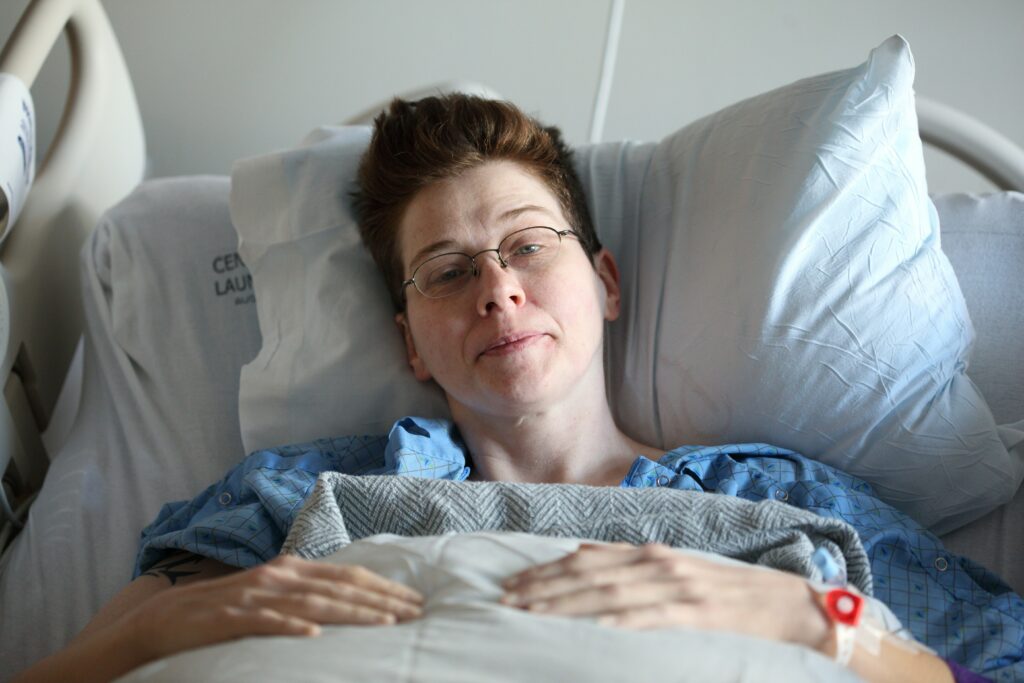
Medical stabilization literally prevents deaths. These facilities handle immediate crises while establishing foundations for lasting wellness.
Rebuilding Physical Health
Some withdrawals will kill you without medical intervention; that’s not hyperbole. Centers manage acute symptoms while treating substance-related damage like compromised liver function and heart problems. Coordination with primary care doctors prevents patients from slipping through system cracks. The benefits of rehab clinics include nutritional recovery since countless patients arrive dangerously undernourished.
Addressing Mental Health Together
Trauma-informed approaches acknowledge that substance use often follows profound emotional wounds. Anxiety, depression, and PTSD treatment happen right alongside addiction therapy. Cognitive rehab supports actual brain healing, gradually restoring decision-making capacity compromised by extended substance exposure.

Stopping Disease Spread
Harm reduction tactics like needle exchanges block HIV and Hepatitis C transmission. These pragmatic interventions protect whole communities, not just active users. Education about safer practices cuts infection rates while linking vulnerable individuals to specialists offering comprehensive medical care.
Public Health Benefits: Transforming Communities
Effective treatment creates cascading positive effects throughout entire neighborhoods. What unfolds inside treatment facilities directly shapes crime statistics, economic health, and family stability outside their walls.
Making Neighborhoods Safer
Treatment dramatically cuts substance-related crime in surrounding blocks. Drug courts and diversion initiatives partnering with addiction recovery centers interrupt the incarceration treadmill, destroying lives and exhausting public budgets. Areas near thriving treatment facilities document real decreases in property crime and domestic incidents.
Financial Returns
Here’s a number you should know: each dollar invested in treatment returns between four and seven dollars in reduced healthcare and criminal justice expenses. That’s verified ROI, not wishful thinking. Emergency rooms handle fewer repeat visits from chronic users receiving treatment. Insurance costs stabilize as treatment access grows, benefiting everyone’s premiums.
Keeping Families Intact
Kids simply can’t flourish when parents battle active addiction. Treatment stops adverse childhood experiences that perpetuate trauma across generations. Family therapy rebuilds shattered trust and teaches essential parenting capabilities. Child welfare agencies now coordinate closely with treatment centers, prioritizing family reunification whenever circumstances allow.
Protecting Workers and Workplaces
Employers absorb tangible costs when substance issues infiltrate their workforce. Treatment centers collaborate with companies to safeguard both employees and profitability.
Employee Support Programs
Confidential treatment connections through EAPs let employees tackle substance problems before jobs hang in the balance. Pre-hire testing and continuous support dramatically reduce workplace incidents. Structured return-to-work frameworks ensure smooth reintegration after treatment wraps up.
Tailored Industry Approaches
High-stakes fields like construction and transportation demand specialized protocols. DOT-certified substance abuse professionals operate within strict compliance requirements to uphold safety benchmarks. Organizations investing in employee treatment track measurable gains in accident reduction and productivity.
Getting Ahead of Addiction
Prevention beats treating severe dependency every single time. Community education dissolves stigma while teaching research-backed prevention approaches.
Reaching Communities
School-based programs connect with youth before casual use becomes chemical dependency. Public campaigns gradually shift attitudes toward viewing recovery positively instead of shamefully. The link between substance abuse and public health becomes obvious once communities grasp addiction as a treatable medical condition rather than character failure.
Early Detection Systems
Quick intervention tools in primary care spot at-risk patients early. Motivational interviewing helps people recognize concerns before total collapse. Smooth referral channels connect those seeking help with suitable care levels minus bureaucratic nightmares.

The Bigger Picture
Treatment facilities function as essential health and safety infrastructure, as vital as hospitals or emergency services. They’re cutting crime rates, blocking disease transmission, and reconstructing families that addiction has demolished. The financial argument alone justifies broader access, and billions saved in emergency care and law enforcement prove treatment effectiveness.
Communities putting resources into these centers witness tangible improvements across numerous well-being metrics. Most crucially, they’re extending real hope to individuals who’ve surrendered everything to addiction. Recovery isn’t merely theoretical; it’s unfolding daily in treatment centers throughout this country, one person at a time.
Your Questions About Treatment Answered
What kind of success should someone expect from substance abuse treatment?
Success typically falls between 40-60% for maintained recovery, actually comparable to managing other chronic diseases. Multiple treatment attempts often become necessary, and ongoing support substantially boosts long-term outcomes beyond initial program completion.
How do centers keep patient information private?
Federal rules under 42 CFR Part 2 deliver tougher protections than regular HIPAA standards. Facilities cannot disclose patient details without explicit written permission, protecting job status and legal position throughout treatment and beyond.
Is it possible to work while in treatment?
Definitely. Outpatient schedules specifically accommodate working people through evening and weekend sessions. FMLA regulations protect employment, and growing numbers of employers actively support recovery through accommodating return-to-work arrangements.