
7 Things LGBTQ+ People Should Avoid When Traveling Abroad
Travel should be carefree when it comes to being yourself and having fun. Wouldn’t that be lovely? But in a world currently percolating with geopolitical tensions, many drawn along ideological lines, we want to vouch for your safety.
When traveling abroad, LGBTQ+ travelers often need to adjust certain daily habits to ensure their safety, as laws, cultural norms, and safety levels for queer people vary drastically around the world and are changing. It’s not ideal, and it may not dovetail with your personal goal of being a good LGBTQ ambassador. But it’s better to err on the side of caution and come back home in one piece.
Here are the most critical things to avoid when traveling internationally:

1. Booking a Single-Bed Room Unprepared

In countries with conservative cultures or anti-LGBTQ+ laws, booking a single bed for two people of the same sex can lead to uncomfortable questioning, refusal of service, micro- or macroaggressions from locals and staff or safety risks at check-in or check-out.
- What to do instead: Book twin beds (separate beds) by default in high-risk areas. If you truly prefer a single Queen or King-sized bed, research international chain hotels, which typically enforce non-discrimination policies. Expedia has LGBTQ+ suggestions here.
2. Engaging in Public Displays of Affection (PDA)
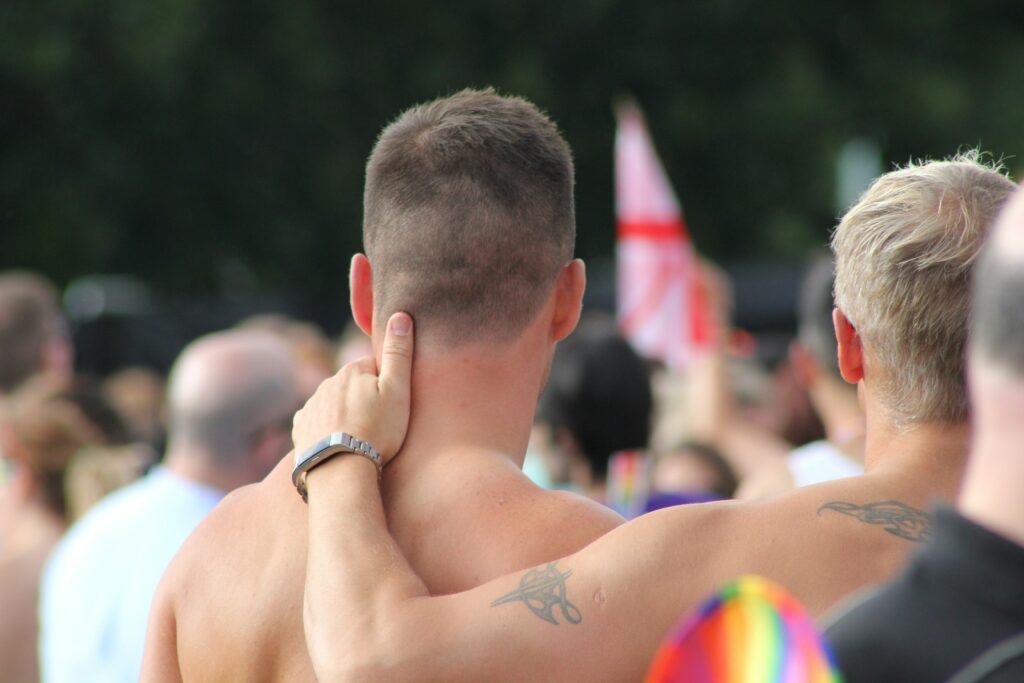
Holding hands, hugging, touching, kissing, or even exchanging glances, laughing or intense eye contact between same-sex partners can be dangerous or illegal in many destinations. In some cultures, female social intimacy does not automatically read as “lesbian,” but women traveling together can often attract unwanted male attention in many parts of the world. In parts of India, it’s common for males to behave in homosocial behaviors such as hugging and handholding. But when it comes to you and your natural behavior, it is better to be cautious and neutral.
- What to do instead: Maintain a strictly platonic public profile and demeanor. Save all romantic gestures entirely for private spaces like your hotel room. If you find you have attracted unwanted attention, mention that someone is waiting for you at your accommodation or elsewhere.
3. Leaving Dating App Profiles Unmodified
Dating apps like Tinder, Bumble, and Grindr are frequently used by local authorities or criminals in conservative countries and totalitarian regimes to entrap, blackmail, assault, or arrest LGBTQ+ travelers.
- What to do instead: Disable location services, blur or remove clear facial photos, and use a VPN. Many apps offer safety alerts when you open them in hostile countries—pay close attention to these warnings.

4. Traveling Without Researching Local Laws
You’ve probably researched everything else about your destination. So, assuming that human rights standards are universal is a dangerous mistake. In dozens of countries, homosexuality remains heavily criminalized, carrying penalties ranging from prison time to the death penalty.
- What to do instead: Check up-to-date resources like the Equaldex LGBTQ+ Equality Index or the ILGA World Database before booking. Review your home country’s government travel advisories for specific LGBTQ+ safety warnings.

5. Speaking Openly About Your Identity with Strangers
It is natural to want to be authentic and share information in the hopes of being welcomed, but disclosing your sexual orientation or gender identity to taxi drivers, tour guides, food and beverage servers, or casual acquaintances can compromise your safety.
- What to do instead: Use neutral language. Refer to a partner as a “friend,” “brother,” “sister,” or “colleague” if pressed about your relationship status.
6. Dressing in Explicit Pride Apparel
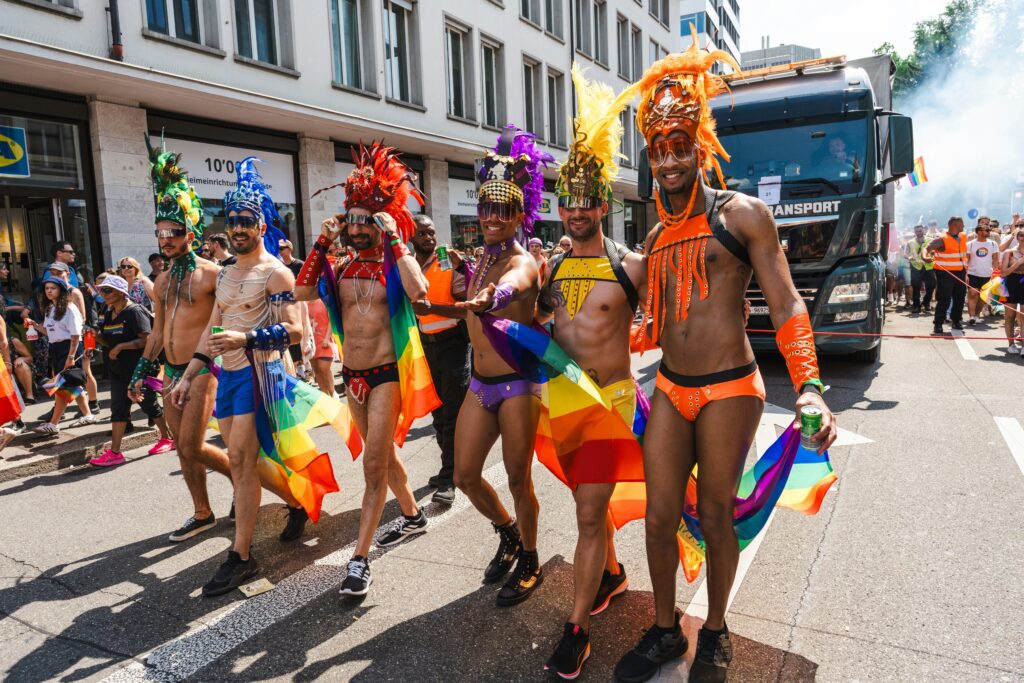
Wearing clothing, pins, or accessories featuring rainbows, specific slogans, or gender-affirming symbols can draw unwanted attention from hostile locals or police.
- What to do instead: Dress conservatively and blend in with local style norms. Avoid any clothing that explicitly signals your identity while navigating public transit, airports, and street markets.

7. Assuming “Gay-Friendly” Neighborhoods are 100% Safe
Even in cities known for LGBTQ+ nightlife, from Sydney to Sao Paolo, the streets and backstreets immediately surrounding queer venues can be hotspots for targeted muggings, sexual assaults, or hate crimes.
- What to do instead: Stay hyper-vigilant when leaving a venue. Use trusted, trackable ride-share apps to travel directly back to your accommodation rather than walking through unfamiliar streets late at night.
Some of these cautions might differ depending on your gender expression, sexual orientation, and whether you’re traveling with a partner or traveling solo. Think through all the possibilities ahead of time and make sure you’re prepared for any of the above scenarios. In advance, locate your national embassy at your destination, should you need help or support during your trip.

Resources
The U.S. State Department and the CDC Yellow Book are the primary U.S. government resources. However, official government travel advisories are often very broad. For a more detailed, nuanced understanding of local laws, trans-specific safety, and social attitudes, LGBTQ+ travelers frequently rely on these non-profit and interactive resources:
- Equaldex: A crowd-sourced database that visualizes the state of queer and trans rights worldwide. It provides interactive maps and up-to-date regional laws covering discrimination, marriage, and gender recognition.
- Spartacus Gay Travel Index: An annual report that evaluates countries based on the safety and legal conditions for queer vacationers.
- IGLTA: The International LGBTQ+ Travel Association, which provides free travel guides and a global directory of welcoming accommodations and transport services.
- Movement Advancement Project: If you are traveling within the U.S., MAP provides an interactive map that tracks dozens of different LGBTQ+ laws state-by-state.