
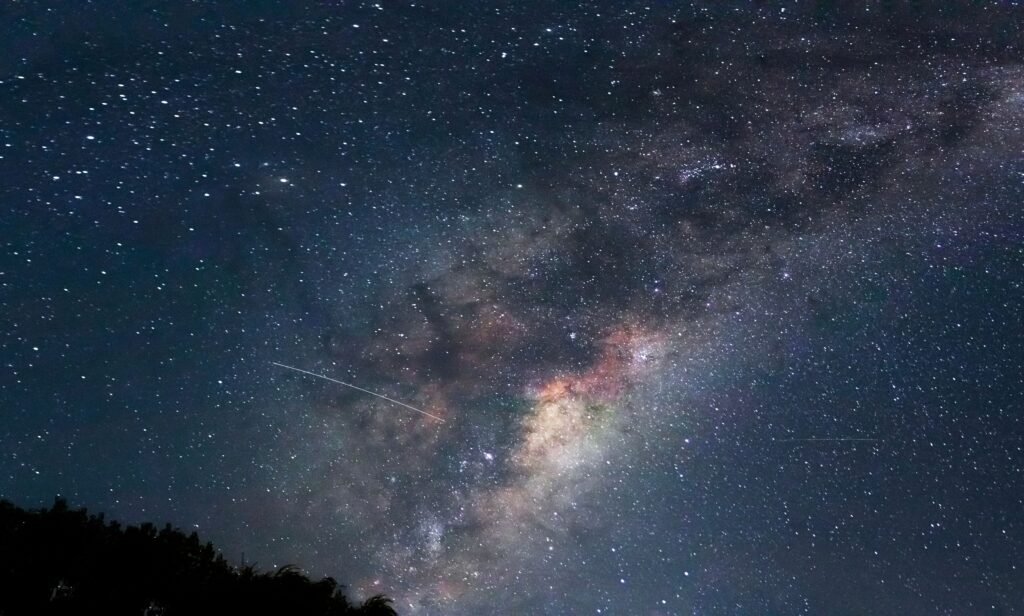
How to View the Moonless Perseid Meteor Shower
Worldwide searches for “Perseid meteor shower ” surged by 350% in the past month. Here’s how you can see this incredible astronomical event.
Adventure travel experts at Wild Frontiers are revealing why the 2026 Perseid meteor shower could be one of the year’s most spectacular natural events.
Peaking overnight on August 12–13, the shower will coincide with a new moon, creating exceptionally dark conditions that should make its bright fireballs and colorful trails easier to see. Just hours earlier, a total solar eclipse will cross parts of Europe and the Arctic, while a partial eclipse will be visible from parts of North America, creating an unusually eventful day for skywatchers on both sides of the Atlantic.
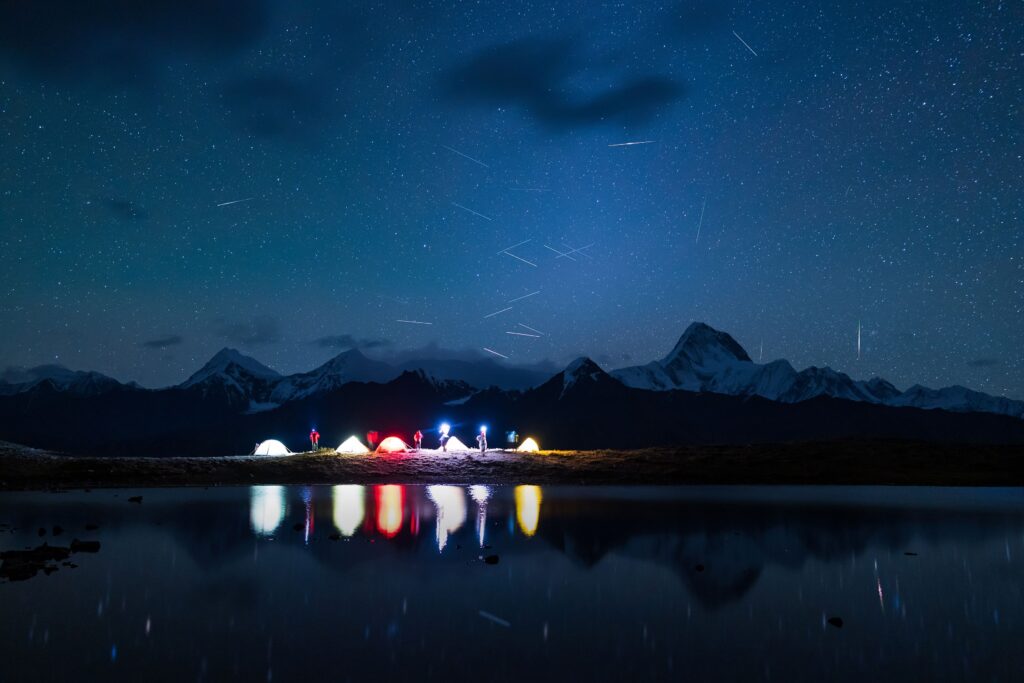
Wild Frontiers believes the surge in interest reflects the growing appeal of star bathing and night-sky travel. Over the past year, worldwide Google searches for “solar eclipse dates” have soared by 1,950%, while searches for “dark sky locations” have risen by 140%—signaling a broader desire to disconnect from screens, slow down, and seek restorative, awe-inspiring experiences in nature.
Why the 2026 Perseids are the perfect excuse to try star bathing
The Perseids will be visible across the US wherever skies are clear, with the best views expected from rural, coastal, and wilderness areas away from artificial light.
No telescope or specialized knowledge is needed to enjoy them – travelers simply need to find a dark location, allow their eyes to adjust, and take time to watch the magic unfold.
Clare Tobin, CEO at Wild Frontiers, said: “Interest in the Perseids reflects a growing appetite for experiences that leave us genuinely awestruck. Looking up at a vast night sky can make everyday pressures feel smaller, while reminding us that we are part of something much bigger.
“Remote landscapes make these moments especially memorable. Away from streetlights and crowds, the sky feels larger, the surroundings are quieter, and stargazing becomes part of the journey rather than a standalone evening activity.
“After spending so much of our lives on screens, people are craving real encounters with the natural world. Star bathing creates the space to slow down, reconnect with our surroundings, and experience that sense of wonder more fully.”
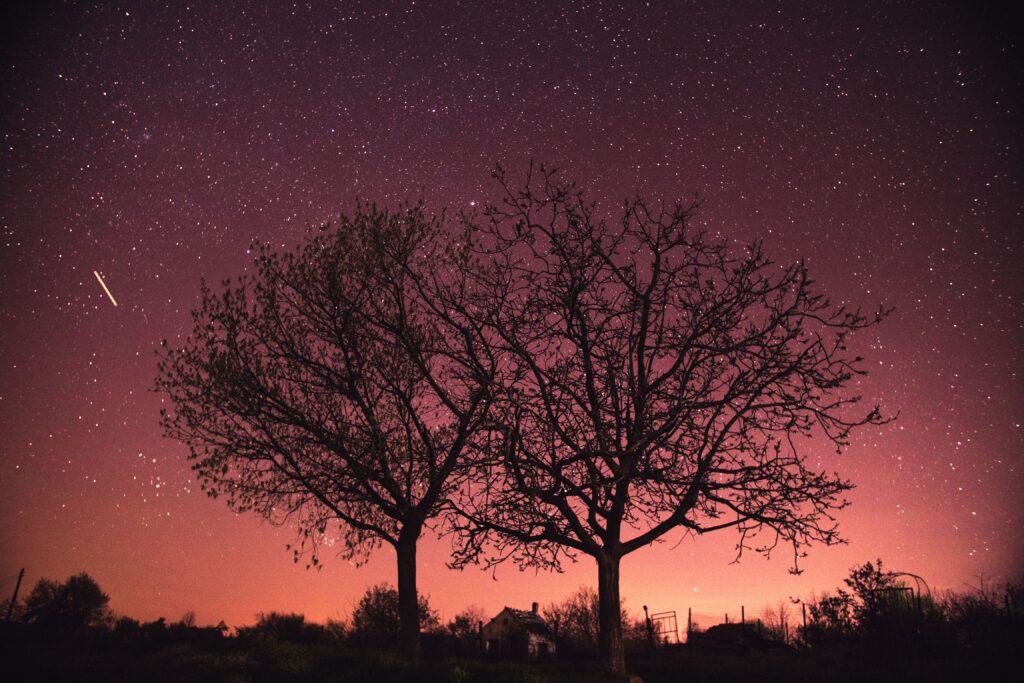
Four ways to make the most of the Perseid meteor shower
Visibility will depend on cloud cover and local light pollution, but Wild Frontiers recommends:
Watch after midnight
The shower generally becomes more active later in the night, so staying out into the early hours can improve the chances of seeing more meteors.
Use red light, not white
A red flashlight is less disruptive to night vision than a phone screen or standard flashlight. Allow around 20 minutes for your eyes to adjust fully.
Stay in one place
Settle in for at least an hour rather than moving between viewpoints. Meteor activity can come in bursts, so patience is often rewarded.
Build it into a wider adventure
Choose a destination where the night sky complements the daytime experience, whether that means trekking through mountains, crossing desert landscapes, or staying in a remote camp. This makes the meteor shower part of the journey rather than the sole reason for traveling.
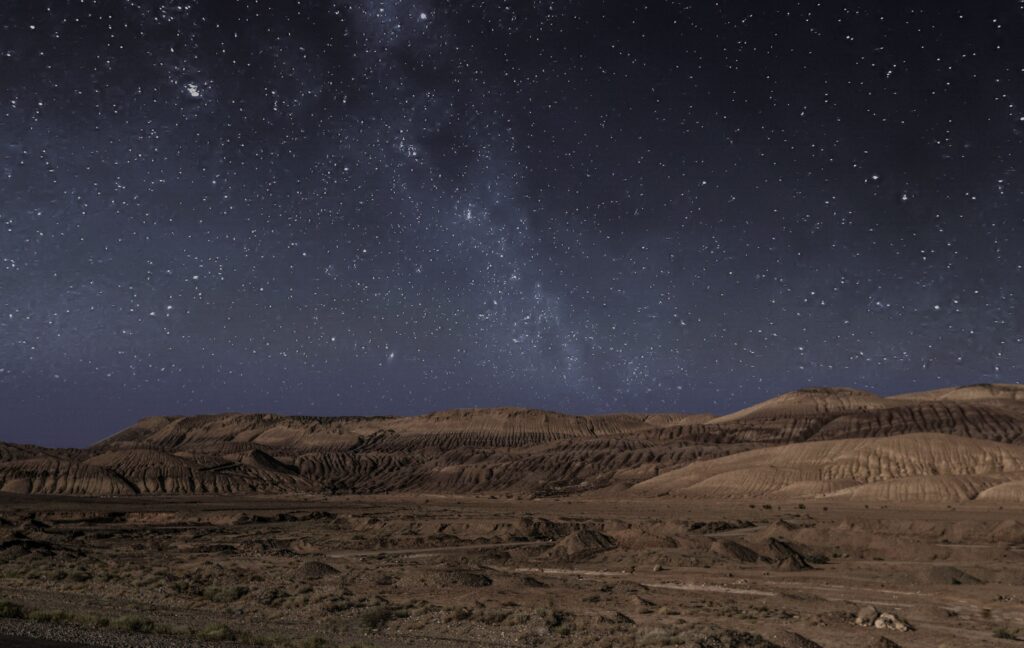
Three extraordinary destinations for celestial travel
For travelers inspired by the Perseids, Wild Frontiers recommends three adventures that place dark skies and celestial events within a wider cultural journey.
Sleep beneath Saharan skies in Algeria
Wild Frontiers’ Algeria Saharan Desert Adventure takes travelers deep into the Sahara, where remote camps, vast horizons, and minimal artificial light create memorable conditions for sleeping beneath the stars. Days are spent exploring dunes and dramatic rock formations before nights beneath some of North Africa’s darkest skies.
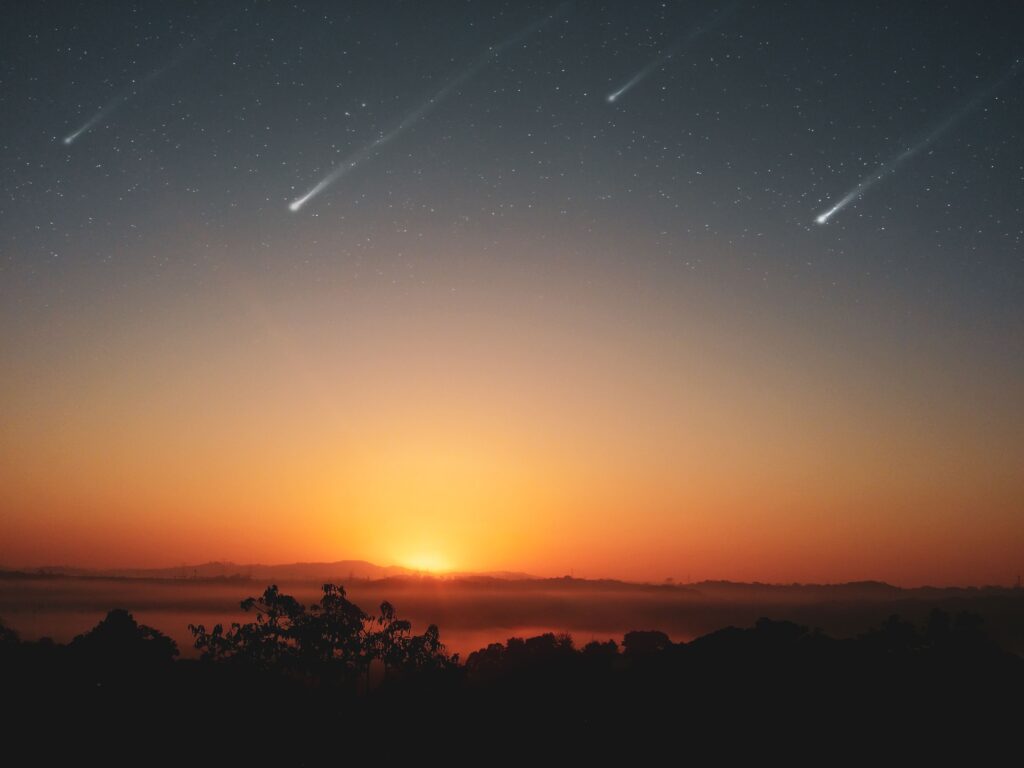
See the stars from a remote camp in Mongolia
On Wild Frontiers’ Mongolia: Land of the Great Khan tour, travelers journey across the country’s open steppe and remote wilderness, with ger stays offering an escape from city lights, screens and everyday distractions. The immense landscapes and sense of isolation make Mongolia a natural setting for star bathing.
Witness an eclipse among the Saudi Arabian mountains and ancient fortresses
Wild Frontiers’ Mountains & Fortresses of Southern Saudi Arabia – Eclipse Special combines the total solar eclipse of August 2, 2027 with a journey through the country’s dramatic southern landscapes. Travelers can experience the celestial event as part of a wider adventure through remote mountains, historic settlements and traditional fortified villages.
Can’t travel? Connect with a queer astronomy group and see how they approach this remarkable event. Here are some ideas:
Astro On Tap NYC: GGBTQ-inclusive with Prude nights and more.
Intergaylactic (University of Michigan): If you’re a student of UM, the LGBTQ+ Astronomy network welcomes members from all academic levels in the Astronomy department (undergrads, grads, postdocs, research scientists, staff, and faculty).
Astro Berkeley: Welcomes LGBTQ astronomers and also has an LGBTQ physics group.
Astro Outlist: Has tons of resources for LGBTQ+ folks in astronomy.
The American Astronomical Society: Has a resource page for LGBTQ+ astronomers, researchers and speakers.