
Lanzarote: Spain’s Volcanic, LGBTQ-Friendly Hidden Gem
At the risk of sharing a wonderful travel secret I’d love to keep to myself, I’m thrilled to recommend a destination that will appeal to LGBTQ travelers seeking something different.
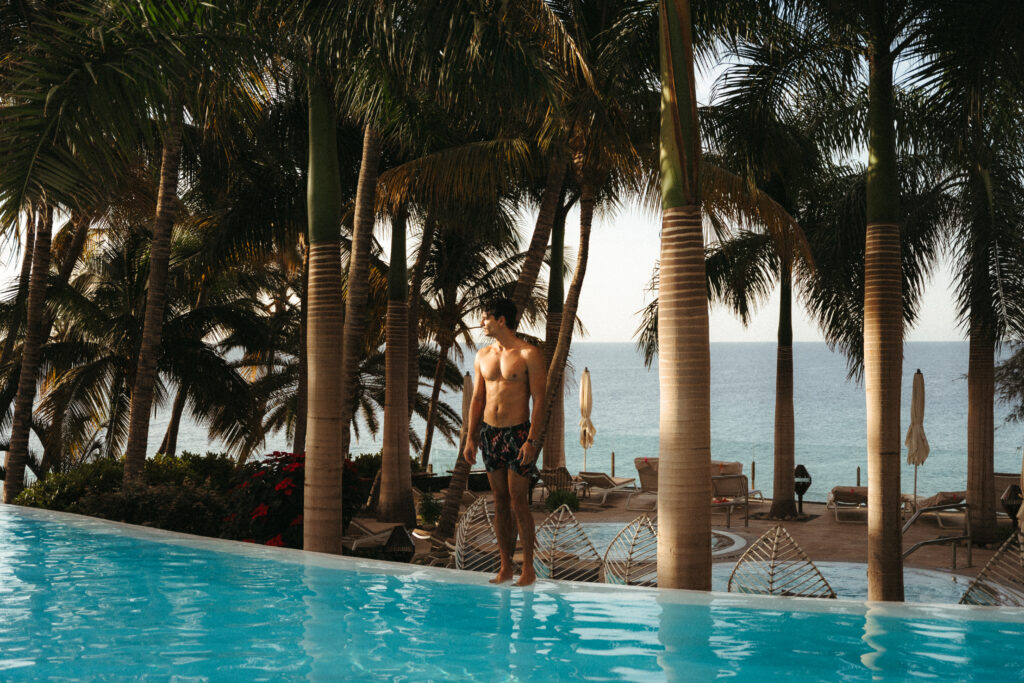
Featured image courtesy of Hotel Fariones
Some parts of the Canary Islands announce themselves with resorts and high-rise hotels and a visible gay scene—Gran Canaria, we’re looking at you, mi amor. But then there is Lanzarote—the island that slipped away from the tourist-development machine and has been billed by its tourism authority as “unique” and “different.” Because it really is.
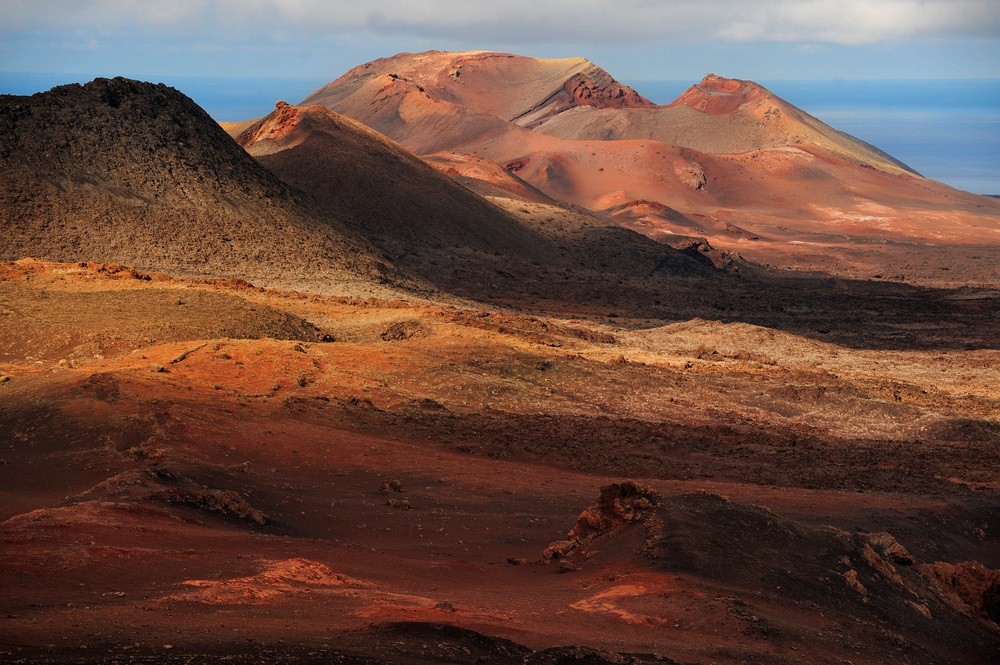
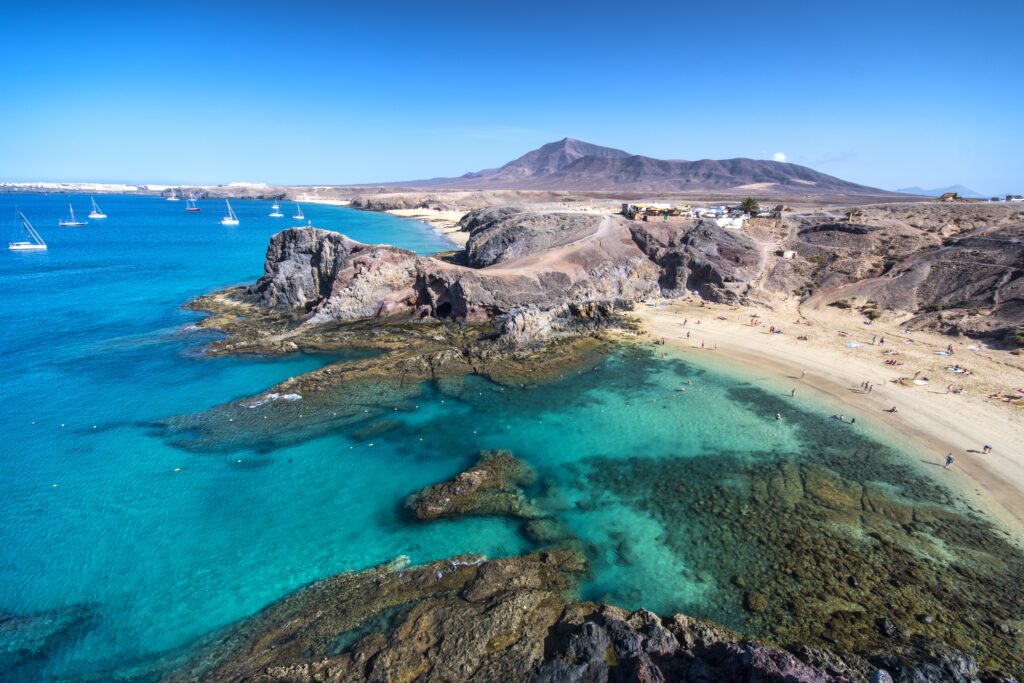
Dramatic, otherworldly and surprisingly unspoiled, Lanzarote feels less like a conventional island destination and more like somewhere you discovered. Think black volcanic landscapes, sugar-cube-white villages, wild and mostly empty Atlantic beaches, vineyards growing inside volcanic craters, and roads that wind through scenery that could easily belong to another planet.

It is also an increasingly popular choice for LGBTQ travelers drawn to its relaxed, live-and-let-live atmosphere and a small but discernible queer scene, particularly around Puerto del Carmen. Lanzarote is LGBTQ-friendly, within the island’s broader welcoming atmosphere.
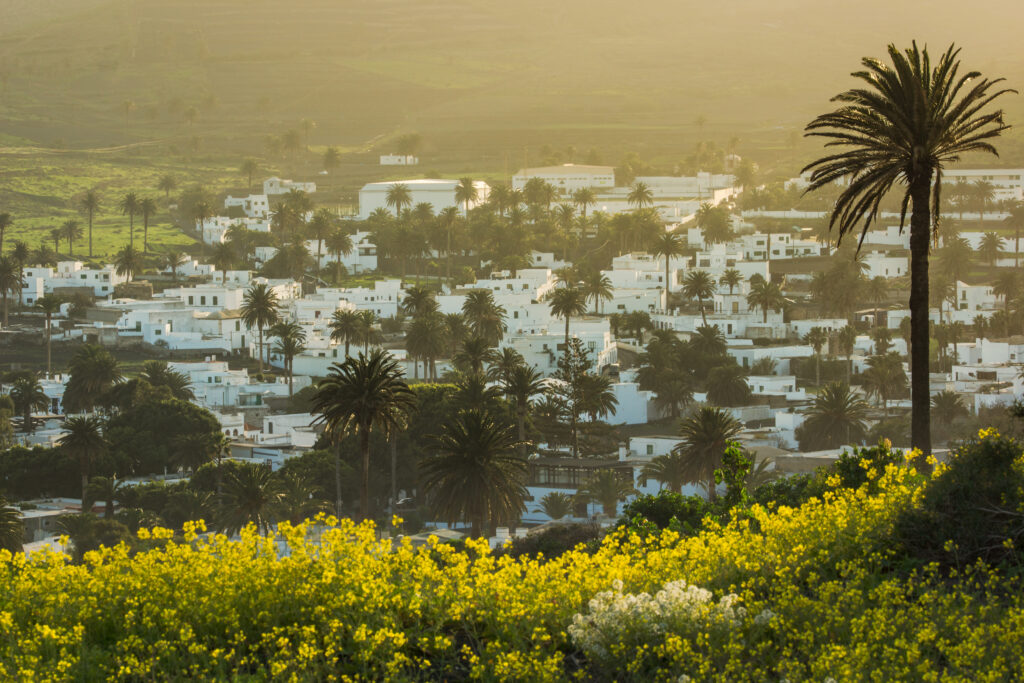
And there is something else that makes Lanzarote unique: much of its beauty is deliberately protected—and happened to be so through the efforts of a queer visionary: César Manrique. The island became a UNESCO Biosphere Reserve in 1993, recognizing its extraordinary volcanic environment and the way tourism and development have been integrated into the landscape.
An island made of volcanoes
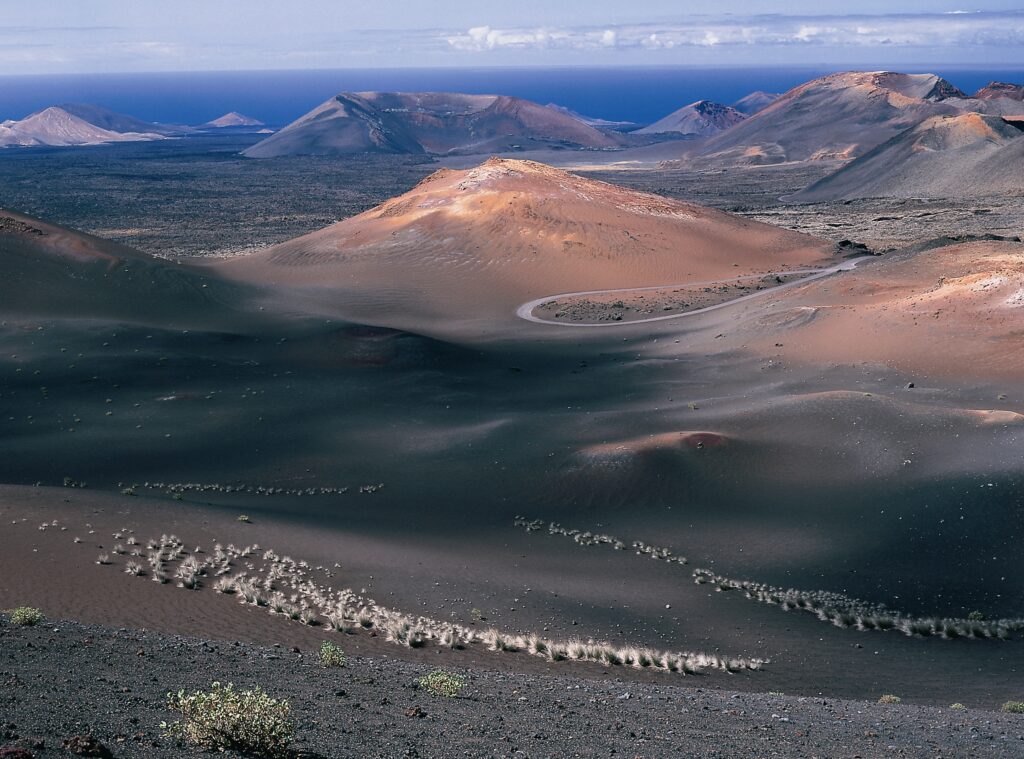
Lanzarote’s landscape is arguably its greatest attraction. The island is covered with lava fields, volcanic cones, craters, caves, and improbable formations in shades of charcoal, rust, ochre, and sage. What look like mountains are volcanoes!
The landscape was dramatically reshaped by the enormous eruptions that began in 1730 and continued for six years. More than 20 volcanoes erupted, burying huge swathes of the island and creating the extraordinary terrain that visitors see today. Later eruptions occurred in the 19th century, notably in 1824.
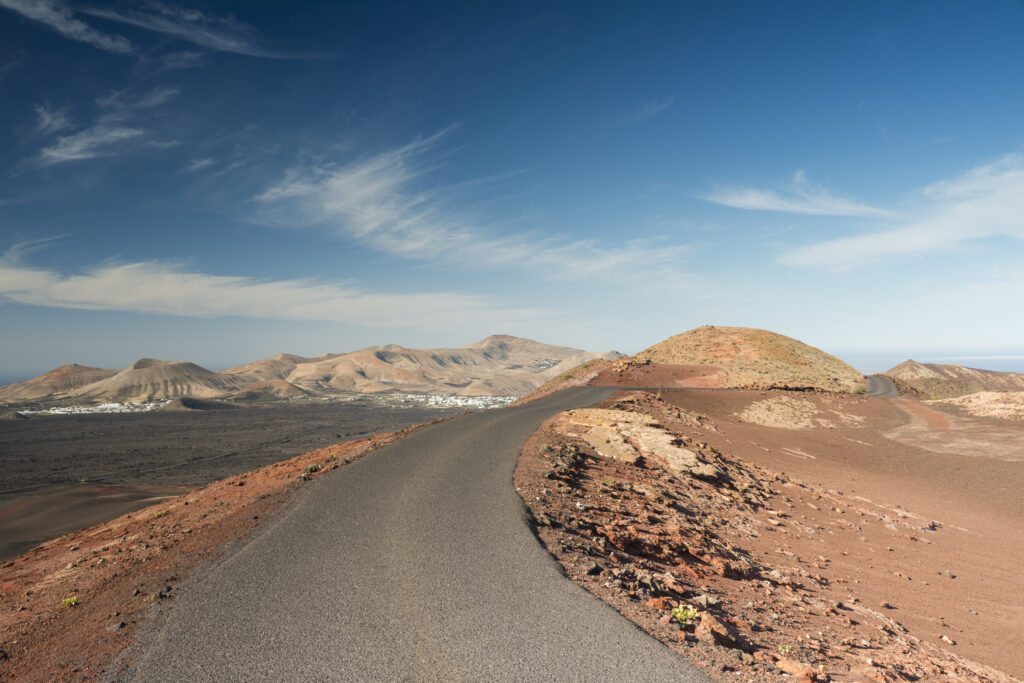
In the middle of it all is Timanfaya National Park, Spain’s only national park with a purely geological character. Drive through the Montañas del Fuego (the Mountains of Fire), and you’ll encounter a landscape of jagged lava, volcanic cones, and seemingly endless black-and-red earth. It is stark but strangely beautiful, particularly against Lanzarote’s intense blue skies and the Atlantic beyond. Timanfaya’s Volcanoes Route offers a spectacular introduction to this geological wonderland.
César Manrique: The visionary who said no to ugly
To understand modern Lanzarote, you have to know César Manrique and his vision. The Lanzarote-born artist, architect, and environmental champion saw the island’s potential long before mass tourism had transformed other destinations in Spain. Rather than developing Lanzarote to welcome capacity crowds, Manrique pursued a different philosophy: architecture should work within nature, not overpower it, and at times, humans should disappear into the landscape, with the lines and shapes of the earth preserved in their integrity.
Photos: Merryn Johns
His influence remains everywhere. White buildings, low-rise development, volcanic lava used instead of masonry, and, in some cases, lava tubes, tunnels, and bubbles used as a structural basis. His extraordinary art-and-nature attractions have become part of the island’s visual identity. Manrique is a key figure in the island’s history, and his architectural creations have preserved its natural environment.
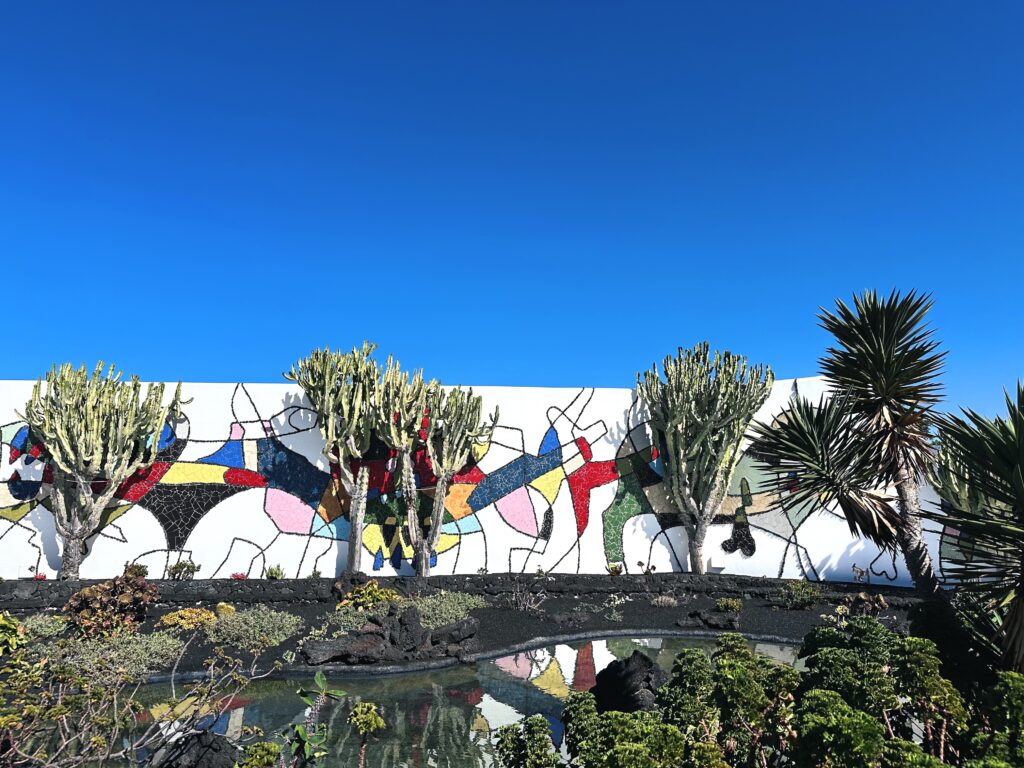
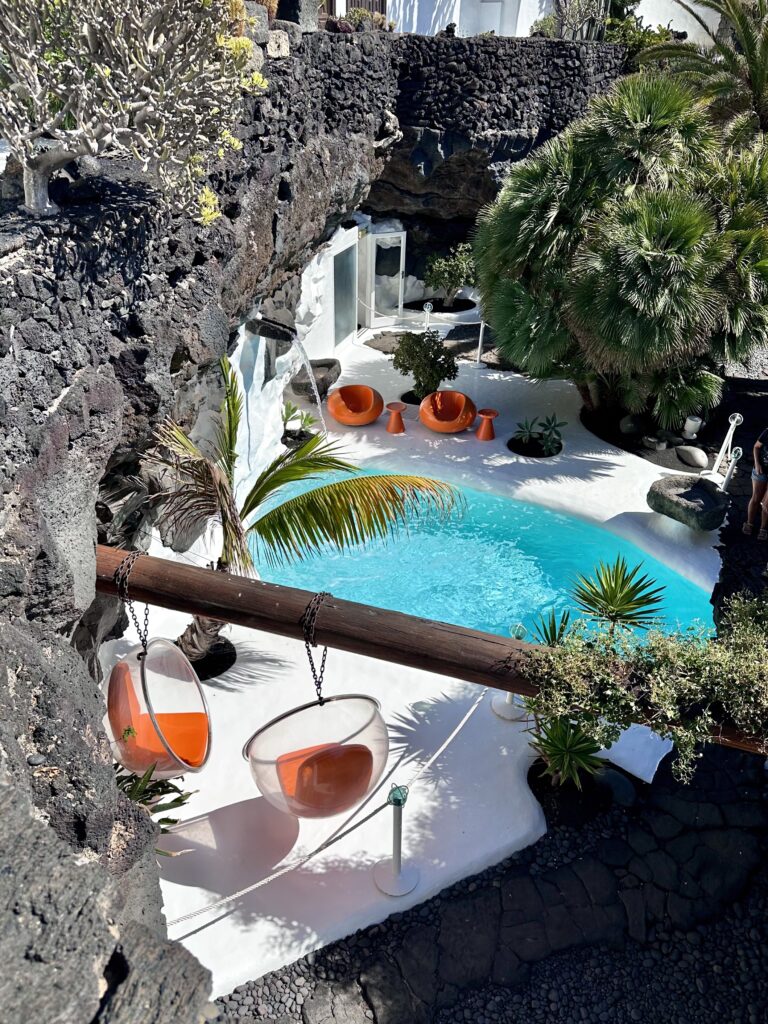
César Manrique Foundation. Photos: Merryn Johns
His former home, now the César Manrique Foundation, perfectly expresses his philosophy. Built into a lava field, the house incorporates five natural volcanic bubbles into its lower level, turning the underground spaces into rooms, gardens, and a swimming pool. It is architecture emerging from nature in an organic way.
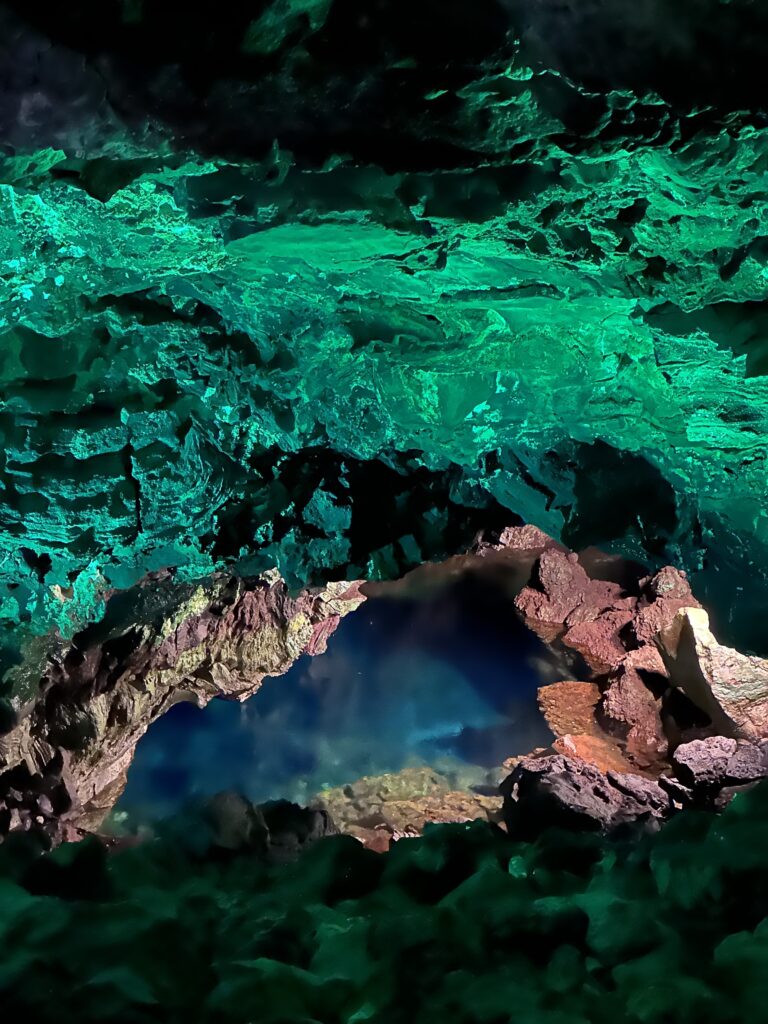
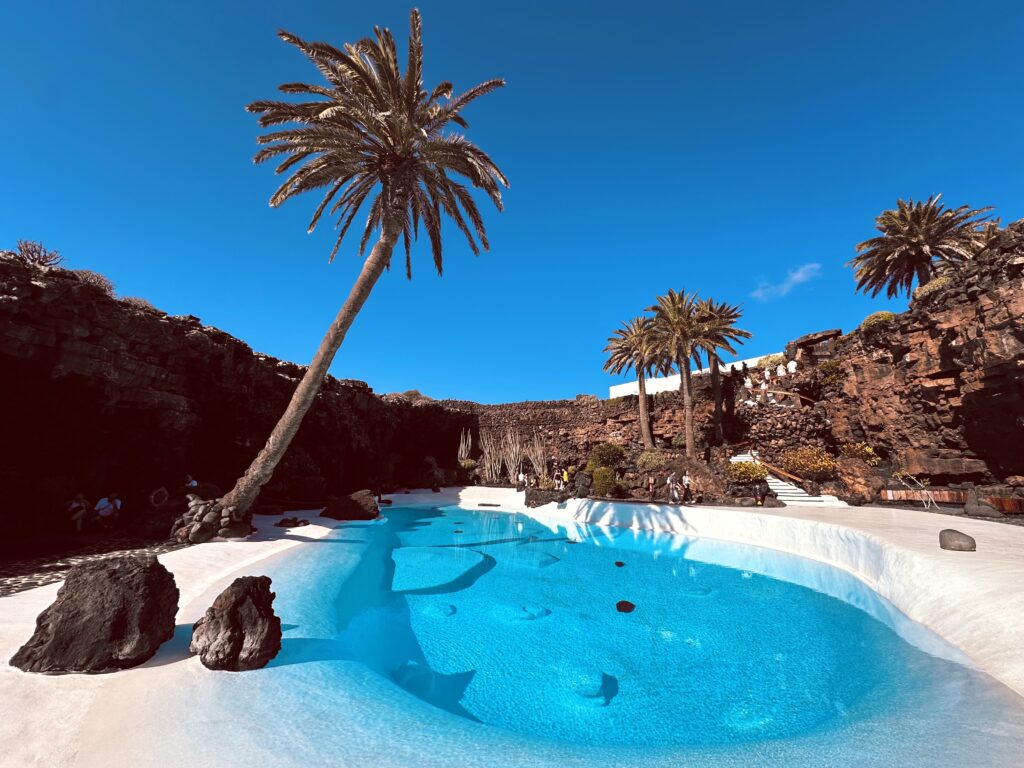
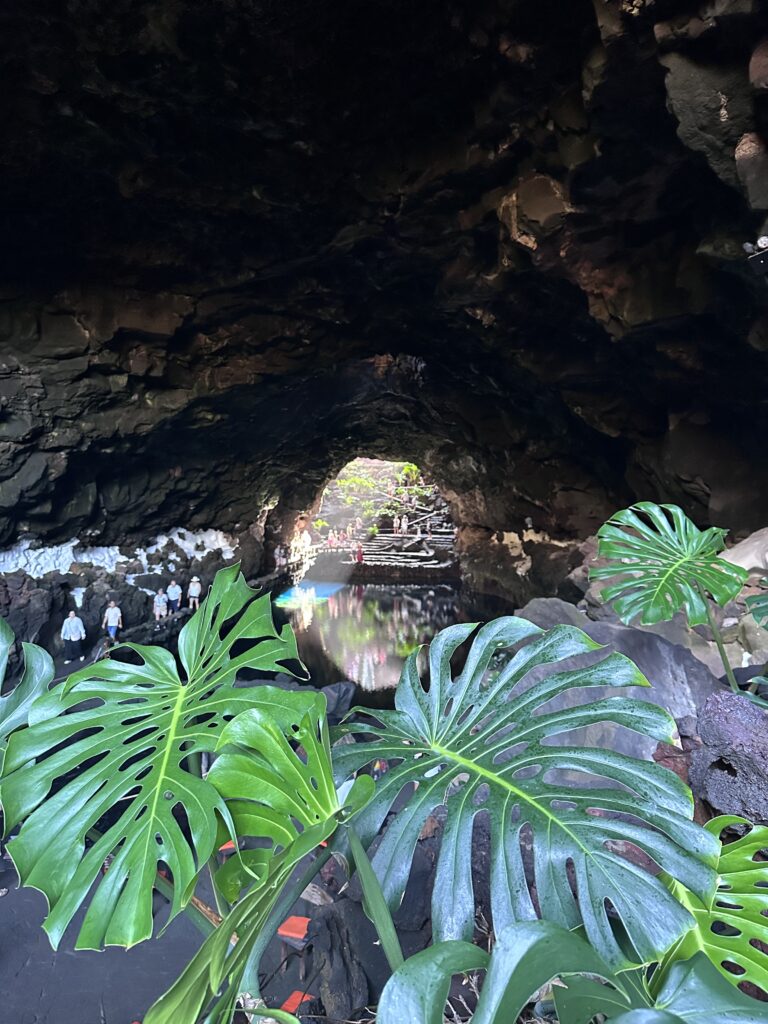
Jameos del Agua in Haría. Photos: Merryn Johns
Manrique’s environmental legacy went beyond dwellings. Jameos del Agua in Haría transformed part of La Corona’s volcanic tube into an art-and-nature complex with a natural lagoon hosting a tiny and rare form of white crab, subterranean gardens, a swimming pool, a restaurant, and an auditorium for concerts.
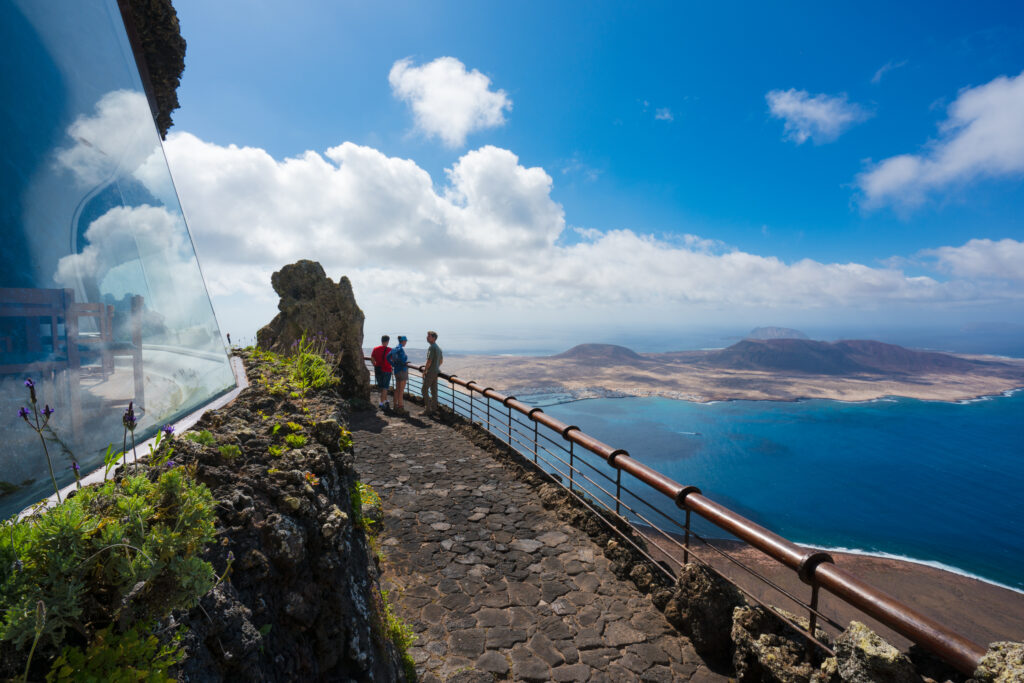
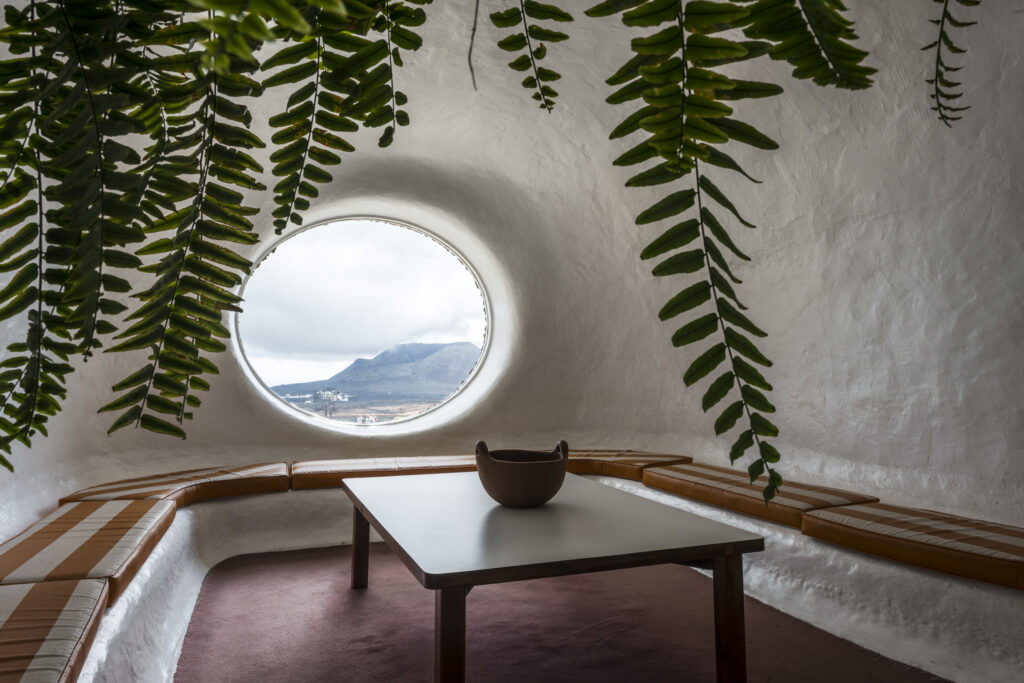
Also in Haría, Mirador del Río was built into the cliffs 400 meters above sea level, overlooking La Graciosa island and the Chinijo Archipelago.
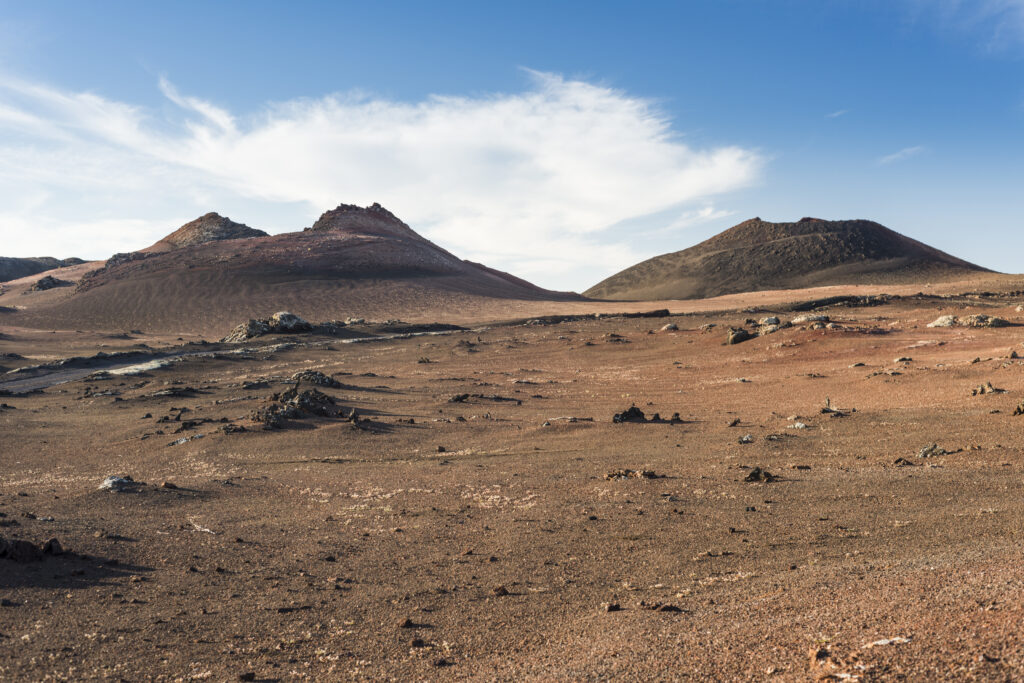
For Timanfaya, Manrique recommended that the roads snake through the park stealthily to preserve sightlines to every crater and peak. He also designed Restaurante El Diablo at the only tourist stop, using glass and volcanic stone to integrate the volcanoes as part of the experience. Food there is cooked using geothermal heat from the volcanic ground.
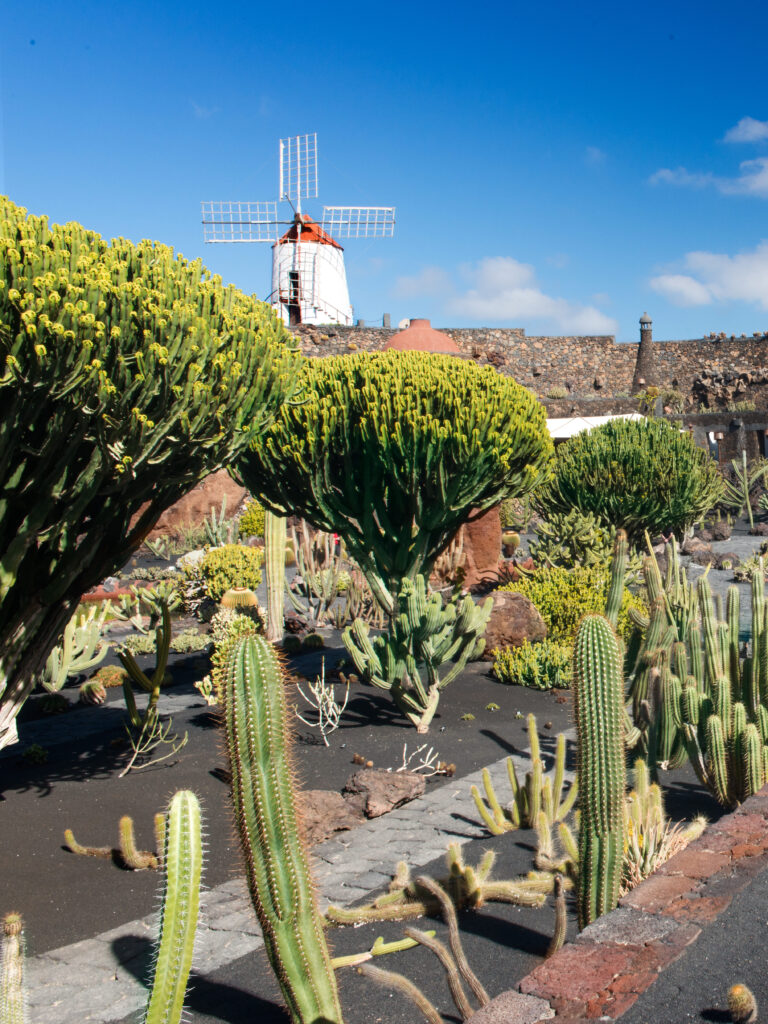
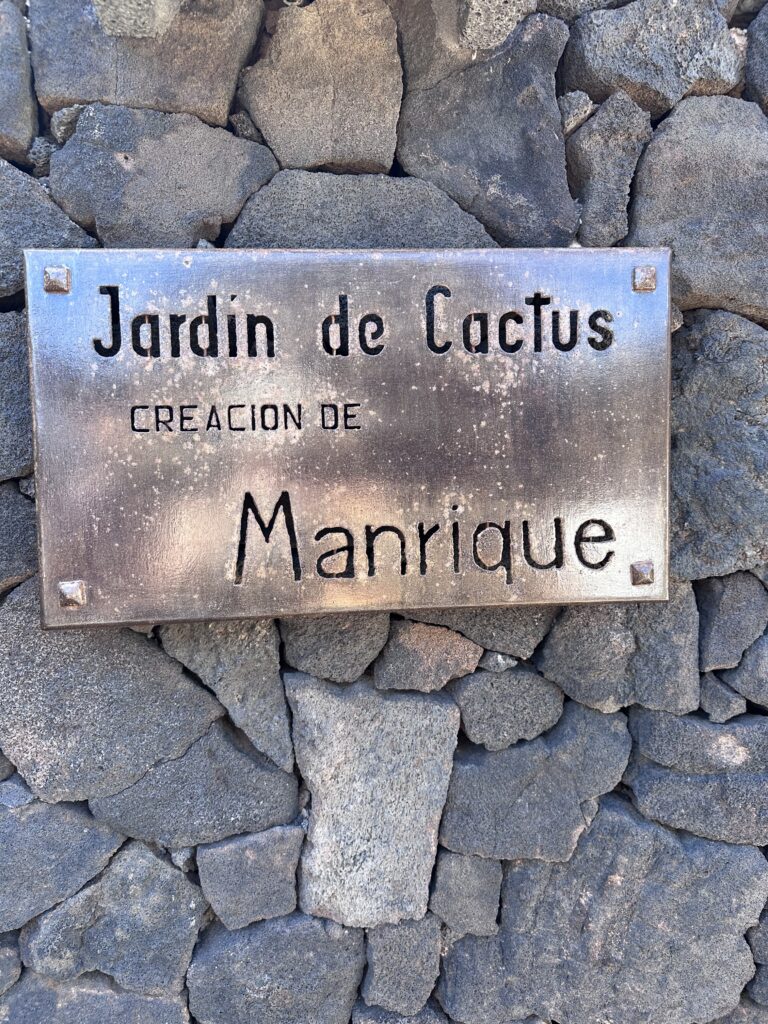
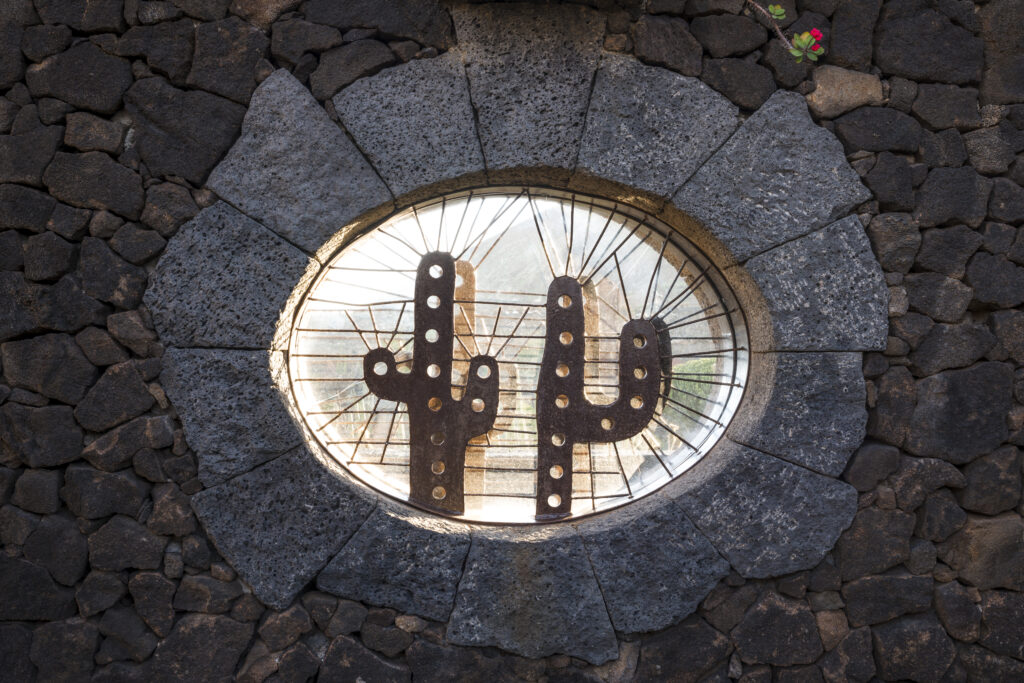
Manrique also transformed a disused volcanic quarry into a dramatic, amphitheater-like cactus garden with thousands of plants. Since his death in 1992, the foundation he established has continued its work in environmental conservation, sustainable land use, and protecting Lanzarote’s landscape and cultural heritage. He was also a member of the LGBTQ+ community, holding salons and parties with theories of eroticism and hedonism as part of his creative wellspring and a way he could react against Catholic repression. “I see eroticism as a higher degree of concentration of all human power in sensuality…in the sensitivity of living beings to be able to enjoy all the nuances life offers us.” Visiting his Foundation and studio, the vibe felt like a mix of Andy Warhol, Picasso, and Frank Lloyd Wright.
Wine among the volcanoes
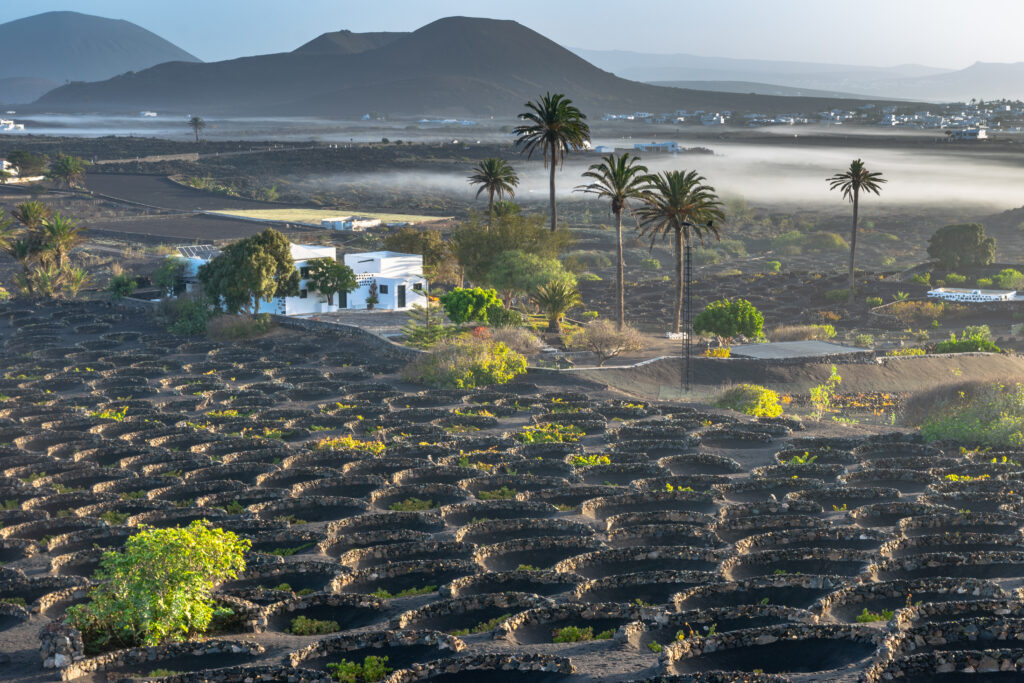
Lanzarote’s most delicious surprise may just be its wine. There are more than 30 wineries and wine producers represented by the island’s Denominación de Origen, with the main wine-growing areas including La Geria, Masdache, and Tinajo.
In La Geria, grapes grow in a moonscape of volcanic crescents. Individual vines are planted in deep hollows dug into volcanic ash, and protected from the fierce winds by curved volcanic-stone walls. The vineyards are labor-intensive: because the unusual planting system doesn’t permit mechanization, much of the work is done by hand, and grapes are harvested unusually early in the European season.
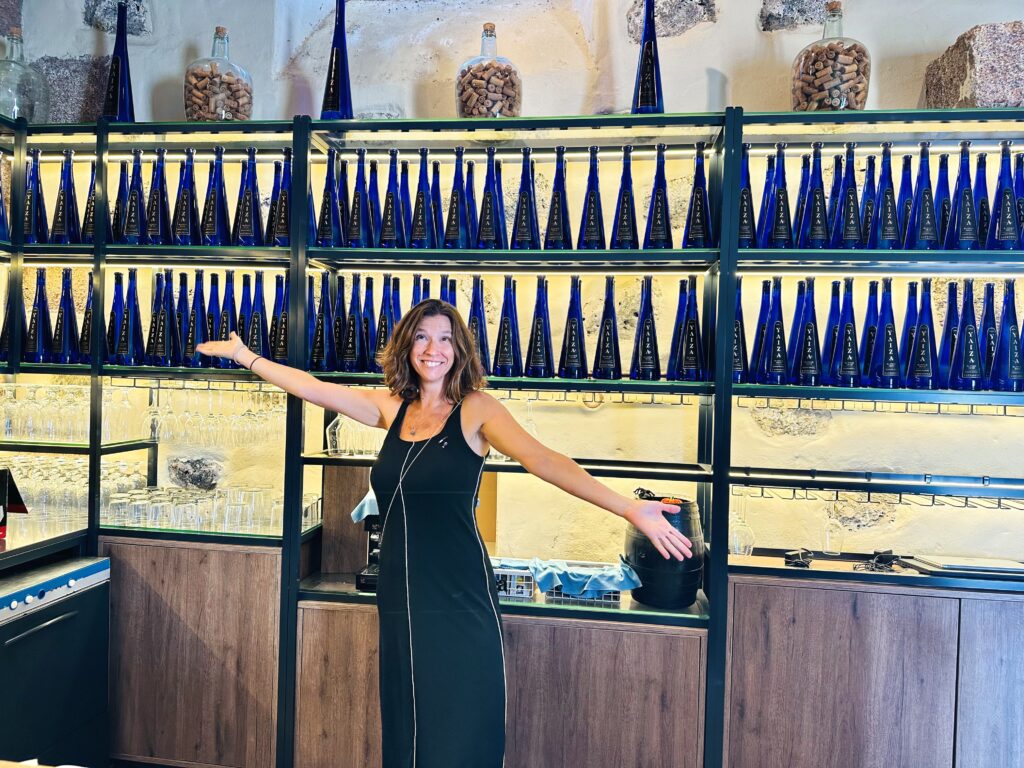
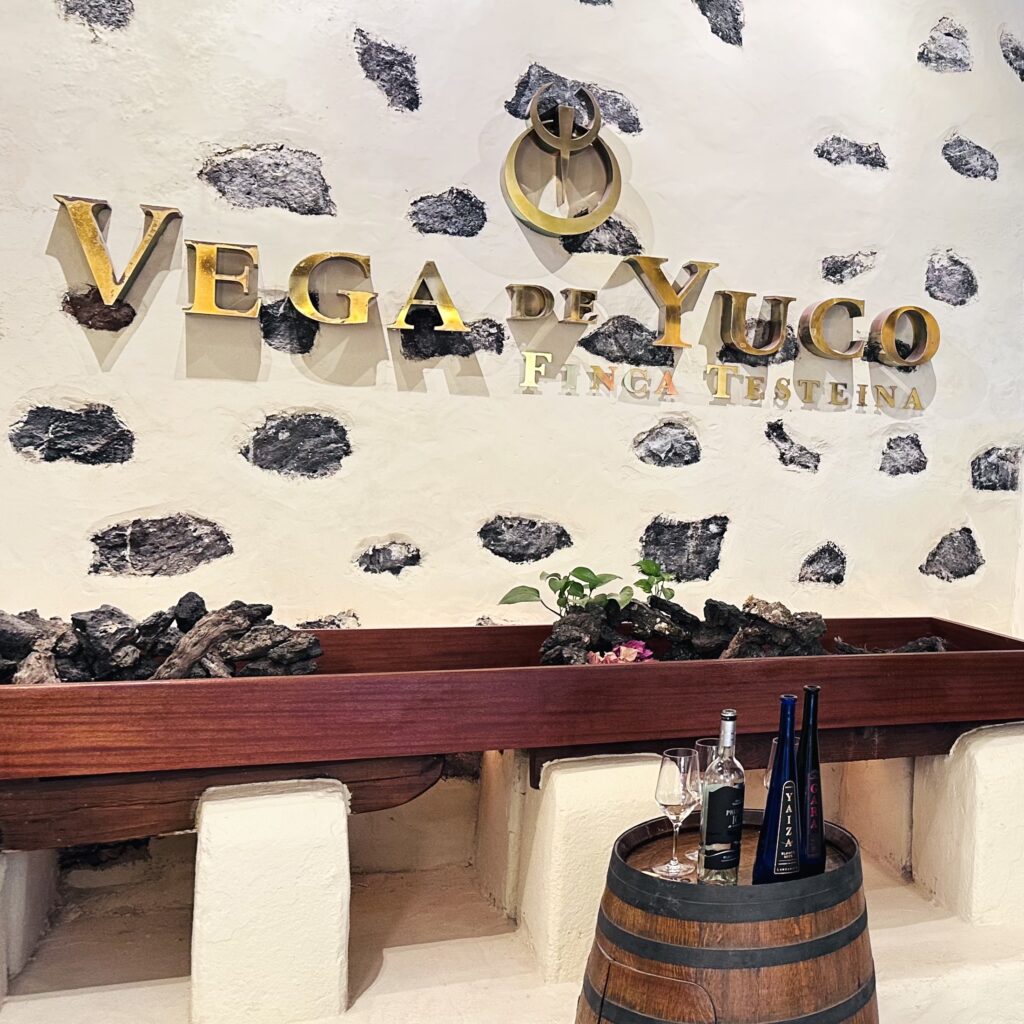
Wine tasting at the historic and friendly Bodegas Vega de Yuco. Photos: Merryn Johns
The island’s volcanic soil and traditional growing methods produce distinctive wines, with Malvasía being the star. The white wine is especially good, displaying an intense mineral character and a lip-smacking salinity that complements everything from local cheeses and seafood to sweet potato chips. For a first taste, visit the historic and friendly Bodegas Vega de Yuco.
The winery produces over 20 different labels under the Vinos de Lanzarote designation. It regularly receives international recognition, including accolades at the International Volcanic Wine Awards and high scores (such as a Silver medal for Princesa Gara) at the Decanter World Wine Awards. The iconic blue bottle from Bodegas Vega de Yuco is Yaiza (part of their Esencia Yaiza collection), and you’ll see it in the best restaurants across the island.
Your tropical oasis: Hotel Fariones
For an indulgent Lanzarote stay, Hotel Fariones in Puerto del Carmen makes an especially good base. The island’s first hotel, dating to 1966, has been reinvented as a five-star property while retaining its connection to Lanzarote’s history. It reopened in 2020 with contemporary interiors and 213 large, sea-facing rooms with balconies—some with outdoor hot tubs!


The property’s main attraction, along with its flamboyant design sensibility and nod to its 1960s original aesthetic, is its location. Hotel Fariones sits directly on the prime Atlantic coast with access to three beaches, including a small golden-sand cove at your feet. It’s lovely for safe swimming and is accessible with your room key. The hotel’s manicured, terraced tropical gardens create a surprisingly lush oasis against Lanzarote’s starker landscape. The infinity pool sits amid lush gardens, and a tropical orchid house is on the grounds.
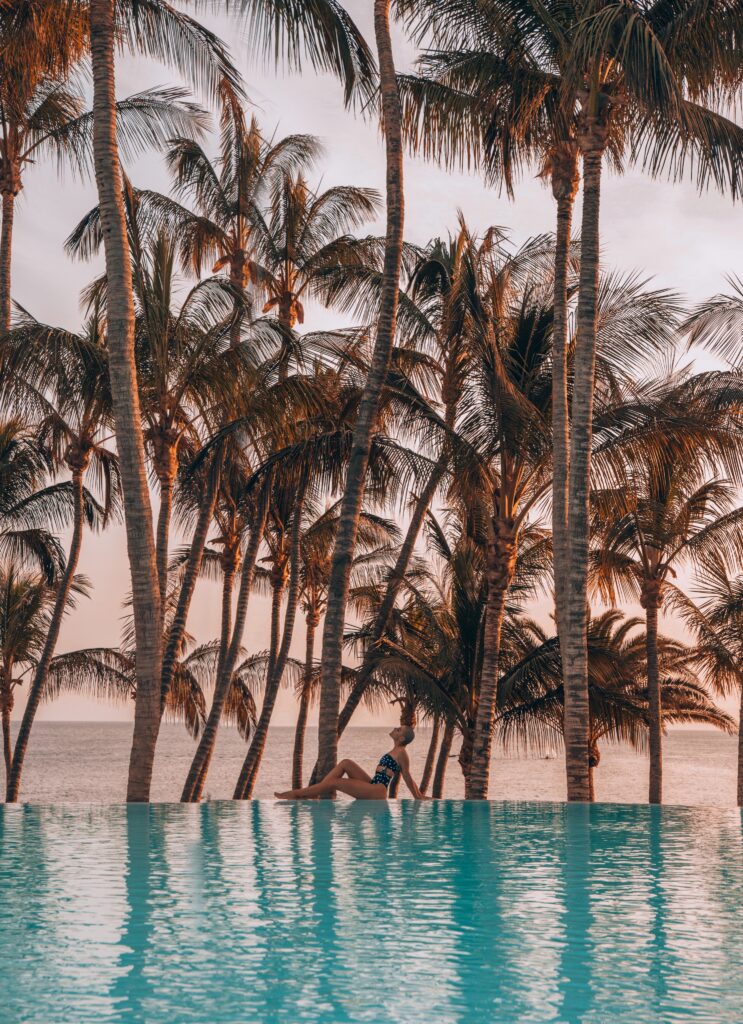
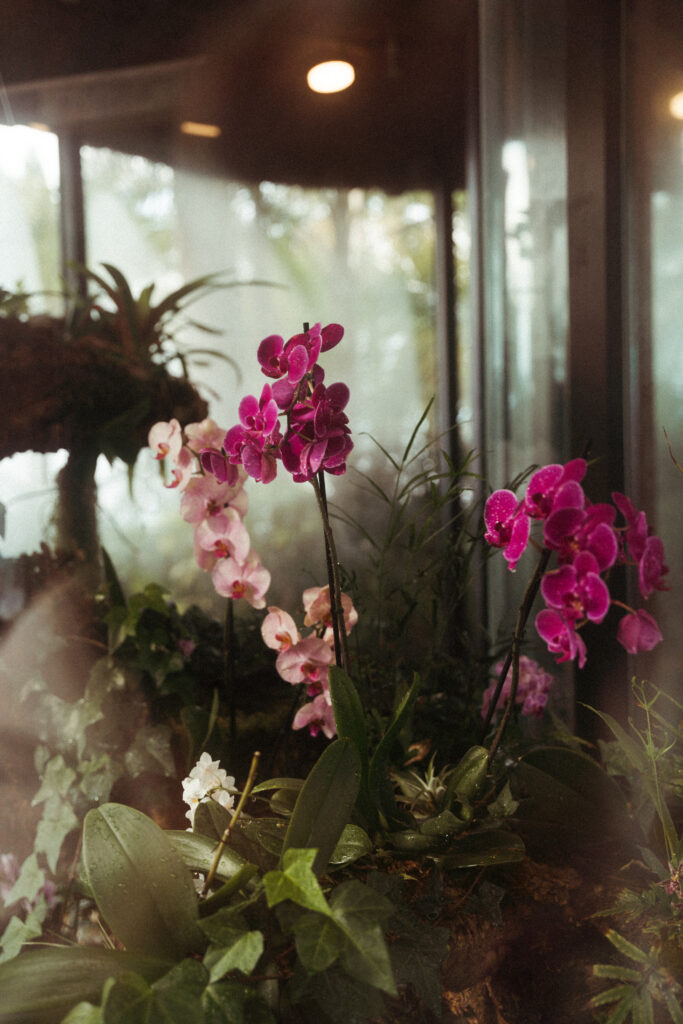
As you gaze out over the ocean, you may notice golden dust in the air that, by afternoon, may have tinted the vibrant blue skies sepia, adding a nostalgic glow to your day’s end. This is calima—fine sand and minerals carried by strong winds from the Sahara Desert, high into the atmosphere.
Loved by couples for its luxury and beachfront location, see more photos, read the reviews, and check availability at Hotel Fariones here.
Todo y más: Melia Paradisus Salinas Lanzarote
For a different kind of escape, Paradisus by Meliá Salinas Lanzarote offers an adults-only, all-inclusive resort experience on a grand and luxurious scale. The property combines its sprawling oceanfront setting with a massive swimming pool, lush gardens, wellness facilities, multiple restaurants, and a club-like experience, making it especially appealing if you want to arrive, unpack, and largely forget about logistics. As grand as the property is, it also offers plenty of quiet corners for a glass of wine, coffee, conversation, games, music, or simply enjoying your surroundings.
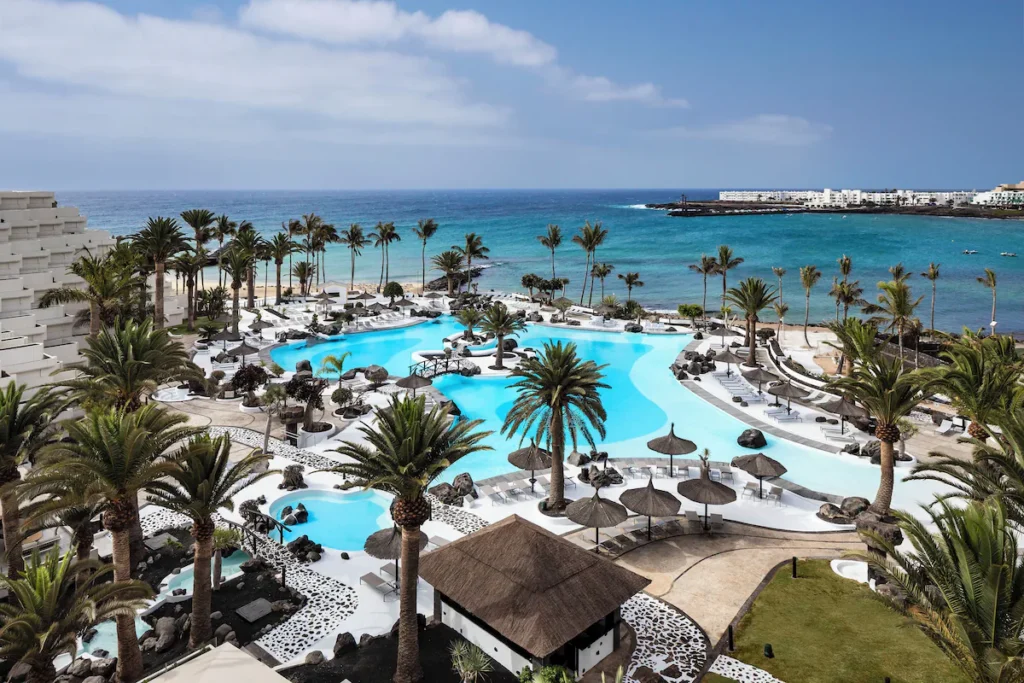
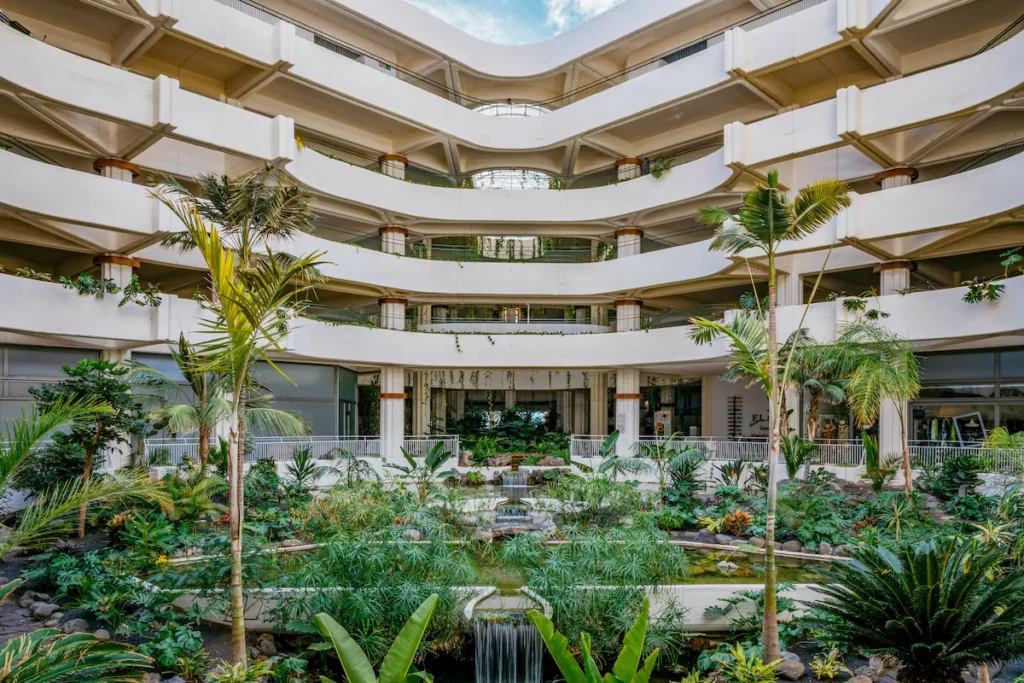
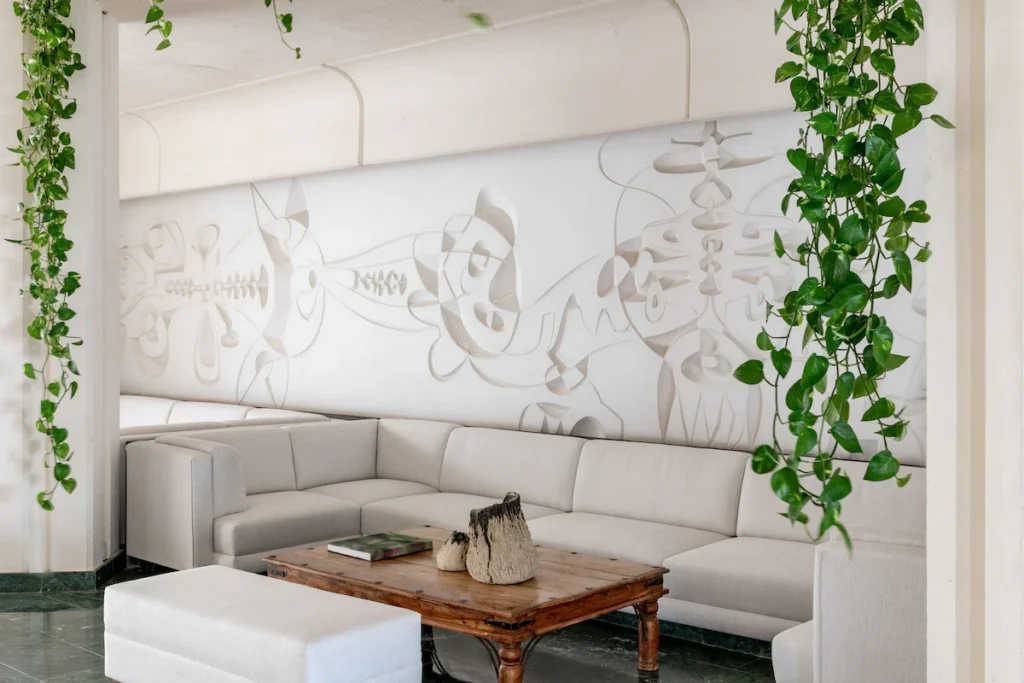
Its design is also very Lanzarote: the architecture and gardens reflect the island’s organic, volcanic character—even when you don’t leave the resort. For travelers who want a quieter, more self-contained resort stay with everything you need right there, this is a good place. It’s right on the beach and offers a full-service spa, an airport shuttle, multiple international-themed restaurants, suites with in-bath and balcony jacuzzis, and a discerning atmosphere that will have you rethinking what you know about “all-inclusive.” See all the photos, read the reviews, and check availability here.
Going Out
For those staying at Hotel Fariones, you’re within walking distance of all the action, since Puerto del Carmen is where much of Lanzarote’s nightlife is concentrated. While the only gay bar, XXL, has closed, other nightlife is within easy walking distance, including Guapatini’s and Betty Boop’s Showbar, both of which have drag shows, karaoke, and cabaret.


Long Beach Club is the place to go for relaxing with an upbeat vibe, toes in the sand, cocktails, and DJs. The food is tapas and is best enjoyed family-style, but it’s not really why you’ll come here. It’s the lively, vibrant atmosphere and that unbeatable combination of music, booze, sunset, and a sea breeze as the moon rises over the ocean.
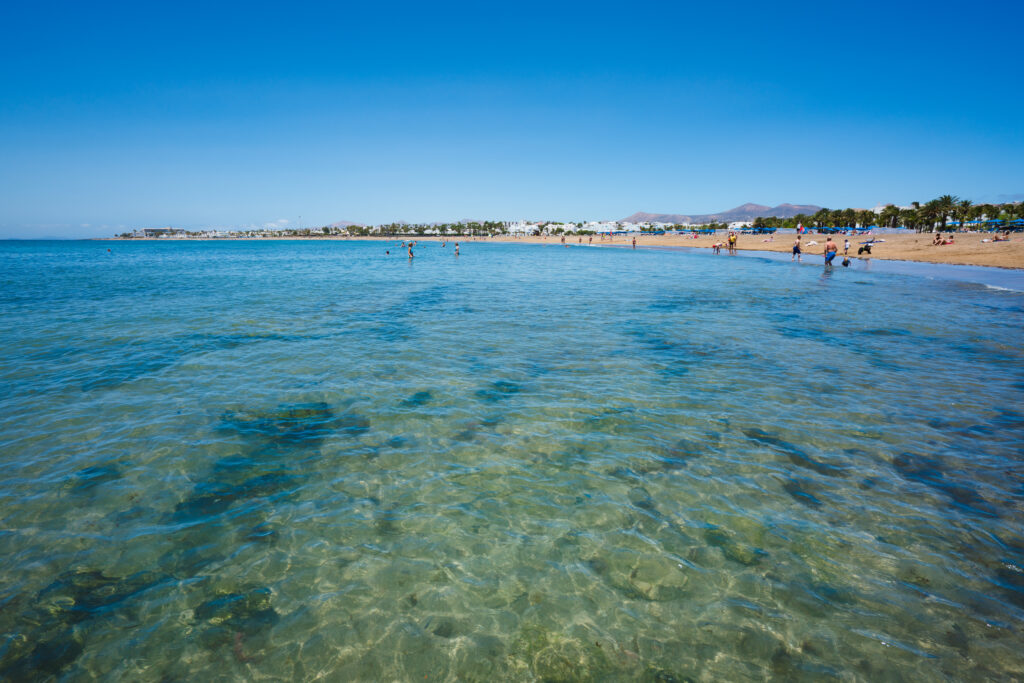
And if this isn’t your speed, a stroll along Playa Grande in Puerto del Carmen puts everything at your fingertips, from Asian restaurants to Irish Pubs. Just look around and pick what suits your taste and mood.
Gastronomía tradicional y nueva
Traditional Canarian gastronomy is known for its simple, fresh, and resourceful use of local ingredients from the volcanic islands and the Atlantic Ocean. It can seem modest and unusual, almost plain on the plate. It’s always delicious. At other times, the color and presentation burst forth like a painting by Joan Miró.
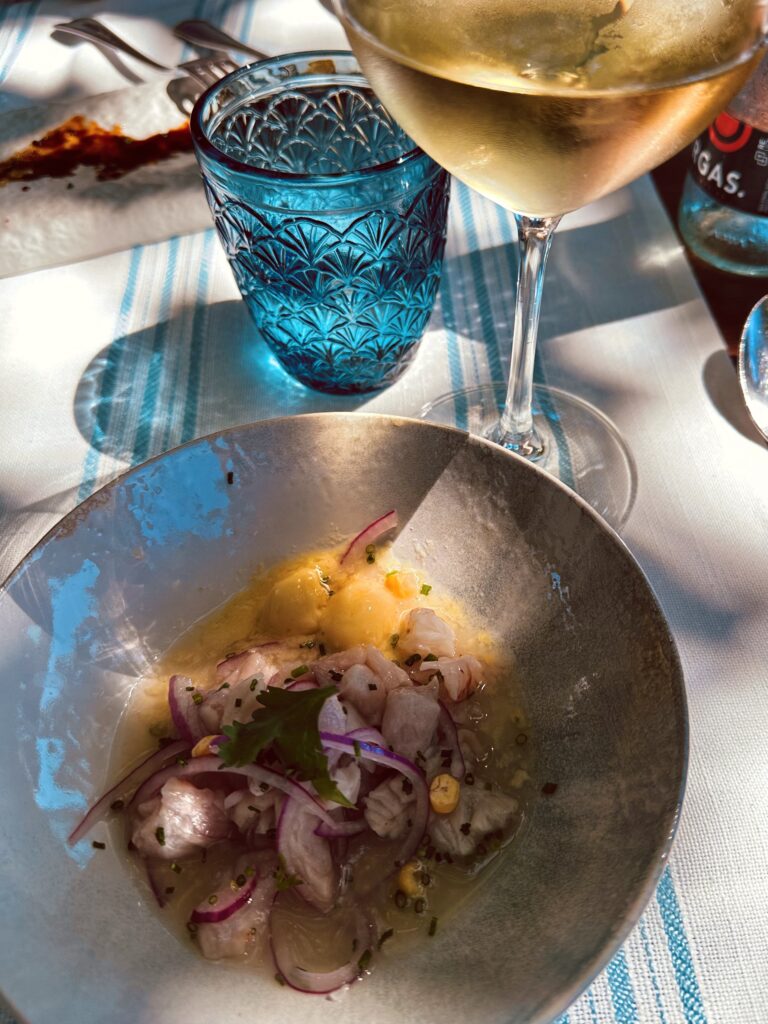
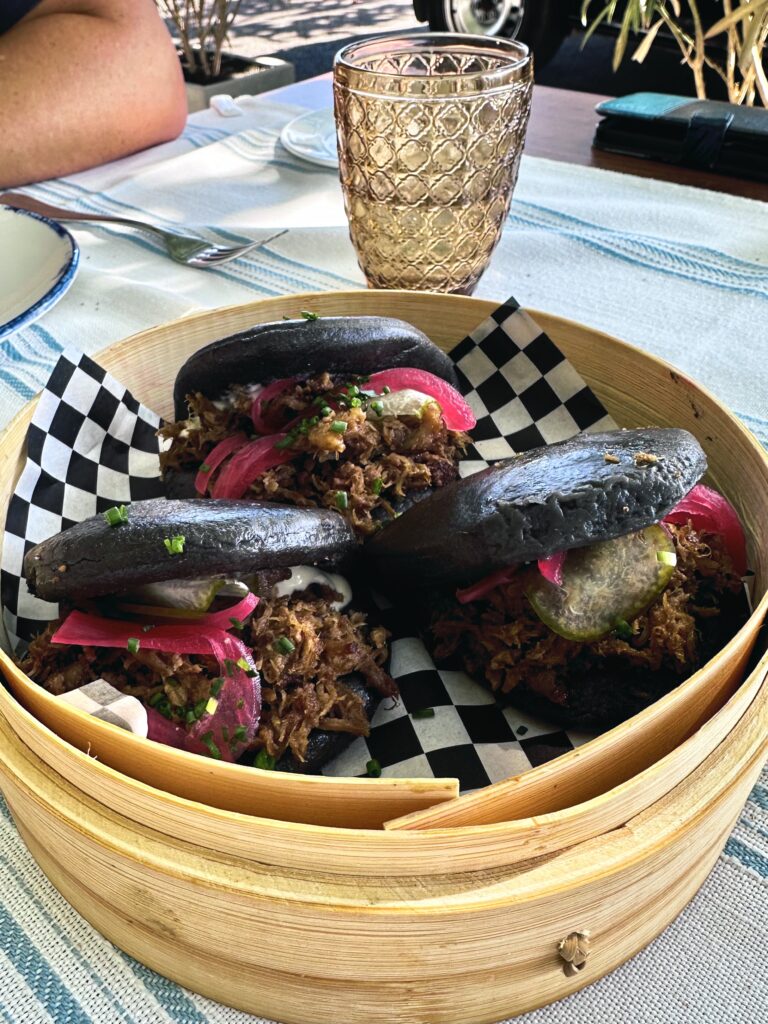
In Lanzarote, the hotels serve excellent food and wine that match the standards of mainland Spain. My meal at Hotel Fariones was an elegant, innovative take on local delicacies such as Grouper and Papas Arrugadas con Mojo (tender fish with small potatoes served with fiery red mojo picón and garlicky green mojo verde sauces). The creamy goat cheese (queso de cabra) appetizer was outstanding. The Italian restaurant at Melia Paradisus Salinas also served excellent and elegant pastas, and the wine list was extensive; the service was attentive.
For traditional fare with flair, I have two picks on the island. La Bodega de Santiago in Yaiza is the spot for a late, leisurely Spanish lunch in a romantic, traditional setting: a historic manor with an outdoor terrace shaded by a giant old fig tree. Here, you can try ropa vieja (a hearty meat-and-chickpea stew) and many other dishes, and take your time. Lunch is the main meal of the day and might start at two or three p.m. and last for hours.
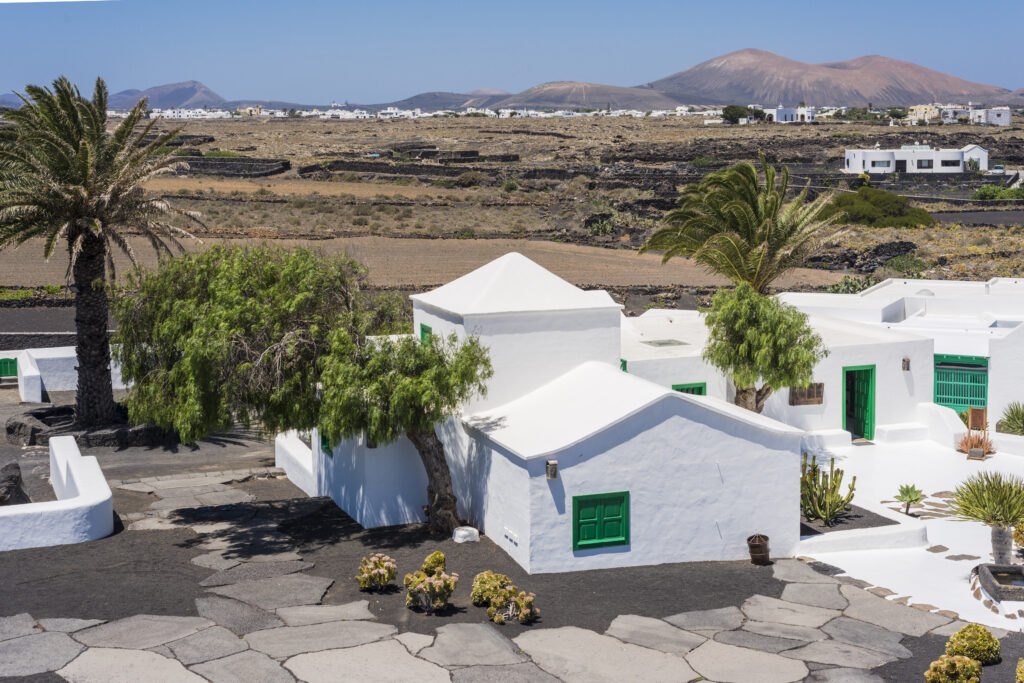
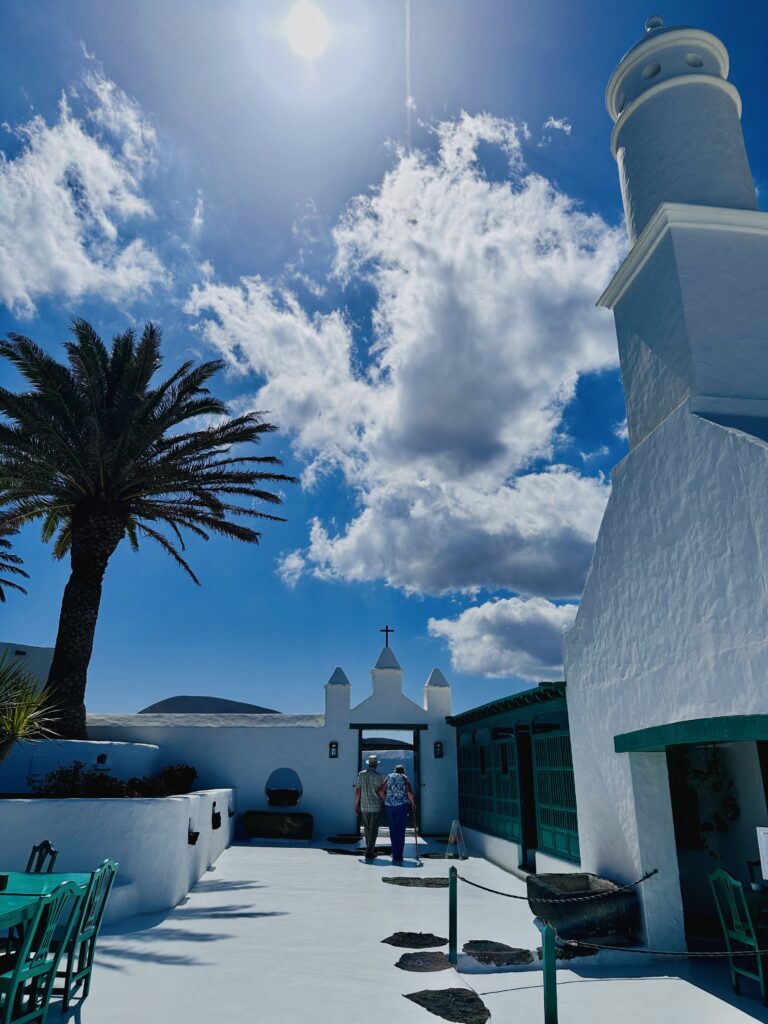
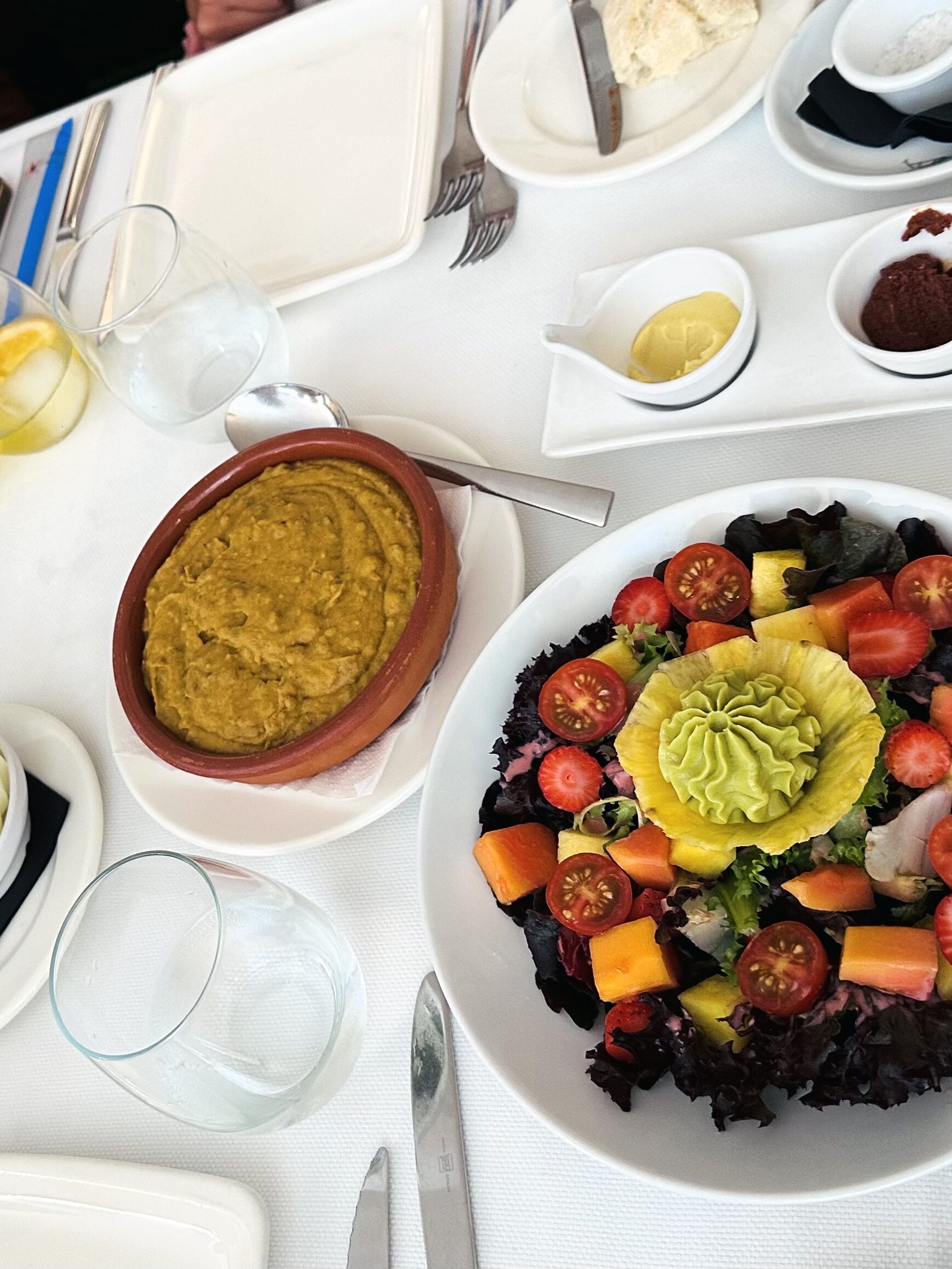
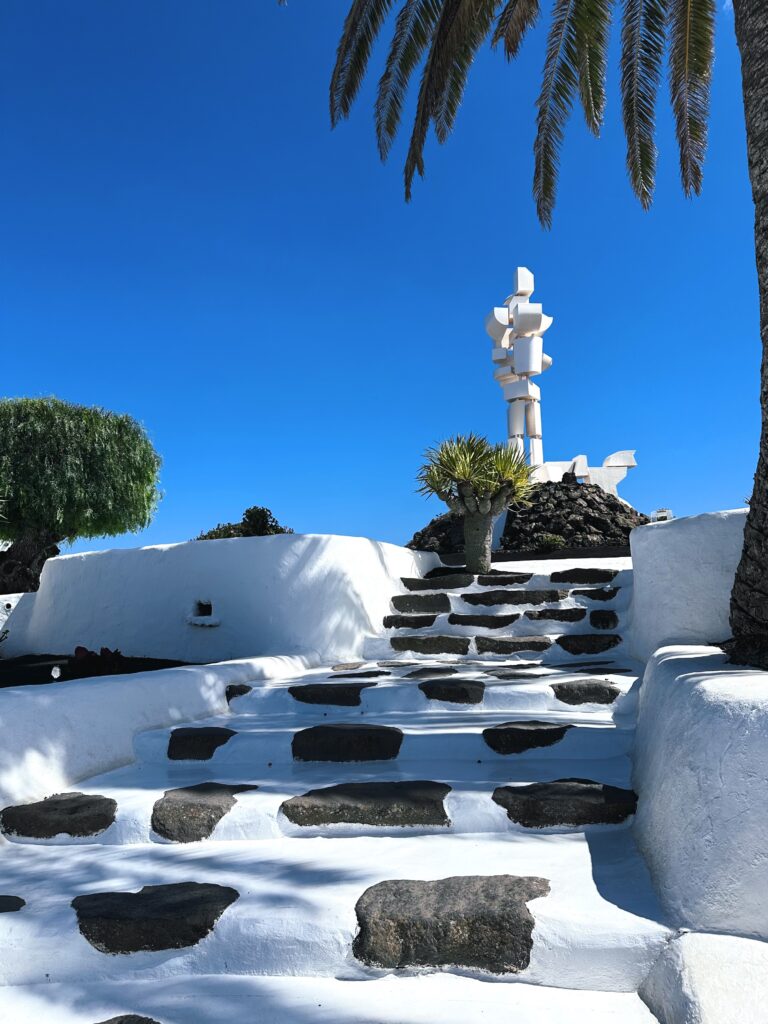
Restaurante Casa-Museo del Campesino. Photos: Merryn Johns
Restaurante Casa-Museo del Campesino sits at a prominent roadside roundabout in the island’s geographical center (Mozaga/San Bartolomé). César Manrique designed this cultural complex to honor local agricultural traditions and authentic Canarian cuisine—think starchy, filling gofio; baked rabbit with sweet potato; or a slow-cooked goat casserole—along with a robust selection of local beers, soft drinks, and wine.
Don’t Overlook Arrecife
The capital of Lanzarote, Arrecife, is not necessarily a must-do, but it is a different side of the magic of Lanzarote, and it does have a couple of absolute gems: Castillo de San Gabriel is worth a visit to get insight into 16th-century Spain.
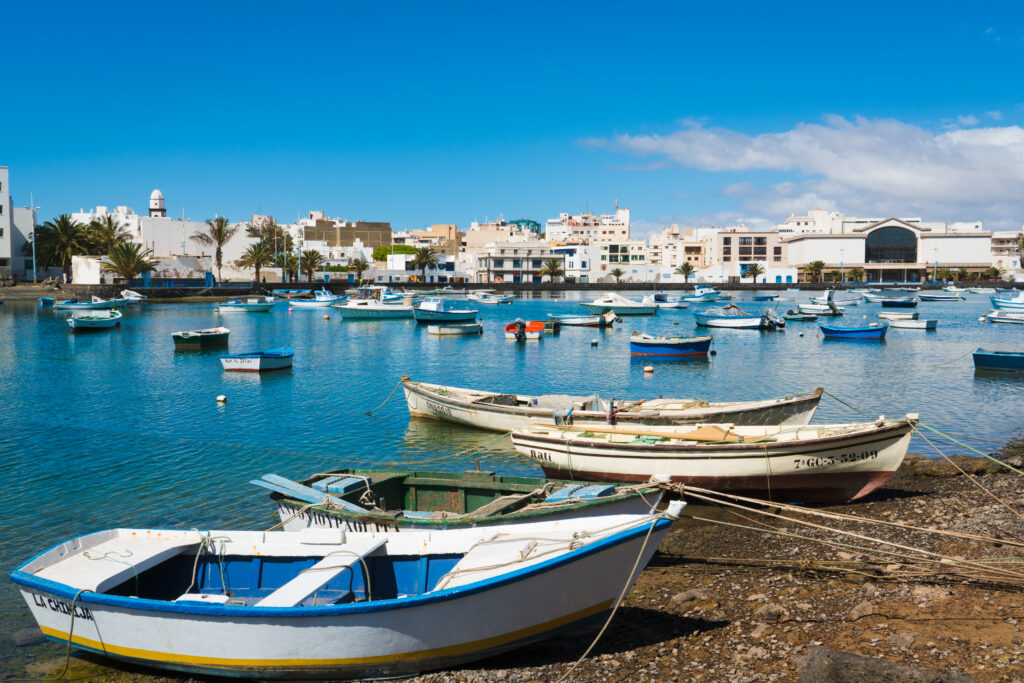
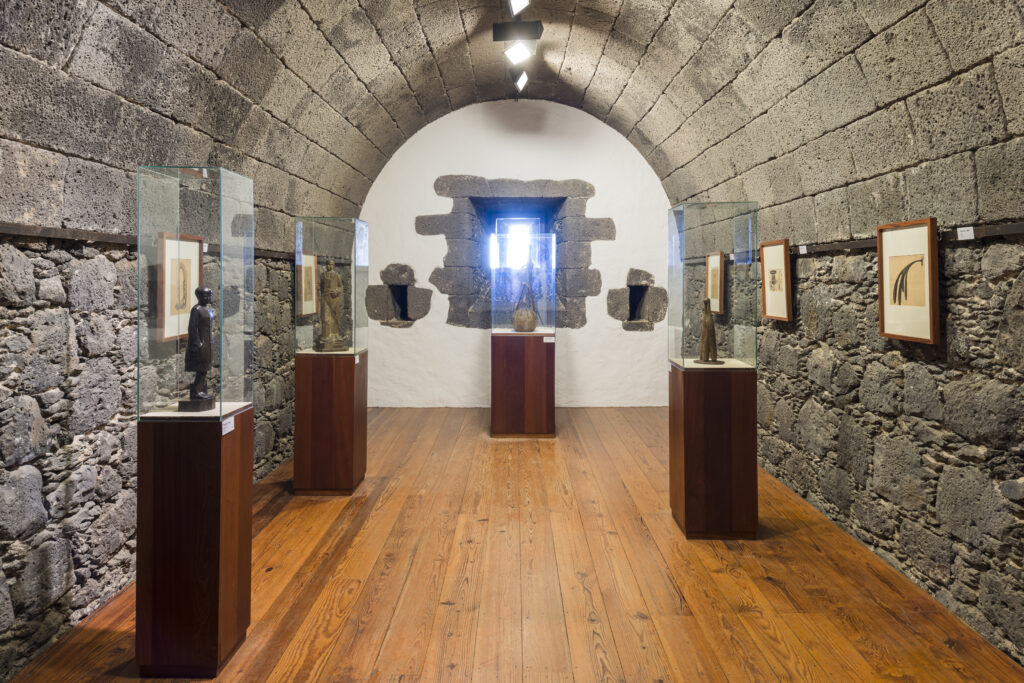
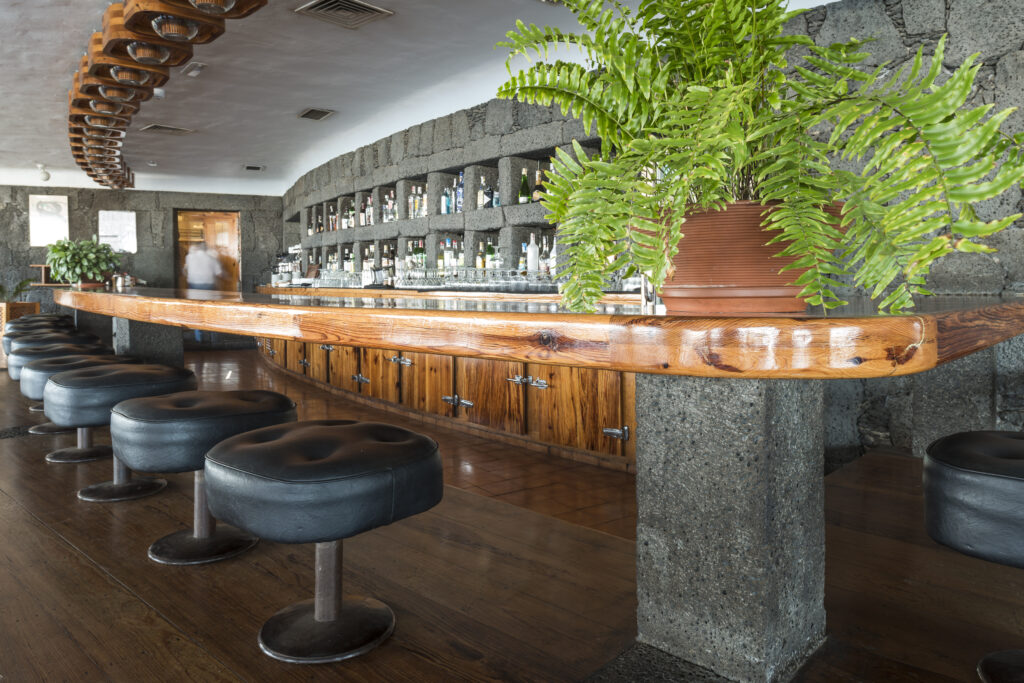
Arrecife. Photos: Turismo Lanzarote
Inside is the Museo de Historia de Arrecife, which displays local artifacts, historic documents, and exhibits on the island’s past. Built on a small islet just off the coast of Arrecife, it overlooks the reef after which the city is named.
Continue to the modern gallery to peruse wonderful contemporary art, then get a table at the Castillo de San José Restaurant, where each dish is fresh, local, and a work of art. MOMA, eat your heart out.
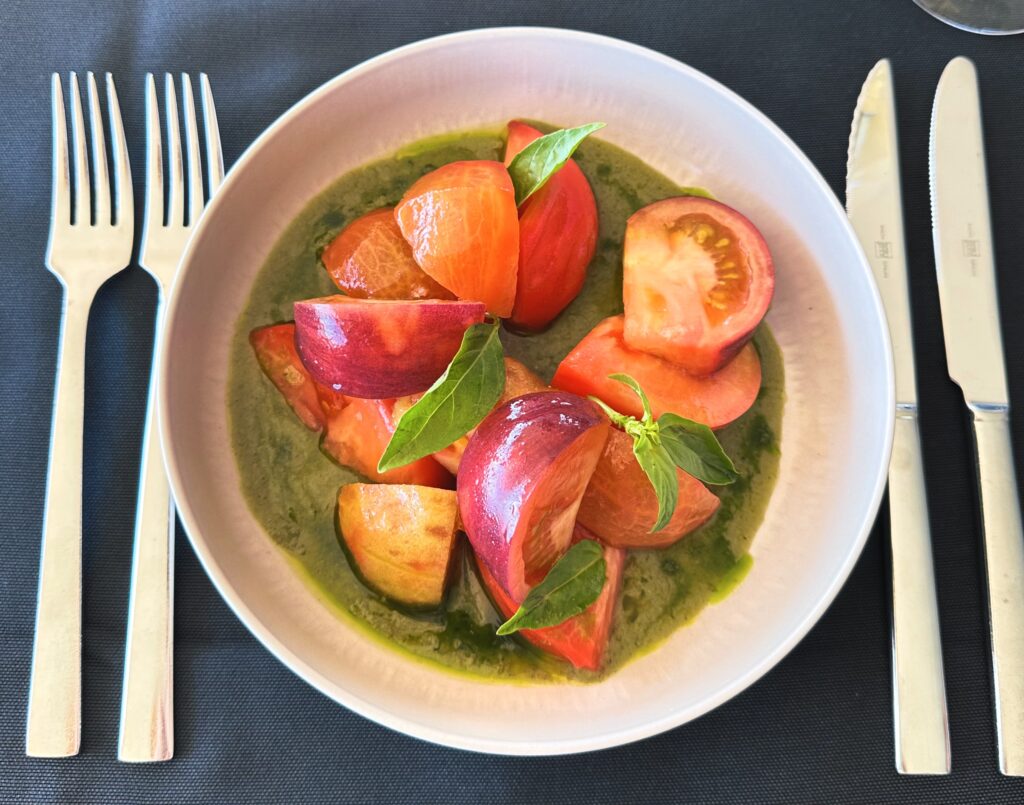
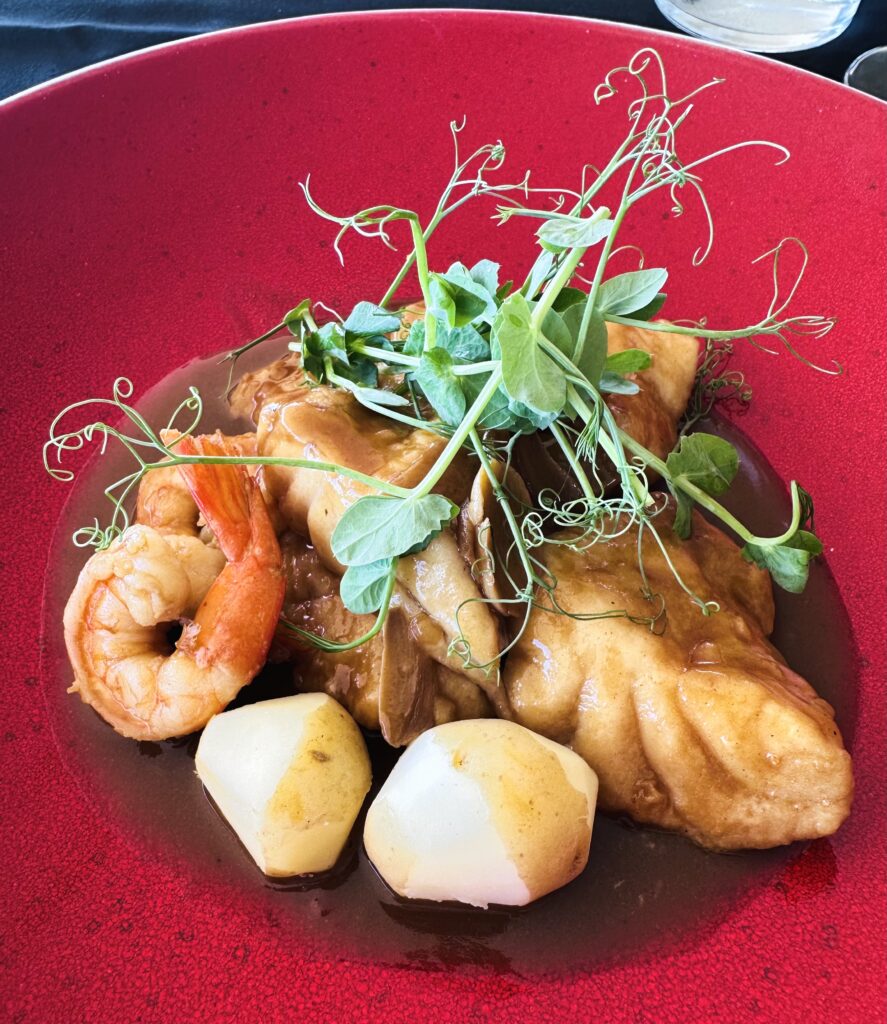
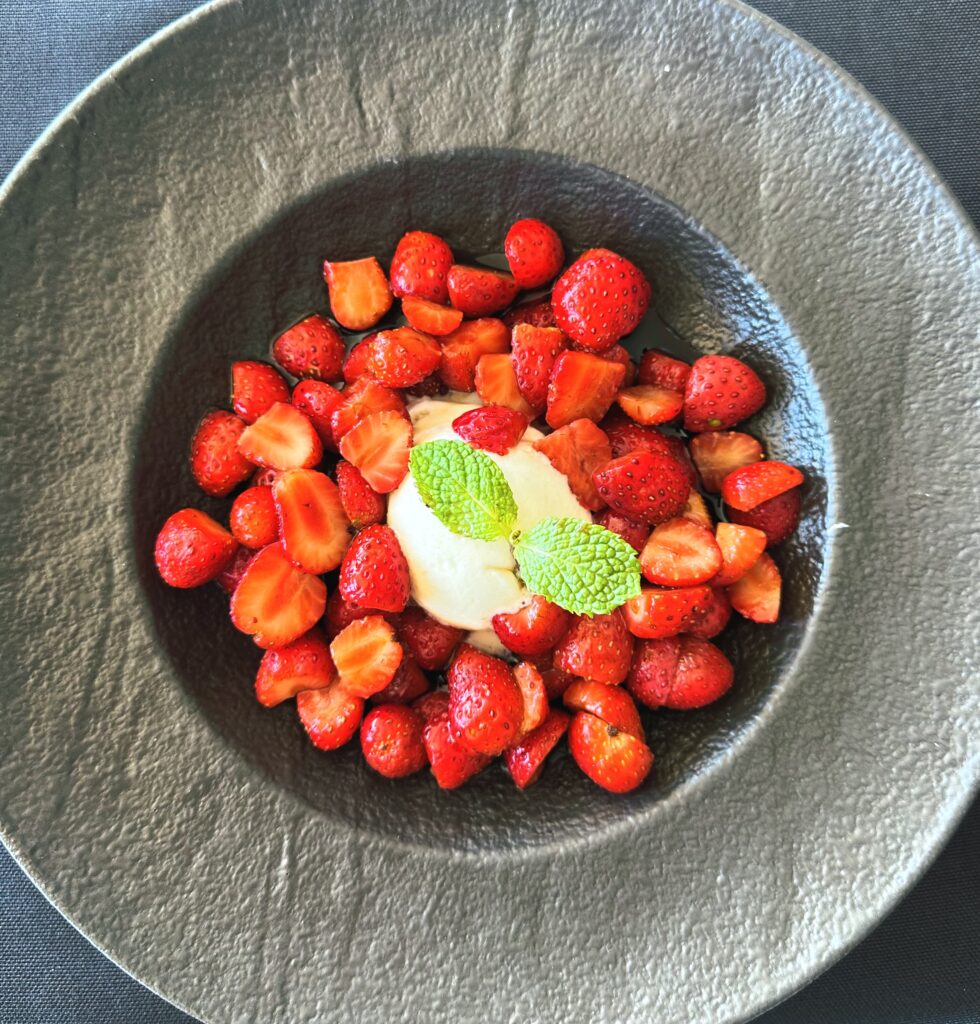
Colorful, modern takes on Canarian classics at Castillo de San José Restaurant. Photos: Merryn Johns
We sat there, gazing out at the port and enjoying perfectly chilled wine, and exceptional appetizers, entrees, and desserts, some prepared tableside with great flourish. It was at this moment that I felt very ambivalent about leaving to go home to the opposite type of island: Manhattan.
Getting to Lanzarote
Getting to Lanzarote from mainland Spain is easy. Madrid-Barajas has direct service to César Manrique-Lanzarote Airport (ACE), including flights operated by Iberia, with schedules varying by season. Aena currently lists Madrid as one of Lanzarote’s direct destinations, while Iberia sells nonstop Madrid–Lanzarote flights. The flight from the mainland takes roughly three hours, and once you arrive, the island’s compact size makes it practical to explore by rental car or taxi.
Know Before You Go
H2O is scarce on the island, and the tap water comes from desalination. It’s not recommended that you drink it in large quantities. Buy bottled water and use a sustainable bottle that also insulates it from the sun and heat.
The best time to visit is during the shoulder seasons, September to November and April to May. During these months, you will experience the ideal balance of warm weather, minimal rainfall, lower winds, and fewer crowds compared to the peak summer and winter rush.
Lanzarote is famously breezy, which is great for windsurfers but can feel intense at times. The trade winds die down during autumn, offering calmer, peaceful beach days, and that’s when we visited, so the weather was perfect.
Find out more and plan your trip here.