
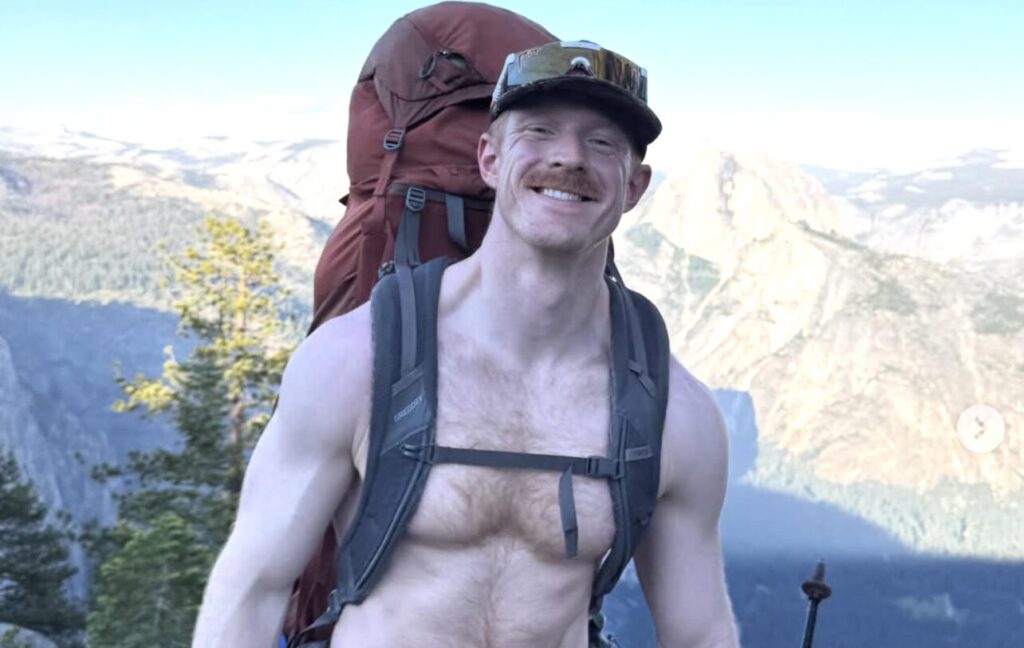
A Queer Guide to Hiking and Mountaineering
For LGBTQ travelers, adventure travel is booming. Claiming peaks is one of the latest ways to feel and demonstrate Pride, but it’s important to do it safely.
Mountains have always promised something cities cannot: perspective, challenge, silence, and the thrill of reaching somewhere only your own determination can take you. Yet in recent years, the risks have become impossible to ignore. Fatal accidents on Everest, deadly heat on famous European trails, unpredictable weather in North America, and the recent avalanche tragedy in Pakistan have all highlighted a simple truth: the world’s most spectacular landscapes are becoming more popular precisely as climate change is making them less predictable.
Having said that, across the globe, queer hiking clubs, mountaineering organizations and outdoor festivals are creating welcoming spaces where community is every bit as important as reaching the summit. Whether you’re dreaming of following in Jonathan Bailey’s footsteps—he’s conquered the Three Peaks Challenge in the UK, Everest Base Camp and Kilimanjaro—there’s never been a better time to find your trail, provided you prepare wisely.
The World’s Bucket-List Hikes
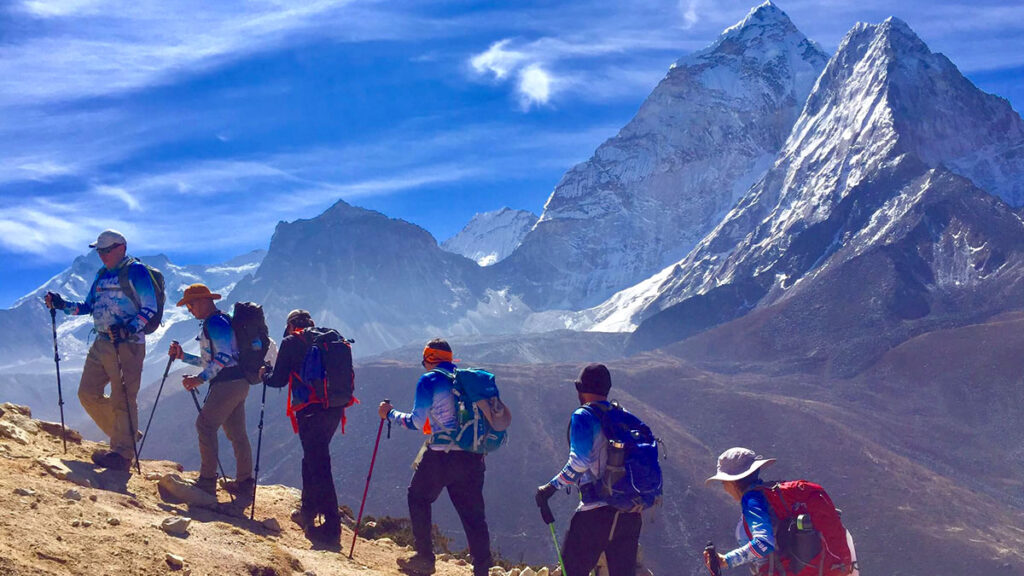
Everest Base Camp, Nepal
Perhaps no trek is more iconic. While climbing Everest remains the domain of elite alpinists, the journey to Everest Base Camp has become one of the world’s most sought-after trekking experiences. The two-week hike combines Sherpa culture, Buddhist monasteries and staggering Himalayan scenery.

The best season is March–May or October–November. The level of difficulty is moderate to strenuous because of altitude rather than technical climbing.
Out of Office has Nepal adventures from a luxury perspective, while Trekking Team Adventures offers a Gay Trek to Everest Base Camp here. For the LGBTQ+ expert in the region, check out everything Pink Mountain has to offer.
Tour du Mont Blanc
Crossing France, Italy and Switzerland, this legendary circuit is considered one of Europe’s finest long-distance hikes. Comfortable mountain refuges make it accessible to experienced walkers without requiring expedition skills. Pride Expeditions offers this trek. To read a recent queer experience of the trek, go here.
Patagonia’s W Trek
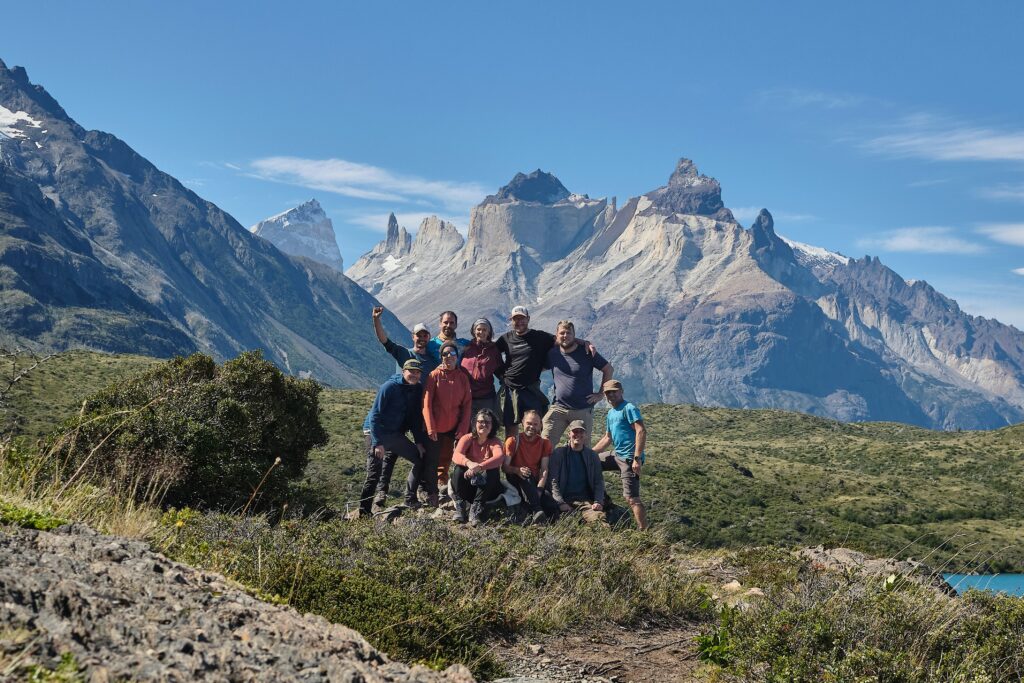
Located in Torres del Paine National Park, Patagonia’s famous W Trek delivers glaciers, granite towers and some of the planet’s most dramatic scenery. Weather changes hourly, making preparation essential.
HE Travel features the Patagonia: Bottom of the World – Gay Chile Adventure, which includes guided trekking components around the Cuernos and French Valley in Torres del Paine.
The Inca Trail, Peru
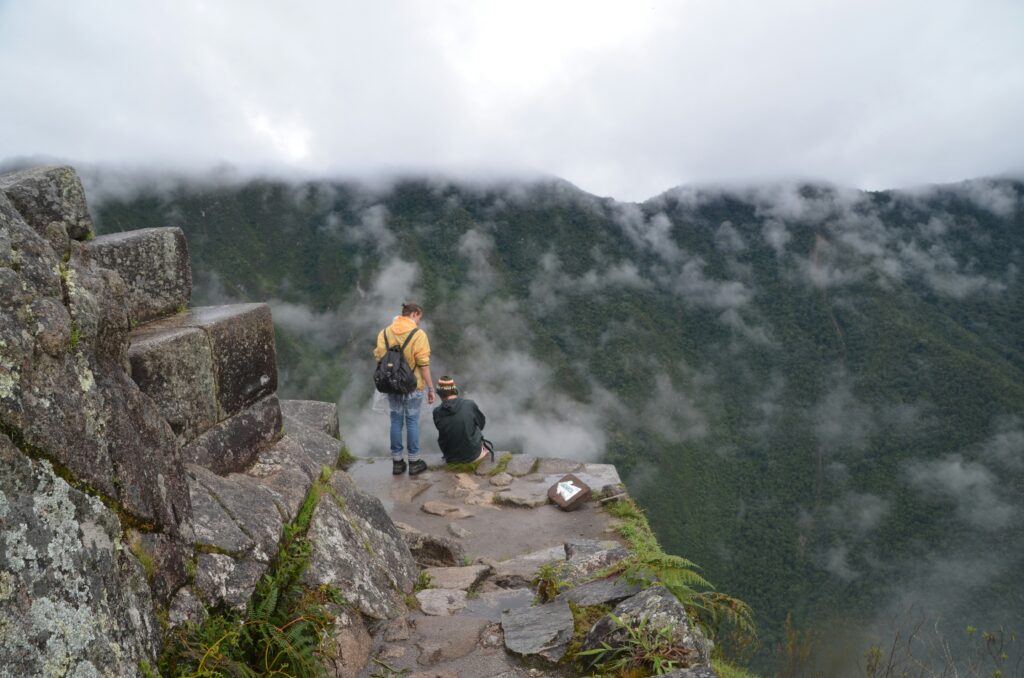
Four unforgettable days culminate in arriving at Machu Picchu through the Sun Gate at dawn. Permits sell out months in advance.
The premier LGBTQ+ adventure tour company that offers a dedicated multi-day hiking trip along the classic trail is Out Adventures. They operate an all-gay Peru: The Inca Trail & Machu Picchu tour. This trip combines a physical mountain trek with fully supported camping—complete with personal guides, cooks, and porters.
Pacific Crest Trail, USA
Stretching over 2,600 miles from Mexico to Canada, the Pacific Crest Trail has become an aspirational thru-hike for thousands inspired by books and films such as Wild. Most hikers complete only sections, while a thru-hike can take five months.
Brave Trails offers youth backpacking trips along sections of the Pacific Crest Trail. These multi-day hiking, camping, leadership development, and outdoor skill workshops are designed for LGBTQ+ ages 14-19
QPOC Hikers is a community group focused on increasing the visibility and connection of Queer People of Color in the outdoors, primarily in the Pacific Northwest corridor, organizing regional trail meetups that connect with local trail networks and Washington state sections of the PCT.
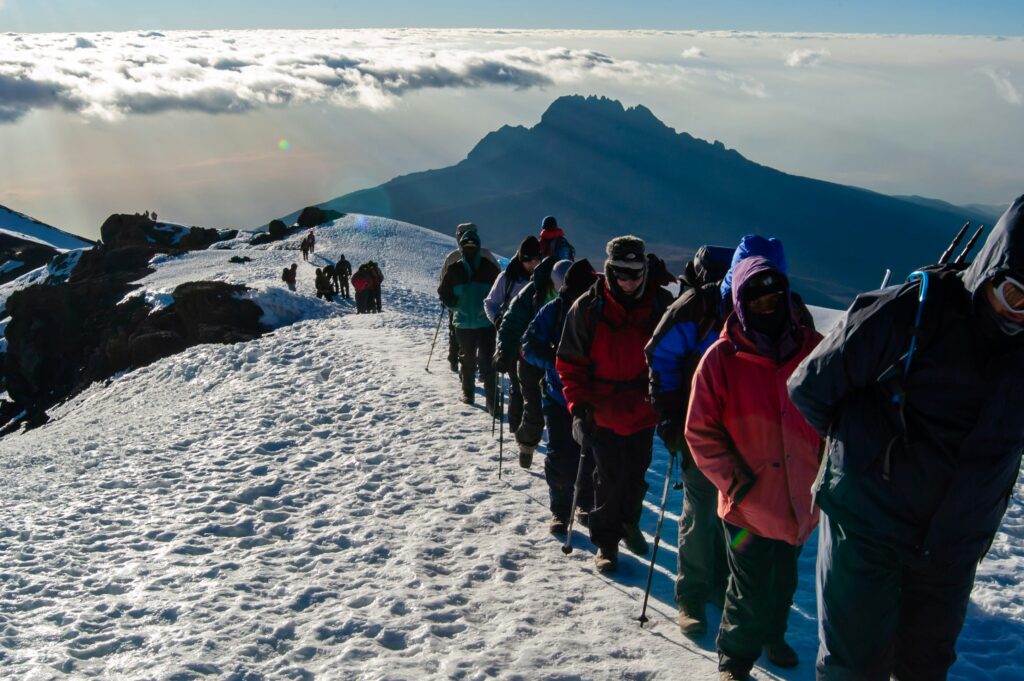
Kilimanjaro, Tanzania
Africa’s highest mountain requires no technical climbing but demands careful acclimatization. Seven- or eight-day itineraries have significantly higher summit success than shorter routes. Pride Expeditions, a dedicated LGBTQ+ adventure group that frequently runs all-gay mountaineering trips up Kilimanjaro. They heavily vet their local Tanzanian guides to guarantee a completely non-discriminatory and safe environment on the trail.
LGBTQ Hiking and Mountaineering Clubs
The outdoors has not always felt welcoming to LGBTQ people, but that has changed dramatically over the past decade. Among the best-known organizations are:
OutdoorLads (United Kingdom)
One of Europe’s largest LGBTQ outdoor organizations, OutdoorLads organizes hundreds of hikes, camping weekends, climbing trips, scrambling adventures, kayaking excursions, and international holidays each year. Membership is open to adults, and newcomers are warmly welcomed. OutdoorLads has various upcoming walks and camp weekends featuring hiking components listed on their OutdoorLads Events Page and OutdoorLads Provisional Events.
Venture Out Project (United States)
The Venture Out Project operates nationwide with multiple chapters organizing local day hikes, wilderness education, and multi-day backpacking trips specifically tailored for the queer and trans community. This nonprofit specializes in creating a huge range of outdoor experiences for LGBTQ+ people, from backpacking and forest bathing, to base camping and cross-country skiing. You can even participate in trail maintenance service work. Check out the full list here.
Queer Mountaineers
Queer Mountaineers is a volunteer-led national 501(c)(3) nonprofit organization founded in 2022 in the Pacific Northwest to create safe, inclusive spaces for LGBTQIA+ outdoor enthusiasts. Mission and goals include providing welcoming spaces for people of all backgrounds, genders, and sexualities to take up space in the outdoors; lowering financial and social barriers to entry for high-cost sports like mountaineering and climbing by sharing gear knowledge and skills; fostering genuine connections through shared outdoor experiences.
Excursions include group hikes, trail runs, skiing events, and major regional mountaineering expeditions. They also offer training sessions covering foundational mountaineering, navigation, and alpine leadership skills (often in collaboration with groups like Climbers of Color).
A Note on Body Positivity and Diversity
Unlikely Hikers is an inclusive, body-liberating national hiking community that prioritizes QTBIPOC, disabled, and plus-size outdoor people with a slow-paced, “no hiker left behind” ethos.
Safety Has Never Been More Important
Carry emergency communications where mobile coverage is unreliable. Examples are a satellite messenger, a personal locator beacon (PLB), or a satellite phone.
Never underestimate the weather: Mountain forecasts change rapidly.
Climate change is altering mountain conditions around the world. Glaciers are retreating. Rockfall has increased in many alpine regions. Heatwaves are making traditional summer hiking seasons more dangerous, with wildfires that spread quickly, fanned by unpredictable winds. If you are on a hike, climb or trek, there are a few tips you should always keep front of mind:
Always check local avalanche forecasts where relevant.
Don’t hike alone in remote terrain. Solo hiking can be immensely rewarding, but accidents become far more serious when nobody knows your location.
No matter the size of your group, always leave a route plan with someone. If in difficulty, groups should:
- Stay together.
- Match the pace of the slowest member.
- Agree turnaround times.
- Avoid summit fever.
FYI: Many mountain rescue teams note that poor group decision-making contributes to accidents.
Know your limits. Altitude sickness, dehydration and exhaustion affect experienced hikers as well as beginners. Turning back is often the smartest decision.
Carry the Ten Essentials
These typically include:
- Navigation
- Headlamp
- Extra clothing
- Waterproof layers
- Food
- Water
- Sun protection
- First aid kit
- Fire starter
- Emergency shelter
LGBTQ Adventurers to Follow
Social media has introduced a new generation of inclusive outdoor role models. Some inspiring accounts include:
Pattie Gonia (@pattiegonia) — the drag queen, environmental advocate and outdoor educator whose joyful approach has helped redefine who belongs in the wilderness.
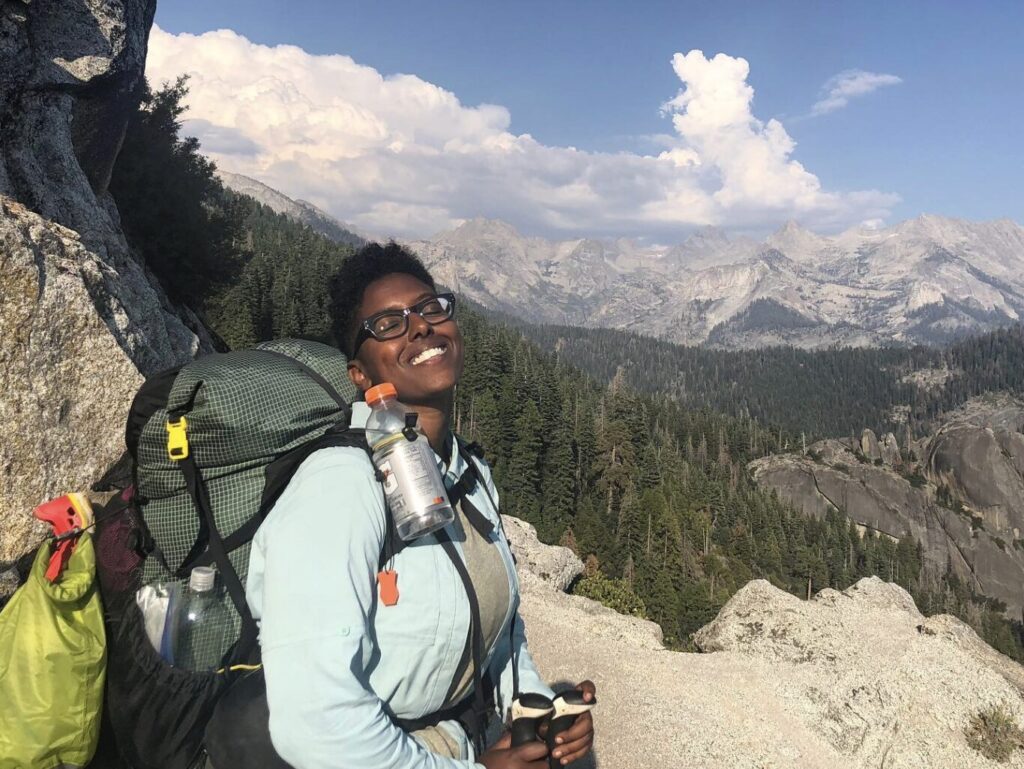
Rahawa Haile (@rahawahaile) — writer, long-distance backpacker and one of the most influential voices advocating for greater diversity on America’s trails.
Mina Guli (@minaguli) — while best known as an endurance athlete, runner, and environmental campaigner — continues to inspire adventure travelers interested in purposeful travel.
Many local LGBTQ hiking clubs also maintain highly active Instagram accounts showcasing upcoming trips, beginner hikes, and international expeditions. If you run an LGBTQ adventure group focused on hiking, biking at heights, or mountaineering, follow us on Instagram here so we can follow you too.