
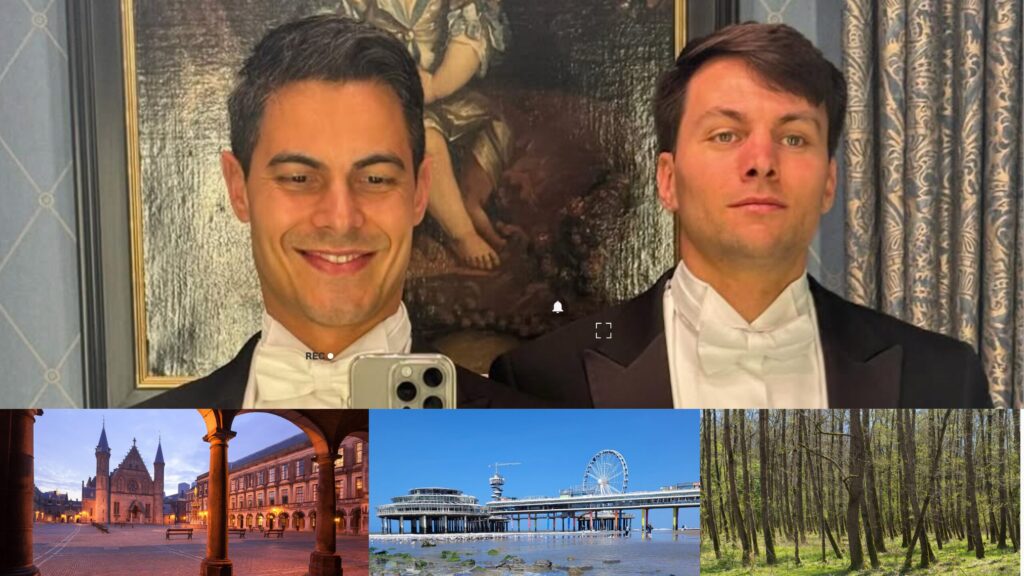
Following Rob Jetten’s Footsteps: A Guide to the Out Prime Minister’s Netherlands
Rob Jetten’s rise from a university student in Nijmegen to the first openly gay man to become Prime Minister of the Netherlands is also a journey through three very different Dutch landscapes.
His story touches the university energy of Nijmegen, the village-and-countryside calm of Ubbergen, and, most recently, the political and seaside sophistication of The Hague. For travelers interested in seeing the Netherlands through Jetten’s POV, these three places make an intriguing itinerary — and each has its own personality.
Nijmegen: Where Rob Jetten Found His Political and Personal Voice
Jetten arrived in Nijmegen at 18 to study public administration at Radboud University, and the city became enormously important to him. He lived there for many years, served on the Nijmegen municipal council from 2010 to 2017 and has described his local political experience as fundamental to his later national career.
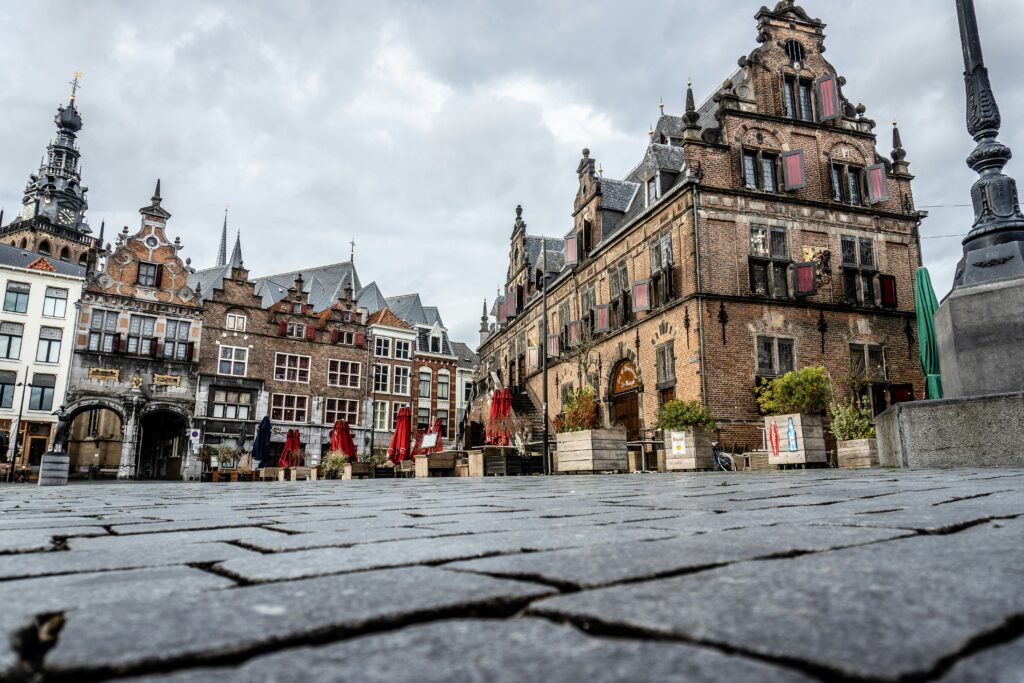
But Nijmegen was also where Jetten has said his life as a gay man really began to open up. In an interview with Paul de Leeuw, he recalled that moving into student accommodation was a liberation and that, once he began studying in Nijmegen, “the switch” really happened in his acceptance of his sexuality.

What to See in Nijmegen
Start at Radboud University, whose wooded campus south of the city reflects Nijmegen’s longstanding student character. From there, head into the historic center and visit the magnificent Stichting Stevenskerk Nijmegen, the city’s great medieval church.
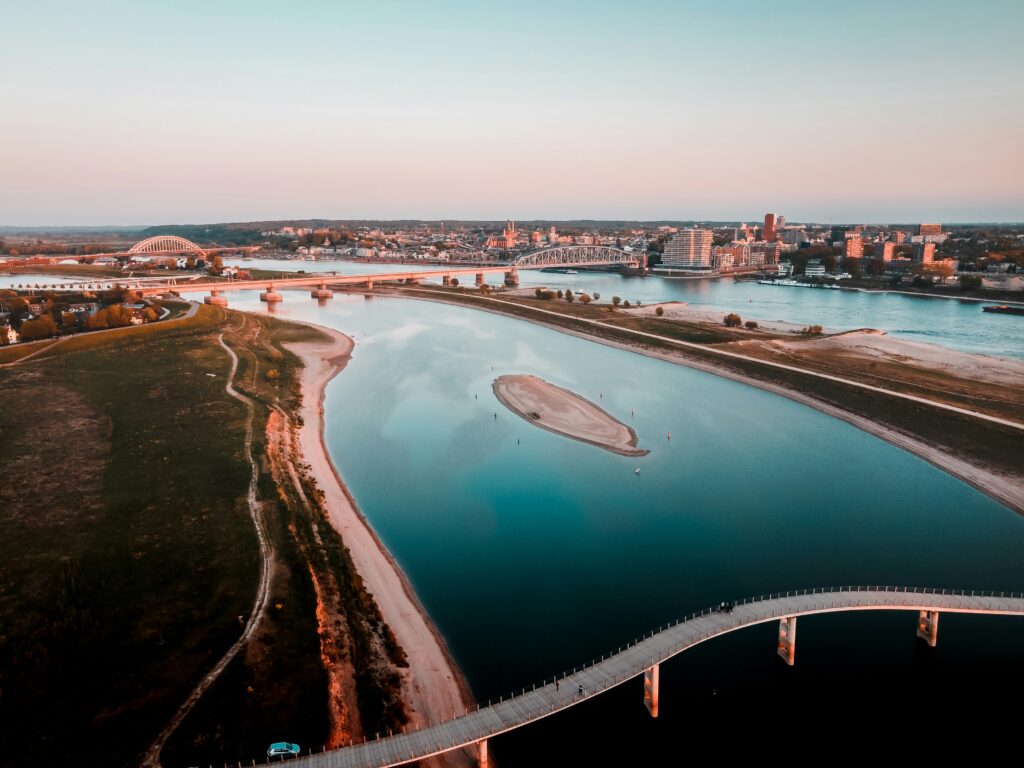
The river is another essential part of Nijmegen’s appeal. Walk along the Waal and cross the striking bridges for views back toward the old city. The Bastei, a museum devoted to Nijmegen’s history and its relationship with the river, is another good choice — Jetten himself has singled it out as an interesting museum.
For culture, the Valkhof area and the city’s many cafés make it easy to spend a relaxed afternoon simply wandering. Nijmegen is also famous for the International Four Days Marches, when the city becomes one enormous outdoor festival.
Nijmegen’s Queer Side
Nijmegen has a particularly strong LGBTQ+ community for a city of its size. Jetten himself once highlighted the city’s “strong pink community,” and specifically mentioned Roze Woensdag — Pink Wednesday — during the Four Days Marches as one of his favorite celebrations. He also supported the development of a Roze Huis and LGBTQ-inclusive policies while serving in local government.
Today, travelers can explore the local scene around Sint Anthoniusplaats, home to COC Nijmegen and the Roze Huis Nijmegen. For nightlife, Bar De Regenboog Nijmegen is young, fun, friendly, welcoming all genders—and it has yummy food.
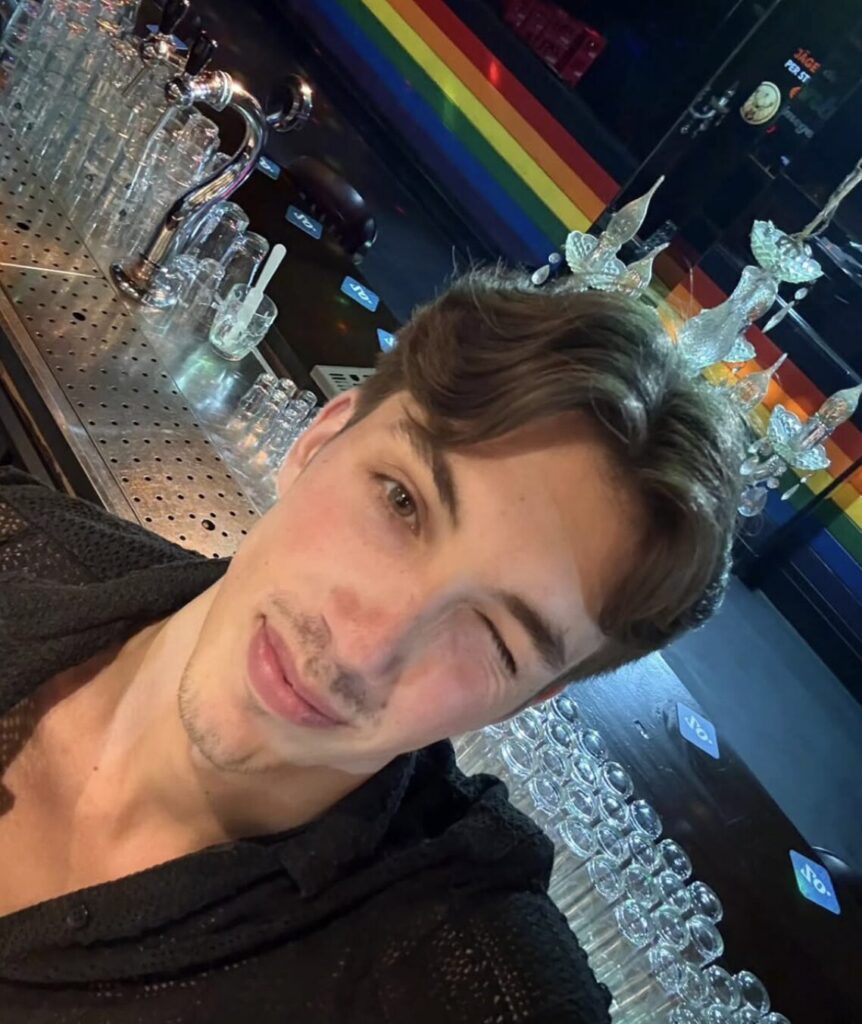
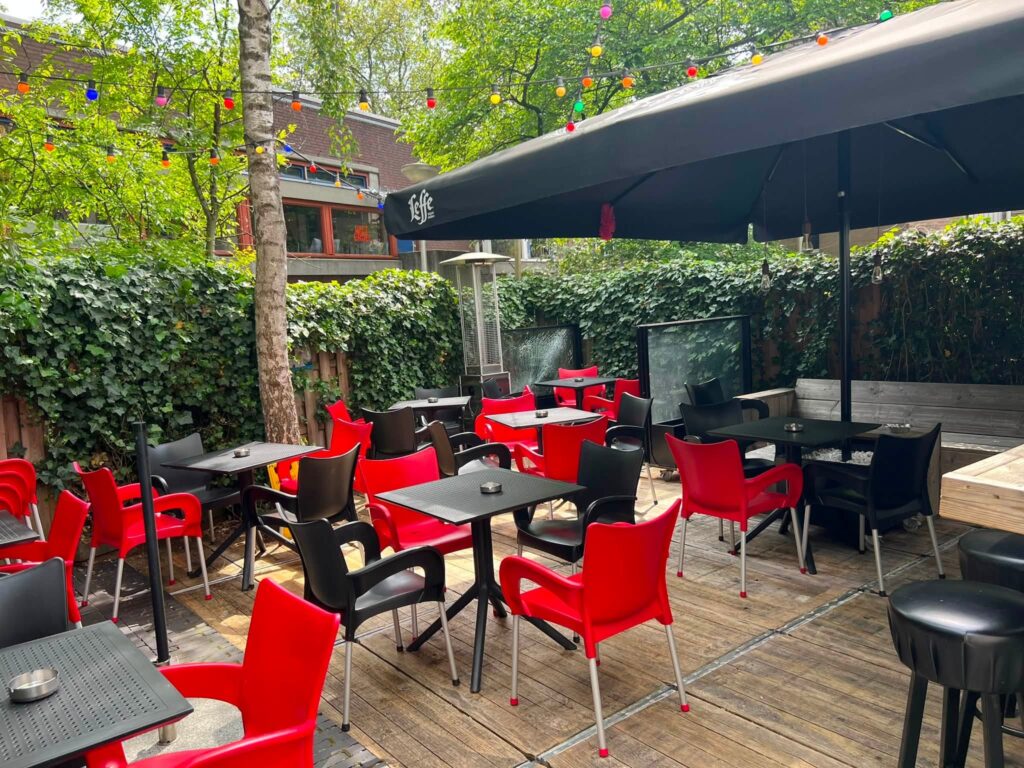
Marcus-Antonius is known for its warm, welcoming atmosphere, affordable drinks, a garden terrace, and music ranging from guest DJs to an interactive jukebox.
For LGBTQ+ visitors, Nijmegen offers something particularly appealing: it feels like a real university city with a queer community woven into everyday life rather than a destination where LGBTQ+ culture exists only in a designated nightlife district.
Here are the top 10 hotels in Nijmegen.
Ubbergen: Jetten’s Escape to the Forest
Just a short distance from Nijmegen lies the tiny village of Ubbergen, where Jetten’s biography takes a decidedly more pastoral turn. Jetten moved from Nijmegen to Ubbergen around 2018. At the time, he described the village as his escape from the exhausting political world of The Hague. He particularly loved its hills, greenery and proximity to the countryside, while noting that he could cycle into central Nijmegen in about ten minutes.
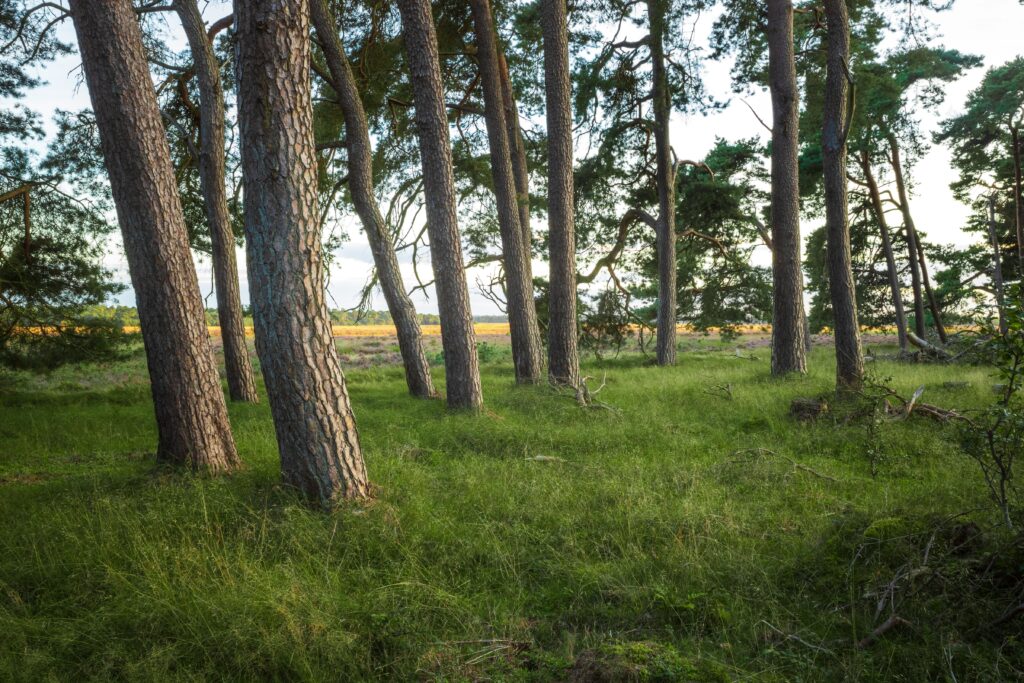
For several years, Ubbergen was his home while his national political career accelerated. In interviews, he described running through the surrounding woods and the Ooijpolder, walking his dog and enjoying the contrast between his intense working life and the quiet of the countryside. It is an appealing reminder that the Netherlands isn’t all canals and densely packed cities. Around Nijmegen, the landscape suddenly becomes rolling, green and dotted with history.
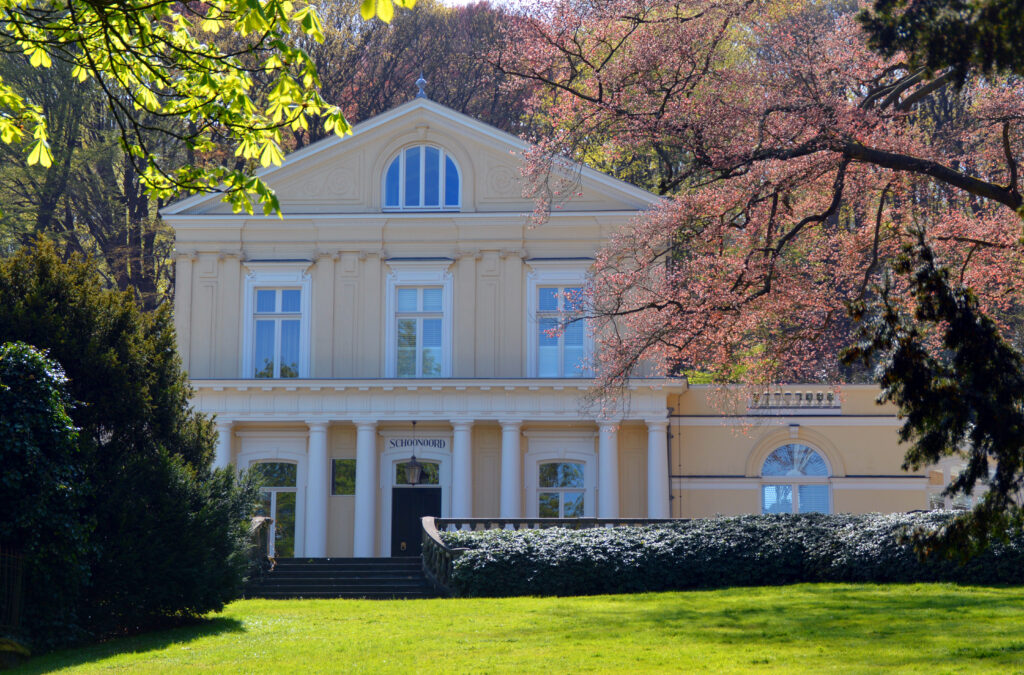
Huize Schoonoord in Ubbergen (located at Rijksstraatweg 34) is a prominent, cream-colored neoclassical country house built around 1870 from an earlier 19th-century teahouse. It is famous locally as a designated national heritage monument (Rijksmonument) and a striking example of the wealthy 19th-century estate architecture.
What to Do Around Ubbergen
The big attraction is the landscape itself. Head into the Ooijpolder, a beautiful riverine nature area just outside Nijmegen. Walking and cycling are the obvious ways to experience it, with wetlands, meadows, dikes and views toward the Waal.
The hills around Ubbergen and neighboring Berg en Dal are particularly unusual by Dutch standards. This is one of the country’s most attractive areas for hiking, and Jetten himself has talked about running through the area and into Nijmegen.
This is the place for a long walk, a café stop and a bicycle ride rather than a checklist of attractions Nijmegen’s LGBTQ+ community is only a short ride away.
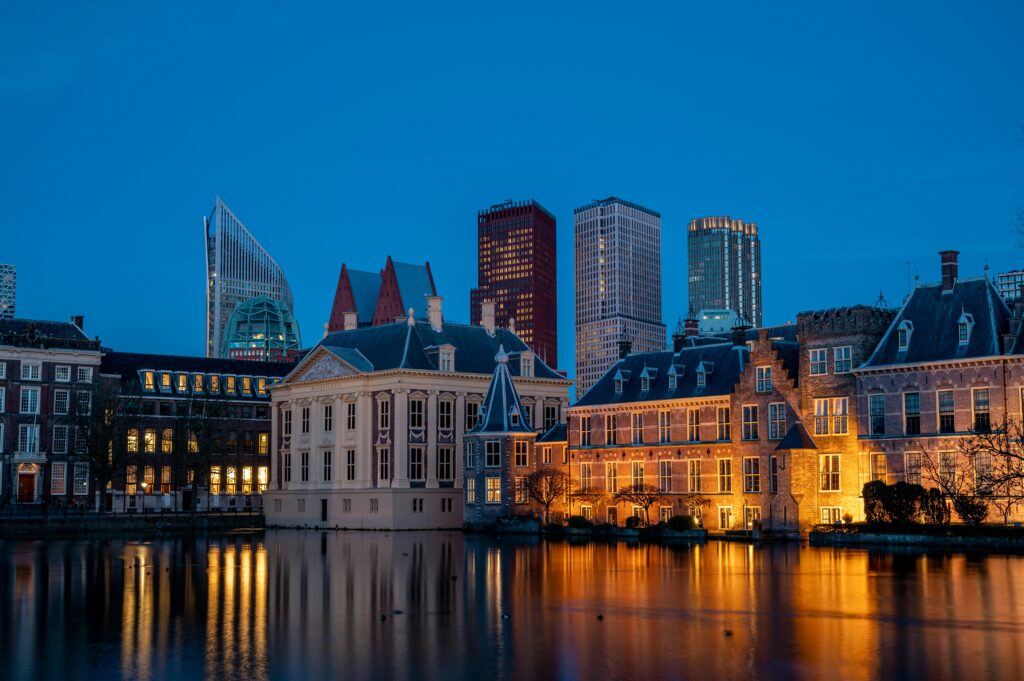
The Hague: From Political Workplace to Home
The Hague was originally Jetten’s working city. As a member of parliament and later D66 leader, he spent much of his working week there while maintaining his home in Ubbergen. In 2025, however, Jetten and his fiancé Nicolás Keenan moved to The Hague, bringing his home life and political life together.
The move also gave Jetten something he had not previously had in the same way: the sea. He has described living near the coast as a luxury and enjoys being able to reach the beach for a walk or run.
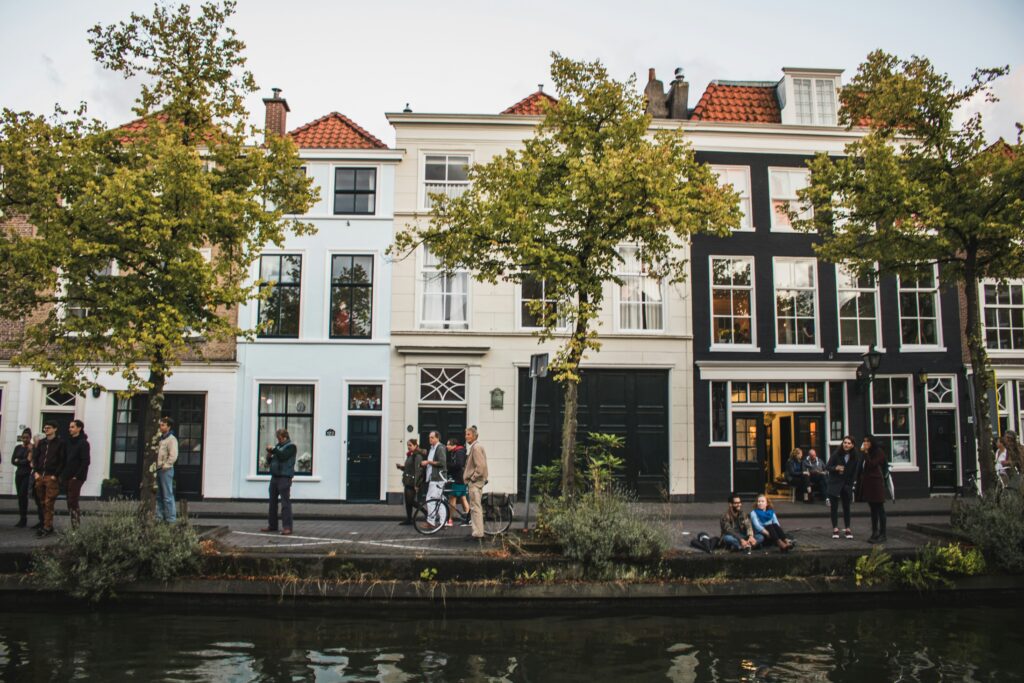
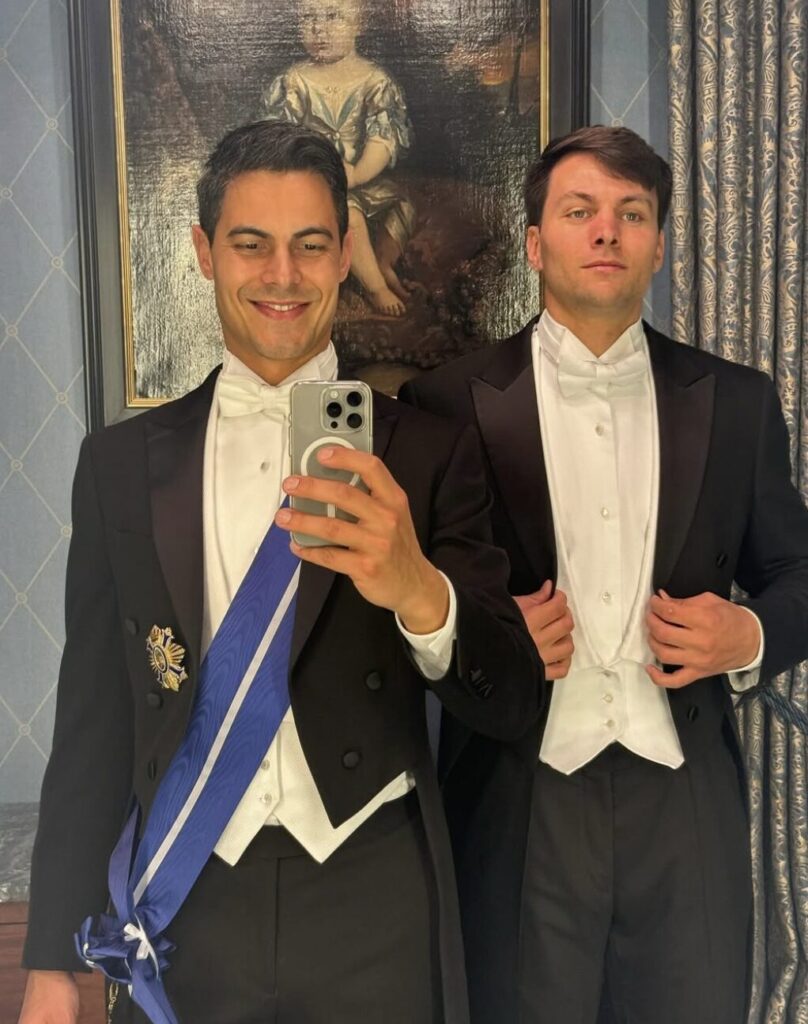
And there is an especially good footnote on LGBTQ+ travel in his Hague story. Jetten met Argentine hockey player Nicolás Keenan in The Hague in 2022. Their meeting reportedly began at a supermarket after they happened to live near one another; they subsequently became a couple and became one of the Netherlands’ most visible LGBTQ+ couples.
What to See in The Hague
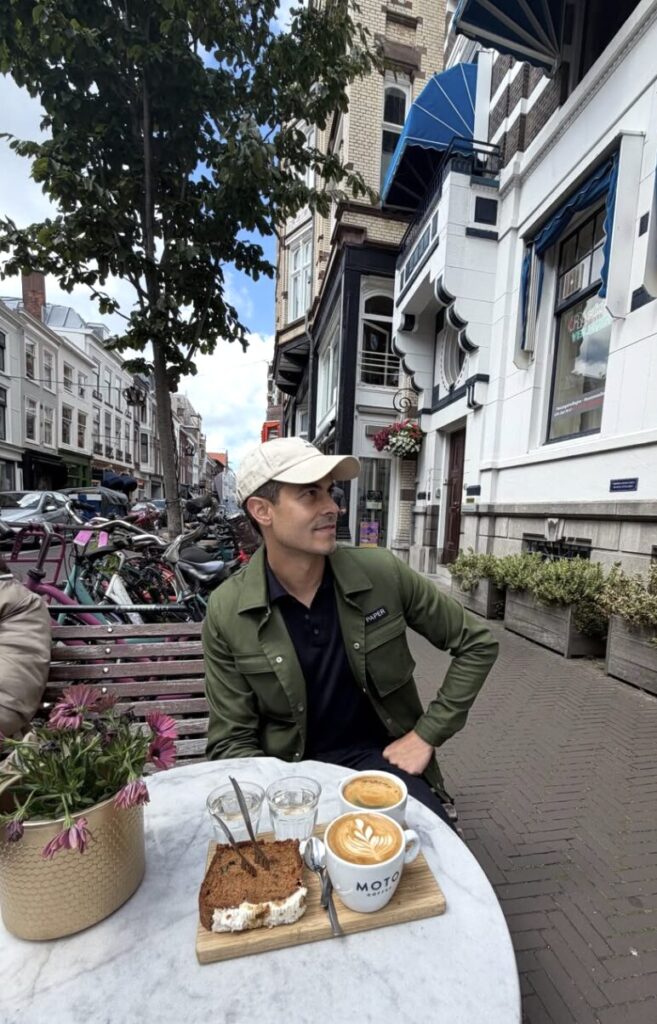
This is the most conventionally tourist-friendly part of the Jetten trail. Begin in the political heart of the city around the Binnenhof and Ridderzaal, then explore the Mauritshuis, where Vermeer’s Girl with a Pearl Earring is one of the Netherlands’ great art treasures. The Mauritshuis is an obvious stop for first-time visitors.
For something more eccentric, visit Escher in the Palace, dedicated to the mind-bending work of M.C. Escher. The elegant Lange Voorhout setting makes the museum feel quintessentially Hague.
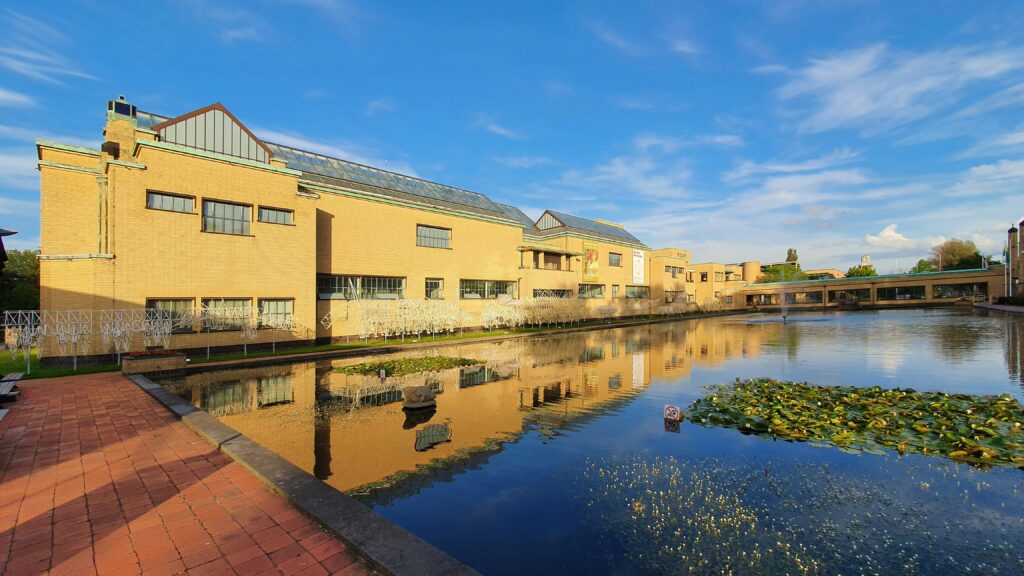
The Peace Palace is another landmark worth seeing, while the Kunstmuseum The Hague is the place to go for modern art, design and the distinctive Dutch modernist tradition.
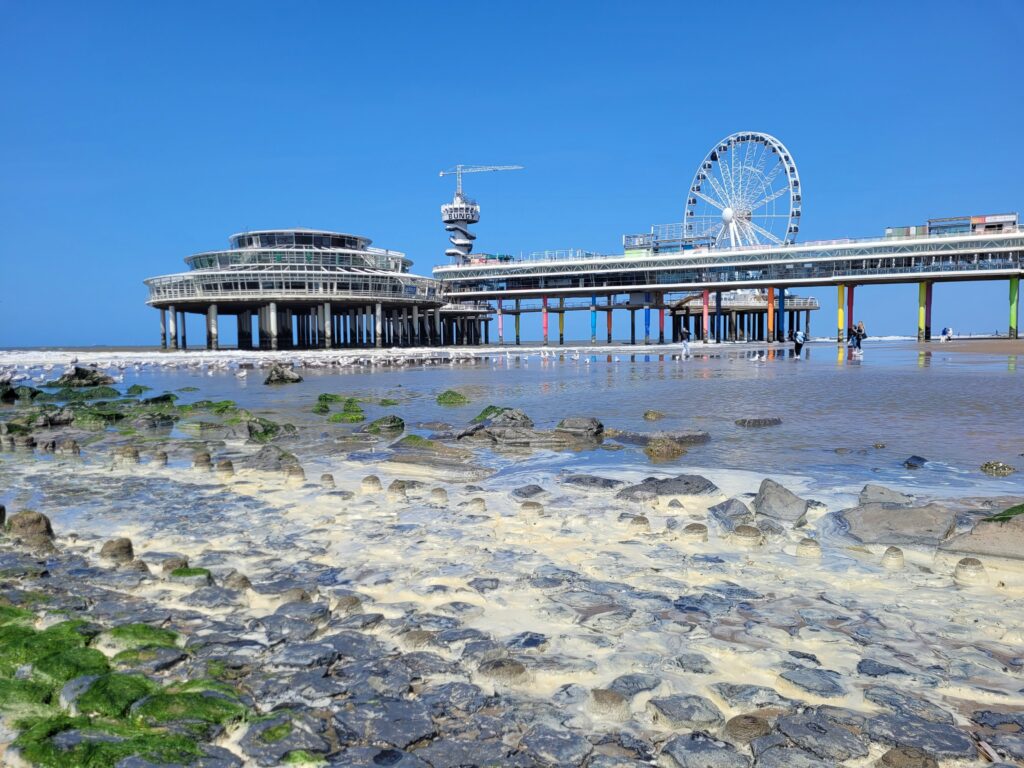
And then take the tram or bicycle toward Scheveningen. The beach, boulevard and dunes are a major part of what makes The Hague different from Amsterdam. If you want to recreate Jetten’s preferred escape, head for the coast and walk.
The Hague’s LGBTQ+ Scene
The Hague has a long-established LGBTQ+ community and a compact queer nightlife area around the city center. For a traditional gay bar experience, where smoking is still allowed indoors (!), head to Café ‘t Achterom.
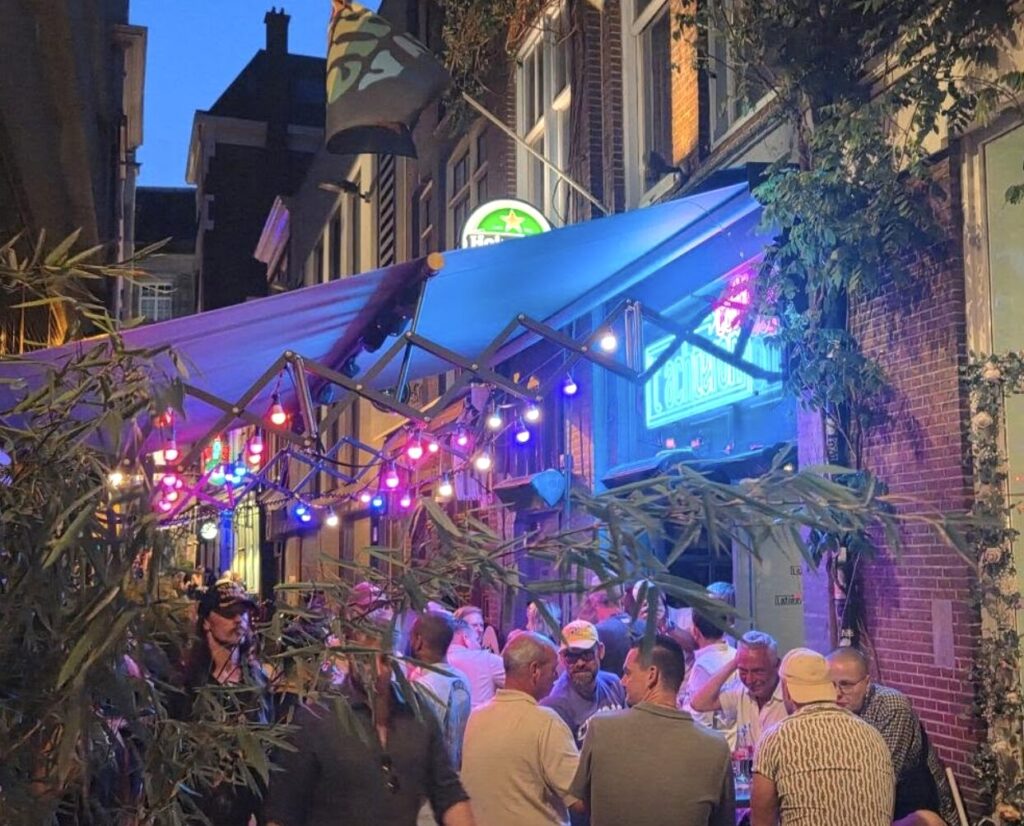
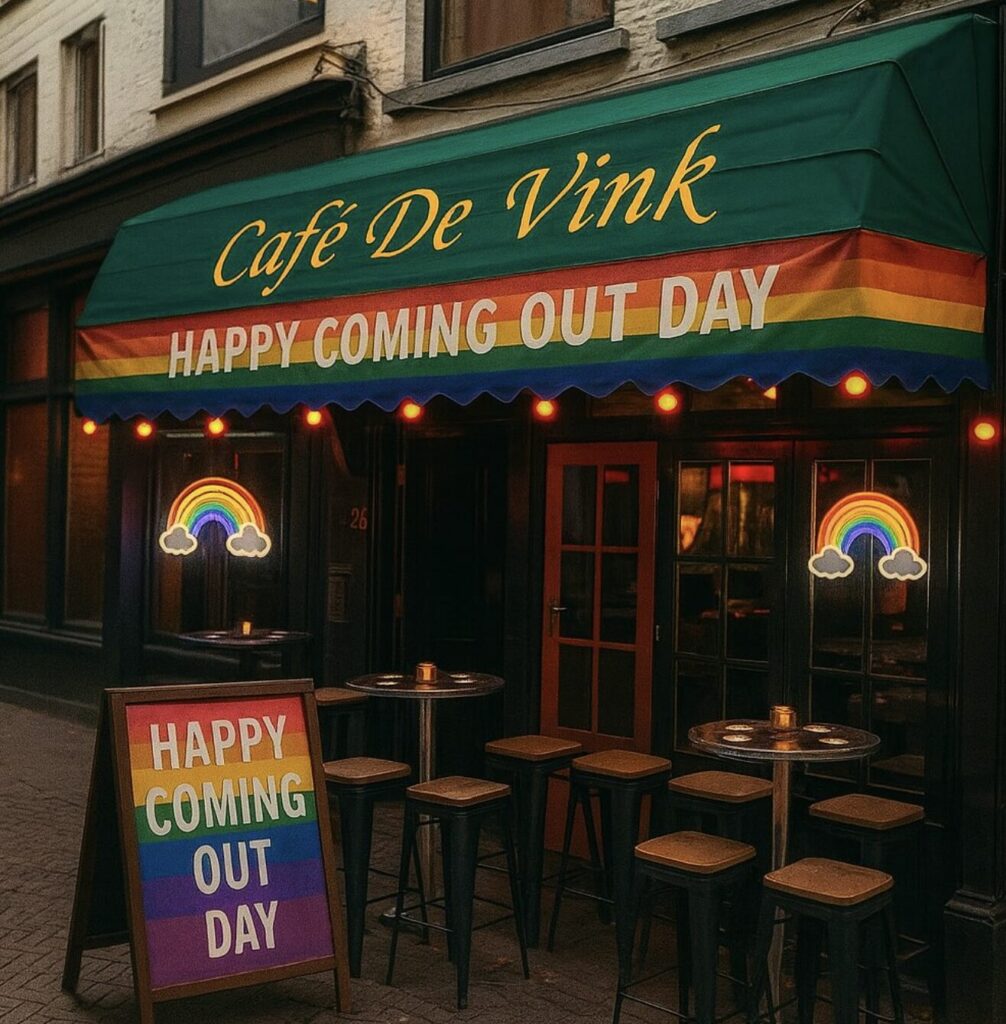
Café de Vink is a great option if you like diversity, drag, disco, and dancing. The city’s LGBTQ+ community organization also hosts events at COC Café.
One of the most significant LGBTQ+ landmarks is the International Gay Monument, a memorial in The Hague commemorating LGBTQ+ people persecuted during the Nazi era and honoring the continuing struggle for equality. It makes a particularly meaningful stop when exploring the city through Jetten’s story: this is a city where LGBTQ+ identity isn’t merely nightlife, but part of the Netherlands’ political and social history.
The Netherlands has some of the most progressive LGBTQ+ laws in the world, including legalized same-sex marriage since 2001, joint adoption rights, and constitutional protections against discrimination based on sexual orientation. Recent updates include a national ban on conversion therapy and expanded anti-discrimination laws that cover gender identity and expression.
Here are the top 10 LGBTQIA-welcoming hotels in The Hague, Netherlands.