Germany’s LGBTQ+ Capital Chooses Courage Over Fear
Berlin has long been regarded as one of the world’s great queer capitals—a city where LGBTQ+ culture isn’t confined to one neighborhood but woven into its history, politics, nightlife and creative spirit.
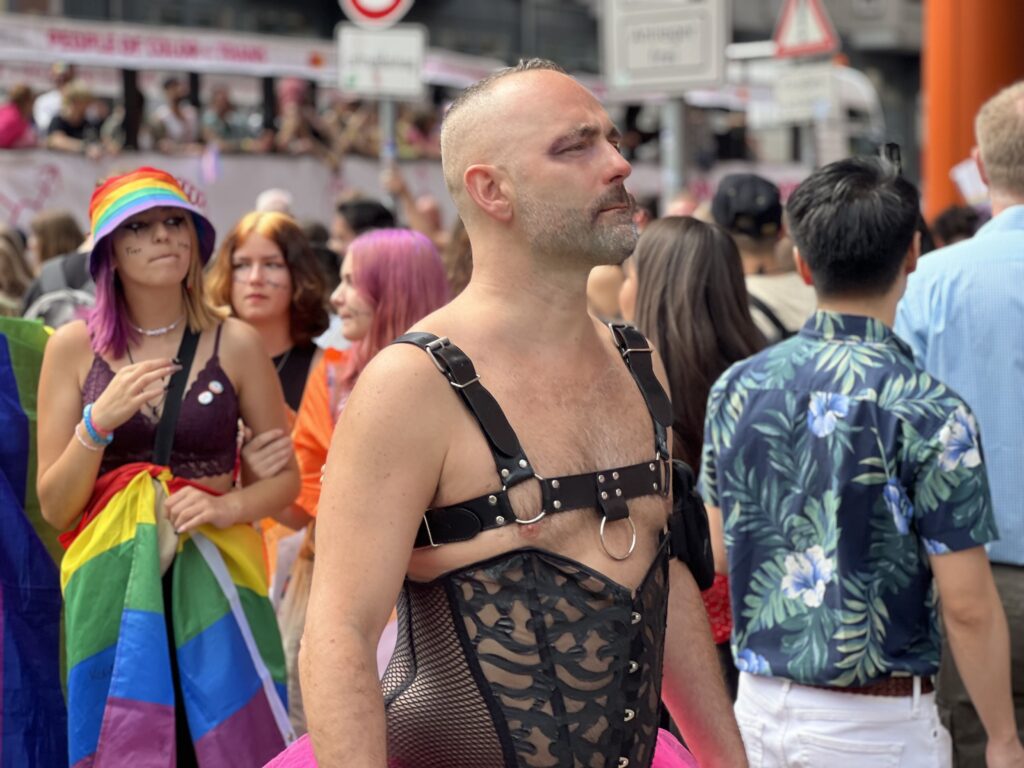
That sense of freedom was shaken in July 2026 when a deadly terrorist attack targeted the city’s Christopher Street Day (CSD) Pride celebrations, killing one person and injuring dozens. Authorities say the attack is being investigated as an act of Islamist extremism, prompting an outpouring of grief, solidarity and renewed security measures. Berlin has responded with one clear message: the city refuses to let hate reshape it.
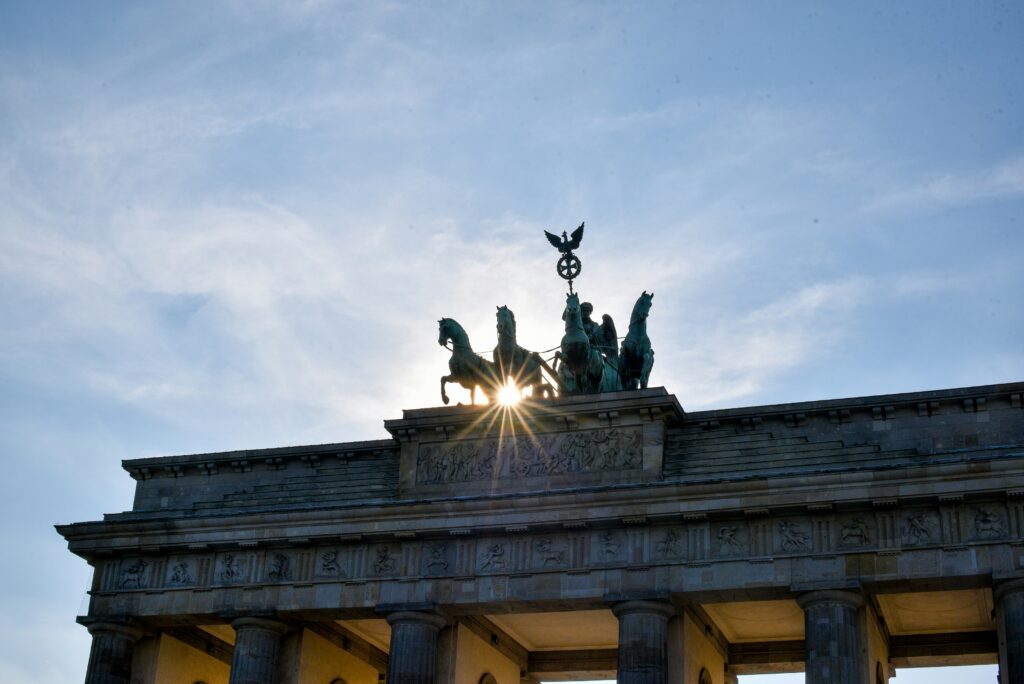
Berlin has doubled down on protecting queer life. Memorials filled Pariser Platz outside the Brandenburg Gate with flowers, rainbow flags and candles, while political leaders, LGBTQ+ organizations and ordinary Berliners reaffirmed that the city’s identity as a place of diversity and inclusion would not be intimidated.
However, according to city statistics, anti-queer crimes more than tripled in the city between 2016 and 2025, and Berlin began serious efforts to combat this shift in 2024, according to the New York Times. Violent anti-queer crimes rose by half. Nevertheless, violent and nonviolent offenses, which peaked in 2023, remain higher than usual.
A City That Has Always Rebuilt
Berlin knows what it means to recover. From the devastation of World War II to the Berlin Wall and reunification, the German capital has repeatedly reinvented itself. The city’s LGBTQ+ community has an equally remarkable history. In the early twentieth century, Berlin was home to pioneering sexologist Magnus Hirschfeld and the world’s first gay rights movement, before Nazi persecution nearly erased that progress.
Today’s Berlin is one of Europe’s most LGBTQ+-friendly destinations, where queer history is preserved alongside an ever-evolving nightlife, arts scene and political activism. The recent attack has strengthened, rather than diminished, the city’s determination to remain open and welcoming.
What Travelers Can Expect
Visitors arriving this Summer and Fall will notice a heightened police presence around major tourist attractions, transportation hubs, and large public events. Security measures at LGBTQ+ venues and festivals throughout Germany have been enhanced following the attack, but authorities have stressed that Berlin remains open for business and tourism.
Hotels, museums, restaurants and nightlife venues continue to operate normally, and local tourism officials are encouraging visitors not to cancel their plans. For many Berliners, continuing to travel, celebrate, and support queer businesses has become its own act of resilience. If you visit, show your support by experiencing the following places where the community thrives visibly:
Schöneberg: The Historic Heart of Queer Berlin
If New York has Greenwich Village and London’s Soho, Berlin has Schöneberg. This neighborhood has been at the center of LGBTQ+ life for more than a century and remains the city’s most iconic queer district. Highlights include:
- Café Berio, a longtime neighborhood institution.
- Romeo und Romeo, famous for hearty breakfasts and cakes.
- Prinzknecht, one of Europe’s best-known gay leather and cruise bars.
- Hafen Berlin, a friendly local institution popular with visitors and residents alike.
- Heile Welt, a relaxed cocktail bar with an eclectic crowd.
The area is equally enjoyable during the day, with independent bookshops, cafés and rainbow flags lining Motzstraße and Nollendorfplatz.
Kreuzberg and Neukölln: Berlin’s Creative Queer Scene
For a younger, more alternative atmosphere, head south. Kreuzberg and neighboring Neukölln have become magnets for artists, musicians, and LGBTQ+ creatives over decades. Kreuzberg is famous for being Berlin’s historic epicenter of counterculture, squatting, punk rock, and a vibrant immigrant community. Flanked by the Berlin Wall on three sides during the Cold War, the district became an isolated, low-rent hub that drew artists, activists, and Turkish “guest workers,” evolving into a diverse, rebellious, and creative hub. Expect:
- Independent galleries
- Vegan cafés
- Inclusive cocktail bars
- Queer bookshops
- Experimental performance spaces
Rather than polished nightlife, these neighborhoods offer Berlin’s famously relaxed, community-driven queer culture.
Legendary Nightlife
Berlin’s reputation as Europe’s nightlife capital remains well deserved.
Among the city’s iconic LGBTQ+ venues are:
- SilverFuture, a colorful queer bar known for its welcoming atmosphere.
- Möbel Olfe, where LGBTQ+ patrons mingle with Berlin’s broader creative community.
- Roses Bar, instantly recognizable by its pink plush interior.
- Berghain’s Lab.oratory, internationally known for its fetish events.
Whether your tastes lean toward drag, disco, techno or leather, Berlin offers something every night of the week.
LGBTQ+ Culture Beyond the Bars
Berlin rewards visitors who venture beyond nightlife. Don’t miss:
- The Schwules Museum, one of the world’s leading museums devoted to LGBTQ+ history and culture.
- The Memorial to Homosexuals Persecuted Under Nazism near the Brandenburg Gate.
- Tiergarten, whose southern edge has long been associated with Berlin’s gay community.
- Tempelhofer Feld, where locals gather for cycling, picnics and summer evenings.
The city’s museums, theatres and independent cinemas also feature LGBTQ+ programming throughout the year.
Eating, Drinking and Relaxing
Berlin’s café culture is wonderfully inclusive. You might even spot famed lesbian filmmaker Monika Treut enjoying a slice of rainbow cake! Some favorites include:
- Café Berio for brunch.
- Romeo und Romeo for breakfast.
- Father Carpenter in Mitte for specialty coffee.
- Hallesches Haus for lunch and creative events.
- Café Südblock in Kreuzberg, an openly queer community hub offering food, culture and activism under one roof.
Staying Safe While Enjoying the City
Berlin remains one of Europe’s safest cities for LGBTQ+ travelers, but following the recent attack, a little extra awareness is sensible.
- Expect visible police patrols around major events.
- Allow extra time for security checks at festivals and clubs.
- Use licensed taxis or public transportation late at night.
- Keep informed through local news if attending major public gatherings.
- Remember that the overwhelming majority of Berliners continue to strongly support LGBTQ+ equality and diversity.
What’s On: August and September 2026
Although Pride has passed, Berlin’s LGBTQ+ calendar continues almost year-round.
August
- Friedrichshain Lesbian & Gay Park Festival – A relaxed community event featuring music, food stalls and local organizations.
- Open-air cinema season continues across the city, with many venues screening queer classics and international LGBTQ+ films.
- Summer rooftop parties and Sunday drag brunches remain staples throughout Schöneberg and Kreuzberg.
September
- Folsom Europe – Europe’s largest fetish and leather festival, drawing thousands of visitors from around the world with street fairs, charity events and club nights.
- Queer Film Festival – Showcasing new LGBTQ+ cinema from Germany and around the globe.
- International Gay Rubber Weekend – A major gathering for Berlin’s internationally renowned fetish community.
Visitors arriving in Berlin today will find a city that is grieving but fiercely protective of its LGBTQ+ community. Rainbow flags still fly over Schöneberg. Clubs are still full until sunrise. Museums continue to celebrate queer history, and cafés remain packed with locals discussing art, politics and tomorrow’s plans.
For LGBTQ+ travelers, Berlin remains not only one of Europe’s great destinations but also a powerful reminder that visibility and resilience often go hand in hand.
On your next visit, stay safe and gay (and adults only) at the Axel Berlin.