

The Art of Jason Haaf and Scooter LaForge’s Chance Encounter
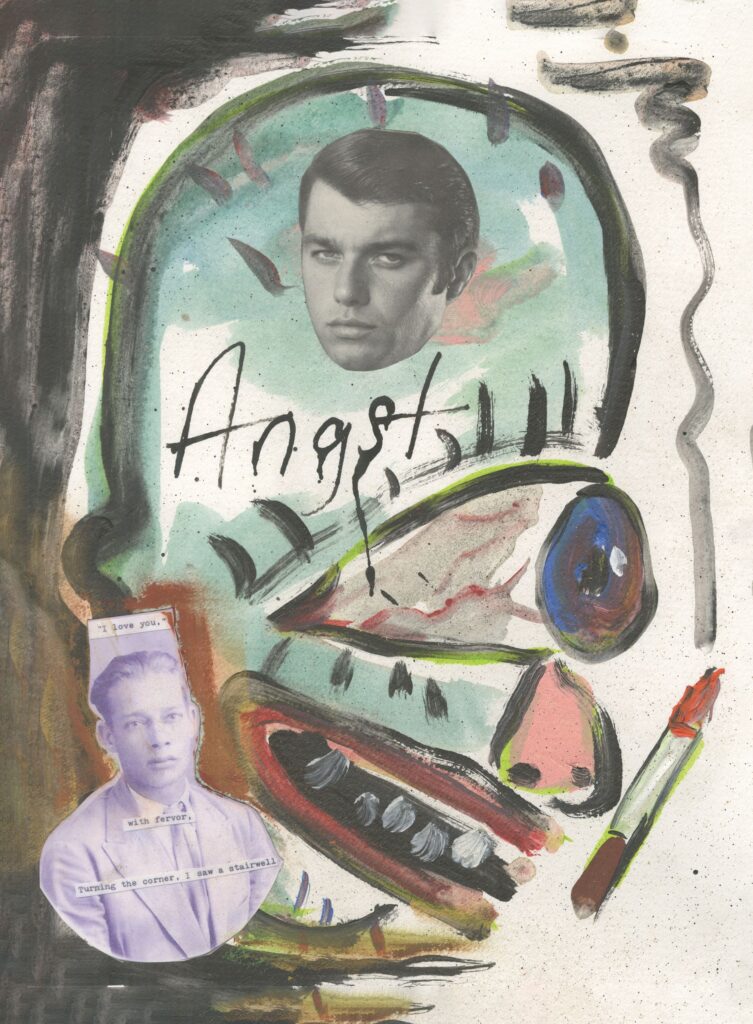
Wasteland, an art novel by acclaimed NYC-based artists Jason Haaf and Scooter LaForge, is a trip. This intriguing collaboration of painting, prose, poetry, and collage is our latest favorite place to visit on paper.
One day, Jason Haaf was working at the Strand bookstore and noticed that his book, Harsh Cravings, had almost sold out. When he posted a story on Instagram to that effect, he received a message from Scooter LaForge, who said he bought the last copy.
“I was roaming the Strand, hungry for something real—maybe a queer love story, maybe just a voice that felt alive,” recalls LaForge. “Then I saw the cover of Jason’s book. It hit me. I opened it, read a few lines, and felt that electric pull you only get when something speaks straight to you. The raw, diary-like honesty hooked me fast.”

“When I finished the book, I messaged Jason just to say how deeply it landed,” adds LaForge. “I didn’t know who he was, didn’t know his reputation—none of that mattered. I was responding to the object, the words, the feeling in my chest.”

“I was flattered that Scooter, a fixture in the art and fashion world, thought to even purchase it,” reveals Haaf. “He told me that he was enjoying it and related to much of the material.” Soon, Haaf mustered the courage to ask to work with LaForge as an artistic partner and collaborator.
“He asked if I’d paint from his writing,” says LaForge. “The question felt so right that I said yes instantly. We met in a café, and from the first conversation, something charged passed between us—creative, emotional, hard to name.”
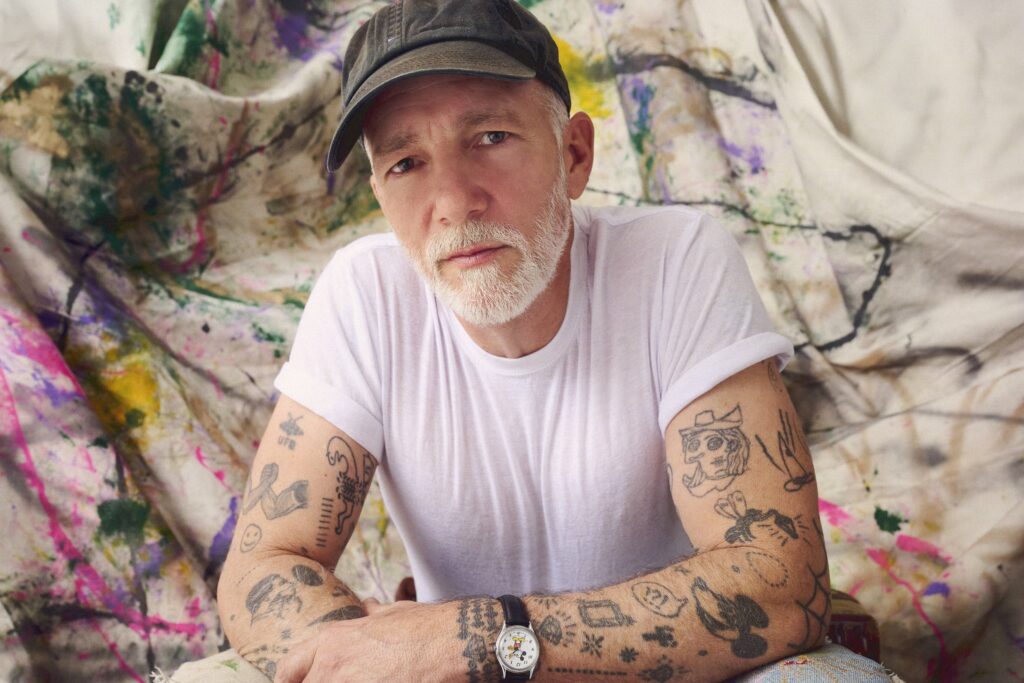
Wasteland is a hybrid: a queer art ‘novel’ that explores themes of gay intimacy, aesthetics, eroticism, anger, and angst. Its vibe is expressive, exploratory, open, and unapologetic—enhanced by watercolor, pen and ink, Dada-esque cutouts, and snatches from journal entries.
To create the work, Haaf supplied snippets of text, sometimes on watercolor paper, to LaForge, who responded by adding paint and pastels, and sometimes Haaf would add more words. In a few months, they had about 80 pieces of art.
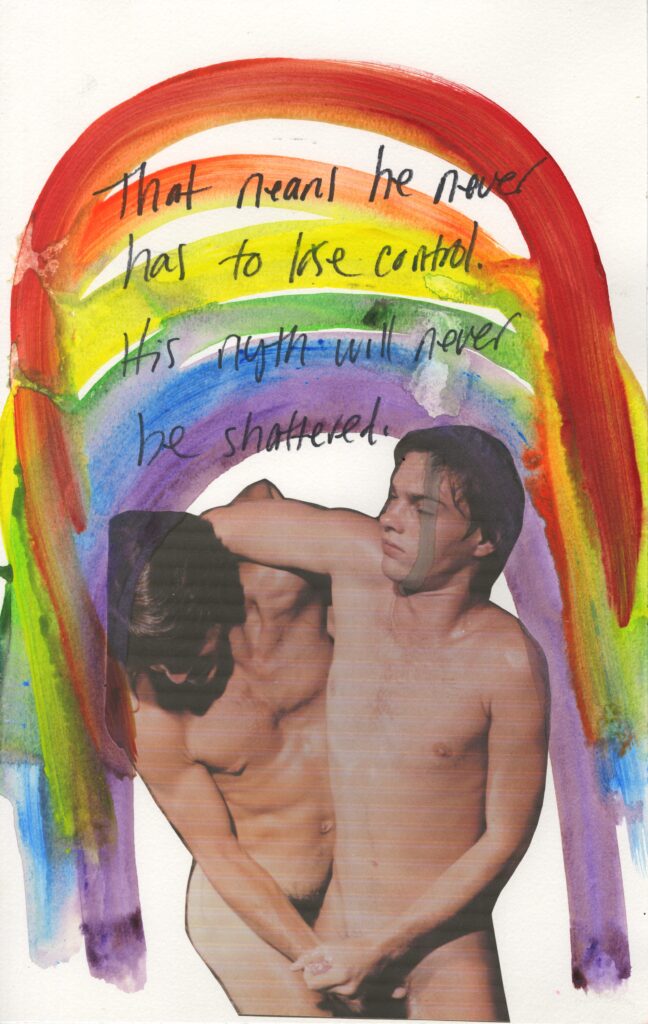
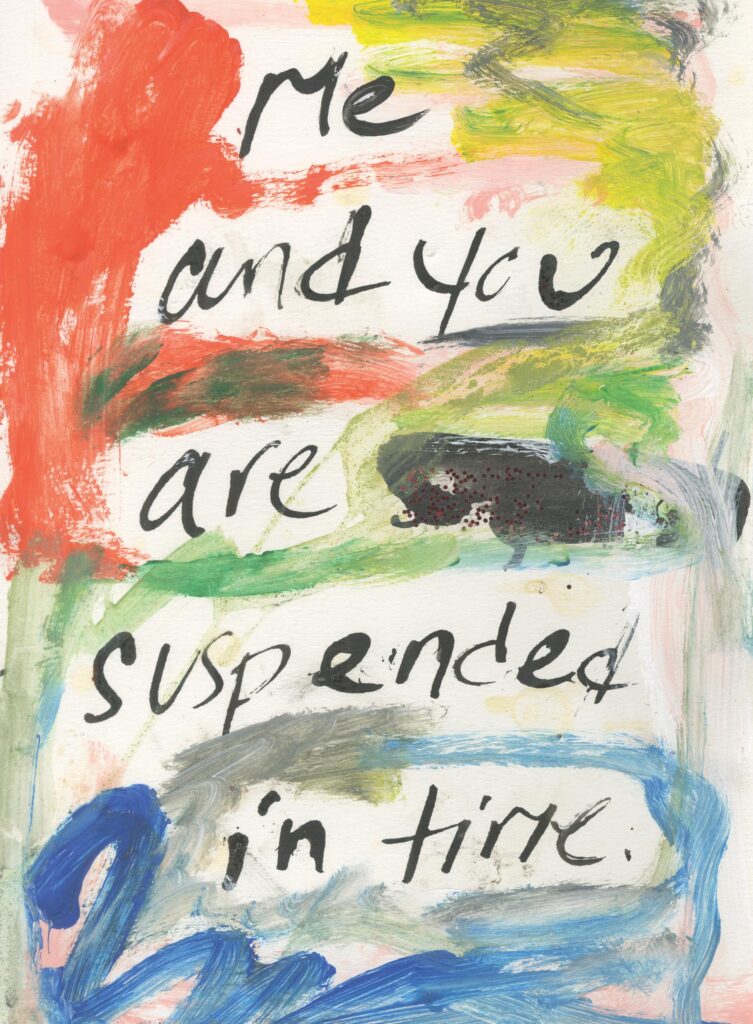
“This project is unlike anything I’ve ever done, and I’m proud of what came out of us,” LaForge reveals. “The book feels alive, touched by a real kind of magic—the kind that only shows up when two people meet at exactly the right moment and say yes.”
LaForge was born in Las Cruces, New Mexico, and has lived and worked in the East Village for two decades. His work has been exhibited at the Leslie-Lohman Museum in New York, the Friedrichshof Museum in Vienna, and the Spritmuseum/Absolut Art Collection in Stockholm. A feature-length documentary, Scooter LaForge: A Life of Art, was released in 2023, and a 30-year survey of his paintings opened at Lesley University College of Art and Design in 2024. He also designs a celebrated line of bespoke clothing sold through Patricia Field’s ArtFashion Gallery. His pieces have been worn by Madonna, Rihanna, Beyoncé, Miley Cyrus, and Debbie Harry, and his costume designs have been Emmy- and Tony-nominated.
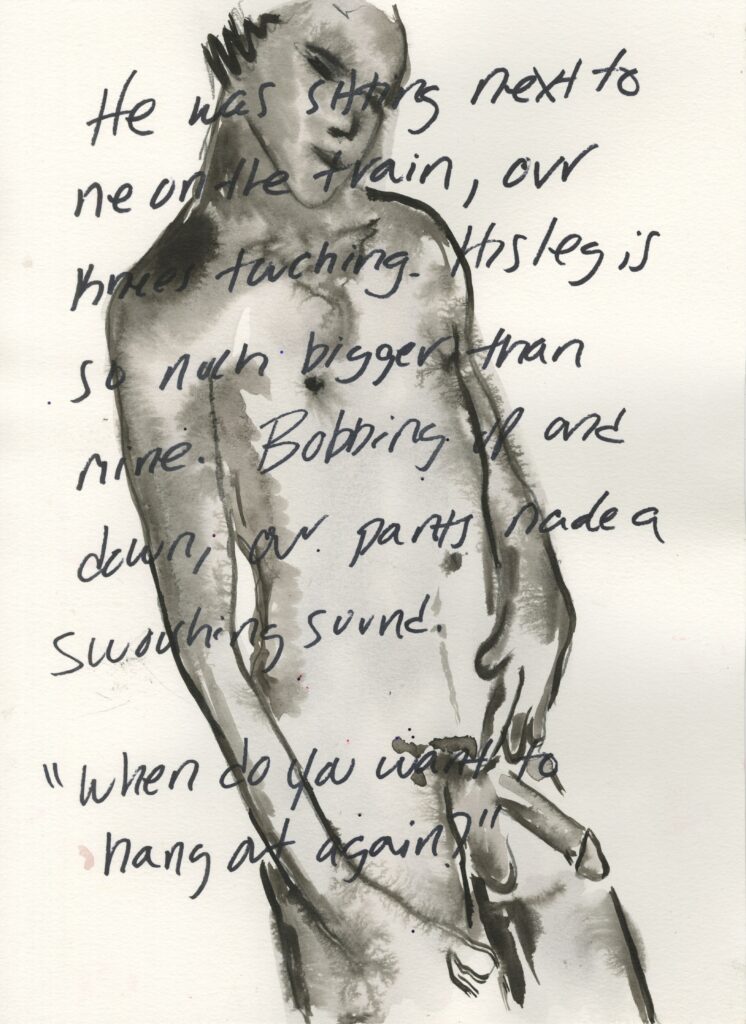
Haaf was born in Coral Springs, Florida, and is based in Brooklyn. His work utilizes intimacy and confession at its root. His debut novel, Harsh Cravings (Polari Press, 2022), is a 90-day diary taking place during the summer and fall of 2020. Can I See Your Niche?, featuring Haaf’s cut-ups and collages, is published by Trapart Books, 2023. Watchword, a collaborative unbound art book featuring prose and collage, was published by @ND in 2023. His writing and art have also been featured in Truant, Rendering Unconscious: Psychoanalytic Perspectives, Politics & Poetry, The Trapartisan Review, Shower with Affection: Group Shower, and Hello Mr. magazine.
We caught up with Haaf and LaForge to find out more about Wasteland and about how they see the art of travel.
Vacationer Magazine: Briefly describe your experience of co-writing an “art novel” together.
Scooter: Wasteland coalesced with remarkable ease. Our collaboration unfolded organically and with great fluidity, and I am immensely pleased with the results.
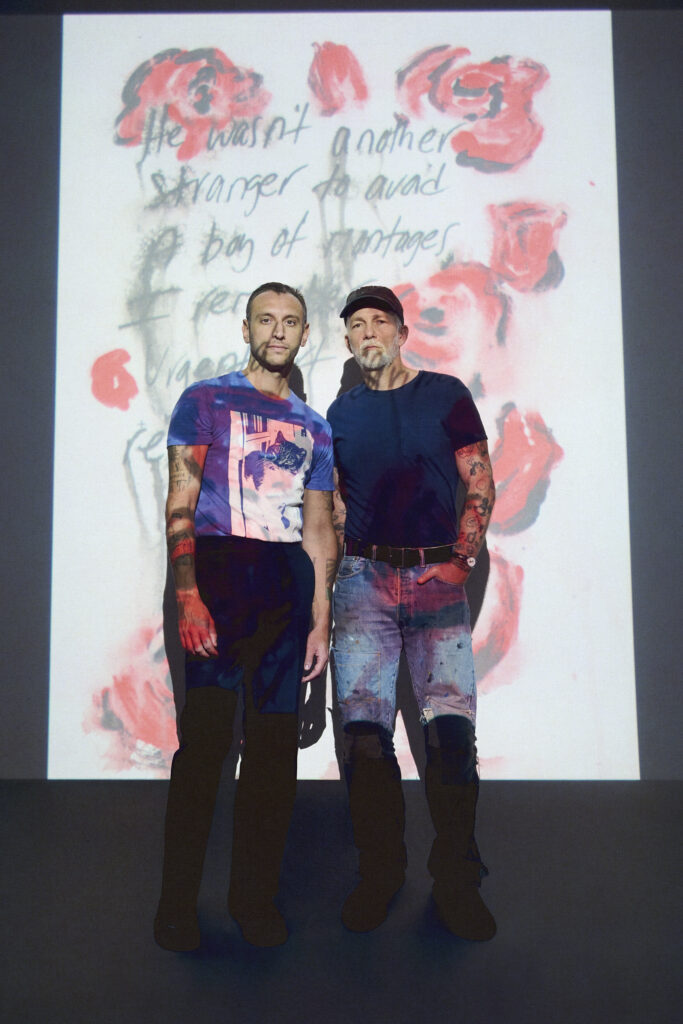
Jason: It’s a combination of intuition and curiosity. I would give Scooter pieces of my writing on watercolor paper, pieces of a diary and he would choose, through feelings, which ones to paint on and around, whatever spoke to him. There was no planning or pre-design.
What might appeal to Vacationers about Wasteland?
Jason: I think that Wasteland can be thought of as a queer or gay state-of-mind. It may appeal to Vacationers because Wasteland can be a location, you move through it, you travel through it. Where it can be read, I leave that up to the reader. Wherever they want or feel comfortable.
Speaking of travel, where have you recently been that you can recommend?
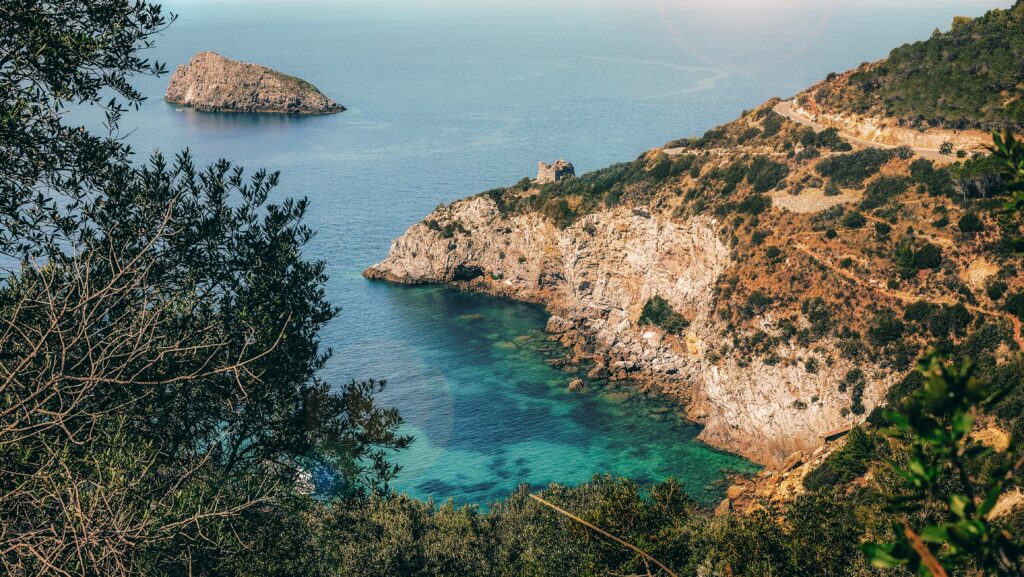
Jason: A couple of years ago, I visited Monte Argentario, just outside of Tuscany. It was this winding sea village, full of cliffs. In the morning, I would walk down these steep, rocky steps that led down to the ocean and reflect in ways that I may not have been able to back in New York.
Do you have a travel ‘bucket list’ of iconic places you’d wish to visit?
Scooter: At the top of my travel aspirations are the Egyptian pyramids—particularly those at Giza—as well as the ancient pyramids of Mexico, such as Teotihuacan. I am also deeply interested in immersing myself in the culture and complexity of Mexico City.

Jason: I really do need to travel more. It was one thing that I put aside in my twenties as I was getting settled in New York. I’d like to see Lisbon and Barcelona. I think I would appreciate travel even more now that I’m older and am able to take in culture and history in a more fulfilling way.

You were born in New Mexico and in Florida, respectively. What are your current thoughts about these states?
Scooter: New Mexico is a profoundly beautiful and almost mystical place—aptly nicknamed the “Land of Enchantment.” Anyone who visits is truly fortunate, as the state offers an astonishing array of surreal and breathtaking landscapes to behold.
Jason: I think people should see the Everglades and learn about them, their history, the wildlife, the people who lived and cultivated the land. And it’s important to learn how pollution has eradicated and altered the water and life there.
Each choosing your home state, what are the 5 top things you could recommend to visitors?
Scooter: If I were tracing the spirit of New Mexico, I’d begin in Hatch —where green chile isn’t a condiment, it’s a devotion, roasted in roadside drums, perfuming the whole valley.
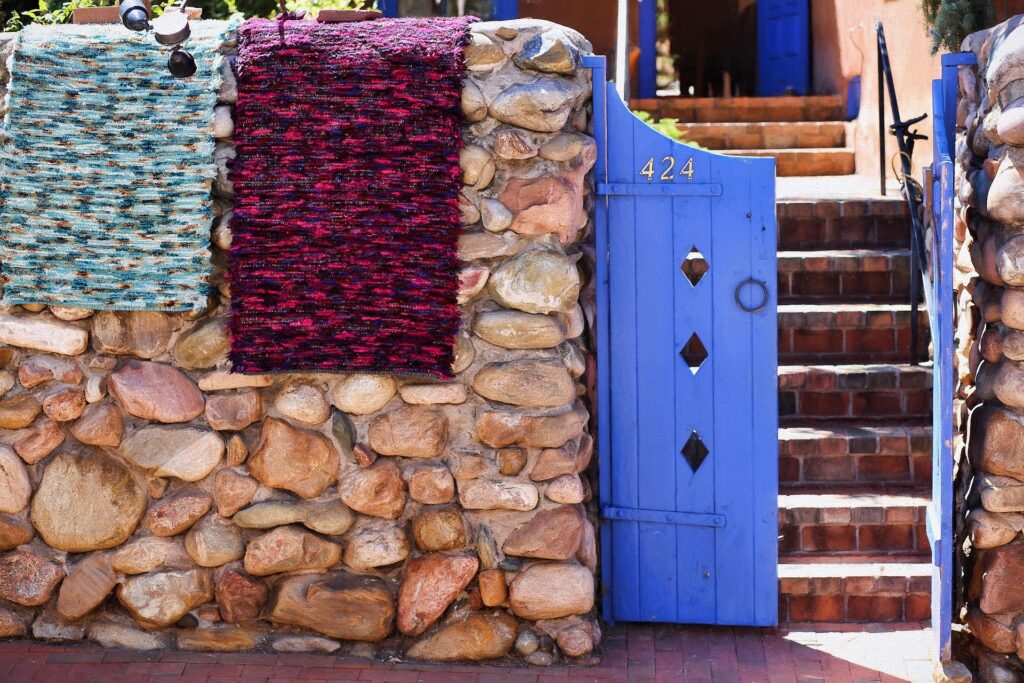
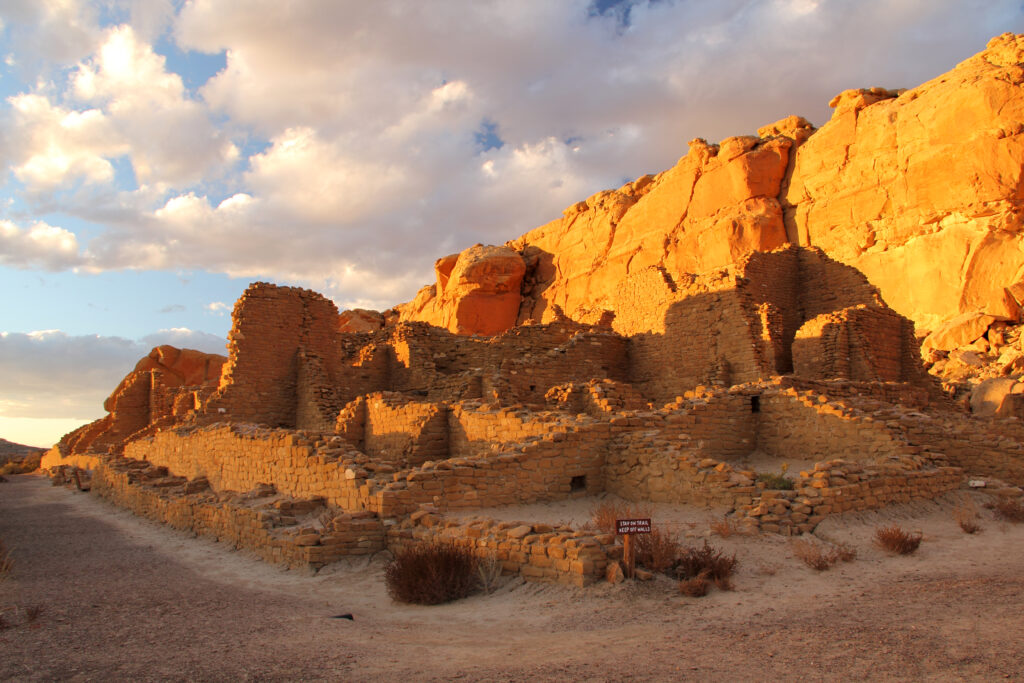
Then onward to Abiquiú, land of vast canyons and cinematic silence, where the mesas blush at dusk and every hike feels like walking through a painting.
In Santa Fe, I’d wander adobe corridors of art and myth, linger beneath the stars at the Santa Fe Opera, where arias rise into the desert night.
And finally Albuquerque, cruising the neon stretch of U.S. Route 66, a ribbon of Americana turning one hundred —proof that even roads can have birthdays and stories that never quite end.
New Mexico: heat, horizon, and a little holy magic in the dust.
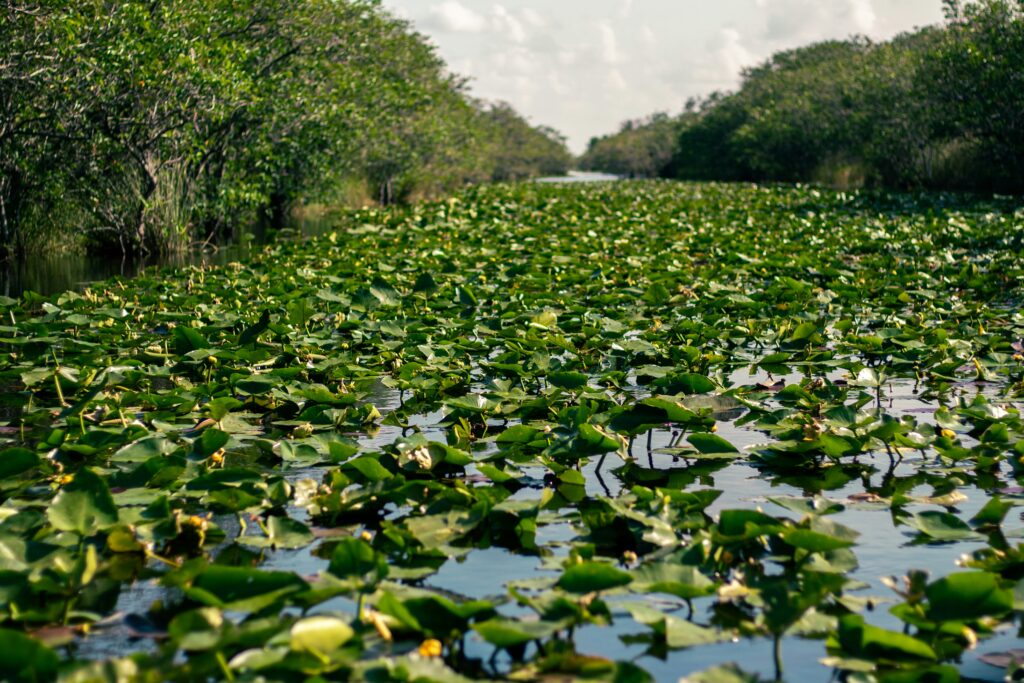
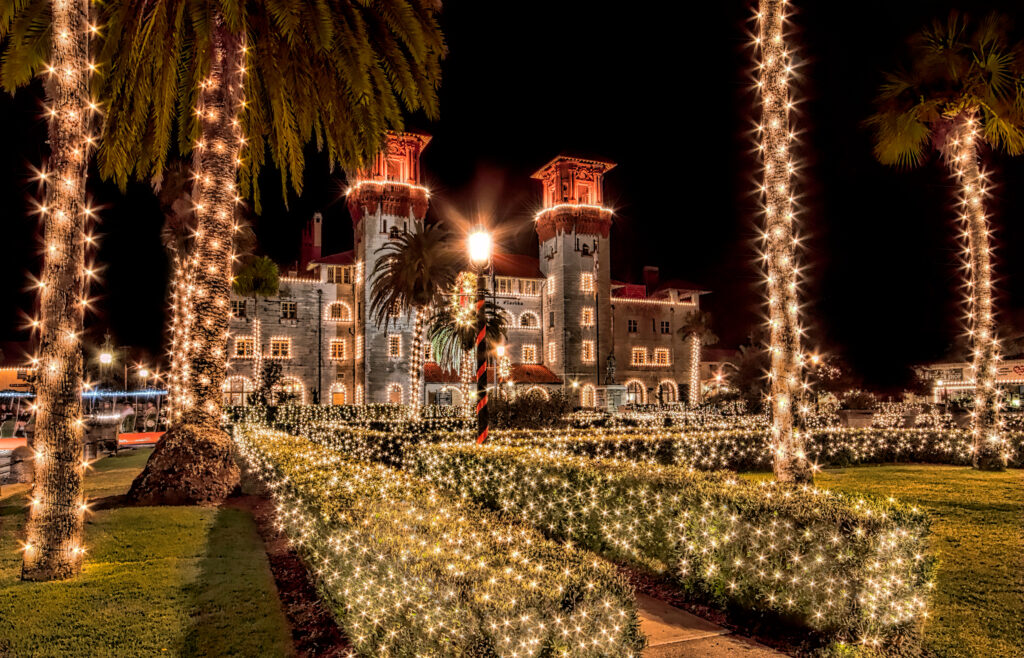
Jason: In Florida: the Everglades, the buildings of St. Augustine, the town of Christmas where it is Christmas year-round, the white and rocky beaches in The Keys, and it may have been torn down but I would have told people to drive past this place called Deenie’s Hideaway, which was a large rectangular-shaped building, that was actually a swinger’s club in the middle of suburbia.
Anything at all you’d like to add or mention about the intersection of travel and art?
Scooter: As a painter, travel is my true atelier. Each departure widens the aperture of my seeing, new light, new dialects of architecture, landscapes that rearrange my inner geometry. To witness how differently people live is to discover fresh palettes of possibility.
Adobe curves, neon hymns, desert horizons, they expand the canvas of my mind. When I journey, my vision brightens. The world becomes pigment. And I, merely the brush.
Jason: Travel can be both literal or metaphorical and sometimes, a little in between. I hope when Vacationers read Wasteland, they think about how they’ve traveled and where they’ve been and where they are now.