
Türkiye Beyond the Headlines: An LGBTQ+ Guide to a Complex Destination
The recent decision by Turkish authorities to deny entry to an Atlantis Events LGBTQ+ cruise made headlines around the world—and understandably so.
Officials said the voyage did not align with Türkiye’s “moral values,” forcing the ship to bypass both Istanbul and Kuşadası. For many travelers, it raised an important question: Is Türkiye still worth visiting as an LGBTQ+ traveler? The answer is more nuanced than headlines suggest.
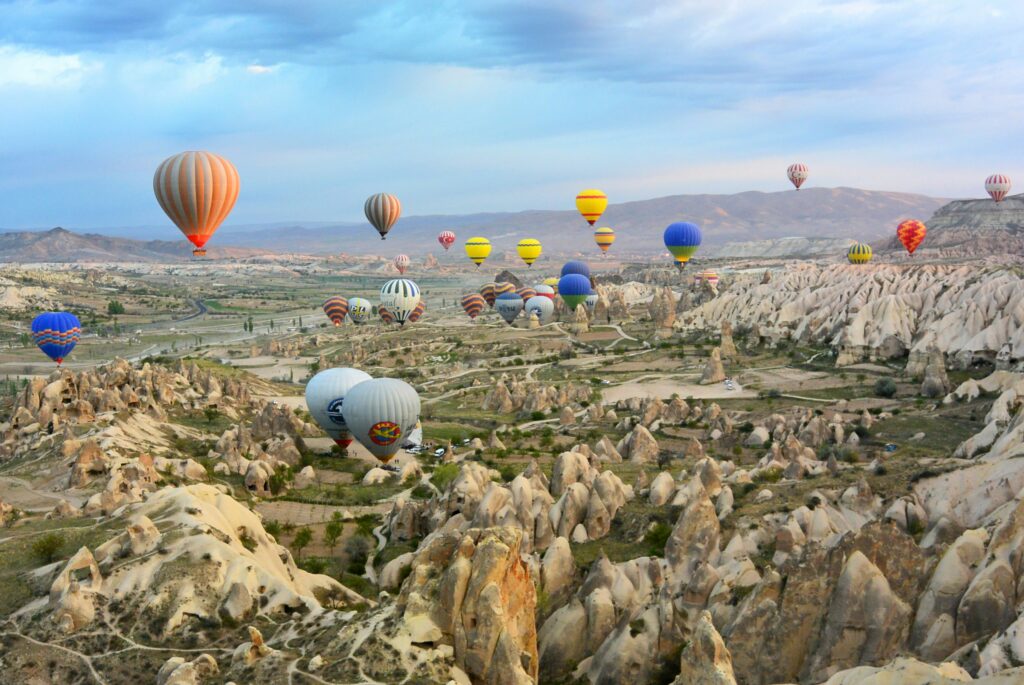
Türkiye today is a country of striking contrasts. It is home to one of the oldest continuously inhabited cities on Earth, some of the Mediterranean’s most spectacular coastlines, and a long, often overlooked history of sexual diversity dating back to the Ottoman Empire. At the same time, the current government has taken an increasingly hostile stance toward LGBTQ+ visibility, particularly in public life, even while millions of international visitors—including queer travelers—continue to visit each year without incident.
Istanbul: Türkiye’s LGBTQ+ Capital
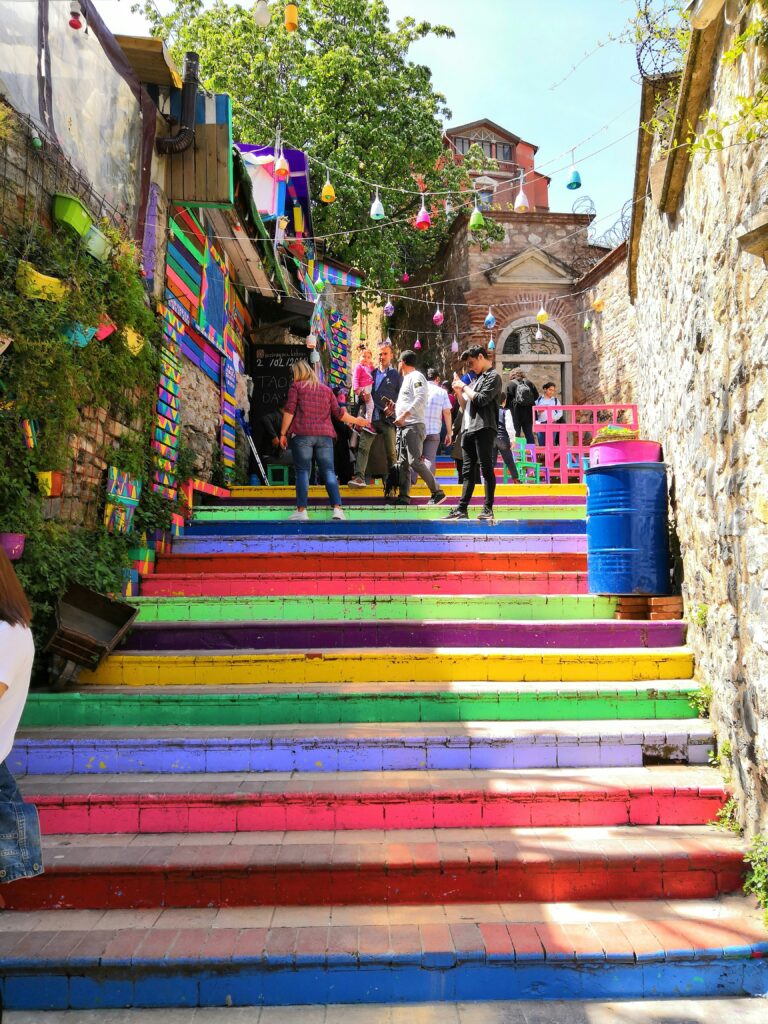
If there’s one city that continues to sustain Türkiye’s queer culture, it is the capital, Istanbul. The neighborhoods of Beyoğlu, Cihangir, Galata, and increasingly Kadıköy remain home to artists, students, creatives, and a visible LGBTQ+ community. While the scene is smaller than it once was, it remains resilient.

Popular LGBTQ+ venues include:
- EXbar – perhaps Istanbul’s best-known gay bar, drawing a mixed local and international crowd.
- Stay Club Istanbul – a late-night dance club popular on weekends, and host of International Bear Week in September!
- Bigudi Club – known for drag performances and energetic dance parties.
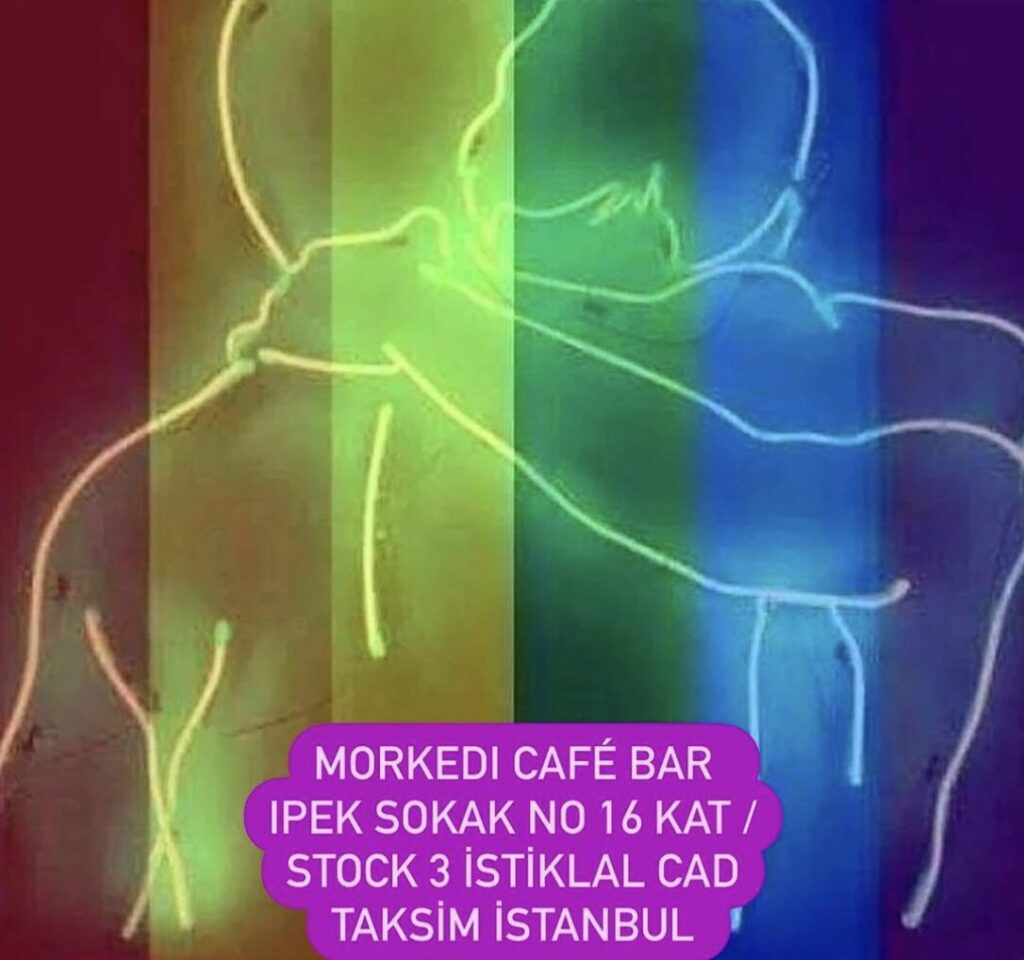
- Cafe Mor Kedi – a welcoming café that has long been popular with the city’s LGBTQ+ community.
Rather than a large commercial “gay village,” Istanbul’s queer life is woven into the city’s broader café, arts and nightlife culture. Many mainstream restaurants, rooftop bars and boutique hotels in Beyoğlu and Karaköy welcome LGBTQ+ visitors without fanfare.
Beyond Istanbul
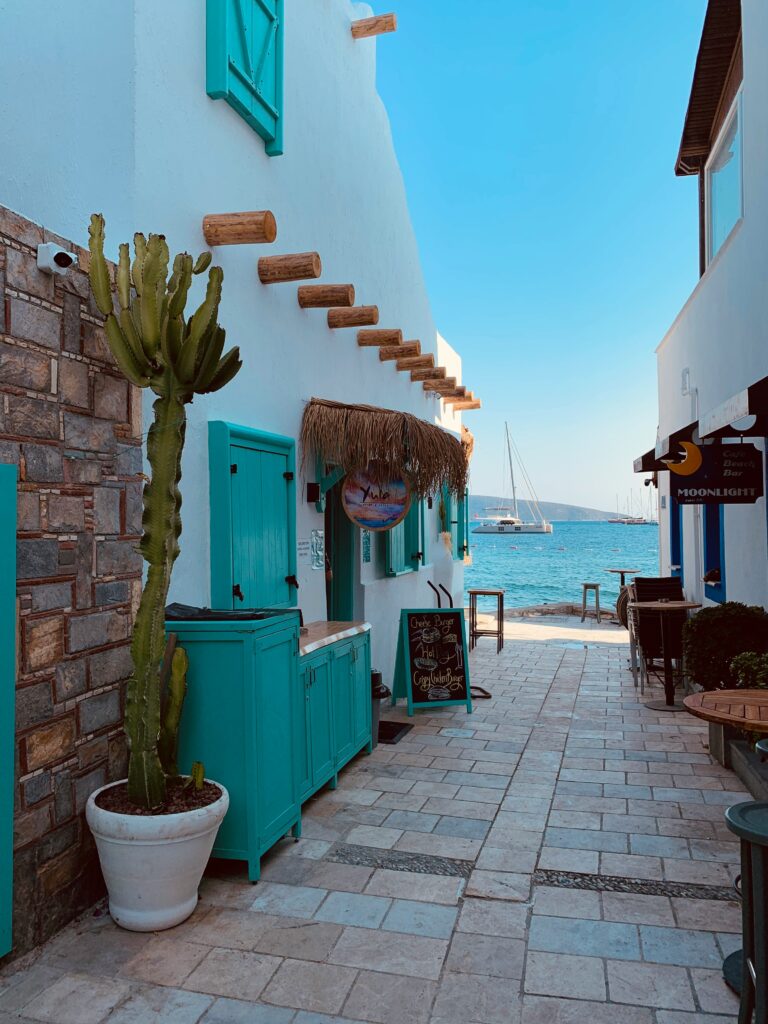
Outside the country’s largest city, acceptance varies considerably. Bodrum has become one of Türkiye’s most cosmopolitan seaside destinations, attracting affluent Turkish vacationers and international visitors. Çeşme and neighboring Alaçatı offer stylish boutique hotels, beach clubs and a relaxed atmosphere popular with younger travelers.
Antalya has an international tourism industry in which LGBTQ+ visitors are generally treated professionally, if not warmly welcomed, particularly at upscale resorts. Top choices include Akra Hotel in the city center, Swandor Hotels & Resorts Kemer, and boutique historic stays like Doğan Hotel in Kaleiçi.
The fairy-chimney landscapes of Cappadocia and the ruins around Ephesus are also frequently visited by LGBTQ+ travelers without difficulty, although these are sightseeing destinations rather than queer nightlife hubs. Istanbul Gay Tours offers an itinerary in Cappadocia—the tour includes a private tour guide and private vehicle with a driver. It includes the famed Derinkuyu Underground City, Göreme, and much more. Ephesus Travel Guide has previously offered gay tours that take in sites such as the Library of Celsus, the Great Theatre, and the Temple of Artemis.

Dining Like a Local
Türkiye’s hospitality culture often transcends politics. Excellent and generally welcoming choices in Istanbul include:
- Queb Rooftop Restaurant for panoramic Bosphorus views.
- The First Ottoman Lounge & Restaurant for traditional Ottoman cuisine.
- Harab’be Cafe for coffee, desserts and people-watching.
- Yabangee Base Cihangir Pub & Cafe, a popular gathering place for expatriates, creatives and an LGBTQ+-friendly crowd.
Legal Protections: Know the Landscape
Türkiye presents an unusual legal picture. Same-sex sexual activity has been legal since 1858, making Türkiye actually one of the earliest countries in Europe or the Middle East to decriminalize homosexuality. However, travelers must keep in mind the following:
- Same-sex marriage is not recognized.
- Civil partnerships are unavailable.
- There are no nationwide anti-discrimination protections covering sexual orientation or gender identity.
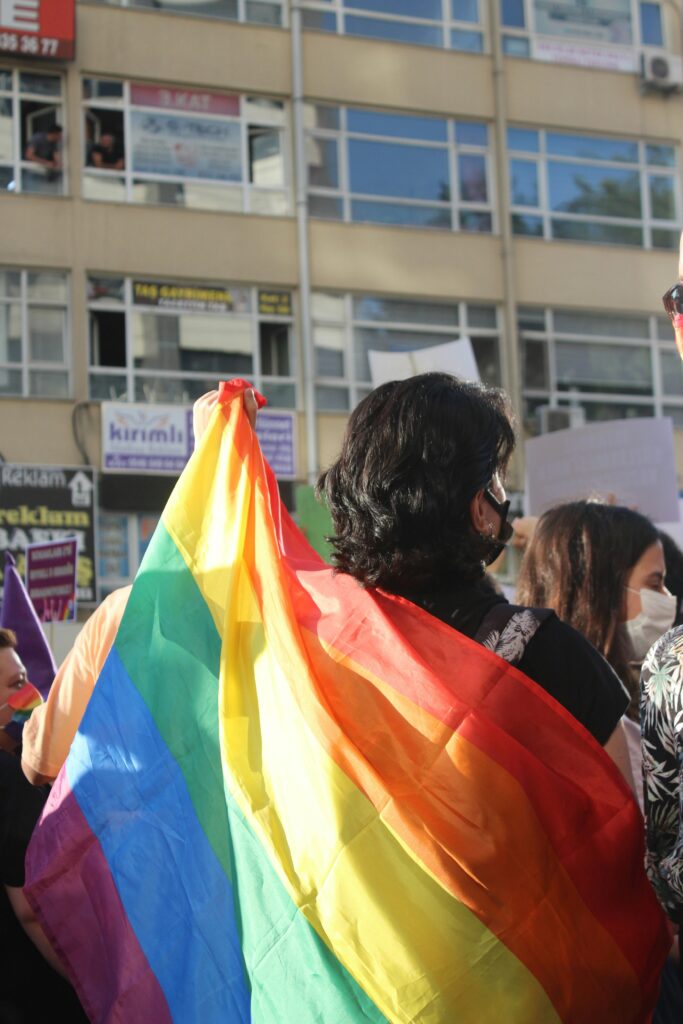
- Pride marches have mostly been prohibited since 2015, with police often dispersing public demonstrations.
- Recent proposals have sought to further restrict LGBTQ+ expression, although the legal landscape continues to evolve.
In practice, many LGBTQ+ Turks live openly among friends and family, while being more discreet in public settings.
LGBTQ+ Community Resources
Several organizations continue to support Türkiye’s LGBTQ+ community despite increasing pressure. Among the best-known are:
- Lambdaistanbul LGBTI+ Solidarity Association, one of the country’s oldest LGBTQ+ advocacy organizations.
- SPoD (Social Policy, Gender Identity and Sexual Orientation Studies Association), which provides legal support, advocacy and educational resources.
- BoMoVu, which promotes inclusion through arts and cultural initiatives.
These organizations often publish practical information, community events and legal guidance for both residents and visitors.
Safety Tips for Western LGBTQ+ Travelers
Most LGBTQ+ tourists experience Türkiye without serious problems, particularly in major tourist destinations. Nevertheless, expectations should be adjusted.
- Public displays of affection—whether same-sex or opposite-sex—are generally less common than in North America or Western Europe.
- Exercise extra discretion in conservative neighborhoods and smaller towns.
- Luxury hotels, international chains and established tourism businesses are typically accustomed to serving LGBTQ+ guests.
- If traveling as a couple, booking a double room is rarely problematic at international hotels, though discretion at check-in is advisable in smaller family-run properties.
- Avoid photographing police activity or political demonstrations.
- Stay informed about local events, as Pride gatherings or protests can be restricted at short notice.
The Bottom Line, Pun Intended
The recent refusal to allow Atlantis to dock (and Broadway legend Patti LuPone’s fab response—”I am furious, but I am sailing”!) was a reminder that government policy and everyday life are not always the same thing. Travelers willing to exercise situational awareness, caution, and respect will be rewarded with extraordinary architecture, unforgettable cuisine, vibrant nightlife, and genuine human warmth.
Browse the top-recommended LGBTQ+-friendly hotels in Türkiye here.