Your Quick Guide to a Queer Route 66 Road Trip
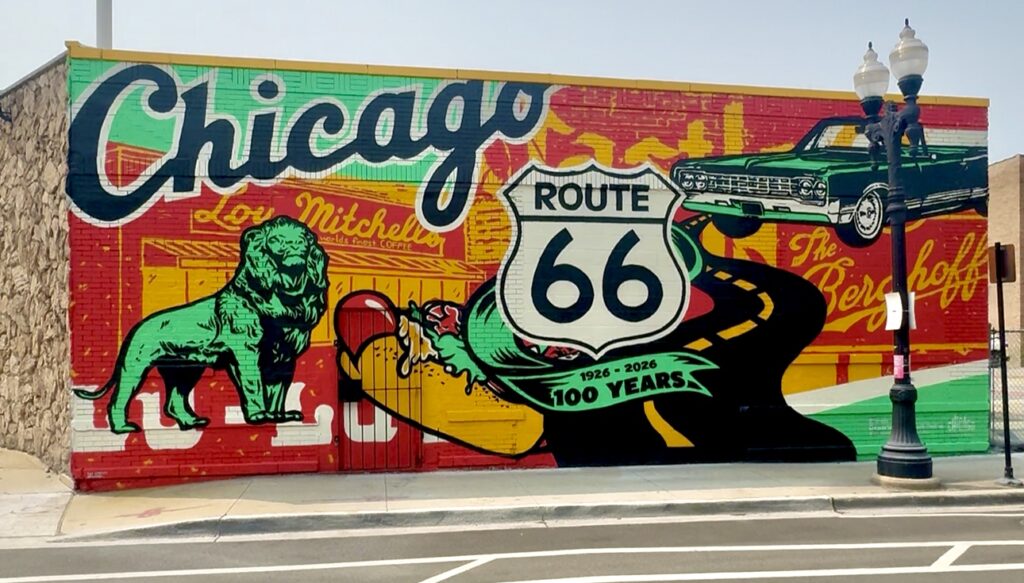
In 2026, Route 66 is celebrating its 100th anniversary with nationwide events, focusing on nostalgia, preservation, and a “renaissance” of the Mother Road.
While Route 66 is celebrated for its vintage diners and neon signs, it also holds a hidden history of LGBTQ+ resilience and community. Today, modern travelers can experience a mix of historic bars, vibrant rainbow districts, and queer-welcoming accommodation and scenic spots that keep the spirit of the “Mother Road” inclusive in its centennial.
Key highlights include the National Kickoff in Springfield, MO; neon sign restorations in Albuquerque; new public art; extensive car shows, festivals, and caravans stretching from Chicago to Santa Monica—and some great accommodation options, from the kitsch to the picturesque.
Illinois: The Gateway to Pride
Your journey begins in Chicago, home to Northalsted (formerly Boystown), the first officially recognized gay neighborhood in the U.S. Be sure to visit the Legacy Walk Museum, an outdoor museum in Northalsted celebrating LGBTQ+ icons and history. Drop by Second Story Bar for a drink. It’s located near the Chicago leg of Route 66; this “Tower Town” relic has served as a relaxed LGBTQ+ refuge for over 35 years.
Why Start in Chicago?
For a century, Route 66 has connected Chicago to the Pacific Coast, earning its place as one of the most recognizable roadways in the world and a defining symbol of America. Established 100 years ago to connect the Great Lakes to the Pacific Coast, Route 66 has evolved into one of the most recognized travel experiences in the United States and a powerful draw for international visitors. With roughly 40 million travelers experiencing some portion of Route 66 each year—the majority of whom come from overseas markets—this is an opportunity for Chicago to capture global demand at the starting point of the journey. With the official centennial kickoff underway, the city is well-positioned to turn that demand into visitation and inspire travelers to start their journey where it began.


“Chicago is proud to be the starting point of Route 66, and the centennial is a once-in-a-generation opportunity to celebrate the road’s legacy and attract international visitors eager to experience this iconic piece of Americana,” said Kristen Reynolds, President and CEO of Choose Chicago. “We’ve spent years preparing for this moment—building experiences, strengthening partnerships, and creating new ways for visitors and residents to engage with Route 66. We look forward to celebrating throughout the year and encouraging exploration of the ‘Mother Road’ right here where it begins.”
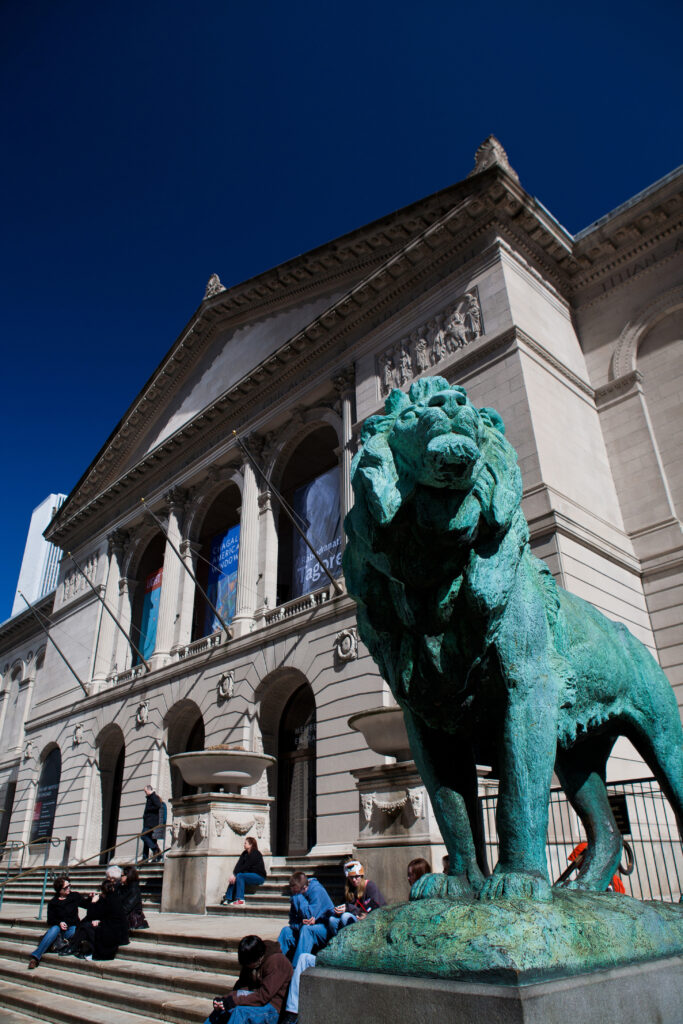
Choose Chicago is working across the local ecosystem to ensure visitors can experience Route 66 in tangible and meaningful ways. The journey is anchored by a cultural partnership with the Art Institute of Chicago—recognized as the official starting point of Route 66—where new works from Native American artist Susan Folwell’s Route 66 series, an Artist Talk on May 28, and a refreshed Route 66 tour within the museum’s My Museum Tour tool bring the story of the road to life.
This is complemented by partnerships across the city, including collaboration with the Chicago Transit Authority to introduce a special-edition Route 66 Ventra card and promote destinations along the route, as well as the designation of a centennial starting point at Navy Pier, creating a symbolic “pier-to-pier” connection with Santa Monica Pier and reinforcing Chicago’s role at the beginning of the journey.
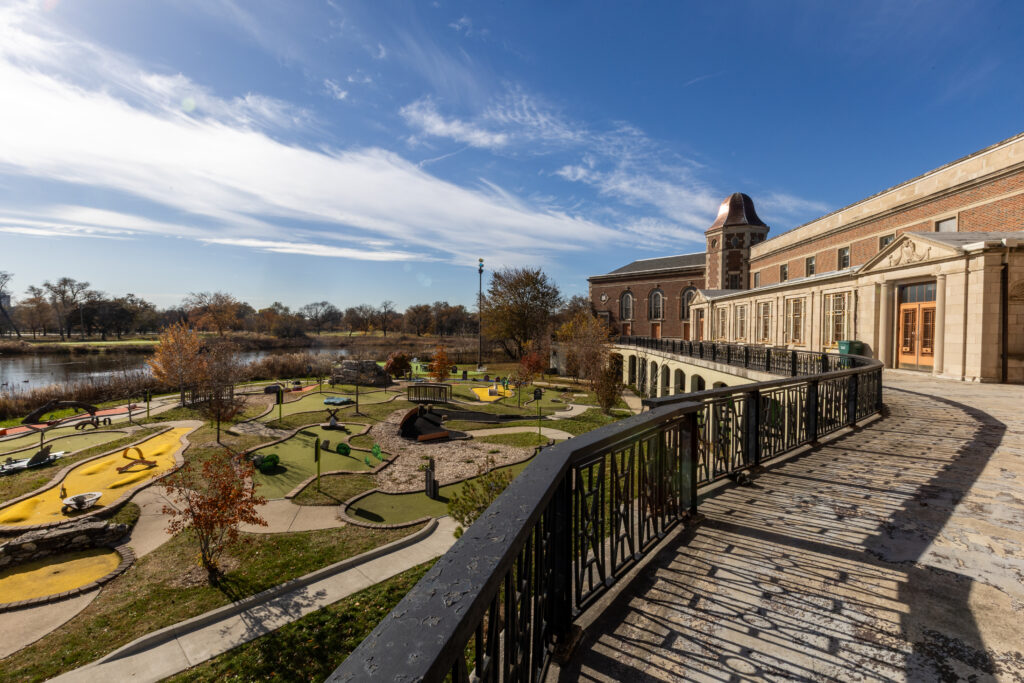
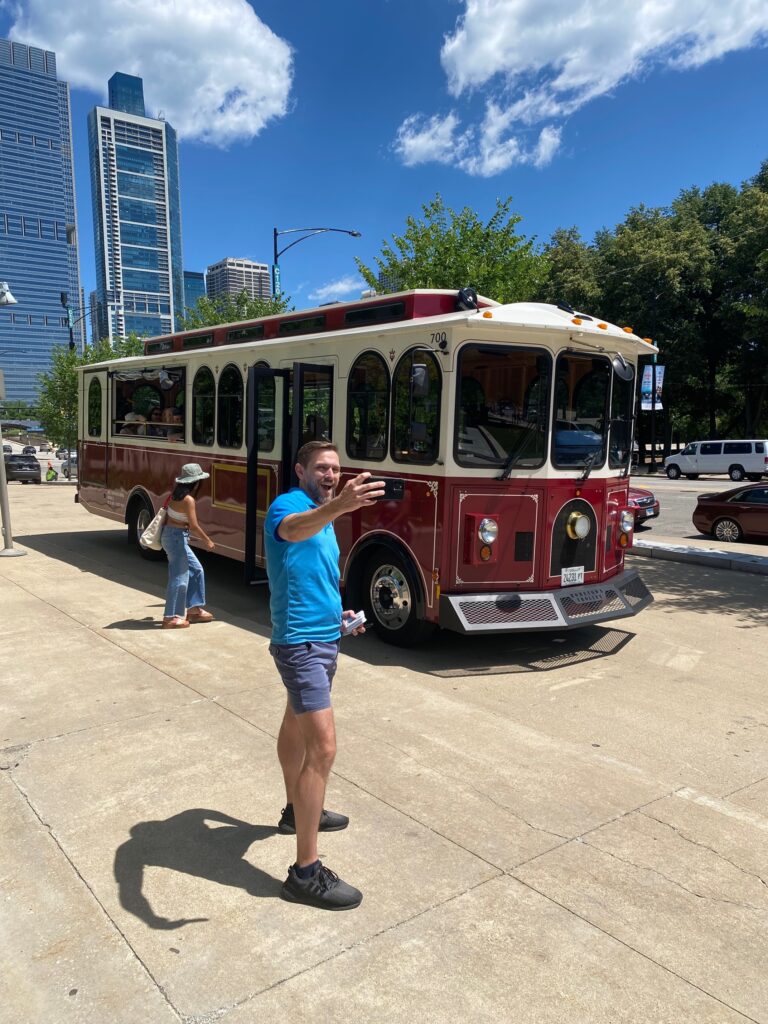
Visitors can further engage with Route 66 through curated experiences offered by partners across the city, including sightseeing tours from operators such as Tours with Mike, Big Bus, and the Chicago Architecture Center, as well as exclusive hotel packages at participating properties, including the Fairmont Chicago, The Whitehall Hotel, Best Western Grant Park, and the Palmer House. Additional cultural programming, neighborhood activations, and events will continue to roll out throughout the year, reflecting a unified, citywide effort to leverage the centennial as both a cultural milestone and a strategic opportunity to drive visitation, support local businesses, and elevate Chicago’s global profile.
Springfield, IL Stops
Springfield offers a small but welcoming LGBTQ+ scene centered on downtown nightlife and inclusive community spots, such as Clique (a popular gay bar for karaoke/DJ nights, see what’s on here). The city, home to The Illinois Eagle newspaper, also has several welcoming downtown spots like Anvil & Forge, serving elevated pub-style food and drinks in Downtown Springfield. We love that their Instagram profile touts their “clutch ass” pizza.
Bloomington, IL
The Bistro in downtown Bloomington has been gay-owned for 30 years and is home to drag nights, karaoke, drag bingo, drink specials, and other events. The lesbian-owned Bobzbay Books is on Main Street.
Missouri: Hidden Gems and “Gay Parita”
Missouri offers some of the most unique and surprising LGBTQ-themed roadside stops on the entire route.
Gary’s Gay Parita Sinclair Station: Located in Ash Grove, this meticulously restored 1926 gas station was named after its original owner, Gay Mason. We love the name, and it is a beloved piece of Americana that has become a symbol of hospitality for travelers of all kinds. It’s also a great spot for a selfie.
St. Louis “The Grove”: This neighborhood is the city’s LGBTQ+ hub, featuring murals, art galleries, and legendary spots like Prism STL and Just John Nightclub.
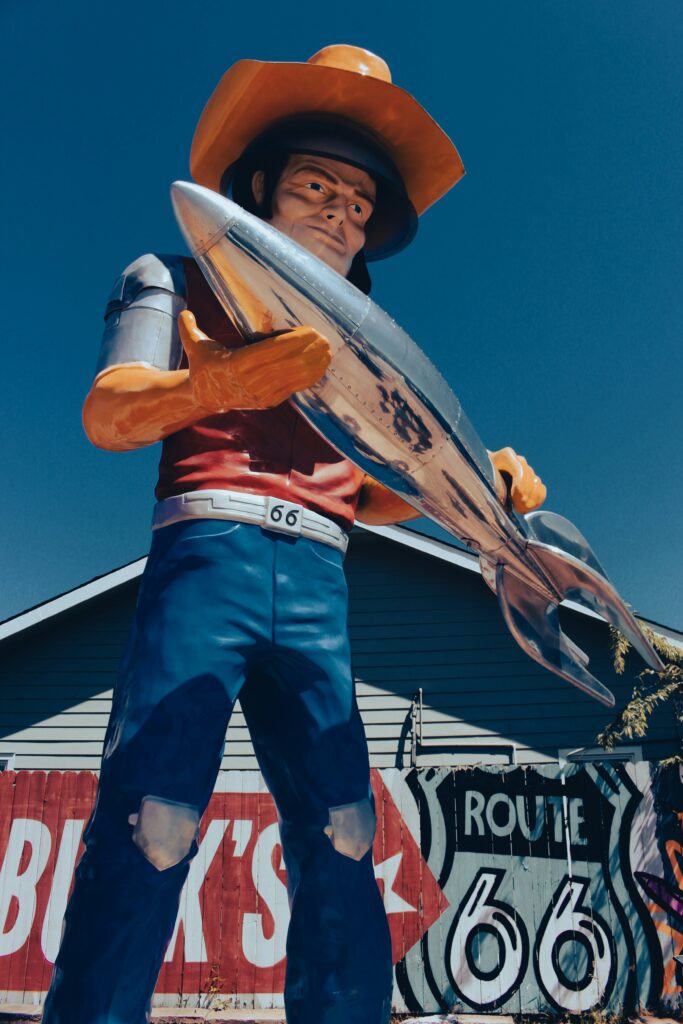
Oklahoma and New Mexico: Art and Inclusion
Oklahoma City: Often overlooked, OKC has a thriving LGBTQ+ scene. Travelers frequently visit the Philbrook Museum in nearby Tulsa for its diverse art collections before heading to OKC’s local queer-owned businesses. Go to Frankie’s for a drag show, or The Boom to have a bop and boogie with the local gays.
OKC has good, established LGBTQ bars to choose from, with Tramps the OG and oldest watering hole along Route 66. There’s also Angles, established in 1982. For a one-stop resort-and-entertainment vibe, go to District Hotel. They have rooms, a pool, and a salon/spa. Pick up a souvenir, talisman, or some other magical memento to bless your journey at Craig’s Curious Emporium.
Get Social in Albuquerque, NM
Albuquerque, New Mexico, is known for its inclusive community of artists, wolf sanctuaries, and unobstructed views of the night sky and the Milky Way. Albuquerque Social Club is the oldest LGBTQ+ club in the Southwest, near Morningside Park in Nob Hill, the site of the city’s first Pride Parade (1977) and where Pride Week still takes place. , and where the community continues to hold rallies and vigils during Pride Week and throughout the year. For LGBTQ wildlife, head to Sidewinders Bar & Grill.
Santa Fe’s Inn of the Turquoise Bear, a historic adobe villa B&B in the Spanish-Pueblo Revival style, is the place to stay.
Arizona: High-Desert Hospitality
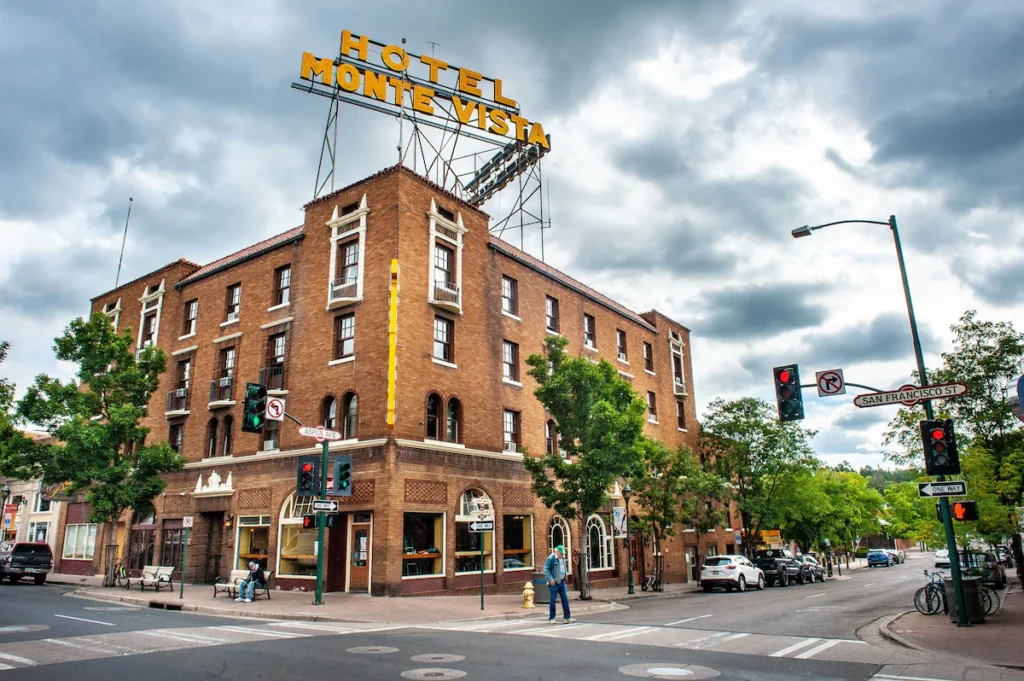
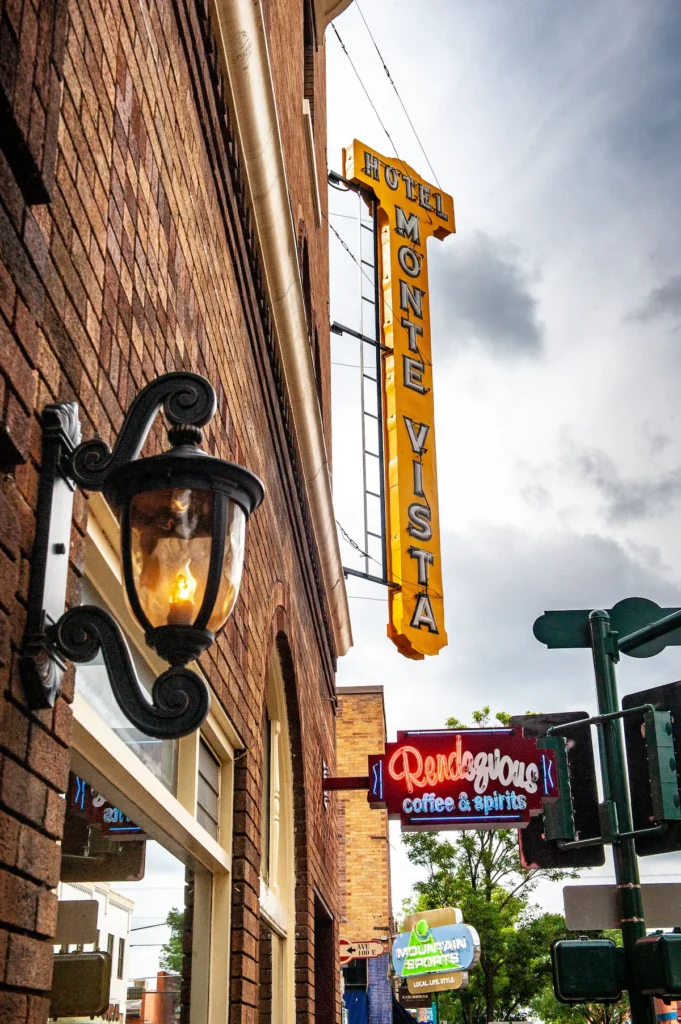
Northern Arizona is surprisingly rich in gay-owned businesses and welcoming communities. The LGBTQ+ community congregates at queer-friendly spots in Flagstaff, particularly Rendezvous (located in the Monte Vista Hotel). For nightlife and drag shows, or for special events such as those hosted by local producers, The Orpheum Theater is the primary option.
Winslow: Beyond the famous “Standin’ on the Corner” park, Winslow is noted for its welcoming atmosphere and the La Posada Hotel, a restored 1930s railroad hotel with a sophisticated, inclusive vibe.
Williams: Known as the “Gateway to the Grand Canyon,” Williams features historic Route 66 allure with rainbow flags flying outside its boutiques and cafes.
California: The Rainbow’s End
The route culminates in Los Angeles, where the LGBTQ+ history of the road is most visible.
Route 66 passes directly through West Hollywood’s rainbow district, the historic hub of activism. Must-visit spots include The Abbey, one of the world’s most famous gay bars, such as Mother Lode Bar, and the One Institute, which preserves queer history through art.
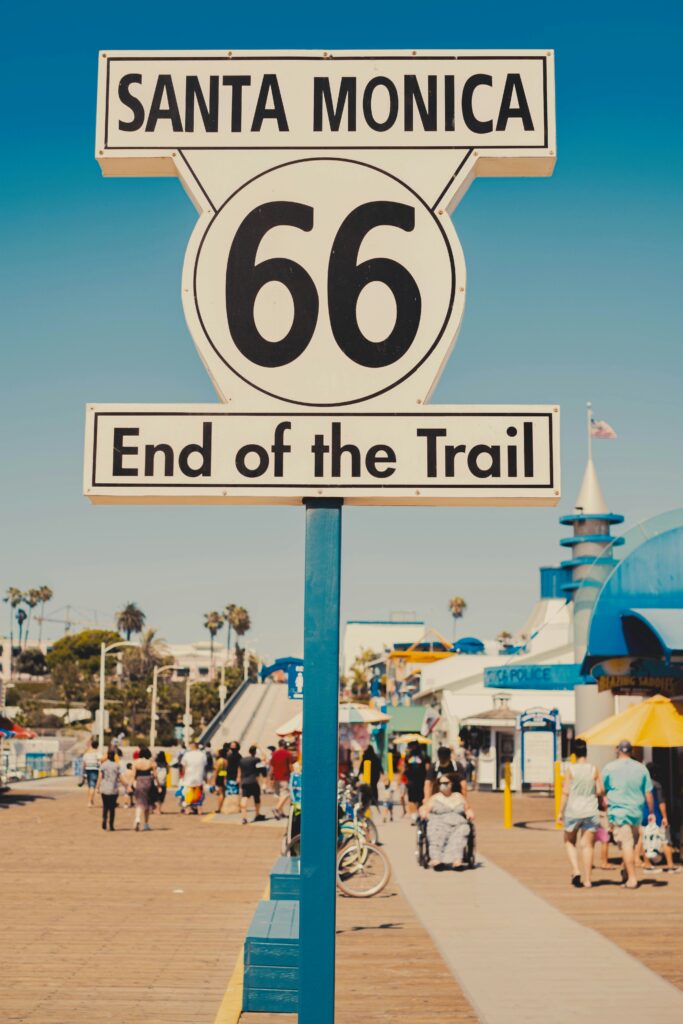
Santa Monica Pier is the official end of Route 66, where the journey concludes in one of California’s most progressive coastal cities, with some of the West Coast’s best beach vibes for a truly diverse experience.
Where to Stay Along the Way
While there aren’t many large-scale “gay hotels” directly on the Mother Road, you’ll find several charming LGBTQ-owned and themed accommodations that range from historic boutique mansions to retro-chic motels.
LGBTQ-Owned & Designed Accommodations
Spots like Hotel Chicago at the start of the route provide an “on the doorstep” access to gayborhoods. But the truly top LGBTQ-welcoming hotels are here.
The Truitt, Kansas City: Though technically not on the main Route 66 path, this boutique hotel is a must-mention for its design pedigree. It is housed in a historic mansion and was meticulously renovated by husbands David Tran and Ryan Hiser. It may well be worth the detour!
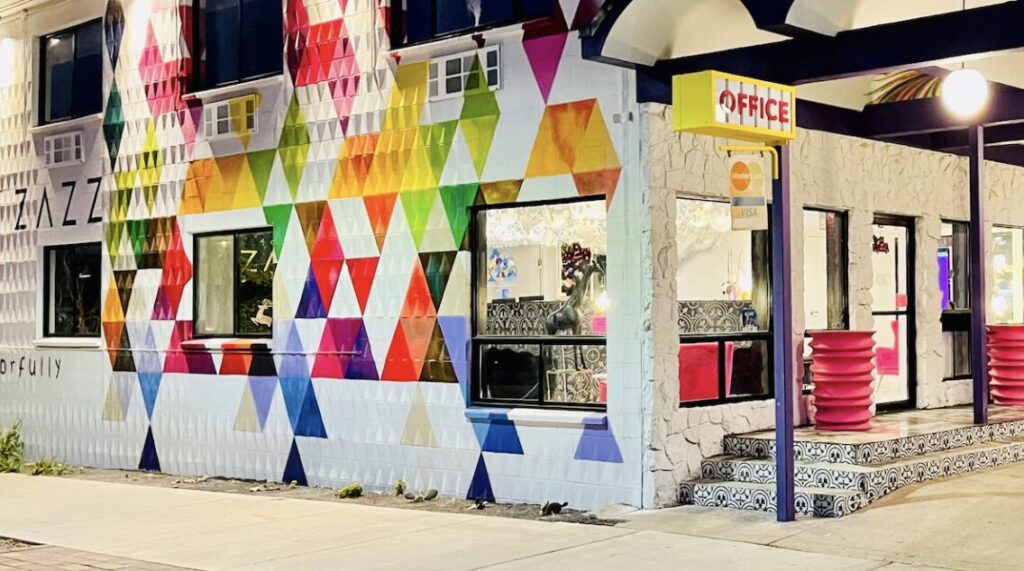
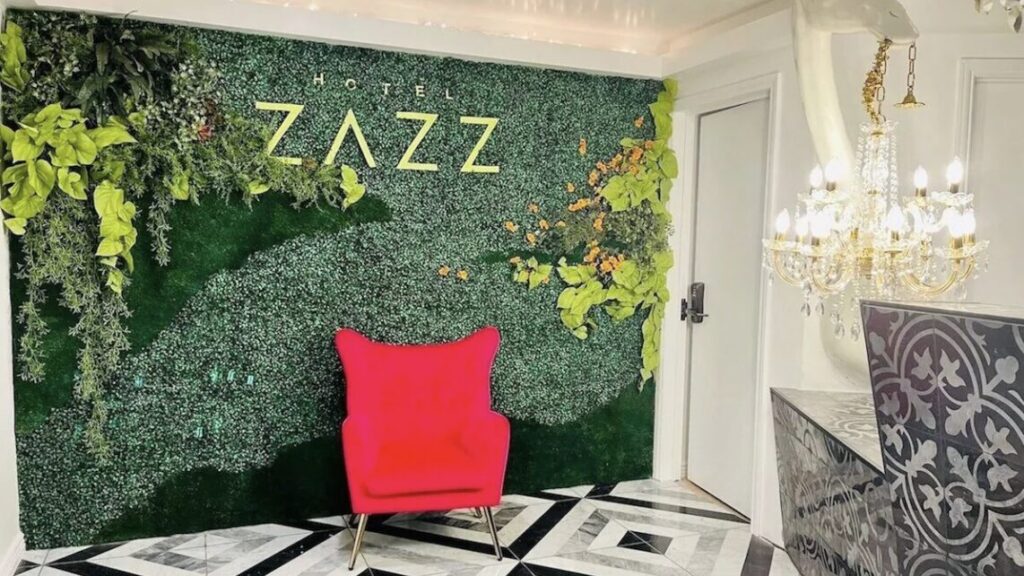
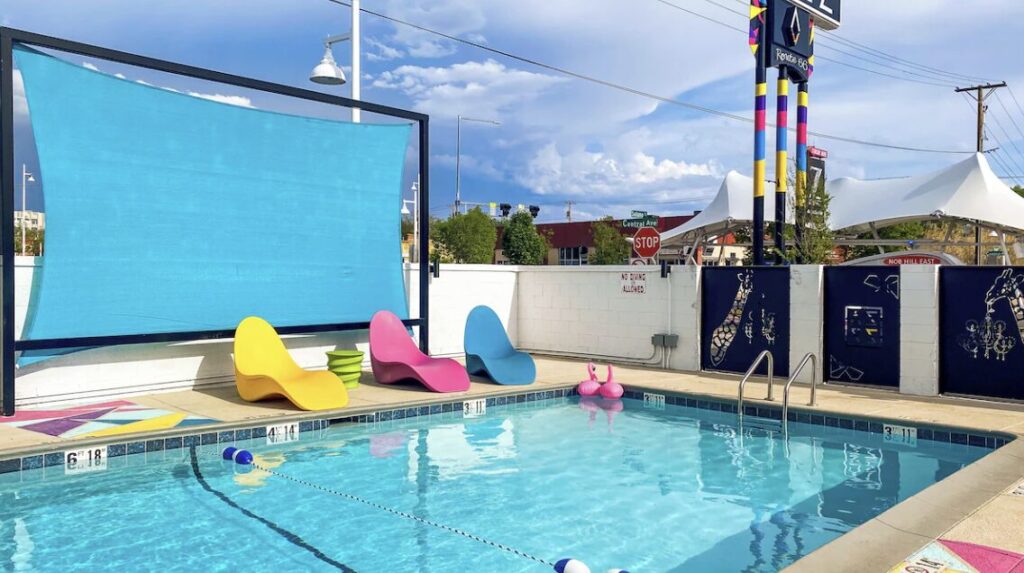
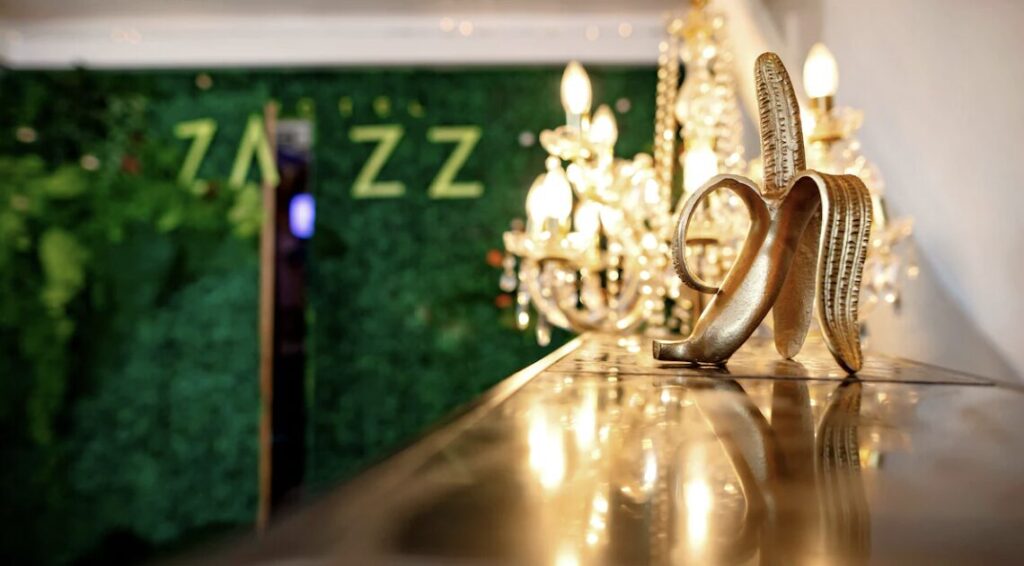
Hotel Zazz: Located in the Nob Hill district of Albuquerque along Route 66, this vibrant, immersive boutique hotel is a passion project of hospitality visionary Dr. Sharmin Dharas. It prides itself on being women-owned and mother-daughter designed, offering a “chromatic” experience with unique art in every room.
Arizona Sunburst Inn: If you take a short detour to Phoenix, this gay-owned, clothing-optional men’s resort is a legendary “desert oasis” that has catered to LGBTQ+ travelers for years. Midwest Living +4Highly LGBTQ-Friendly “Mainline” Stops
These locations are celebrated in queer travel guides for their inclusive atmosphere and community-focused events:
El Rey Court: A classic 1936 roadside property that has been revitalized with Southwestern mid-mod decor. It is widely known for hosting “queer nights” and community events that draw locals and road-trippers alike.
Hotel Monte Vista: A historic 1927 lodging that is a hub for the local LGBTQ+ community. Its cocktail lounge and coffee shop are popular “crew” spots for queer travelers exploring Northern Arizona.
The Campbell Hotel: A luxurious boutique hotel on historic Route 66 that was revitalized by local designers. While not exclusively LGBTQ-owned, it is frequently cited as a top choice for diverse travelers seeking a unique, upscale stay in Tulsa.Facebook +4
As the route ends, the Rainbow District in West Hollywood offers numerous hotels near legendary LGBTQ+ landmarks like The Abbey.
While Route 66 does not have many exclusively LGBTQ+ campgrounds, several queer-owned and highly inclusive spots are located either directly on the route or within a short detour.
Dedicated LGBTQ+ & All-Male Campgrounds
These sites offer specialized programming and communities, though some are located a short drive from the main road.
Cactus Canyon Campground and Resort: Located in the heart of the Ozarks, this 700-acre all-male, clothing-optional resort features hiking, swimming in a natural creek, and a full-service café, making it a popular nature retreat for queer men traveling through Missouri.
Camp Dawgwoodz Campground, Glenallen, MO: A husband-owned campground for men 21+ at the foothills of the Ozarks. It is known for its heated saltwater pool, themed events like “Leather Run,” and a friendly, community-focused atmosphere.
SIRenity Farms Campground, Sullivan, MO: This all-male, clothing-optional retreat offers cabins, RV hookups, and tent sites. It’s a peaceful 32-acre wooded property featuring a lake and hot tubs.
Rainbow Ranch Campground, Groesbeck, TX: While roughly a half-day’s detour from the Panhandle, this is one of the largest LGBTQ+ campgrounds in the U.S. It spans 700 acres and offers inclusive camping for the entire queer community on the shores of Limestone Lake.
Highly Inclusive Roadside Spots
Travelers on Route 66 frequently recommend these parks for their consistent friendliness and “safe space” reputations.
Territory Route 66 RV Park & Campgrounds, Hinton, OK: Located just two miles off the historic road, this park is often cited in travel groups as a welcoming, “gem” of a stop for diverse road trippers.
Enchanted Trails RV Park & Trading Post RV park Albuquerque, NM: This fun, retro-themed park is a Route 66 staple. It is known for its collection of vintage trailers and inclusive, affordable atmosphere that draws in many LGBTQ+ travelers.
El Morro National Monument Ramah, NM: Described by locals as a “best kept (gay) secret,” this area, about two hours from Albuquerque, offers cabins and camping near a vibrant community of artists and an inclusive wolf sanctuary.
Events Along Route 66
Route 66 comes alive with queer joy each summer, particularly during June’s Pride Month. Below are the major festivals and events happening along the “Mother Road” in the summer of 2026.
Springfield Pridefest (May 16, 2026): Held in downtown Springfield, this festival features live music, local vendors, and community performances.
Chicago Pride Fest (June 20–21, 2026): A massive two-day street festival in the historic Northalsted neighborhood featuring three music stages, drag shows, and over 150 vendors.
Chicago Pride Parade (June 28, 2026): One of the largest Pride parades in the world, this iconic four-mile procession serves as the grand finale of Chicago’s month-long celebration.
St. Louis PrideFest (June 27–28, 2026): Located downtown near the Soldier’s Memorial, this festival includes a food court, dance pavilion, and live entertainment. The Grand Pride Parade takes place on Sunday, June 28.
Pride Bar Crawl (St. Louis) (June 20, 2026): A high-energy tour through 4170 Manchester in the Grove district.
Tulsa Pride Bar Crawl (June 13, 2026): An official tour of the best bars in Tulsa to celebrate Pride Month.
Albuquerque Pride (June 12–14, 2026): New Mexico’s largest Pride event features a parade that marches directly down Historic Route 66 (Central Avenue).
Santa Fe Pride (June 21–28, 2026): A week of events culminating in a vibrant desert celebration.
WeHo Pride (May 22 – June 30, 2026): West Hollywood’s extensive celebration includes the WeHo Pride Arts Festival (May 23–24), the OUTLOUD Music Festival, and the legendary WeHo Pride Parade on June 7.
LA Pride (June 14, 2026): One of Southern California’s oldest and largest LGBTQ+ celebrations, organized annually by the nonprofit Christopher Street West since 1970. It features a major parade, LA Pride in the Park”, and community events.
View the 10 most popular and well-rated hotels along Route 66 here.