Why You Should Have This Polish Pride on Your List
If you think you know Europe’s Pride calendar, there is a good chance Katowice, Poland, is not on your list. That may be about to change.
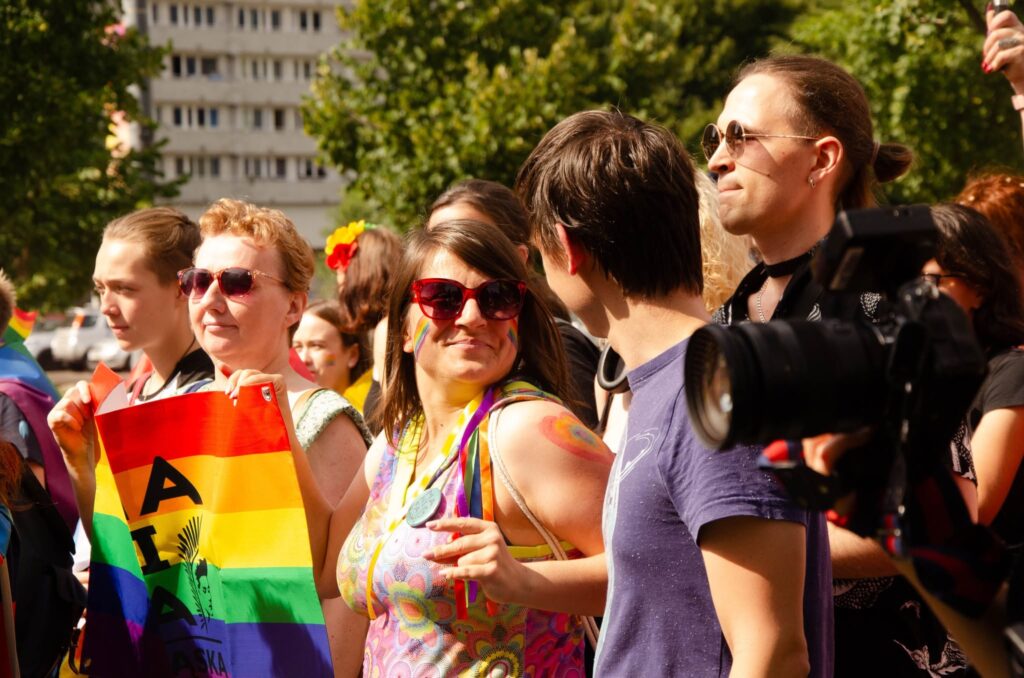
On September 5, 2026, the industrial Polish city of Katowice (pronounced ka·tuh·veet·suh) will stage its 10th Marsz Równości — Katowice Pride, bringing the LGBTQ+ community and its allies onto the streets of Upper Silesia. What began with a small group of activists has become one of the most significant LGBTQ+ gatherings in southern Poland, attracting thousands of people and acquiring a momentum that is increasingly difficult to ignore.
In 2024, local reporting put the crowd at around 5,000—no longer a small regional demonstration. And Katowice is a particularly interesting place for it. Once synonymous with heavy industry, the city has reinvented itself as a cultural and creative center. Its transformation from an industrial powerhouse to a modern European city gives its Pride a distinctive atmosphere: less polished than Amsterdam’s or Barcelona’s, perhaps, but energetic, politically engaged, and deeply rooted in its local community.
When is Katowice Pride 2026?
The centerpiece of the 2026 celebrations is the 10th Katowice Pride on Saturday, September 5. The march is scheduled to begin at 1 p.m. in Park Powstańców Śląskich, on Aleja Korfantego. Admission is free. The event is organized by Marsz Równości Katowice and Stowarzyszenie Tęczówka, the principal LGBTQ+ organization behind the city’s Pride movement.

The organizers describe the march not simply as a parade but as both a protest and a celebration of community. That distinction matters in Poland, where LGBTQ+ rights remain politically contentious. In July 2026, President Karol Nawrocki vetoed legislation that would have given unmarried couples, including same-sex couples, additional legal rights.
Katowice Pride consequently has a more explicitly political character than many Western European Pride festivals. It is a party, but it is also a statement that LGBTQ+ people belong in the public life of Poland, despite the conservative push.
The story behind Katowice Pride
The history is not as brief as you might expect. The first Katowice Equality March took place in 2008, at a time when the idea of an LGBTQ+ demonstration in the industrial heart of Upper Silesia seemed considerably more difficult than it does today.
There was then a lengthy hiatus before the movement returned to the streets in 2018. Since then, the march has become a regular fixture, including during the pandemic. Organizers also used the 2022 march to express solidarity with Odesa and Ukraine following Russia’s invasion.
The 2026 event therefore marks a decade of the contemporary movement and an evolution from a relatively marginal demonstration into a major regional gathering. Stay up to date here.
What happens during Pride weekend?
The complete 2026 Pride program is being teased on the official site, Teczówka, with social media updates in Polish. Based on the established format of previous Katowice Prides, visitors can expect a Pride Village, or “Miasteczko Równości,” around the march, featuring community organizations, activists, and partner organizations, followed by events and parties throughout the city. In 2025, the Pride Village opened before the march at Park Powstańców Śląskich, while after-parties were held at Piąty Dom and Club Cel. (Teczówka)
One of the best reasons to make Katowice a September destination is that Pride overlaps with a much broader queer cultural season.
The 7th Przegląd Piosenki Przegiętej, a queer music and performance festival sometimes translated loosely as the “Queer Song Review,” is scheduled from September 4 through September 27, 2026, across Katowice, Bytom and Tarnowskie Góry.
The festival promises 15 events, ranging from drag shows and bingo to karaoke and new performance formats. Its 2026 theme is “DYCHNIJ SE!”, roughly “Take a breather!” or “Have a rest!” The program is explicitly interested in neurodivergence and “neuroqueering,” making this considerably more than a collection of nightlife events. The detailed schedule and ticket information are still being released.
This is what makes September potentially much more interesting than a single Pride Saturday. Visitors can combine the march with almost a month of queer performance and cultural programming across the wider Upper Silesian metropolitan area.
Where to drink queer in Katowice
Katowice’s LGBTQ+ nightlife is smaller and more fluid than that of Warsaw or Kraków. It is also changing quickly.
Teoria—kluboczajownia on Dworcowa—is a tea-house and alternative social space rather than a conventional gay bar, and local LGBTQ+ users specifically recommend it as an LGBTQ-friendly place.
Another important address is Piąty Dom on Matejki Street. This is an especially good choice for Pride visitors because it combines hearty food, live music, a bar, and a strong alternative-cultural identity. It has also hosted queer events organized by the Śląsk Przegięty collective, including queer parties and burlesque performances. The energy looks pretty intense, though!
For something more explicitly queer, PIERON on Warszawska is another local option. It describes itself as a venue combining food, art, entertainment, and events, and local LGBTQ+ users have recommended it as an LGBTQ-friendly venue.
Katowice’s dedicated gay-club scene recently lost HaH, which appears in older guides as a gay nightlife option, as it was temporarily closed. Local queer nightlife is increasingly organized around alternative bars, cultural venues and one-off events rather than a permanent gay-bar circuit.
For a more mainstream night out, Mariacka Street is the city’s best-known nightlife strip. Klubowa is one of the cocktail-bar options there, while the surrounding streets are packed with bars and restaurants.
For men specifically seeking a gay sauna rather than a bar, Blue Sauna is an established option.
Where to stay for Katowice Pride
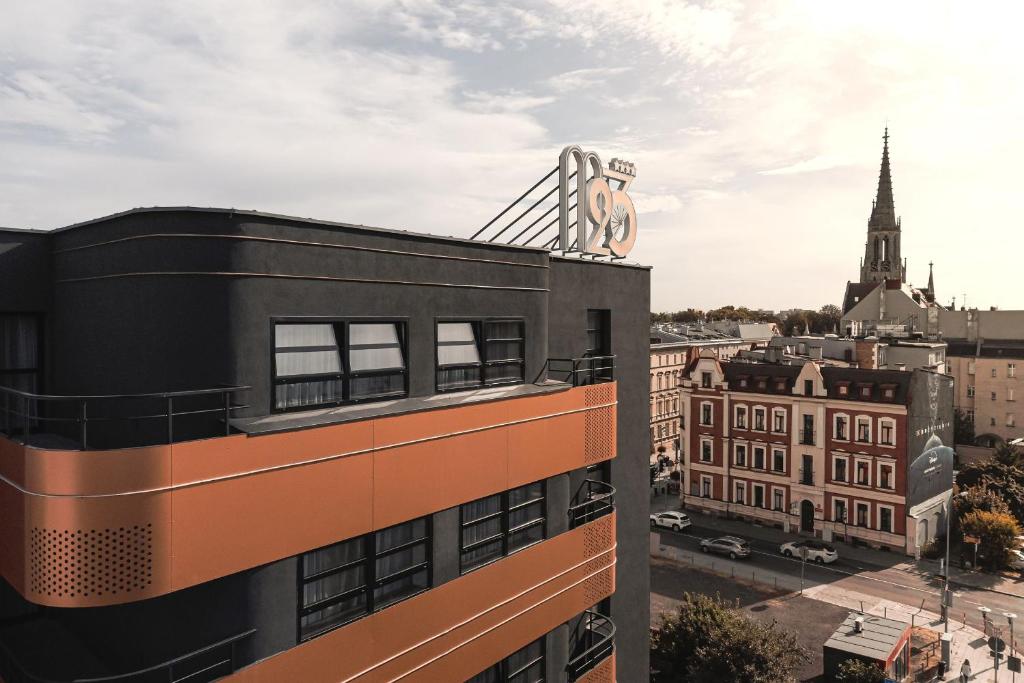
The easiest strategy is to stay in central Katowice. The city center is compact, and accommodation around the railway station, Rynek and Mariacka Street makes it possible to reach much of the Pride weekend on foot. For a choice that guests describe as “very cool,” try the design-centric, cozy-industrial Butikowy Hotel M23, which is right near the main restaurants and walkplatz.
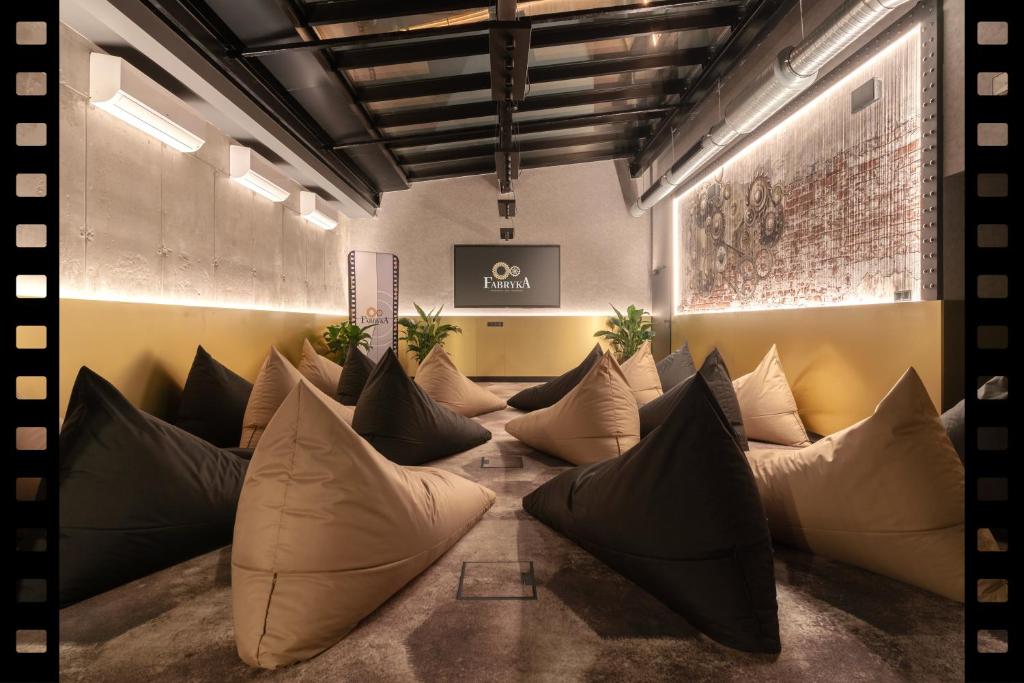
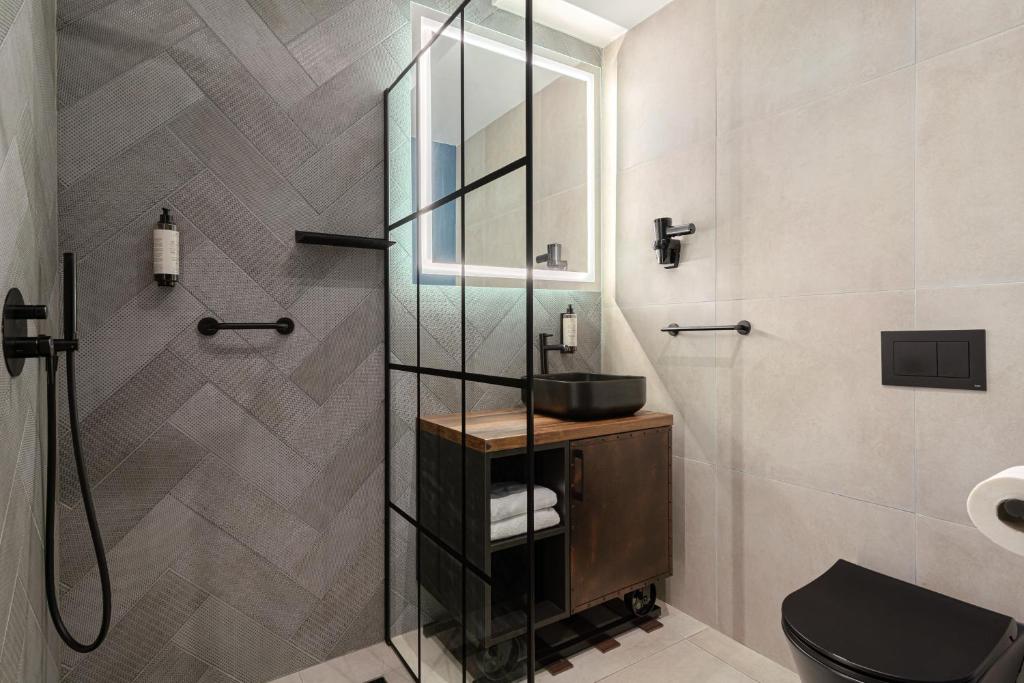
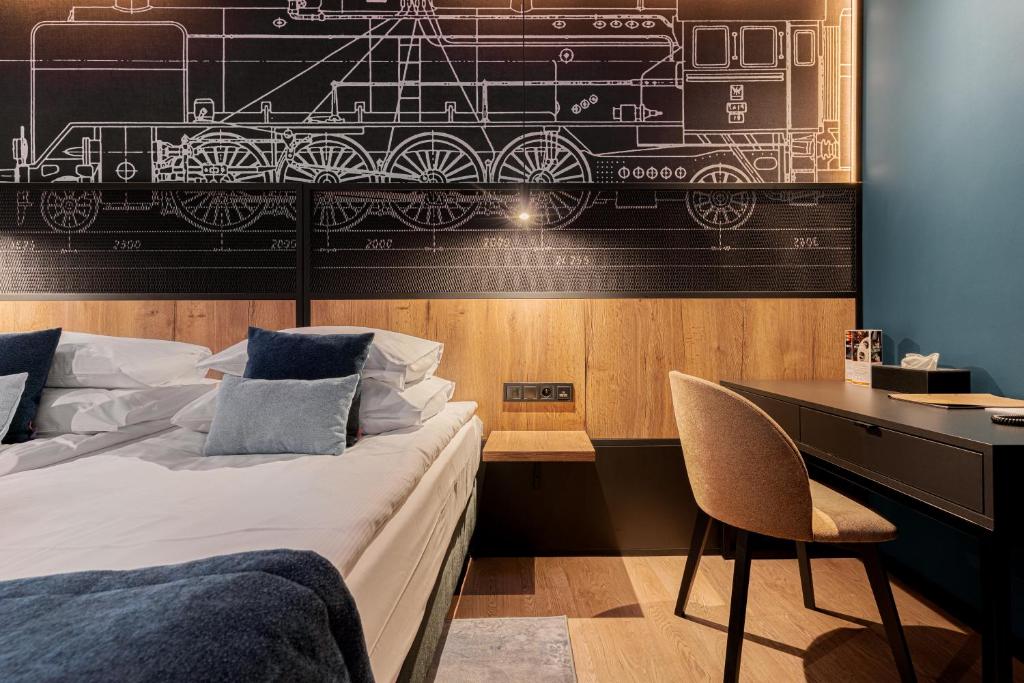
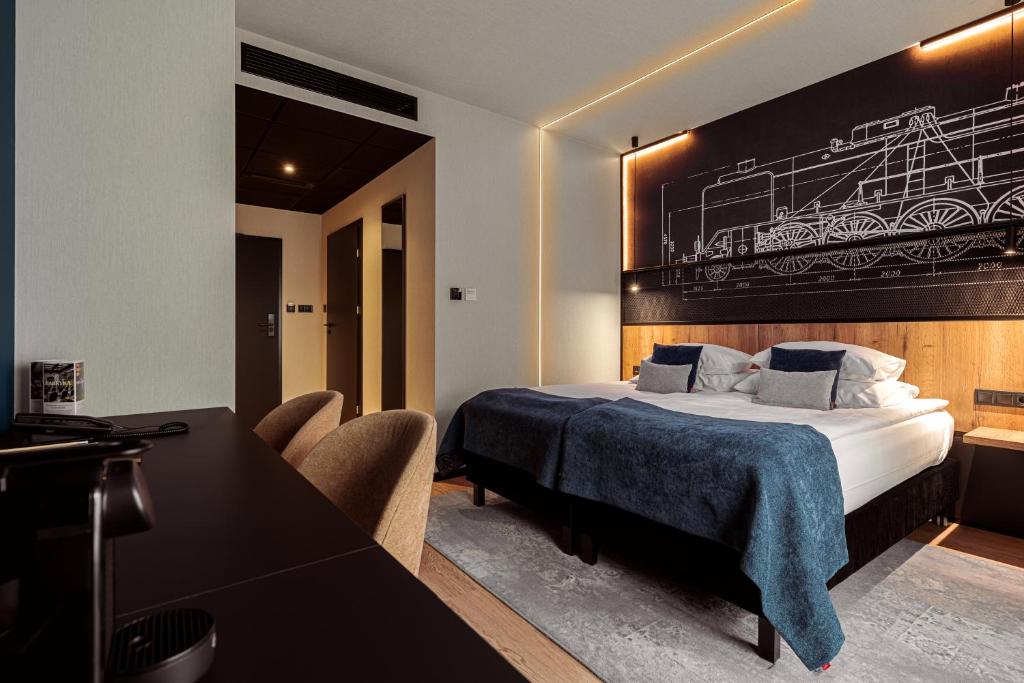
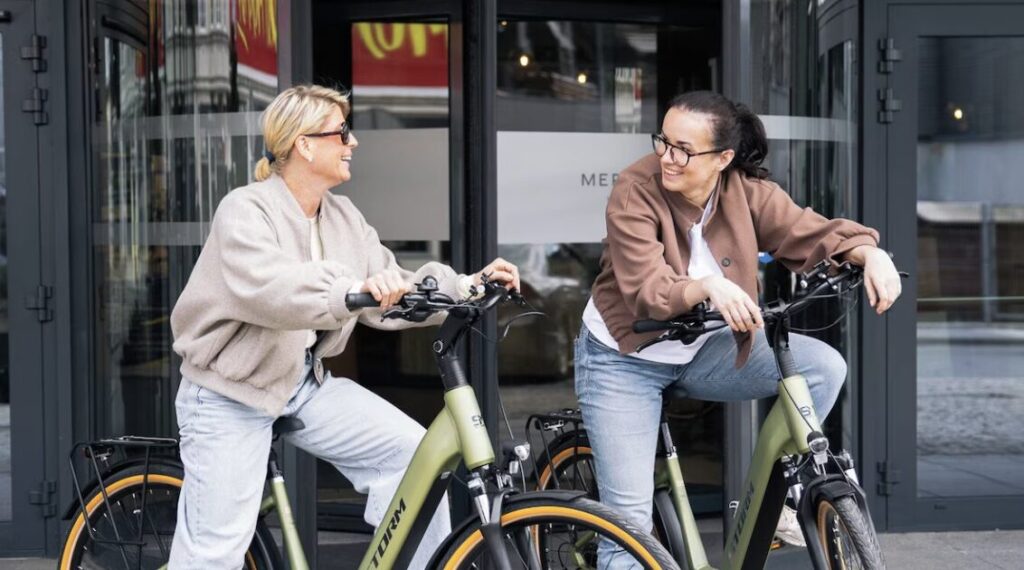
A particularly convenient and more upscale choice is Mercure Katowice Centrum on Młyńska, close to the central railway station and nightlife. This is also described as an urban oasis with a gym, spa services, bicycles, timber accents, greenery, and a green-and-earth-toned color scheme throughout the hotel. Indulge in a rejuvenating massage or savor local flavors at the on-site restaurant.
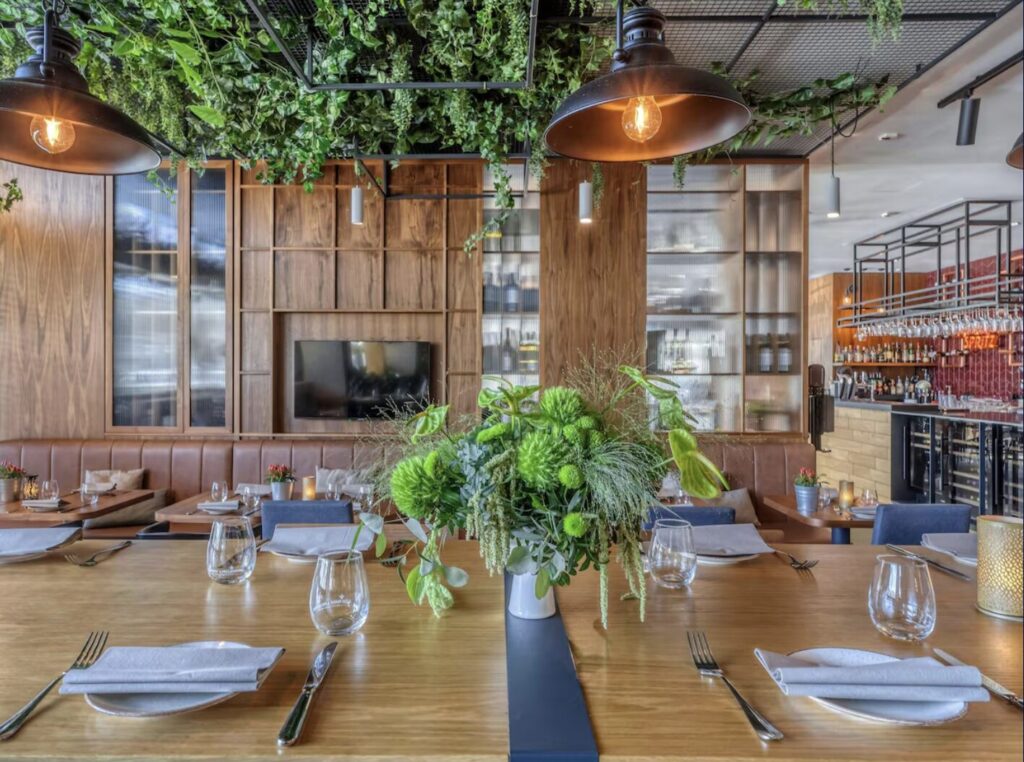
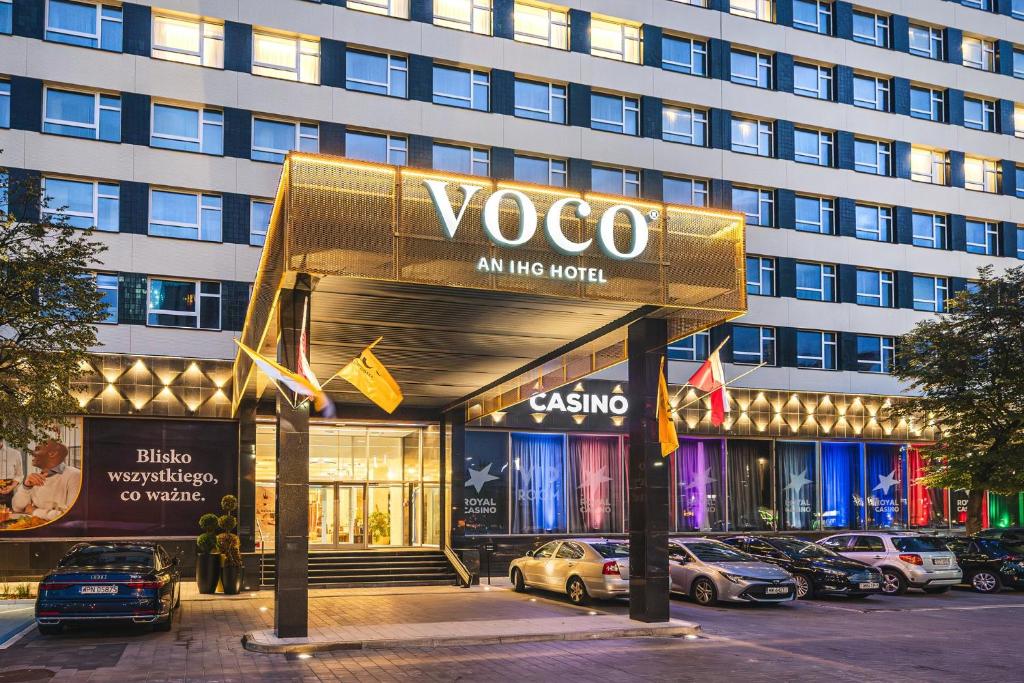
And voco Katowice by IHG is described as “wonderful” and has the scale and amenities you would expect from an international brand, including a restaurant, bar, and outdoor areas. The staff is described in reviews as friendly and welcoming.
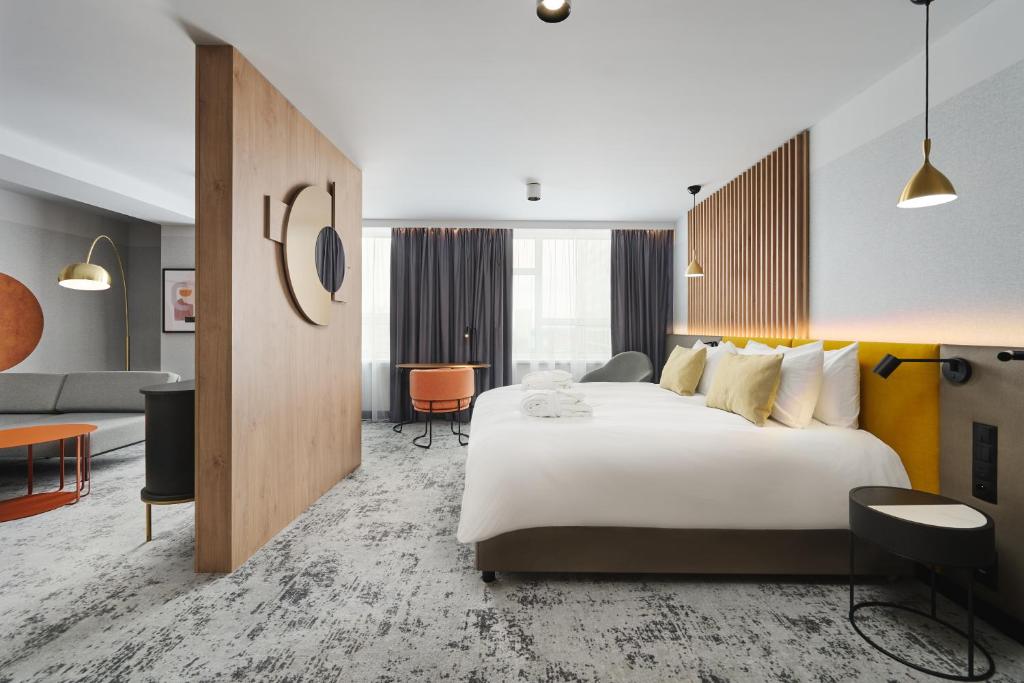
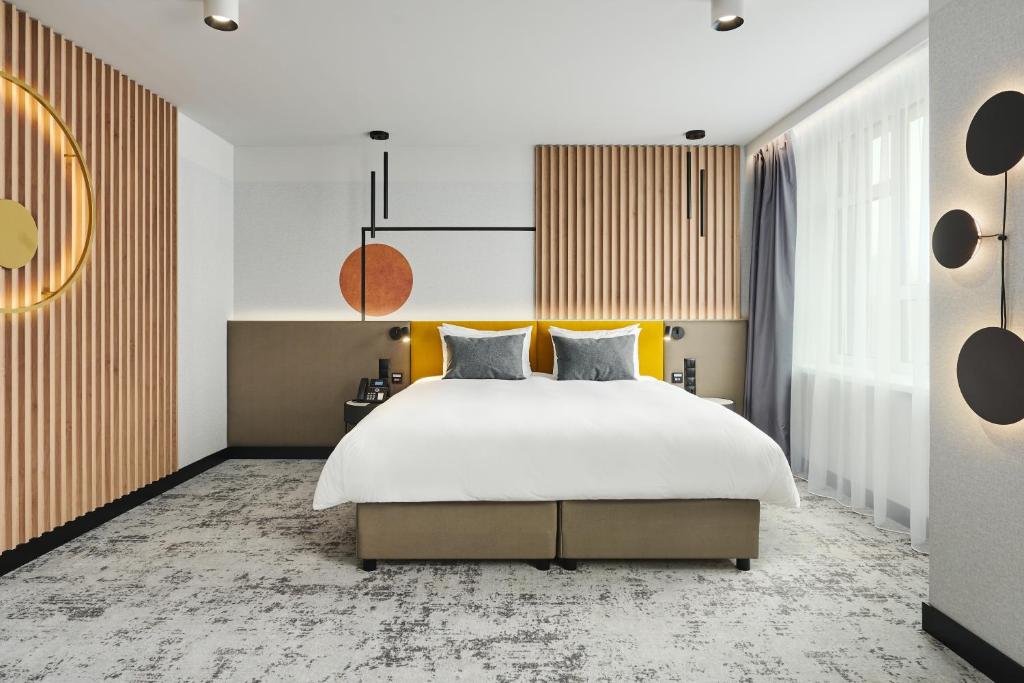

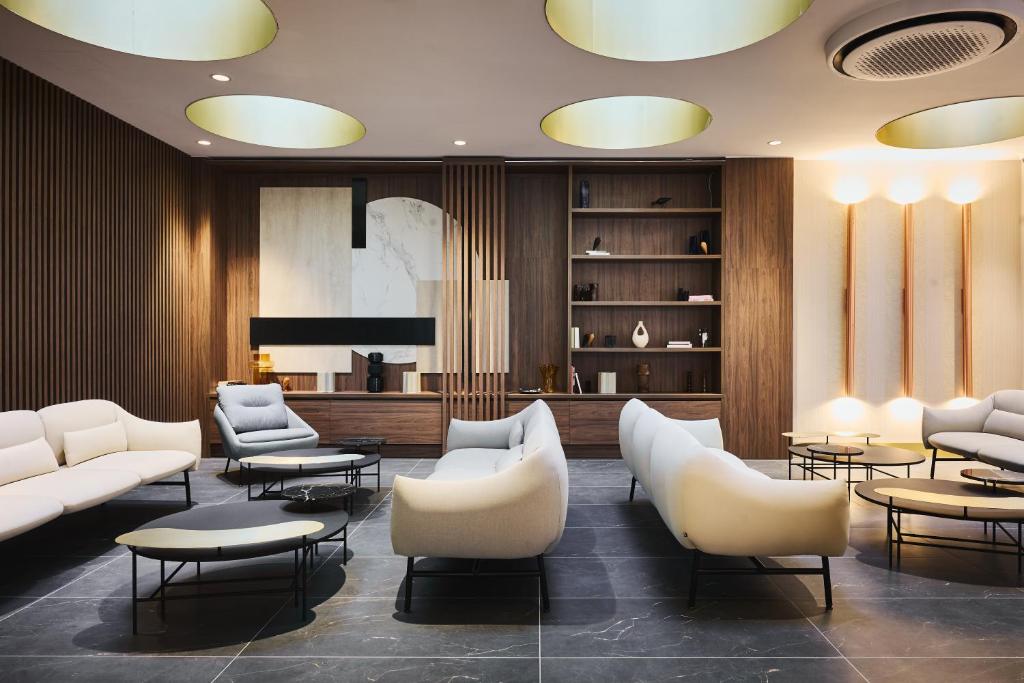
Another good central option is Vienna House Easy Katowice on Sokolska, while B&B Hotel Katowice Centrum provides a more economical alternative. And travelers looking for a budget option can consider ibis budget Katowice Centrum, which has all the basics, including free Wi-Fi.
What to see when you’re not marching
The great surprise of Katowice is that its industrial past is not something the city has tried to hide. It has turned it into one of its principal attractions. Start with the Culture Zone, a spectacular redevelopment of the former Katowice coal-mine area. The complex includes the Silesian Museum, the Polish National Radio Symphony Orchestra and the International Congress Center alongside the futuristic Spodek arena. The city describes the area as one of its defining architectural and cultural landmarks.
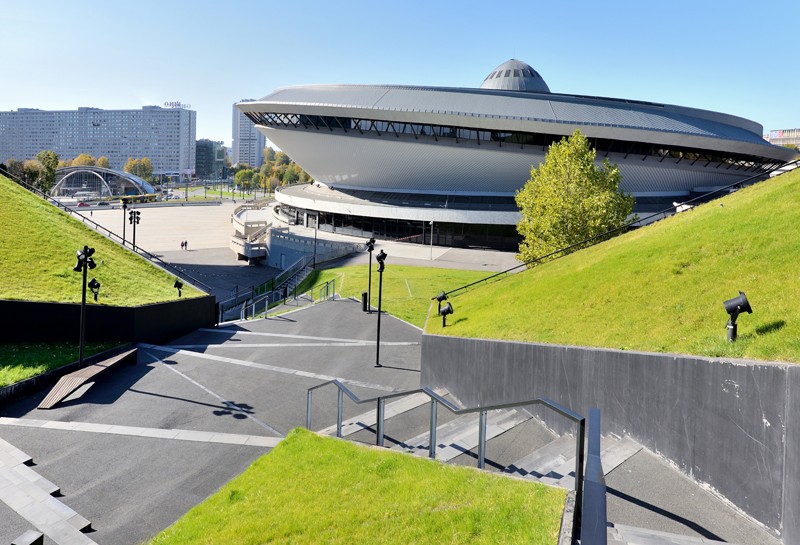
The Silesian Museum is particularly worthwhile. Much of its exhibition space is underground, incorporating the architecture of the former mine while presenting Polish art, regional history and industrial heritage.
Next, go to Nikiszowiec, the extraordinary red-brick workers’ settlement built for mining families. Its courtyards, arcades and distinctive architecture provide perhaps the best sense of old Silesian Katowice. The city also recommends the nearby Giszowiec settlement for its historic mining architecture.
Architecture fans should follow the city’s Modernism Route, which links 16 notable pre-war buildings. Katowice was once nicknamed the “Polish Chicago” because of its concentration of modernist architecture.
Music lovers should investigate NOSPR, the Polish National Radio Symphony Orchestra. Its concert hall occupies the former mining area beside the Silesian Museum and Spodek, creating an extraordinary juxtaposition of industrial history and contemporary architecture.
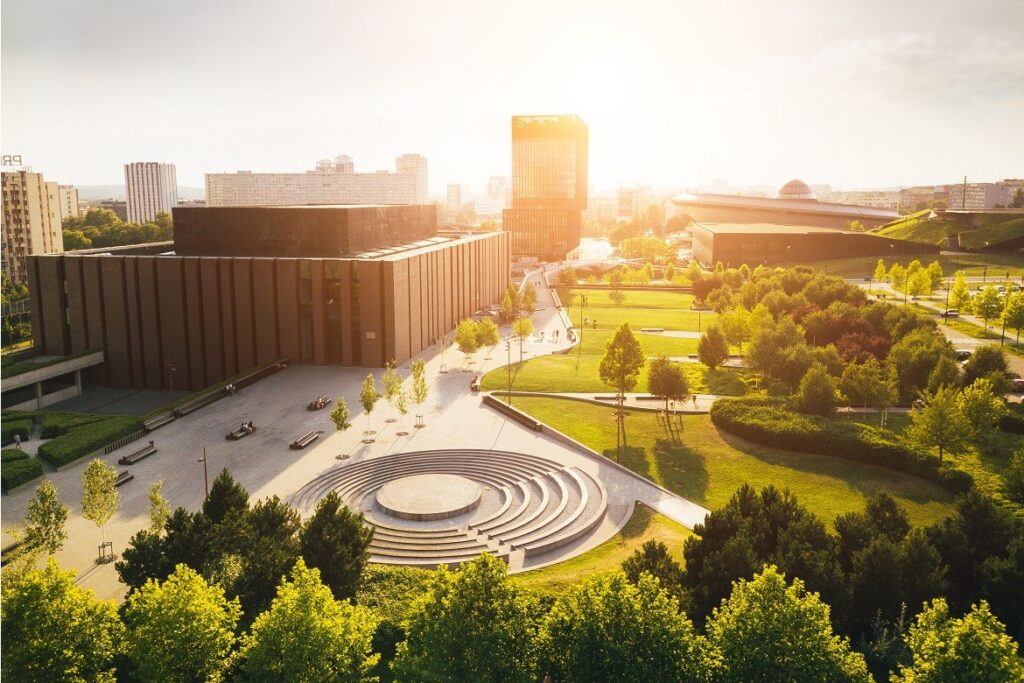
The new Katowice is a UNESCO City of Music, a center for contemporary culture, a university city, and a regional hub, surrounded by a vast metropolitan area. Poland’s national tourism organization describes it as a city that has undergone a major urban transformation and aspires to livability.
And if you need greenery after a day of marching, head to Kościuszko Park and its flower beds, or to Silesian Park in neighboring Chorzów. It is one of the largest urban parks in Poland and contains a zoo, planetarium, and other attractions. In fact, greenery accounts for almost half of the city’s area—the beautiful Murckowski Forest, with centuries-old beech trees. There’s also a huge area known as the Valley of Three Ponds, where folks go walking, cycling, and running.
Why you should go now
Poland’s LGBTQ+ movement operates in a complex political environment. On one hand, discriminatory local “LGBT-free zone” resolutions have effectively disappeared, and courts have made important advances concerning recognition of same-sex marriages performed elsewhere in the EU. On the other, Poland still has no domestic same-sex marriage law or comprehensive civil-partnership framework, and the president vetoed a government-backed cohabitation-rights bill in July 2026.
Against that backdrop, thousands of people turning up in an industrial Silesian city to march beneath rainbow flags is significant. So, Katowice Pride is not yet on par with Berlin, Madrid, or Amsterdam. It feels more undiscovered, more activist, more improvised, and more connected to the community that built it. Its nightlife is still developing. Its Pride program is still expanding. Its queer cultural scene is increasingly visible. And the numbers have been large enough to make the march one of the major LGBTQ+ events of southern Poland.
If you’ve been looking for the next European Pride destination before everybody else discovers it, September 5, 2026, may be the moment to put Katowice on your map.