
Why Travelers Should Explore the Magic of Rural Japan
Japan’s popularity among American travelers shows little sign of slowing. But it’s time to look beyond the country’s “Golden Route” and to the charm of private mountain villas, preserved samurai towns, and remote forest islands.
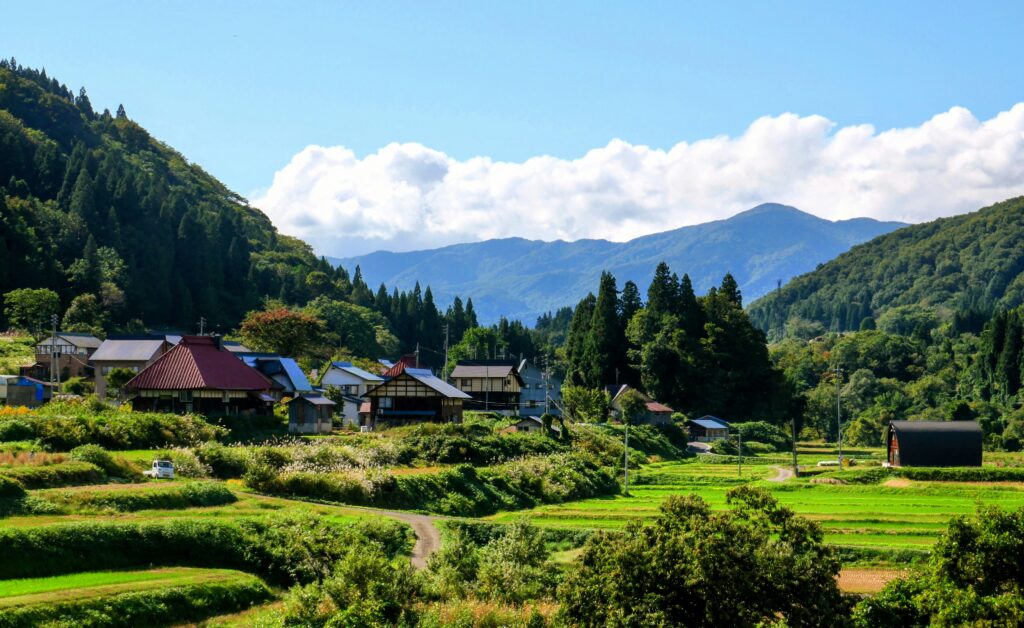
As more travelers follow the familiar “Golden Route” through Tokyo, Kyoto and Osaka, a different side of Japan is beginning to attract attention: forested pilgrimage paths, rice-growing communities, historic post towns, remote islands and intimate stays rooted in their surroundings.
Tailor-made travel specialist, Selective Asia, has long encouraged travelers to spend longer in lesser-visited regions. Across its destinations, travelers now spend an average of 28% of their trip in rural areas away from the best-known tourism centers.
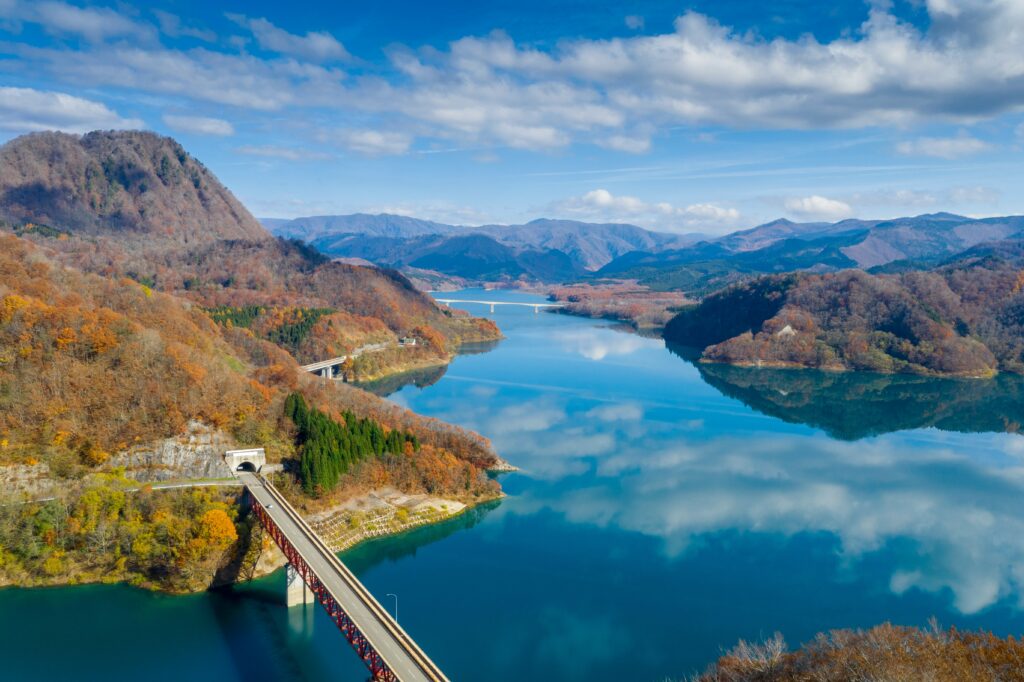
Rather than replacing Japan’s headline cities entirely, these countryside stays add space, cultural depth, and a slower pace to a longer trip. They also direct visitor spending toward regional communities and give travelers access to craftspeople, landscapes, and traditions that cannot be experienced from a major-city hotel.

Nick Pulley, Founder of Selective Asia, said: “Tokyo and Kyoto are extraordinary, but they are only one layer of Japan. Some of the most memorable experiences happen far from the headline sights: walking a section of the ancient Nakasendo Trail before returning to a 300-year-old farmhouse reserved entirely for one group, or meeting craftspeople in a mountain town where traditions are still part of everyday life.
“For American travelers making a long-haul journey, rural Japan offers a level of access, privacy and cultural depth that is increasingly hard to find in the country’s busiest cities.”
The Kiso Valley: Private Access to Japan’s Historic Mountain Country
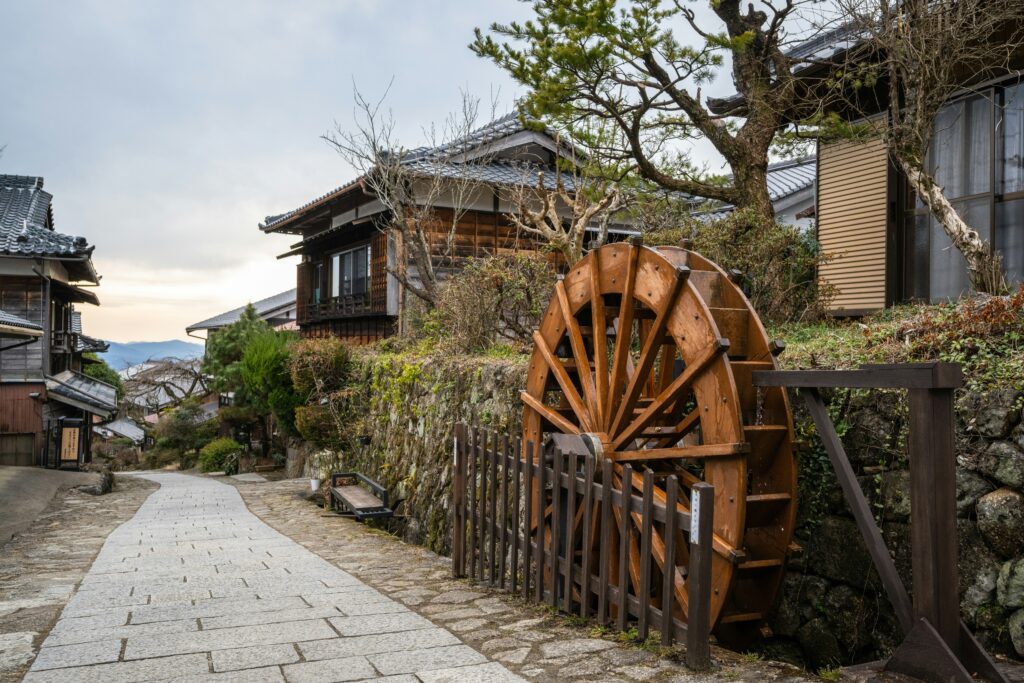
Set among the forested mountains of Nagano Prefecture, the Kiso Valley was once part of the Nakasendo highway connecting Kyoto with Edo, now present-day Tokyo. Travelers can still walk between its beautifully preserved post towns, passing waterfalls, woodlands, farmhouses, and dark-timbered villages.
One of the region’s most exclusive stays is Zenagi, a 300-year-old kominka, or traditional farmhouse, transformed into a private villa resort. The entire property is reserved for one group each day, with a private guide, butler and chef creating personalized cultural and outdoor experiences. Activities can include walking the historic samurai trail, meeting local craftspeople of Lacquerware (who have protected a unique woodturning technique invented by the imperial family 1,200 years ago) and exploring secluded river canyons.
Selective Asia’s 17-day Following Ancient Trails tour is priced from $12,664 per person based on two people travelling and includes a journey and stay in the Kiso Valley as well as 2 nights at Zenagi. Not inclusive of flights. Suggested departure dates March – December.
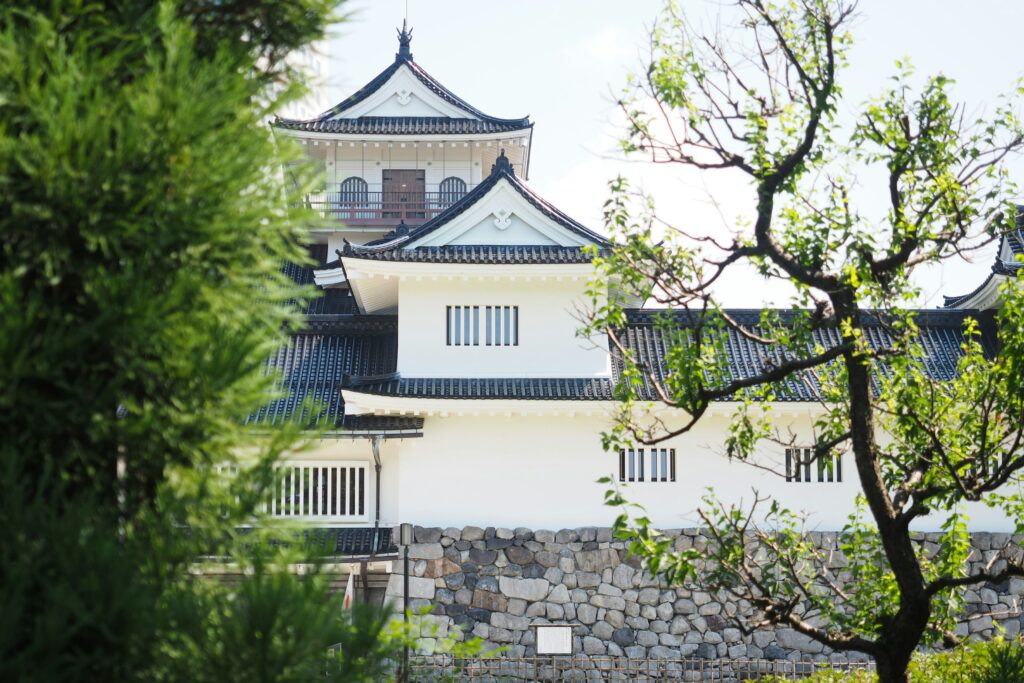
Toyama: Art, Gastronomy and Regenerative Luxury Among the Rice Fields
On the rural Tonami Plain in Toyama Prefecture, Rakudo-An occupies a restored 200-year-old farmhouse, surrounded on three sides by rice paddies. With only three guestrooms, the property brings together contemporary art, regional folk crafts, architecture using natural materials, and cuisine featuring produce from Toyama’s sea, mountains, and countryside. Highlights include Calligraphy in a Temple, Exploring Buddhist Philosophy through Kanji, and a Bon-Temae Tea ceremony practice deeply rooted in Toyama Prefecture.
Rakudo-An has also been designed as a tool for regional regeneration, not merely a rural hotel. Two percent of accommodation revenue supports the preservation of Tonami’s distinctive dispersed farming settlements, while activities introduce guests to the landscape, its ecology, and the area’s traditional industries.
The result is a particularly strong option for travelers interested in design, food and craft who want a sophisticated alternative to Japan’s better-known art and culinary centers.
Selective Asia’s 17-day Beyond the Golden Route tour is priced from $10,110 per person based on two people travelling and includes 1 night in Toyama’s Rakudo-An and 2 nights at Wanoi in Kakunodate. Not inclusive of flights. Suggested departure dates April- November.
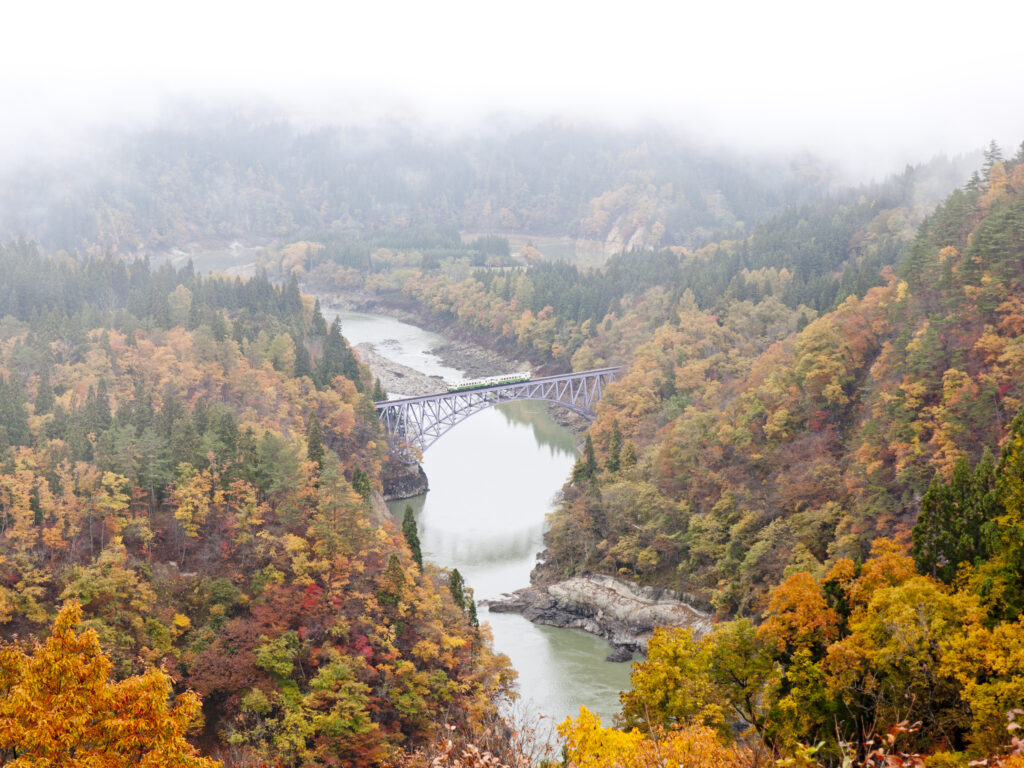
Kakunodate: Samurai History in Northern Japan
In the less-visited Tohoku region of Akita Prefecture, Kakunodate is a small riverside town known for its preserved samurai district, traditional houses, and mountain setting. Often described as a northern “Little Kyoto,” it offers much of the atmosphere and architectural heritage of Japan’s ancient capital, but on a more intimate scale.
At wanoi Kakunodate, historic storehouses and residences throughout the town have been converted into private accommodations. Each retains details connected to its former purpose, from buildings once used to store rice and documents to spaces associated with local samurai families, allowing guests to experience the town’s history from within rather than simply visiting it during the day.
Kakunodate is especially striking during its spring cherry blossom season, in fall when the surrounding mountains change color and in winter when snow settles across the samurai quarter.
Selective Asia’s 17-day Beyond the Golden Route tour is priced from $10,110 per person for two people and includes 1 night at Toyama’s Rakudo-An and 2 nights at Wanoi in Kakunodate. Not inclusive of flights. Suggested departure dates: April-November.
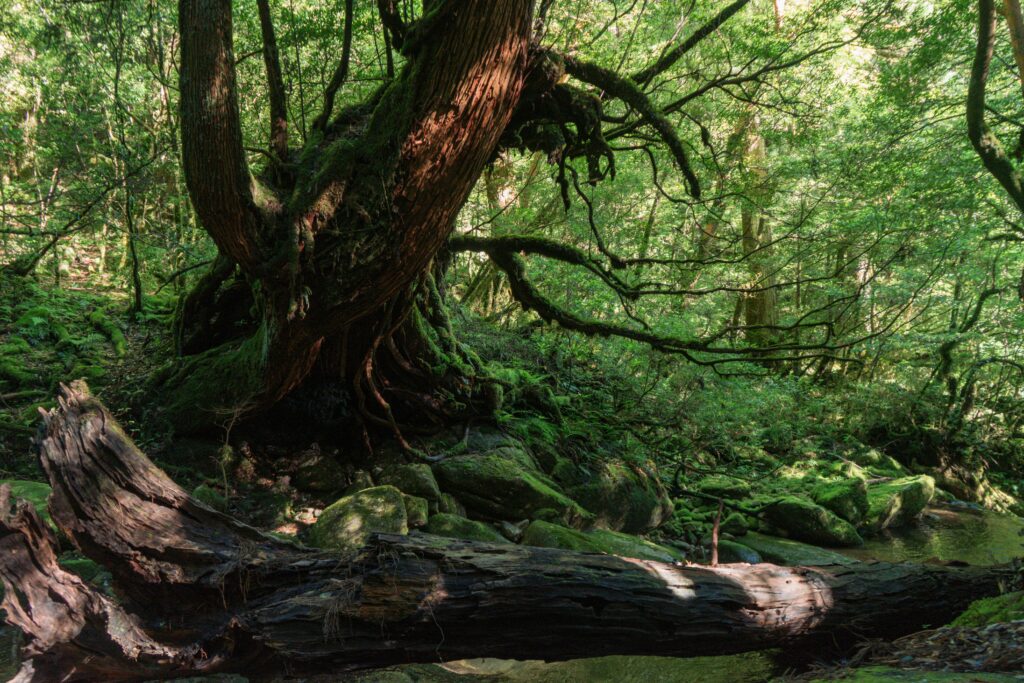
Yakushima: Ancient Forest and Island Luxury
Far to the south of Japan’s major cities, Yakushima is an isolated, mountainous island of waterfalls, moss-covered forests, and ancient cedar trees, recognized as a World Natural Heritage site. Its remote location and limited accommodations make it particularly suited to travelers seeking a more exclusive, nature-led extension to a broader Japan itinerary. Travelers can follow specialist guides on hikes, snorkeling adventures, or kayaking excursions in crystal-clear waters.
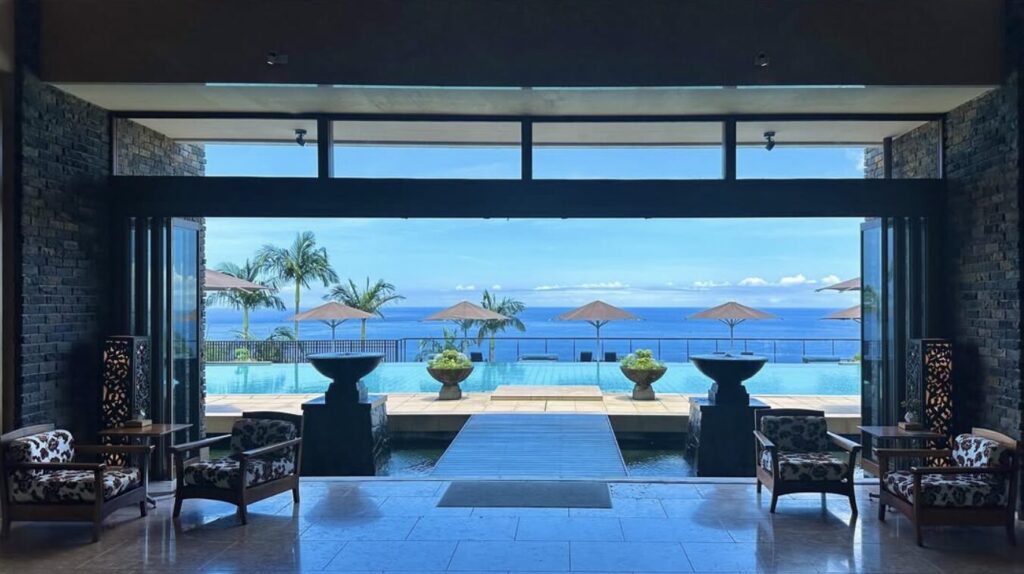
Sankara Hotel & Spa Yakushima offers ocean-facing suites and villas set within subtropical gardens, along with destination dining, a spa, and a sauna built from local cedar. The hotel also operates the Sankara Fund, which supports projects to protect the island’s natural environment and communities.
Selective Asia’s 14-day Journey to Yakushima tour is priced from $7,803 per person based on two people travelling and includes 3 nights at the Sankara Hotel & Spa. Not inclusive of flights. Suitable for year-round travel.
A More Balanced Way to Experience Japan
Japan’s cities will remain an essential part of the country’s appeal, especially for first-time visitors. However, extending an itinerary beyond the cities can transform a conventional sightseeing trip into a deeper cultural journey.
From privately guided stays in the Kiso Valley to contemporary art amid Toyama’s rice fields, rural Japan allows travelers to engage with regional food, architecture, crafts, and landscapes at a more personal pace. It also spreads tourism spending beyond the country’s most heavily visited destinations, supporting the communities that preserve many of the traditions travelers have come to experience.