
Senegal’s LGBTQ+ Crackdown Reflects Shift Across West Africa
With Senegal tightening prison sentences for same-sex relationships, mass arrests reported and neighboring countries following a similar legislative path, LGBTQ+ people across West Africa are facing an increasingly uncertain future.
Featured photo: Photo by Sweder Breet on Unsplash
For international visitors, the changing legal landscape raises important questions about personal safety, privacy and travel. Senegal, long regarded as one of West Africa’s more politically stable democracies, is experiencing one of the region’s most significant crackdowns on LGBTQ+ people in recent years. A wave of arrests, tougher criminal penalties and growing hostility toward LGBTQ+ organizations has created an atmosphere of fear, with human rights organizations warning that the consequences extend well beyond those directly targeted.
The developments are part of a broader shift across West Africa, where several governments have either introduced new criminal penalties for same-sex relationships or sought to strengthen existing legislation. West Africa is not a single legal or cultural environment and laws vary between countries. Below is a guide for those planning to visit the region.

Senegal: Criminalization and crackdown
Senegal’s current crisis has its roots in Article 319 of its Penal Code, which has criminalized same-sex sexual activity since 1965. Previously, the law imposed a maximum prison sentence of five years for what it described as acts against nature. But in March 2026, the country’s National Assembly approved a significant amendment that doubled the maximum prison sentence to 10 years and increased financial penalties to up to 10 million CFA francs.
The legislation also introduced criminal penalties for the promotion or support of homosexuality and LGBTQ+ organizations. Those convicted of these additional offenses can face up to seven years in prison.
The changes followed political campaigning by President Bassirou Diomaye Faye and then-Prime Minister Ousmane Sonko, both of whom had pledged a tougher approach to homosexuality during the 2024 presidential campaign. The legislation was also supported by religious and civil society organizations campaigning against homosexuality. Reuters reported that a US-based conservative organization, MassResistance, had advised Senegalese campaigners on mobilization and strategy.
However, the legislative change is only part of the story. In February 2026, police arrested 12 men in Dakar on allegations including same-sex relations and the intentional transmission of HIV. The arrests were followed by further operations across the country, with authorities reportedly using information extracted from confiscated mobile phones and allegations from third parties.
Human Rights Watch subsequently documented an extensive campaign of arrests, detentions and intimidation. Its October 12 report found that at least 212 people had been arrested between February and July, according to information collected by the Senegalese human rights organization RADDHO. The HIV Justice Network reported a figure exceeding 300. These figures come from different monitoring organizations, not an independently verified national arrest total.
The report also documented concerns about forced HIV testing, obstacles to securing legal representation, prolonged pretrial detention and the disclosure of confidential medical information. In August, a court dismissed charges of intentional HIV transmission against defendants in one major case, although dozens of people remained referred for trial on other charges.
Reuters reported in April that some HIV patients were avoiding treatment centers because they feared being identified, arrested or exposed as LGBTQ+. Health professionals have warned that driving vulnerable populations away from testing and treatment could undermine years of progress in HIV prevention.
Why is this happening now?
Human Rights Watch says the crackdown has also made lawyers increasingly reluctant to represent LGBTQ+ defendants and has pushed members of the community into hiding.
The timing adds another international dimension. Senegal is hosting the Dakar 2026 Youth Olympic Games from October 31 to November 13, the first Olympic event to take place on African soil. Human Rights Watch has raised questions about the country’s obligations under the Olympic Charter, which prohibits discrimination.
For Senegalese LGBTQ+ people, however, the immediate concern is more fundamental: the ability to live privately, access healthcare, maintain relationships and obtain legal protection without fear of arrest.
West Africa’s changing legal landscape
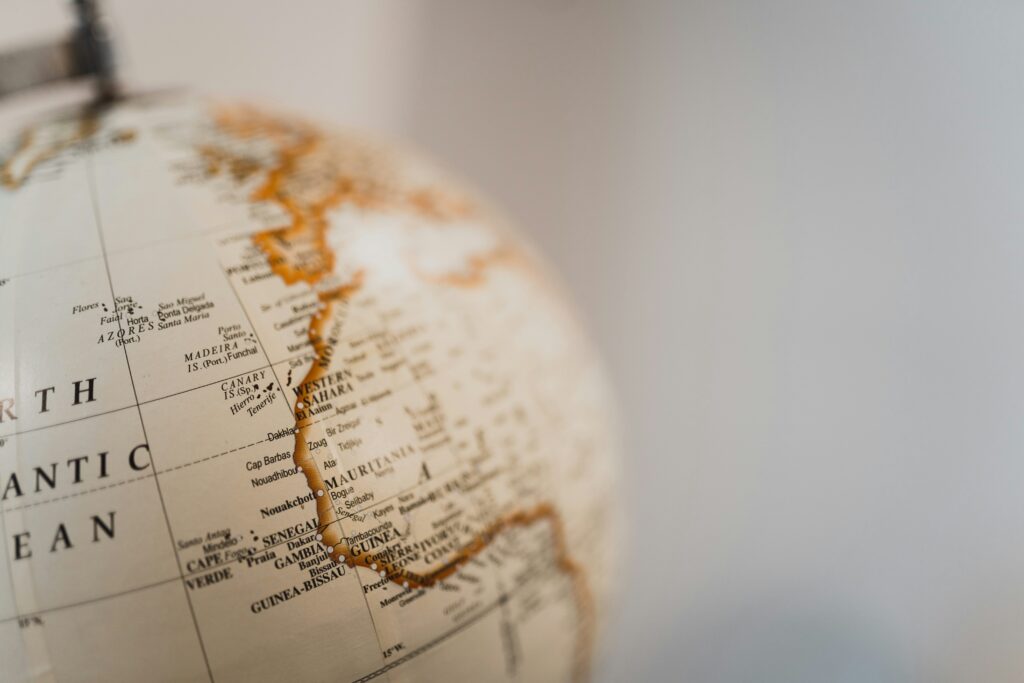
Senegal’s actions are not occurring in isolation. Across the region, governments have increasingly turned to legislation restricting same-sex relationships, LGBTQ+ advocacy and, in some cases, gender expression. A particularly important development has been the emergence of new criminal laws in countries that previously had no specific criminal prohibition against consensual same-sex relationships.
In February 2026, Niger criminalized same-sex sexual relations for the first time. Mali and Burkina Faso had also introduced criminal penalties within the preceding two years. These developments have shifted the legal landscape in parts of the Sahel, where military-led governments have increasingly framed their policies as expressions of national sovereignty and traditional values.
Ghana has also become a focal point. In June 2026, its parliament passed legislation criminalizing LGBTQ+ activities, thereby extending the country’s existing restrictions. As of August reporting, the measure was awaiting the president’s signature. The proposed framework has attracted particular attention because it goes beyond criminalizing sexual conduct and targets activities and support associated with LGBTQ+ communities.
LGBTQ+ rights across West Africa: a guide
The following is a practical overview of the 16 countries commonly included in a broad West African regional assessment.
| Country | Legal position |
|---|---|
| Benin | Consensual same-sex relationships between adults are not criminalized. There is no same-sex marriage recognition. |
| Burkina Faso | Criminalized in 2025. Same-sex relationships carry prison sentences of two to five years and fines. |
| Cabo Verde (Cape Verde) | Same-sex relationships are legal. The country has anti-discrimination protections and a comparatively developed framework for LGBTQ+ equality. |
| Côte d’Ivoire | Same-sex relationships are legal. There is no general criminal prohibition, although discrimination and social stigma remain concerns. |
| The Gambia | Same-sex relationships are criminalized. Penalties can reach life imprisonment under provisions applying to certain categories of conduct. There are also restrictions affecting gender expression. |
| Ghana | Same-sex sexual activity is criminalized, with a maximum three-year prison sentence. Parliament passed additional anti-LGBTQ+ legislation in June 2026; its enactment and commencement require confirmation. |
| Guinea | Same-sex sexual activity is criminalized, with prison sentences and fines. |
| Guinea-Bissau | Consensual same-sex relationships are legal. There is no general criminal prohibition, although comprehensive protections remain limited. |
| Liberia | Same-sex sexual activity is criminalized under laws concerning voluntary sodomy, with potential imprisonment. |
| Mali | Criminalized under legislation introduced in 2024. Same-sex relationships are subject to criminal penalties. |
| Mauritania | Same-sex sexual activity is criminalized. The penal code provides for the death penalty for Muslim men convicted of certain same-sex sexual acts, although the legal and practical application of this provision must be distinguished. |
| Niger | Criminalized in February 2026. Same-sex sexual relations were outlawed for the first time. |
| Nigeria | Same-sex sexual activity is criminalized, with penalties of up to 14 years under federal law. Some northern states applying Sharia law provide for the death penalty. |
| Senegal | Criminalized, with the March 2026 amendment increasing the maximum prison sentence to 10 years and introducing penalties for LGBTQ+ advocacy and support. |
| Sierra Leone | Same-sex sexual activity between men is criminalized under colonial-era legislation, with a potential maximum sentence of life imprisonment. |
| Togo | Consensual same-sex relationships are not generally criminalized, although discrimination and social hostility remain concerns. |
Legal is not synonymous with safe. Countries without criminal prohibitions can still have significant social stigma, harassment and discrimination. Conversely, a law’s existence does not mean that every visitor or resident will encounter enforcement. The actual risk depends on local circumstances, visibility, public behavior and the conduct of authorities.
Know before you go
West Africa remains an important destination for international tourism, with extraordinary cultural, historical and natural attractions. Senegal’s coastline, Ghana’s cultural heritage, Côte d’Ivoire’s cities, the beaches of Cabo Verde and the wildlife and landscapes of the wider region all attract international visitors. LGBTQ+ travelers should not assume that the freedoms and protections they enjoy at home apply.
Some countries criminalize consensual same-sex intimacy regardless of nationality, while others have laws that can extend to people organizing, financing or supporting LGBTQ+ activities. The following precautions are worth considering:
- Check the law immediately before departure. Legislation is changing rapidly. A destination that was legally permissive a few years ago may have introduced new restrictions.
- Understand the difference between criminal law and social attitudes. Even where same-sex relationships are legal, public attitudes can be conservative, and harassment or discrimination may occur.
- Consider digital privacy. Dating applications, private messages, photographs and social media accounts can expose personal information. Senegal’s recent arrests have included investigations involving information obtained from mobile phones.
- Exercise caution with dating applications. Be particularly wary of suspicious profiles, requests for money, blackmail and invitations to unfamiliar private locations.
- Understand local public-display expectations. Public displays of affection may attract unwanted attention even where they are not illegal.
- Research healthcare access. Travelers who need regular medication, including HIV prevention or treatment, should understand local availability, confidentiality and importation requirements.
- Have an emergency plan. Keep consular contact details, travel insurance information and copies of important documents accessible.
Useful information and resources
US Department of State – Gay and Lesbian Travelers
UK Foreign, Commonwealth & Development Office – LGBT+ foreign travel advice. Its Senegal travel advice specifically addresses the 2026 legislative changes.
Human Dignity Trust – An important resource for understanding criminal laws affecting LGBTQ+ people worldwide, including the wording of legislation and country-specific legal developments.
ILGA World – International LGBTQ+ advocacy organization publishing research, legal maps and reports tracking discrimination, criminalization and progress on equality.
Equaldex – An accessible country-by-country reference for comparing LGBTQ+ rights, including same-sex relationships, marriage, discrimination and gender identity.
IGLTA – A global travel industry association connecting LGBTQ+-welcoming tourism businesses, destinations and travel professionals. Useful for finding inclusive travel providers.
Rainbow Railroad – Provides support to LGBTQ+ people facing persecution and violence who may need assistance finding safety outside their home countries.
For a Senegal-specific check, readers should also consult the UK government’s Senegal travel warnings and the US Senegal Travel Advisory. Be aware that the US advisory currently contains older LGBTQ+ legal information and should not be relied upon for the latest sentencing provisions. The UK guidance reflects the 2026 amendments.
What happens next?
There is a growing concern that these laws may have consequences beyond the LGBTQ+ community itself. Restrictions on advocacy, healthcare provision and civil society organizations can affect HIV prevention, medical confidentiality, freedom of expression and the ability of human rights organizations to operate.
For the international travel industry, the developments raise difficult questions about responsible tourism. Tour operators, cruise companies, airlines, hotels and travel publishers need to be aware of the difference between marketing a destination as welcoming and accurately explaining the legal environment that LGBTQ+ visitors may encounter.
The question is no longer simply whether LGBTQ+ travelers can visit West Africa. It is whether they can do so with a clear understanding of the laws, risks and protections — and whether the region’s governments will recognize that the safety and dignity of LGBTQ+ people are also part of the wider human rights picture.