
A Different Kind of Wine Club, Just in Time for the Holidays
From small family vineyards and traditional European winemaking to independently tested, no-sugar, lower-alcohol wines, Dry Farm Wines offers a rather different approach to enjoying a good glass.
There are few pleasures quite like opening a good bottle of wine. It can transform an ordinary dinner into an occasion, bring friends and family together around a table, and make a holiday celebration feel that little bit more special. But finding interesting wines that are as thoughtfully produced as they are enjoyable (and healthy) to drink can be a challenge.
That’s where Dry Farm Wines comes in. Rather than simply delivering a selection of popular bottles every month, the company has built its business around a philosophy: sourcing traditionally made wines from small, independent family growers, then putting every bottle through rigorous selection and independent laboratory testing.
The result is a collection of wines aimed at people who care about provenance, farming practices, winemaking and what’s actually in their glass.
What is the Dry Farm Wines concept?
The name hints at one of the company’s central principles. Dry farming is an agricultural practice in which vineyards are not artificially irrigated. Instead, vines rely on natural rainfall, with their roots growing deeper into the soil to find water. Dry Farm Wines champions growers who follow this traditional approach, believing it encourages more sustainable water use and supports distinctive vineyard environments.
The company works with small, often family-run vineyards, mostly in established European wine regions, and seeks producers who favor traditional farming and minimally interventionist winemaking. But its philosophy goes further than organic or biodynamic credentials. Dry Farm Wines has developed its own standards for the wines it accepts, including:
- No pesticides or herbicides: Its growers must meet strict vineyard-farming requirements.
- No residual sugar: Wines must contain less than 1 gram of sugar per liter.
- Lower alcohol: Bottles must contain no more than 12.5% alcohol by volume.
- Lower sulfites: The company’s threshold is 75 parts per million.
- Wild, native yeasts: Fermentation relies on naturally occurring, non-GMO yeasts rather than commercial alternatives.
- Minimal intervention: Its winemaking standards exclude a long list of conventional additives.
- Independent laboratory testing: Each wine is tested for its chemical composition, including sugar, alcohol, sulfites, heavy metals, and ochratoxin A, a naturally occurring mold toxin sometimes found in agricultural products.
How is it different from an ordinary wine club?
Most wine clubs are essentially subscription services. You sign up, specify whether you prefer red, white or mixed wines, and receive a regular delivery. Some focus on particular regions, grape varieties or price points.
Dry Farm Wines takes a more selective approach. Its curators first look for wines that meet its farming and laboratory standards, with taste and provenance equally important. The company sources its bottles from small-batch producers and keeps them largely exclusive to its own collection, rather than wines you’ll routinely find on supermarket shelves or restaurant winelists.
There are several other differences worth highlighting:
- A more adventurous selection: Rather than concentrating on familiar commercial labels, the collection introduces drinkers to smaller estates, lesser-known appellations and interesting grape varieties.
- Personal curation: Members can specify their preferences for reds, whites, rosés and sparkling wines, as well as their preferred styles and delivery frequency.
- Flexibility: You can receive six or 12 bottles, choose a regular delivery schedule or make a one-time purchase. Memberships can be paused or cancelled.
- A satisfaction guarantee: Its 100% Happiness Promise means that if you don’t enjoy a bottle, the company offers a replacement or refund.
- Member benefits: Membership includes complimentary ground shipping, 20% member pricing, and access to selected member-only wines.
The six-bottle format we tried was an opportunity to both test the brand and discover different wine regions, styles, and producers—in one delivery. We kept the instructions for our Mixed 6 simple: Must be fit for Holiday food; not sweet, and no Chardonnay! Here’ what we got:
The Mixed 6: Six wines for three holiday celebrations
Our selection of six included two reds, a white, and three sparkling wines. It was a tasting journey through France and Spain, with something for every festive table. All of the wines matched well with fall flavors and holiday cuisine.
Thanksgiving: Burgundy elegance and a versatile white
1. 2023 Domaine Bersan Bourgogne Côtes d’Auxerre Les Deterres (100% Pinot Noir)
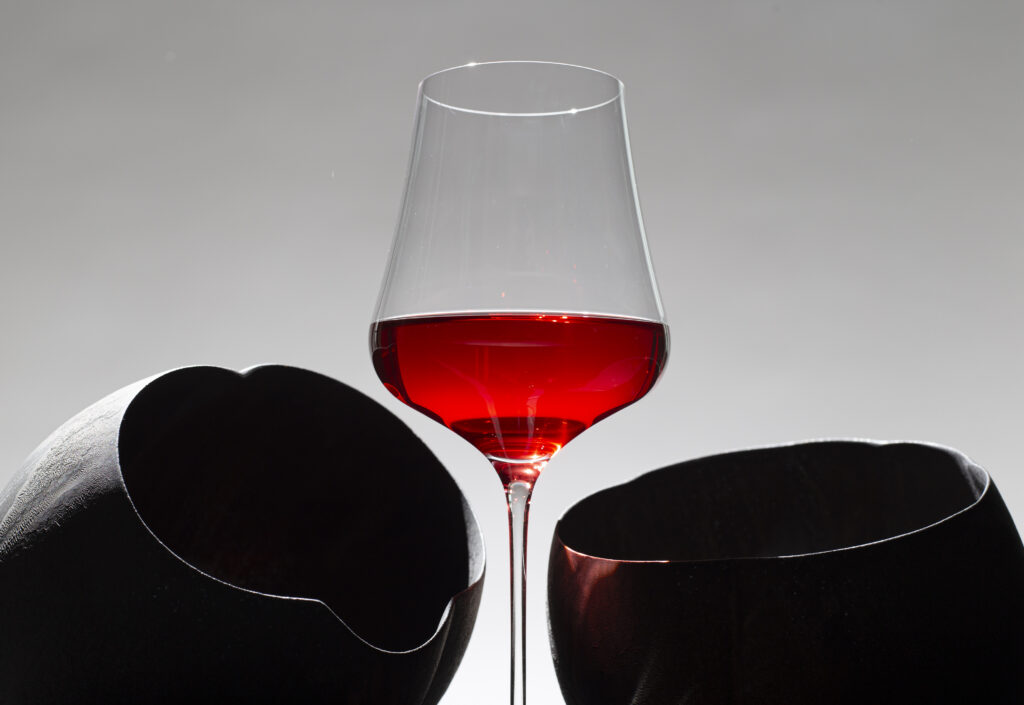
Burgundy, the region, is a wonderful place to start when planning a Thanksgiving menu. Domaine Bersan is an established family domaine in Saint-Bris-le-Vineux, in northern Burgundy, an area known for its distinctive limestone-rich terroir. This red is relatively light and merry, with good minerality and notes of cherry and blueberry.
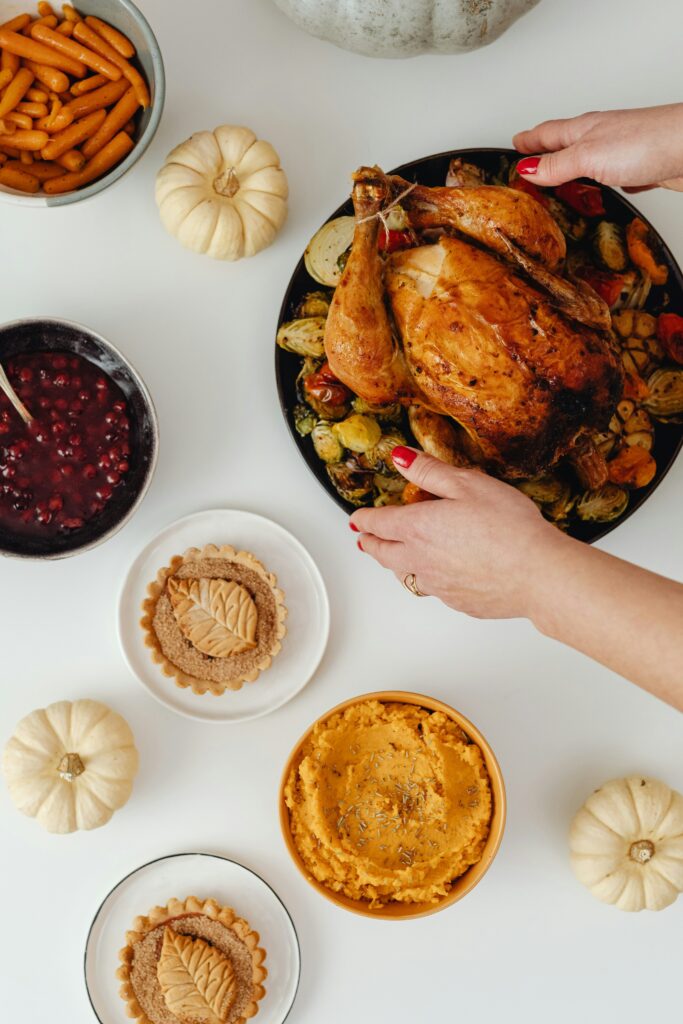
Food pairing: This would be a lovely Thanksgiving wine alongside roast turkey, particularly with herb stuffing, cranberry sauce and roasted root vegetables. Pinot Noir works beautifully with charcuterie, mushroom vol-au-vents, duck and a savory gravy. This wine’s lighter structure makes it a great alternative to the heavier Cabernet-based reds often served at Thanksgiving.
2. 2024 Domaine des Bons Amis Quatre Cépages Blanc
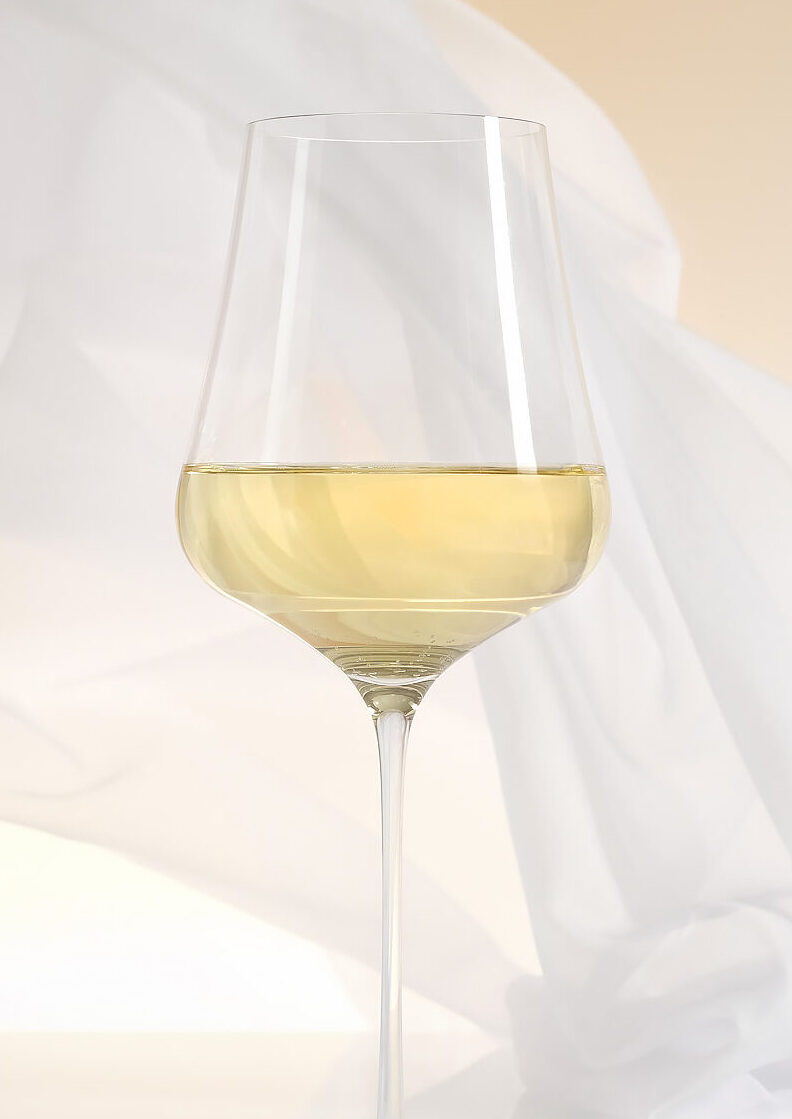
A white wine is essential for a Thanksgiving table, especially when guests are enjoying seafood starters, salads, lighter dishes or the white meat of the turkey. The name Quatre Cépages Blanc indicates a four-grape white blend, and the varieties work together, which is why we think it’s such a versatile bottle.
Food pairing: We’d serve this with a cheese-and-pear appetizer, roasted squash, buttery green beans, a seafood starter such as clams casino or smoked salmon dip, or roast turkey breast with a herb-and-lemon preparation.
Christmas dinner: A classic Bordeaux for the main event
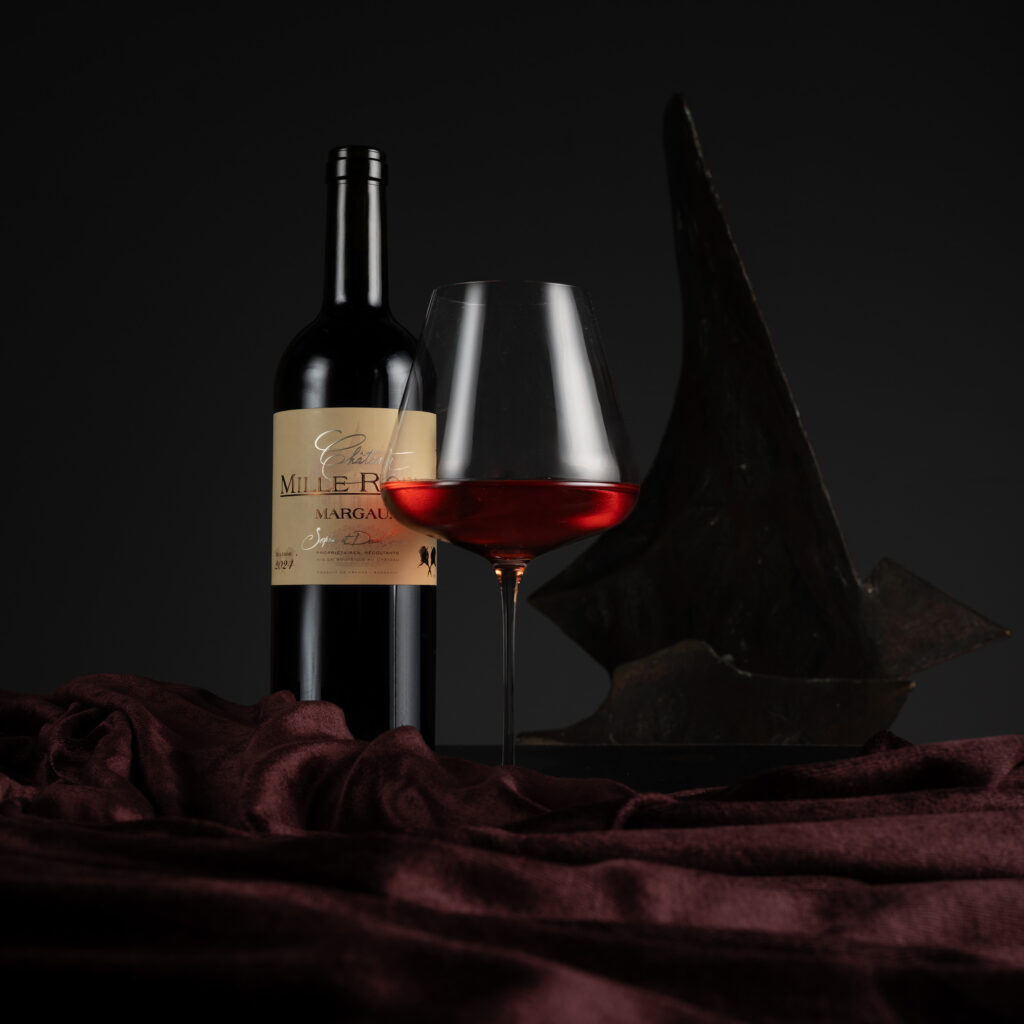
3. 2024 Château Mille Roses Haut-Médoc
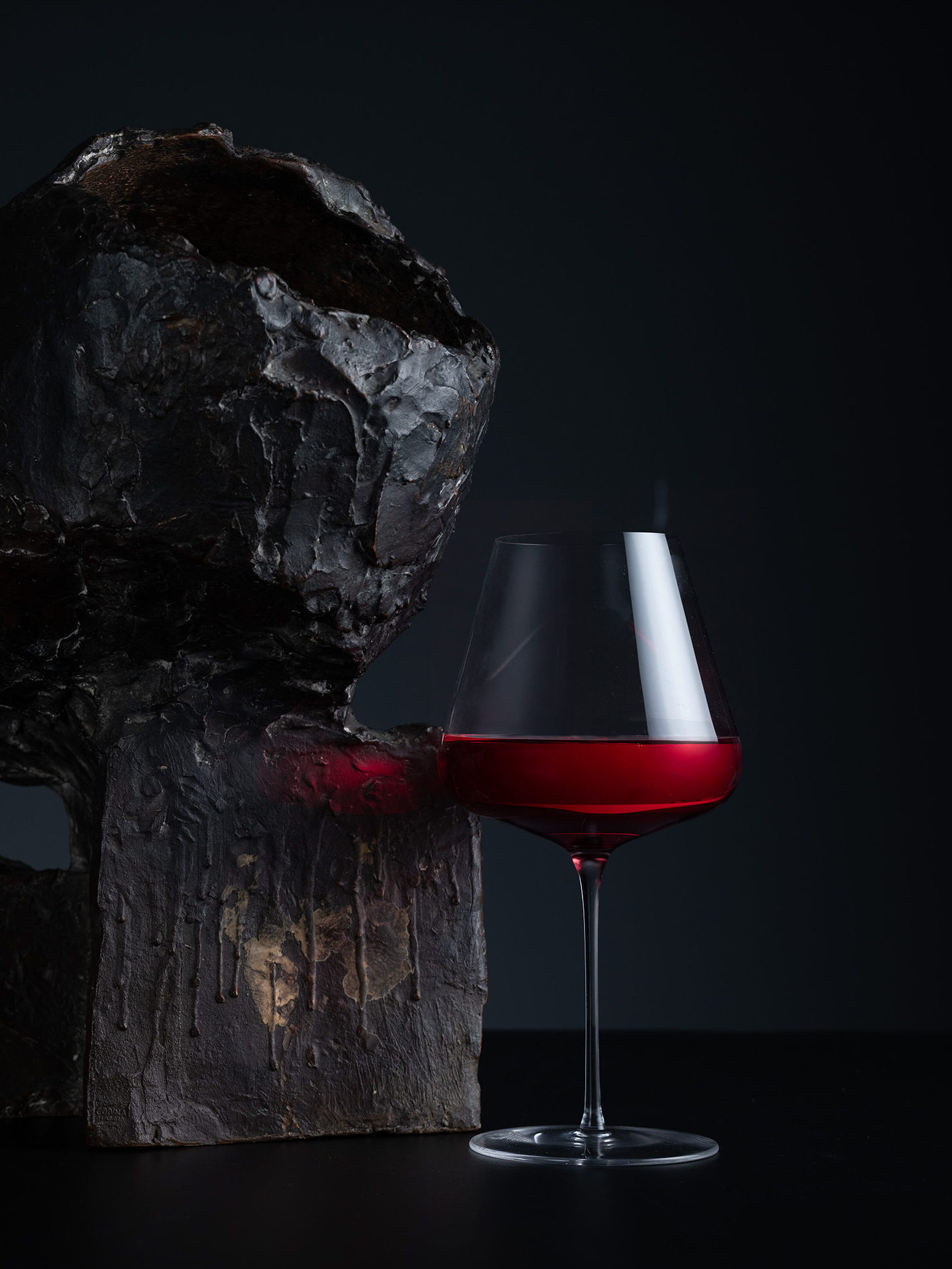
We’d reserve this bottle for the Christmas main course. Haut-Médoc is one of Bordeaux’s celebrated wine-producing areas, and this blend brings together three classic Bordeaux varieties. Think juicy blackberry, tangy blackcurrant, tobacco, leather, and subtle herbal notes, with oak adding hints of vanilla and baking spice. It has a structured but balanced character, with fresh acidity and polished tannins. At 12.5% ABV, it also meets the company’s lower-alcohol standard. We found this wine to be very smooth—not heavy or jammy.
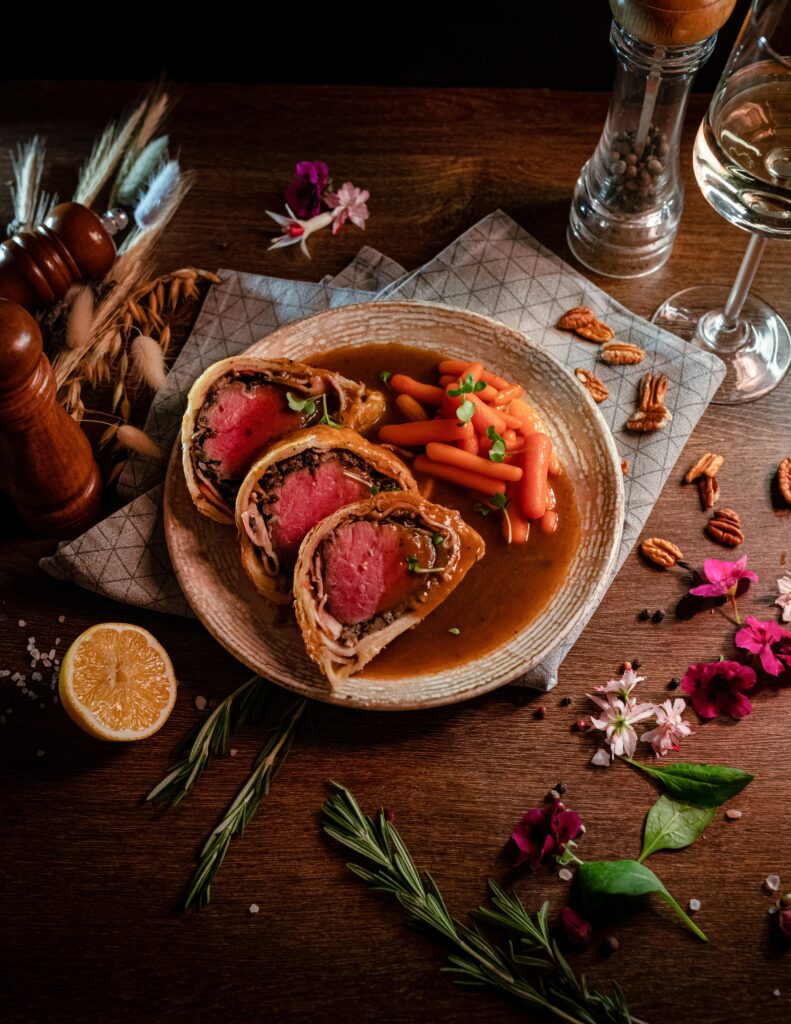
Food pairing: Think traditional Christmas indulgence: prime rib, roast beef, leg of lamb, or beef Wellington. Its dark-fruit character and savory notes should also work beautifully with roasted potatoes, rosemary, thyme, and a rich mushroom sauce. It can last into the cheese course—bring out an aged Comté or mature cheddar. N.B.: This is a wine that deserves to be given a little time to breathe before serving.
New Year’s Eve: Three sparkling wines for a night of celebration
This is where the Mixed 6 really shines, literally! Having three different sparkling wines gives you the opportunity to make New Year’s Eve feel like a proper tasting occasion, rather than simply opening a bottle of Champagne at midnight.
4. 2023 Filo del Espejo Casa de los Ecos
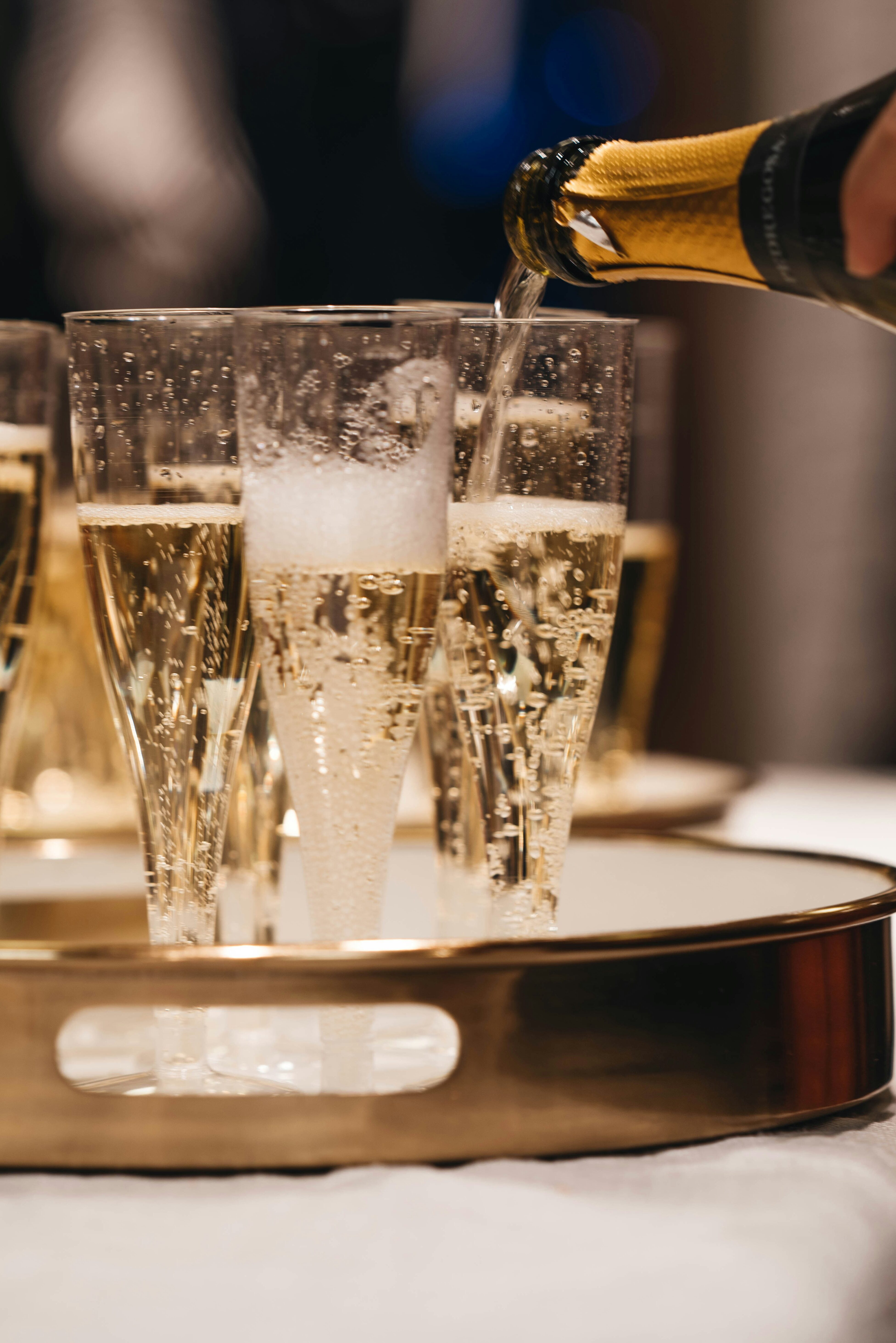
This Spanish sparkling wine is made from four indigenous grape varieties: Xarel-lo, Macabeo, Parellada and Malvasia de Sitges. The wine has a mineral-driven personality, with aromas of green apple and citrus peel. It’s zingy at first on the palate, but fresh acidity is balanced by subtle creaminess and a clean, stony finish.
Food pairing: This is an ideal aperitif wine. Think oysters, shrimp ring, calamari—even potato chips! It also pairs well with Spanish-inspired appetizers, including marinated olives, Marcona almonds, Manchego cheese, and grilled vegetables.
5. NV Les Chais Saint Antoine Crémant d’Alsace
Crémant d’Alsace is an excellent alternative (or build-up) to Champagne. Produced in the Alsace region of northeastern France, it is made using the traditional method, with a second fermentation in the bottle. The result is an elegant sparkling wine that can offer freshness, complexity and fine bubbles without the Champagne price tag.
Food pairing: Serve chilled as guests begin to tuck into the appetizers, perhaps smoked salmon blinis, oysters, shrimp cocktail, gougères, or a selection of French cheeses.
6. NV Champagne Erick Schroeder Essentiel Extra Brut
Now for the star of the midnight celebrations. A proper Champagne is always special, and Extra Brut is especially appealing to those who prefer a dry but well-rounded sparkling wine. This is from an artisanal grower in Champagne. It has a fine perlage and a distinctly mineral character. Expect freshness, citrus, orchard fruit and a little richness from oak aging.
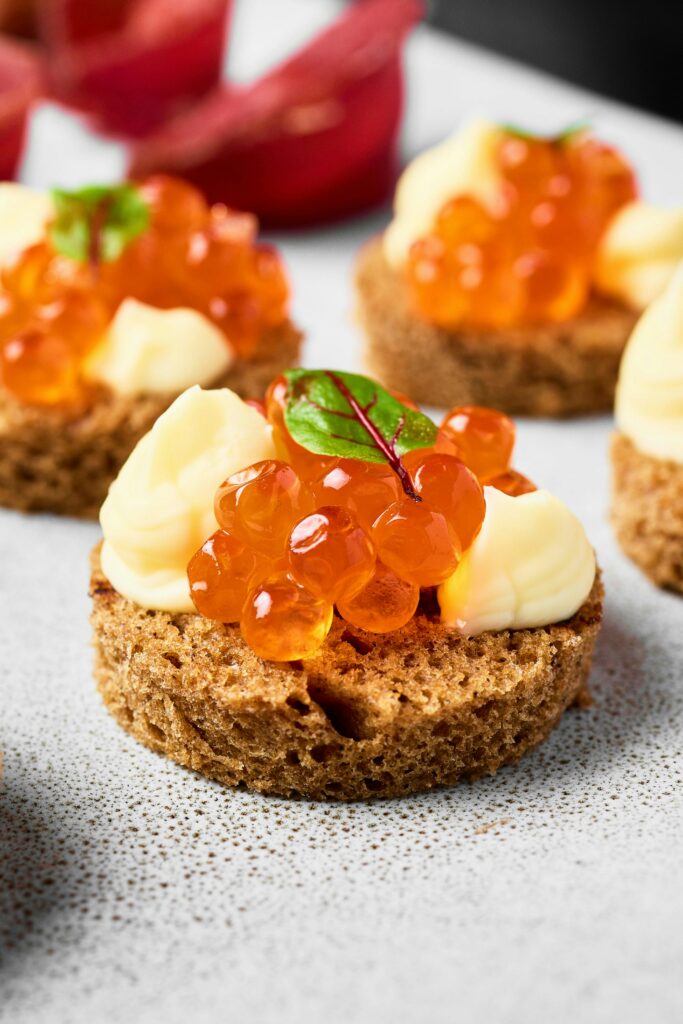
Food pairing: Oysters are the classic choice, but by the time you get to this moment in the evening, you may well have moved onto richer foods such as lobster, scallops, caviar, sushi, or seafood canapés. Its crispness pairs especially well with salty, creamy foods. Or simply save this one for the midnight toast!
Whatever your wine taste, you get to select the styles, colors, and tastes you enjoy. You also choose how many and how often. It’s a bit like having your own personal sommelier for that special occasion.
Have a look for yourself at what Dry Farm Wines offers here.