
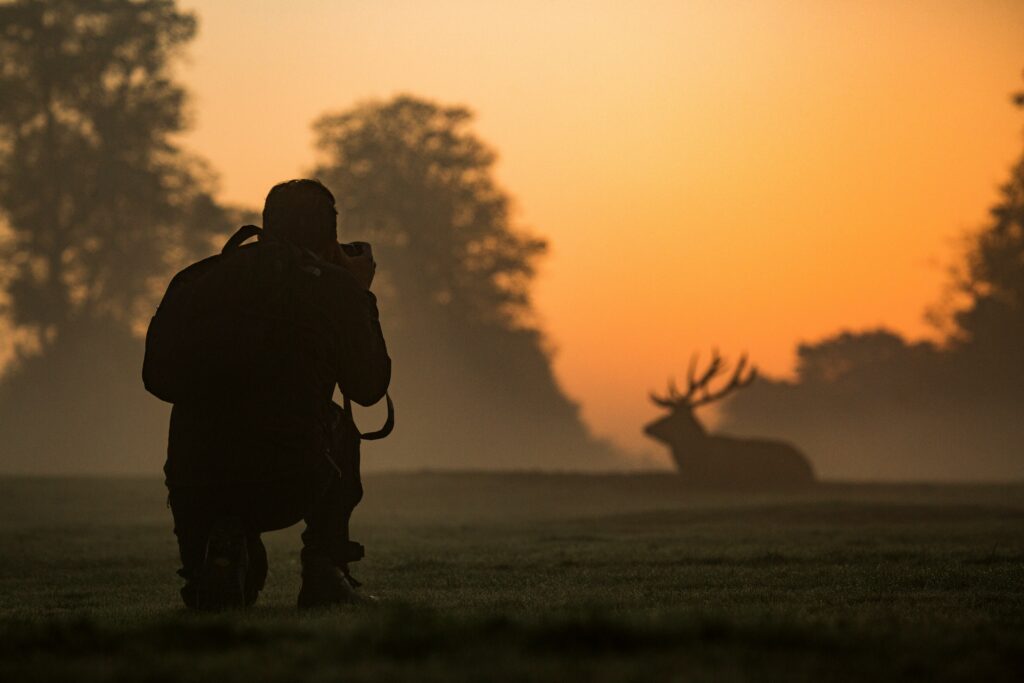
Best Places for Fall Wildlife Spotting in the U.S.
For travelers looking to add a little wildlife to their next getaway, destinations right here in the U.S. bring visitors closer to animals while highlighting the importance of protecting them and their habitats.
Fall is one of the best times of year to spot wildlife because cooler temperatures, mating seasons, and intense food-gathering make animals much more active and visible.
Even a walk through your local woods may bring you closer to hawks and other birds not usually seen in Summer. Whether paddling through waterways to find manatees or exploring wildlife-focused attractions and animal sanctuaries, these experiences offer meaningful ways to connect with the natural world while traveling responsibly.
New York State
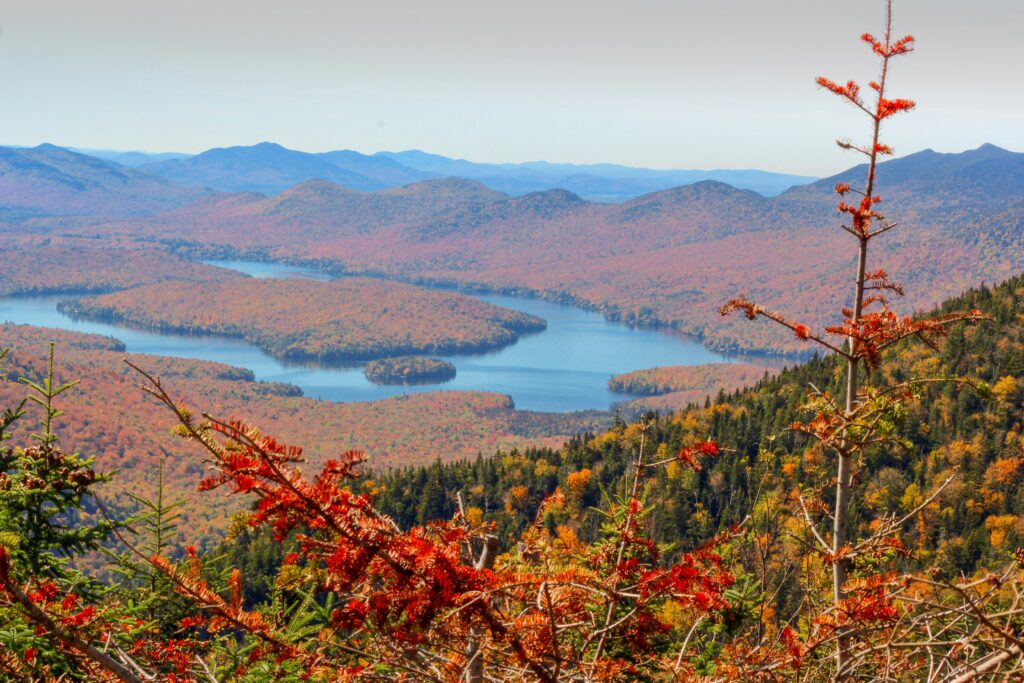
In New York State’s Adirondack region, wildlife conservation is fostered through educational initiatives and immersive experiences. The Wild Center and Wild Walk in Tupper Lake, New York, focuses on both conservation efforts and providing immersive, educational experiences for visitors to connect with nature. Through its exhibits, trails and outdoor activities, the center emphasizes the importance of wildlife conservation while offering people a chance to explore the Adirondacks and its diverse ecosystems. The center promotes sustainability by educating the public on how to preserve local habitats and wildlife while offering experiences such as hiking, kayaking and observing animals in their natural environments. The center’s approach combines ecological awareness with recreation, encouraging visitors to engage with the natural world in a respectful and responsible manner.

Florida’s Space Coast
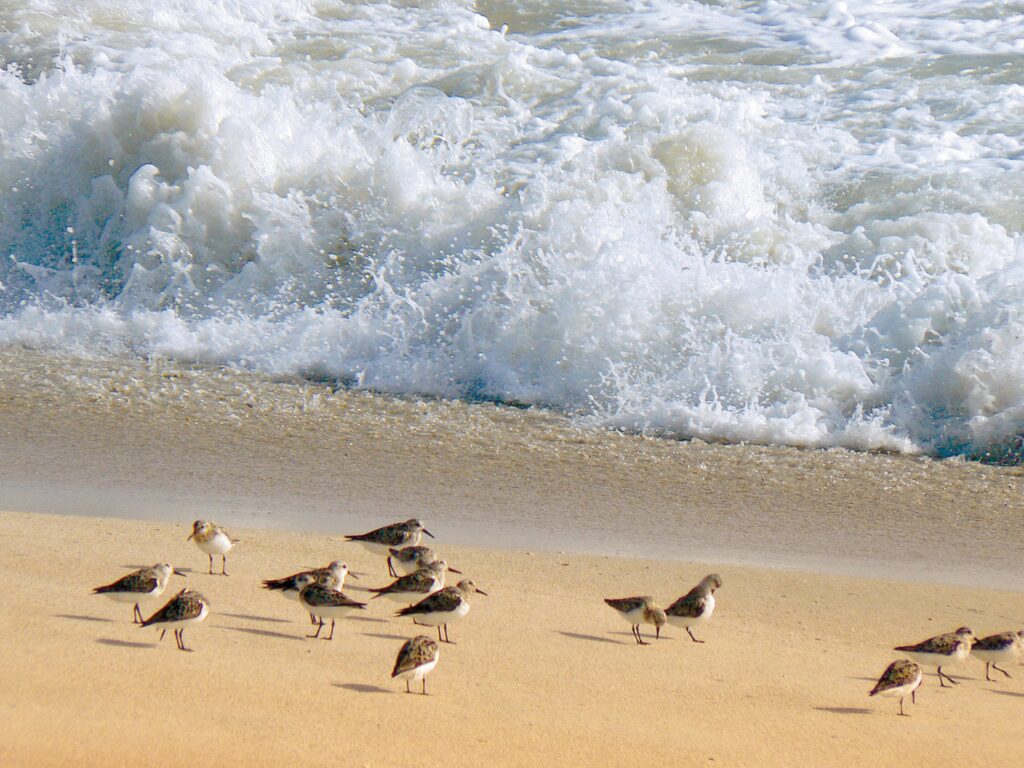
On Florida’s Space Coast, wildlife conservation and responsible tourism come together through opportunities for visitors to experience manatees in their natural habitat. The winter months, particularly November through April, provide an ideal time to spot these gentle marine mammals as they gather in the area’s canals and waterways. Visitors are encouraged to observe manatees responsibly from a distance, with guided kayak tours offering a way to encounter the animals without touching or disturbing them. The region also promotes responsible boating practices, including observing posted No Wake Zones throughout the Indian River Lagoon to help protect the slow-moving animals. In Titusville, Springs to Sea Old Florida Eco Tours provides visitors with an immersive way to explore the waterways of Merritt Island National Wildlife Refuge through small-group kayak and paddleboard tours. These experiences provide an opportunity to explore the natural habitats where wildlife, including manatees, can be found while encouraging visitors to appreciate the region’s waterways and wildlife responsibly.
North Carolina
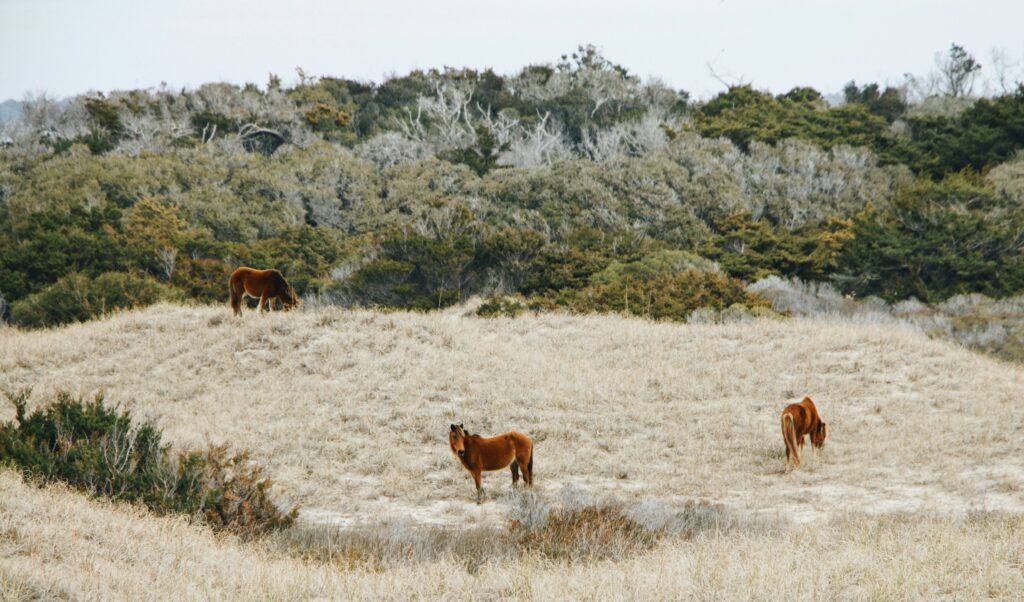
North Carolina’s Crystal Coast is home to an abundance of remarkable wildlife, but few creatures are as iconic as the wild Shackleford horses. Roaming freely along Shackleford Banks, a remote barrier island within Cape Lookout National Seashore, the herd has captivated visitors, scientists and wildlife enthusiasts for generations. Accessible only by boat, Shackleford Banks offers guests the chance to see these majestic animals in their natural habitat, alongside opportunities for fishing, hiking and exploring the pristine coastline. Also known as “Banker horses” or “Shackleford Banks horses,” the herd is descended from hardy Colonial Spanish horses believed to have arrived on the islands after shipwrecks in the 1500s. Over centuries, the horses adapted to the island’s rugged environment, developing the breed’s characteristic smaller stature, resilience and gentle nature. Today, more than 100 wild horses roam free on Shackleford Banks, where they are monitored by the National Park Service and the Foundation for Shackleford Horses. Through careful monitoring, genetic testing and a non-invasive birth control program, these organizations work to protect the herd’s long-term health and sustainability. Unlike many wild horse populations, the Shackleford horses remain truly wild—they are not fed, watered or sheltered by humans—making them a rare glimpse into one of the East Coast’s last isolated herds of wild horses.
Fort Myers, Florida
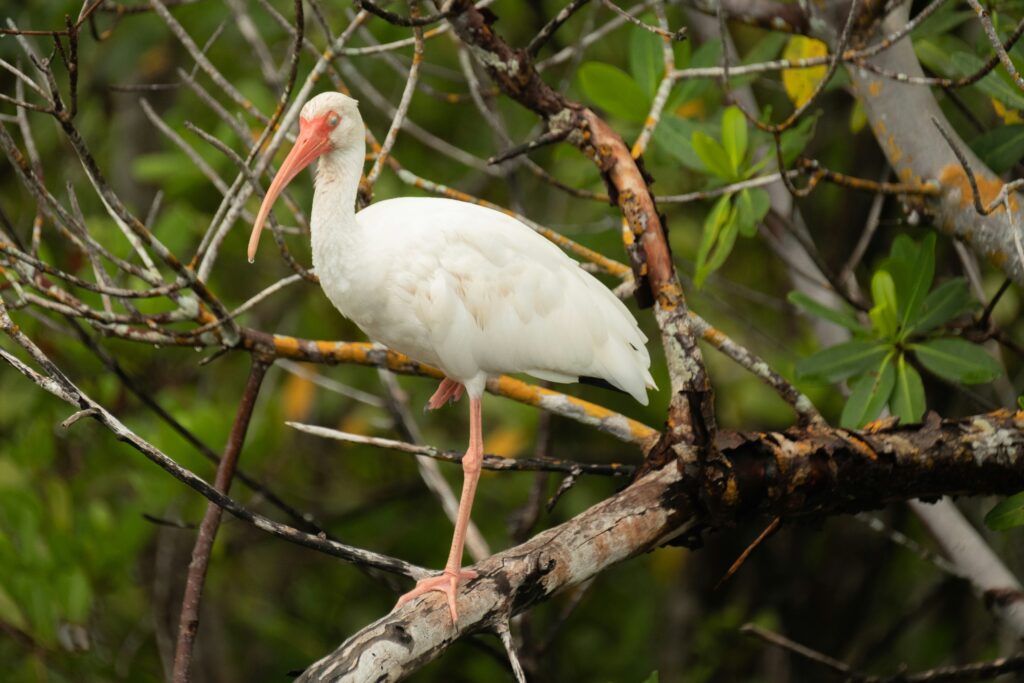
For wildlife lovers, the Fort Myers area offers an incredible variety of ways to experience Southwest Florida’s natural beauty, from Roseate Spoonbill spottings across Sanibel Island to dolphins splashing in the water along the region’s barrier islands, including Cayo Costa State Park, to curious manatees speckled across the destination’s marinas. At J.N. “Ding” Darling National Wildlife Refuge, visitors can explore over 7,600 acres of mangrove habitats teeming with over 245 native and migratory birds, while nearby Manatee Park offers a chance to see gentle manatees in their natural habitat, especially during the cooler months. Koreshan State Park provides another window into the region’s lush ecosystems and wildlife, while Bunche Beach Preserve is a peaceful spot for shorebirds, wading birds and the dolphins offshore.
San Luis Obispo County
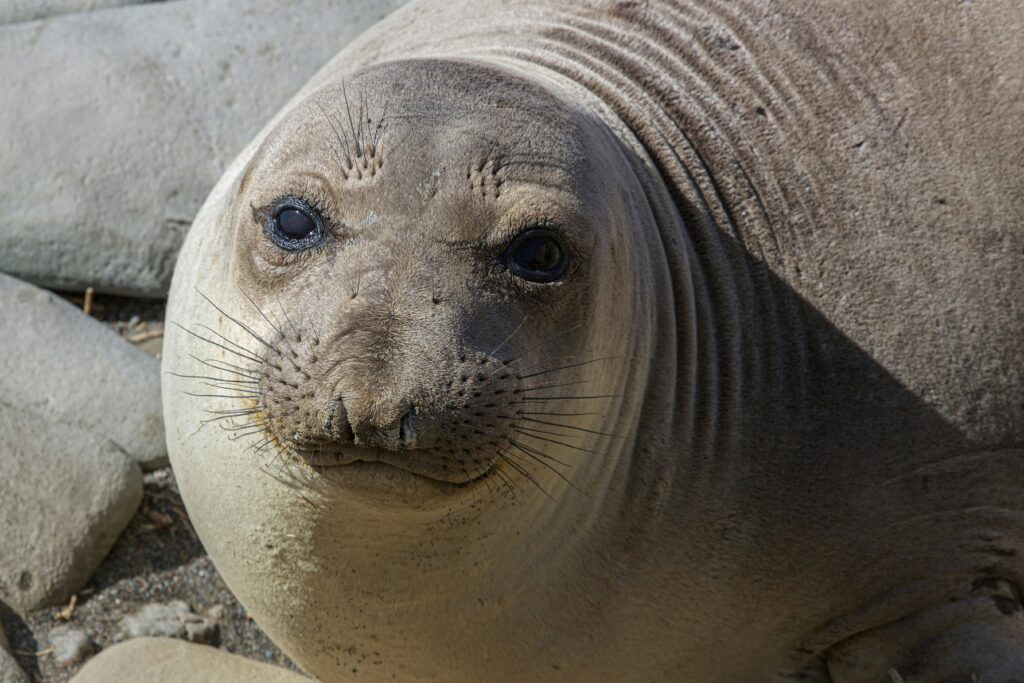
From flittering monarch butterflies as light as a feather to elephant seals that tip the scales at more than 5,000 pounds, San Luis Obispo County (aka SLO CAL) has an incredible variety of wildlife—and ways to see it. For starters, head to the rugged strip of coastline known as Piedras Blancas (Spanish for “white rocks”), alongside Highway 1 roughly 7 miles north of San Simeon. Here, some 17,000 elephant seals, once hunted to near extinction, haul up on the rocky sands to breed, have their young, molt, and rest. From observation areas above the sands, watch bellowing bull elephant seals as large as mini-vans battle for territory, while quieter, smaller females nurture their plump, cigar-shape pups.
Newport, Rhode Island
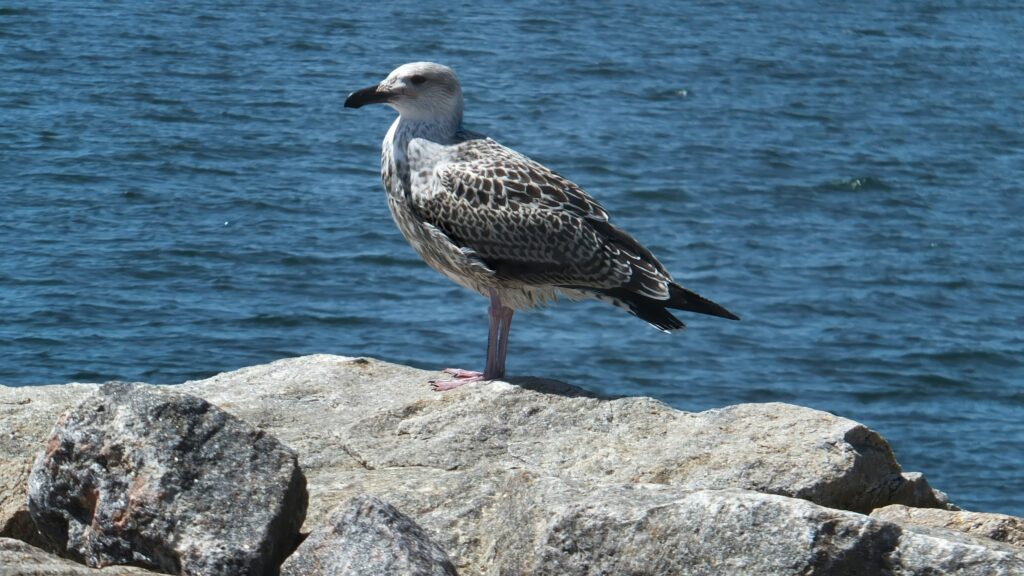
Tucked into Middletown, Rhode Island, Norman Bird Sanctuary invites travelers to slow down and tune in to the region’s wild side. Spanning 300 acres of diverse habitat, from rolling meadows and shaded woodlands to rocky ridges and coastal views, the sanctuary offers seven miles of hiking trails where visitors can watch for songbirds, raptors, and other native wildlife along the way. Whether wandering a quiet path at dawn or pausing at an overlook to scan the treetops, guests are treated to an up-close look at the natural character of Aquidneck Island. The organization, which celebrated 75 years in 2024, is dedicated to education and inspiration, helping visitors of all ages connect with and care for the preservation of the region’s wildlife.