
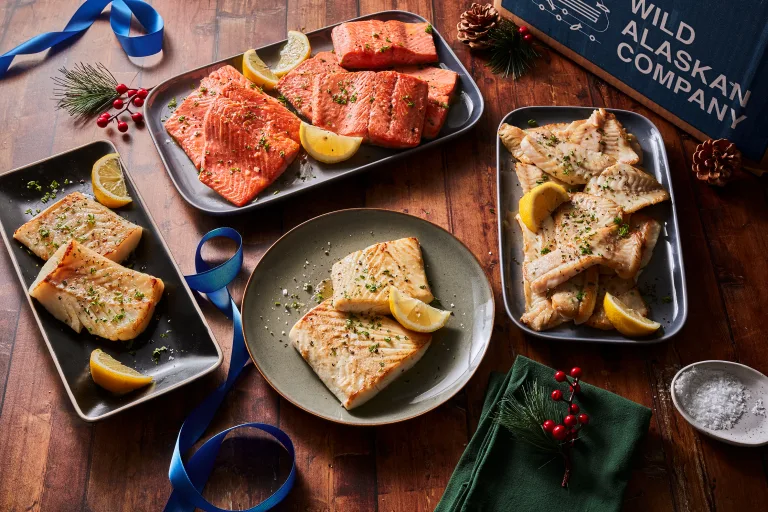
This Company Brings the Flavors of 8 Alaskan Regions to Your Dinner Table
From the remote Aleutian Islands to the salmon-rich waters of Bristol Bay, Wild Alaskan Company promises a taste of the American wilderness without leaving home.
There are few places on Earth that feel as wild as Alaska. Picture snow-capped mountains tumbling into icy seas, glaciers, immense forests, rugged volcanic islands, and humpback whales breaching the deep blue. Beneath those waters lies an ecosystem of astonishing richness, producing some of the world’s most celebrated fish. Now imagine bringing a little of that into your kitchen. That’s the promise of Wild Alaskan Company, a seafood delivery business that connects consumers with wild-caught fish sourced from Alaska and the Pacific Northwest.
For travelers who appreciate nature, responsible food sourcing, and memorable meals even at home, this seafood subscription offers a connection to one of the world’s great marine environments.
What is Wild Alaskan Company?
Founded by Arron Kallenberg, an Alaska native whose family has deep roots in the Bristol Bay fishing industry, Wild Alaskan Company was built around a simple proposition: make high-quality wild seafood easier to enjoy at home while encouraging more thoughtful sourcing. The company draws on generations of family fishing experience and emphasizes relationships with fisheries and suppliers that share its approach to sustainability.

Through a membership model, customers choose from curated seafood boxes, select a box size and delivery frequency, and can add other products to their orders. The range focuses on wild-caught fish, with selections varying by availability. Portions in its standard boxes are generally 5 to 7 ounces, making them convenient for individual meals.
A freezer stocked with individually portioned fish makes it easier to plan a quick weekday dinner, prepare a weekend feast or put together a healthy meal when a trip to the grocery store isn’t appealing. And, of course, there is the pleasure of knowing that your next salmon dinner has a story that begins miles away, in some of the most dramatic waters in North America.
From ocean to doorstep: How fresh is frozen fish?
A fish displayed on ice at a supermarket could have spent days traveling through a supply chain before reaching the counter. It might have been frozen and thawed, and you can’t freeze it again without ruining the texture. It may have been handled, moved, and exposed to different temperatures, air quality, or substances.
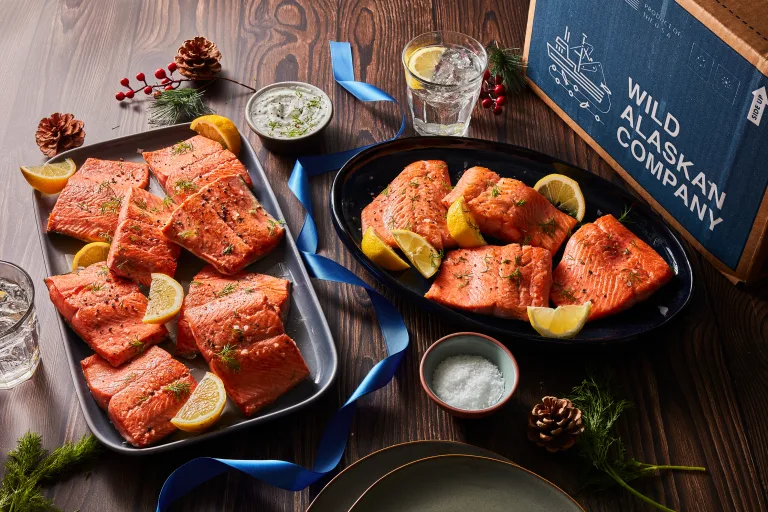
Wild Alaskan Company’s supply chain is brief. The company catches, cleans, cuts, and flash-freezes the fish at about −30°F in Alaska. It then ships to processing partners in the Pacific Northwest, where fillets undergo quality checks before being stored frozen. The company packs orders with dry ice (wear gloves when handling) and insulated packaging for delivery across the United States. Rapid freezing helps preserve the fish’s texture, flavor, and nutritional quality. Our box arrived perfectly frozen in warm fall weather. We thawed some Sockeye Salmon fillets and made a delicious teriyaki meal. It would’ve also been great grilled with just a little olive oil and lemon.
The standards behind the seafood
Alaska’s waters produce more than half of the fish harvested in U.S. waters, according to NOAA, and the state’s fisheries are managed with an emphasis on maintaining fish populations for future generations.
That does not mean every fishery has identical environmental impacts, or that the words wild-caught and sustainable guarantee the same thing for every species. Responsible consumers should still consider the species, fishery, catch method and available sourcing information. Nor should a company’s general sourcing philosophy be taken as proof that every product carries an independent sustainability certification.
A credible seafood ethos depends not just on the romance of the wilderness, but on how well that wilderness is protected.
A journey through Alaska’s extraordinary fishing grounds
Alaska is not a single fishing destination. It is a vast collection of marine environments, from protected bays and forest-lined fjords to storm-swept islands and deep offshore seas. Each has its own geography, wildlife, fishing traditions and mix of species.
The following regions help tell the larger story of Alaska’s seafood. These are established fishing areas, not a claim that Wild Alaskan Company sources every product from every listed location. The company’s actual sourcing varies by species, season and supply.
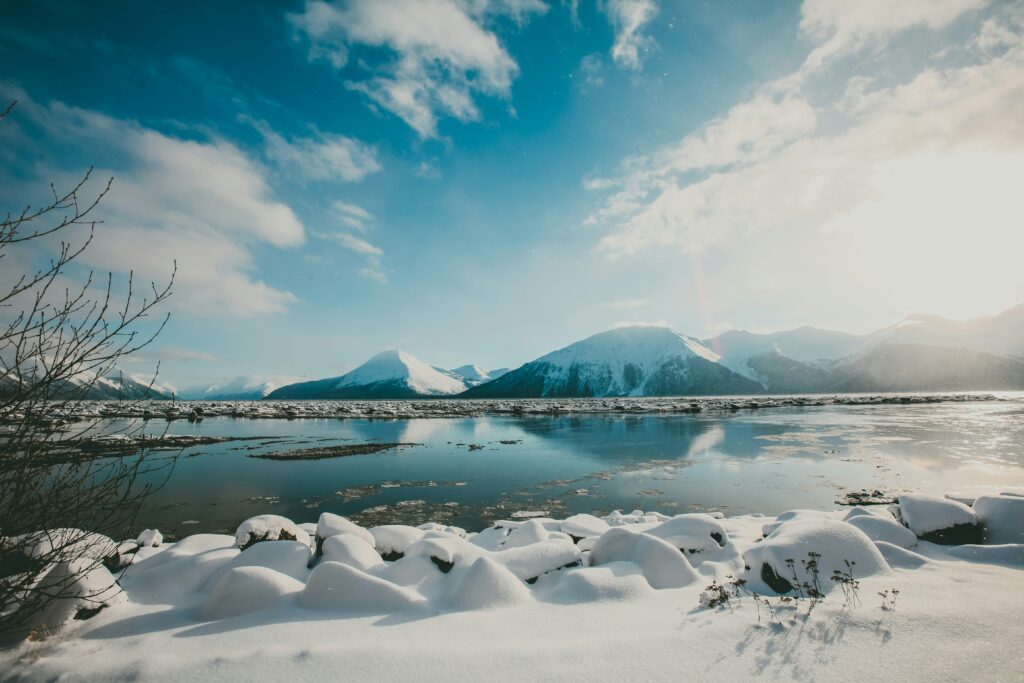
1. Alaska Peninsula: Where mountains meet the Pacific
Stretching southwest from mainland Alaska toward the Aleutian chain, the Alaska Peninsula is a landscape of volcanoes, immense open spaces, and weather shaped by the North Pacific. Its rugged terrain separates the Pacific Ocean from the Bering Sea, creating a dramatic transition between marine environments.
This is salmon country. Seasonal runs connect the ocean to rivers and streams, while the surrounding marine waters support groundfish and other commercial species. Nearby Bristol Bay is particularly celebrated for its sockeye salmon runs, among the most important wild salmon resources in the world.
For a traveler, this is Alaska at its elemental best: remote communities, big skies, active volcanoes and wildlife that has room to roam. For seafood lovers, it represents the relationship between healthy freshwater habitat, ocean productivity and carefully managed seasonal harvests.
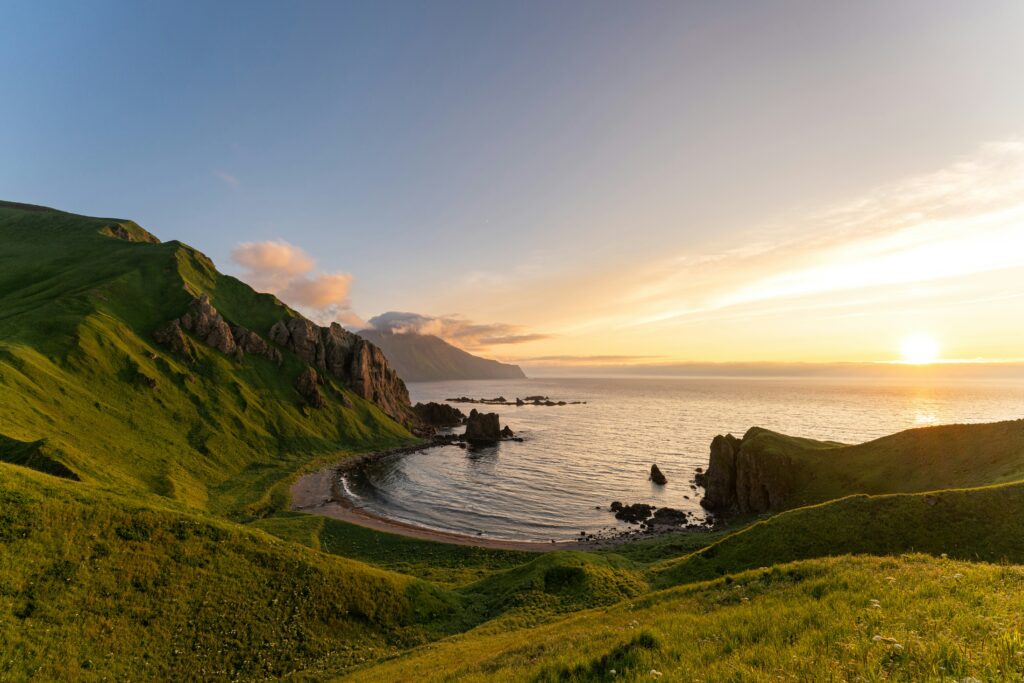
2. The Aleutian Islands: America’s volcanic edge
The Aleutian Islands form a sweeping chain of volcanic islands curving westward toward Asia. Windswept, frequently foggy and surrounded by powerful ocean currents, they feel like the edge of the inhabited world.
Their position between the North Pacific and Bering Sea makes the region ecologically distinctive. Fish, seabirds and marine mammals are supported by productive waters, while island communities have long been connected to the sea through fishing and maritime trade.
The wider Aleutian region supports fisheries for species including Pacific cod, pollock, halibut and rockfish. The precise mix depends on the fishing area and management rules.
3. The Bering Sea: A powerhouse of marine life
The Bering Sea is one of the world’s major commercial fishing regions. Its continental shelf, seasonal changes in sea ice and productive marine food webs sustain immense populations of fish and support seabirds, seals, whales and other wildlife.
Among its best-known seafood resources is Alaska pollock, a mild-flavored whitefish used in everything from restaurant dishes to fish sandwiches. Pacific cod and other groundfish also contribute to the region’s fishing economy.
Its importance comes from more than sheer scale. The Bering Sea’s productivity depends on complex interactions among ocean temperature, currents, plankton, fish and predators. Changes in sea ice and warming waters can alter those relationships, making research and adaptive management essential.
4. Cook Inlet: A wild landscape close to Alaska’s cities
Cook Inlet extends into south-central Alaska, near Anchorage and the Kenai Peninsula. Its waters are framed by mountains and glaciers, with striking tidal flats and landscapes that shift dramatically with the light and weather.
Despite being relatively accessible compared with the far western Aleutians, Cook Inlet supports significant fisheries. Salmon are central to its identity, while halibut, cod, and other species are associated with the broader south-central Alaska fishing region.
The inlet also demonstrates how a fishery can be both economically valuable and environmentally complex. Salmon populations differ by river system, and management must account for the timing and abundance of individual runs.
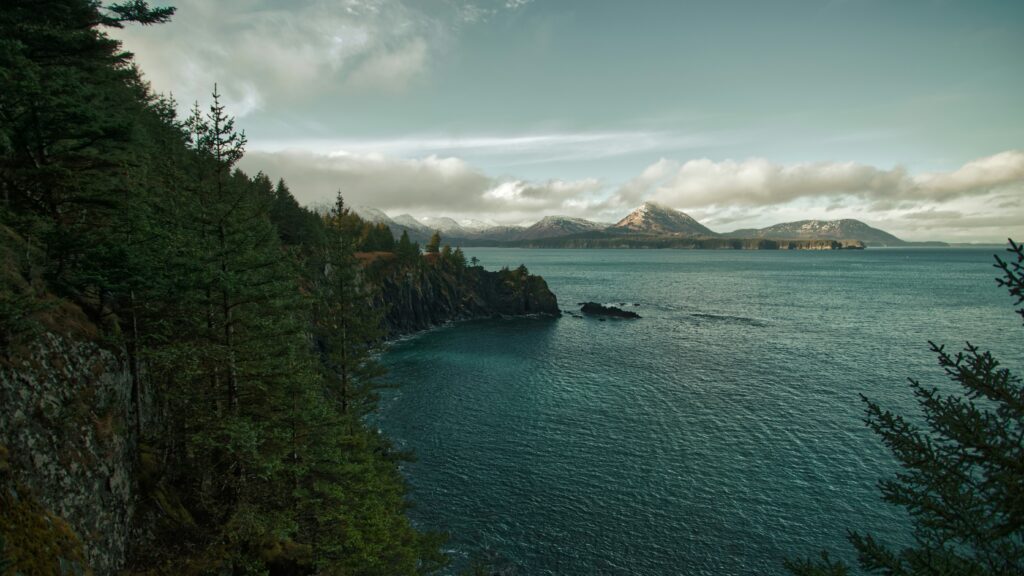
5. Kodiak: An island built around the sea
Kodiak Island, in the Gulf of Alaska, combines steep green mountains, sheltered coves, dramatic coastlines and a long maritime heritage. Its fishing communities depend on waters that support salmon, halibut, cod, rockfish and other seafood.
The island’s position in the Gulf of Alaska places it amid a productive marine environment influenced by currents, freshwater runoff and seasonal changes. Salmon travel between ocean feeding grounds and freshwater spawning habitat, while bottom-dwelling species occupy a range of offshore habitats.
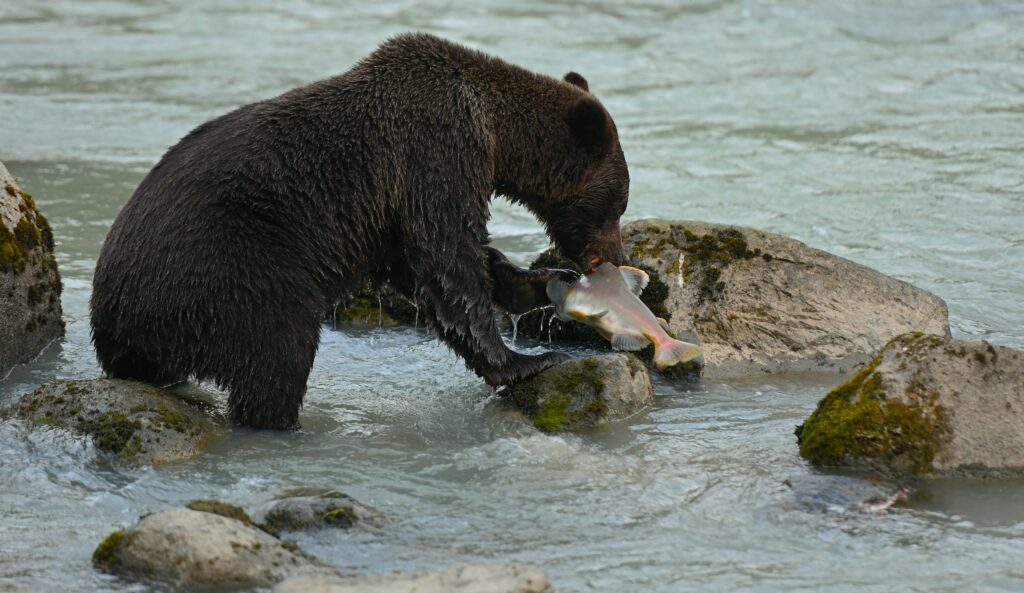
Kodiak is also known for its remarkable wildlife, particularly the Kodiak brown bear. The bears’ dependence on salmon illustrates the close connection between fisheries and terrestrial ecosystems: a healthy salmon run can nourish not just people, but entire landscapes.
6. Prince William Sound: Glaciers, fjords and salmon
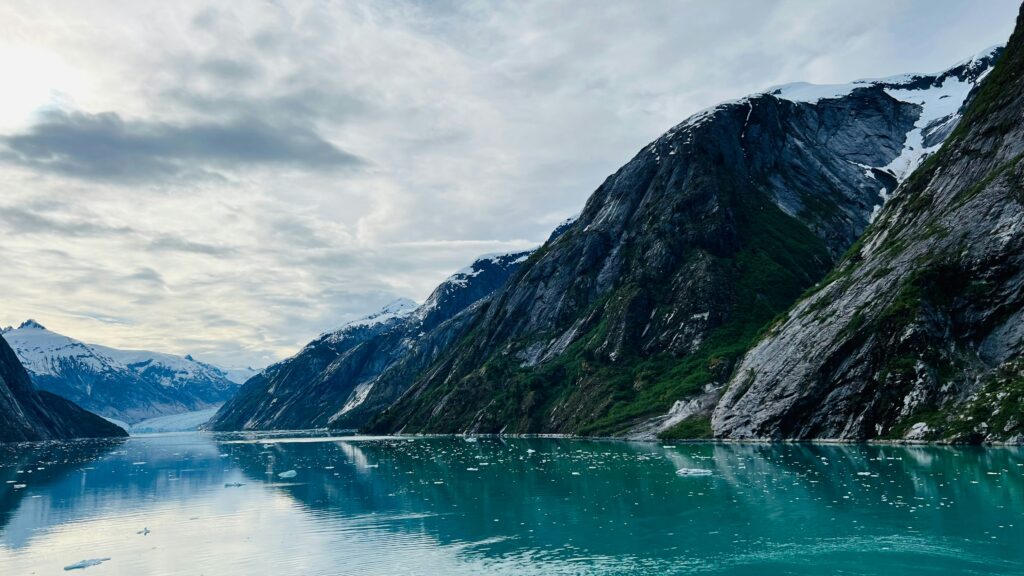
Prince William Sound is one of Alaska’s most visually spectacular coastal regions. Deep fjords cut into mountainous terrain, glaciers descend toward the sea, and sheltered waters create a maze of islands and passages.
The sound supports several salmon fisheries, along with halibut, rockfish, cod and shellfish in the broader region. Copper River salmon, harvested from waters connected to this part of south-central Alaska, have become particularly famous among chefs and seafood enthusiasts.
The region’s productivity reflects the interaction of marine waters, freshwater runoff and coastal habitat. Yet its history also offers a sobering lesson: the 1989 Exxon Valdez oil spill caused devastating environmental damage in Prince William Sound. Recovery, monitoring and ecosystem protection remain important parts of the region’s story.
7. Southeast Alaska: Rainforests, islands and deep fjords
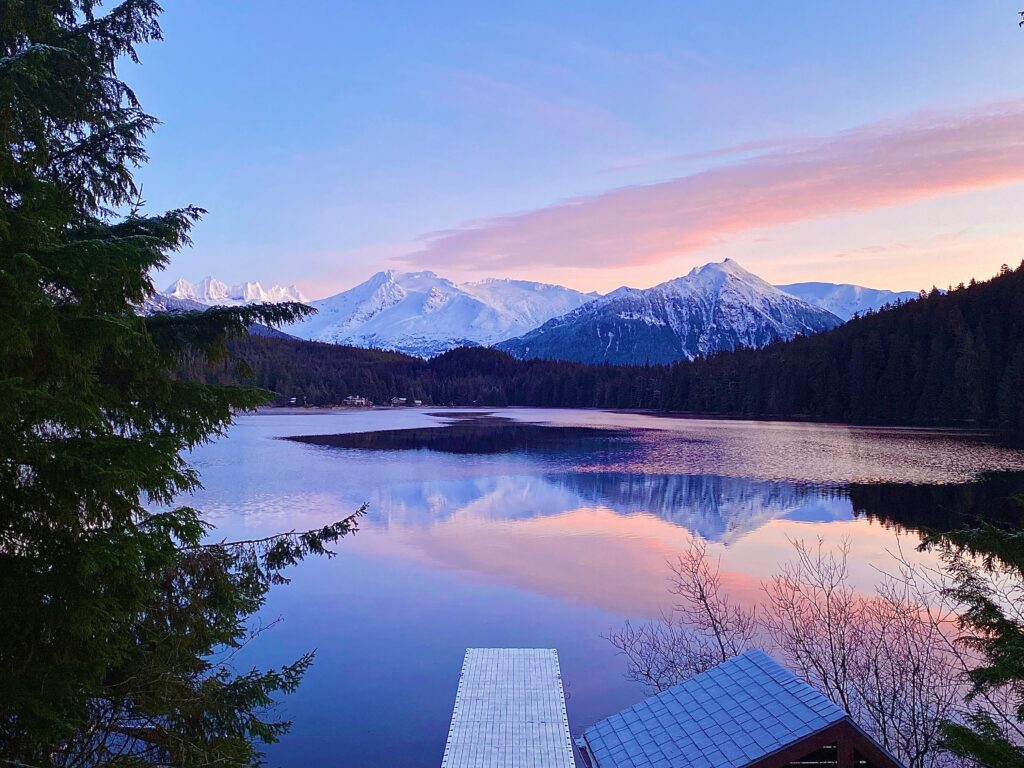
Southeast Alaska is a world of temperate rainforest, mist-covered islands, steep mountains and protected channels. Communities such as Sitka, Juneau and Ketchikan have deep ties to commercial fishing, Indigenous food traditions and the maritime landscape.
The region supports multiple salmon species, as well as halibut, black cod, rockfish and shellfish. Its extensive coastline creates a variety of habitats, from sheltered inlets to exposed ocean waters.
For travelers, Southeast Alaska is often the quintessential Inside Passage experience: cruising past forested islands, watching whales, exploring fishing towns and sampling seafood close to its source.
8. Yakutat Bay: The remote coastal frontier
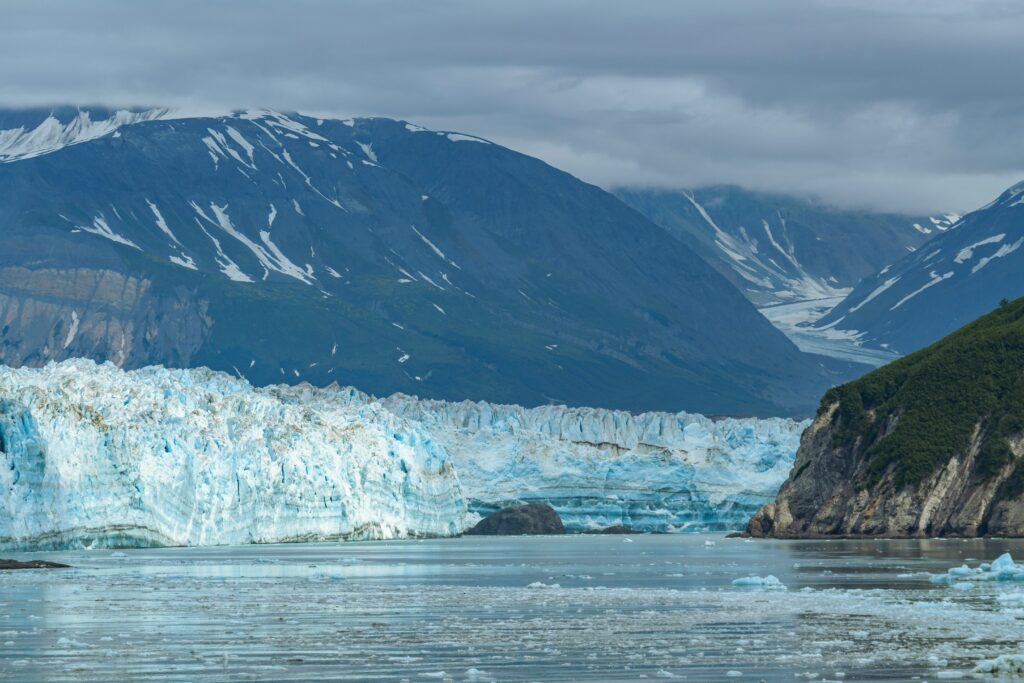
Yakutat lies along a rugged stretch of coast near immense glaciers and the St. Elias mountain range. Its waters support salmon fisheries, while halibut and black cod are among the other commercially important species associated with the area.
The scenery is extraordinary: a meeting of ice, mountains, rainforest and ocean, far removed from the density of major American cities. The coastal environment is shaped by glacial runoff, seasonal salmon movements and the broader dynamics of the Gulf of Alaska.
Why Alaska’s seafood is so special
Alaska’s coastal waters support some of the world’s most important wild salmon fisheries, while its offshore waters sustain substantial pollock, cod and halibut fisheries. NOAA identifies the region as an exceptionally diverse marine environment, supporting fish, crustaceans, marine mammals and seabirds.
Cold water alone does not guarantee better-tasting fish, and not every species thrives in exactly the same conditions. But Alaska’s extensive, productive marine habitats support fish that have grown and fed in the wild, with characteristics that vary by species, season and location.
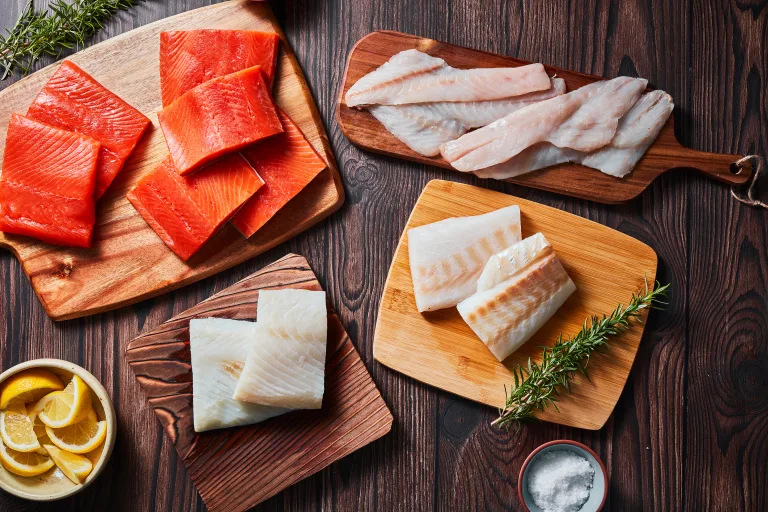
Wild salmon, for example, offers a range of flavors and textures. Sockeye is known for its richly colored flesh and pronounced flavor; king salmon is prized for its richness; and coho offers a milder, versatile option. Halibut, meanwhile, is celebrated for its firm, delicate white flesh, while cod and pollock are lean, high in protein, and lend themselves to a broad range of preparations.
Is Wild Alaskan Company worth subscribing to?
Wild Alaskan Company makes eating wild-caught seafood a practical habit, not an occasional treat. It takes the pain out of shopping—no more scouring supermarket shelves and wondering where that fish came from or how fresh it really is. Here is how the service compares to the typical supermarket experience.
| Wild Alaskan Company | Supermarket | |
|---|---|---|
| Sourcing | Wild-caught seafood from Alaska and Pacific Northwest | Wild-caught and farm-raised fish from many regions |
| Freezing | Flash-frozen after harvest, then kept frozen through its distribution process | May be fresh, previously frozen and thawed, or sold frozen |
| Portions | Individually portioned fillets | Varies by store and product |
| Convenience | Scheduled home delivery, with freezer-ready portions | Requires shopping, unless ordering online |
| Variety | Curated boxes and optional add-ons; selection varies | Potentially broader day-to-day selection |
| Flexibility | Delivery frequency can be adjusted, paused or canceled | Buy only when needed, without a subscription |
| Cost | Subscription cost depends on the box and quantity selected | Prices vary widely by retailer and whether fish is on sale |
Wild Alaskan Company’s advantage is the combination of sourcing, rapid freezing, portioning, and delivery. There is also a practical benefit for busy travelers. If you spend time away from home, you can plan deliveries around your schedule, pause a shipment before a trip, and keep portions in the freezer for your return. Customers can manage their delivery schedules through their accounts.
How to bring a taste of the wild to your table
You do not need elaborate recipes to make an Alaskan fish dinner feel special. Let the fish speak for itself!
- Sockeye salmon: Roast or pan-sear it with lemon, olive oil, garlic and fresh herbs. Its distinctive flavor works beautifully with simple seasoning.
- Coho salmon: Grill or roast it with a little butter and finish with a light citrus dressing, taking care not to overcook its flesh.
- Halibut: Pan-sear or bake with butter, lemon and parsley, serving alongside seasonal vegetables.
- Cod or rockfish: Use the fillets in a light coconut curry or a simple oven-baked Mediterranean-style dinner with tomatoes and herbs.
- Pollock: Use small pieces in chowders, fish tacos, and panko-crusted nuggets. Filets pan-sear well in brown butter.
For Vacationers who love travel, food, and discovering a destination through its produce, Wild Alaskan Company offers a way to bring that sense of discovery home. You may not be standing on a remote Alaskan shoreline, watching a fishing boat disappear into the mist, but you can still experience a small part of that world at your dinner table.
Best for: seafood lovers, busy home cooks, travelers who enjoy culinary discovery, and consumers who value wild-caught fish and convenient home delivery.
Worth considering before subscribing: the price per serving, your freezer space, how often you eat seafood and the sourcing details available for the species in your chosen box.
Explore the membership and current seafood selections at the official Wild Alaskan Company website. For more detail about its cold chain and sourcing philosophy, see its seafood supply-chain explanation.
Stay in style in Alaska for as little as $109 per night. See the selection here.