

OMA Nourishing Seaweed Soup: The Korean Wellness Ritual Perfect for Travel
In a world of wellness trends, elaborate supplement routines, and increasingly expensive superfoods, sometimes the most nourishing ideas are also the simplest.
Enter seaweed soup: a comforting Korean staple with deep cultural roots, a reputation as a restorative food, and a place in everyday meals that goes far beyond the latest health craze.
OMA Nourishing Seaweed Soup brings this tradition into the modern kitchen, offering a convenient way to enjoy the distinctive flavor and versatility of seaweed without having to start from scratch. With its focus on nourishment, cultural heritage, and sustainability, OMA taps into a growing appetite for foods that feel good to eat while connecting us to a bigger story about where our food comes from.
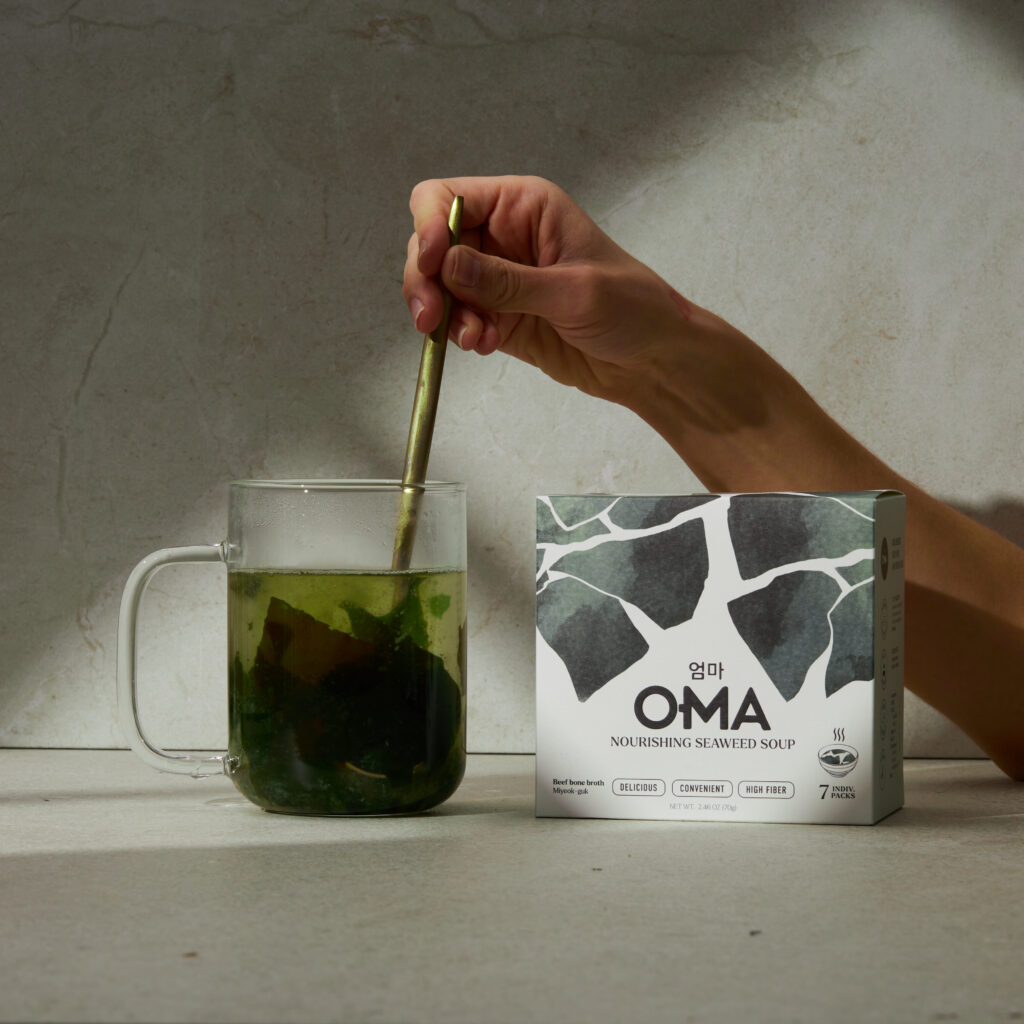

Whether enjoyed as a warming bowl on a chilly morning, a light lunch between busy appointments, or the base of a quick weeknight dinner, seaweed soup is a simple reminder that wellness doesn’t have to be complicated. And the health benefits are amazing: from gut health to weight loss, strength, and anti-aging.

A Korean tradition with nourishing purpose
In Korean cuisine, seaweed soup is known as miyeok-guk, traditionally made with miyeok, or edible sea mustard, a prized variety of brown seaweed also known as wakame. The soup is typically made with garlic, sesame oil, and anchovy or beef broth, though recipes vary by household and region.
It’s culturally significant, too. Women traditionally eat Miyeok-guk after childbirth, reflecting a longstanding Korean practice of serving nourishing, easy-to-enjoy meals during the postpartum period. It is also customary to eat the soup on birthdays, a tradition that honors mothers. Miyeok-guk is a food associated with care, family, gratitude, and the passing down of traditions between generations.
Seaweed itself brings distinctive nutritional qualities to the bowl. Depending on the species and serving size, it can provide fiber and minerals, including iodine, which the body needs to produce thyroid hormones. Seaweed also contains varying amounts of other nutrients, making it an interesting ingredient for people looking to broaden the range of plants in their diets. Seaweed is not a miracle food, and its nutritional profile varies by species and preparation. Iodine levels can be particularly high in some seaweeds, so moderation matters, especially for anyone with a thyroid condition or who has been advised to monitor iodine intake.
OMA’s appeal lies in making this traditional food more accessible to people who may be unfamiliar with Korean cooking, as well as to those who simply want a convenient, comforting bowl of soup.
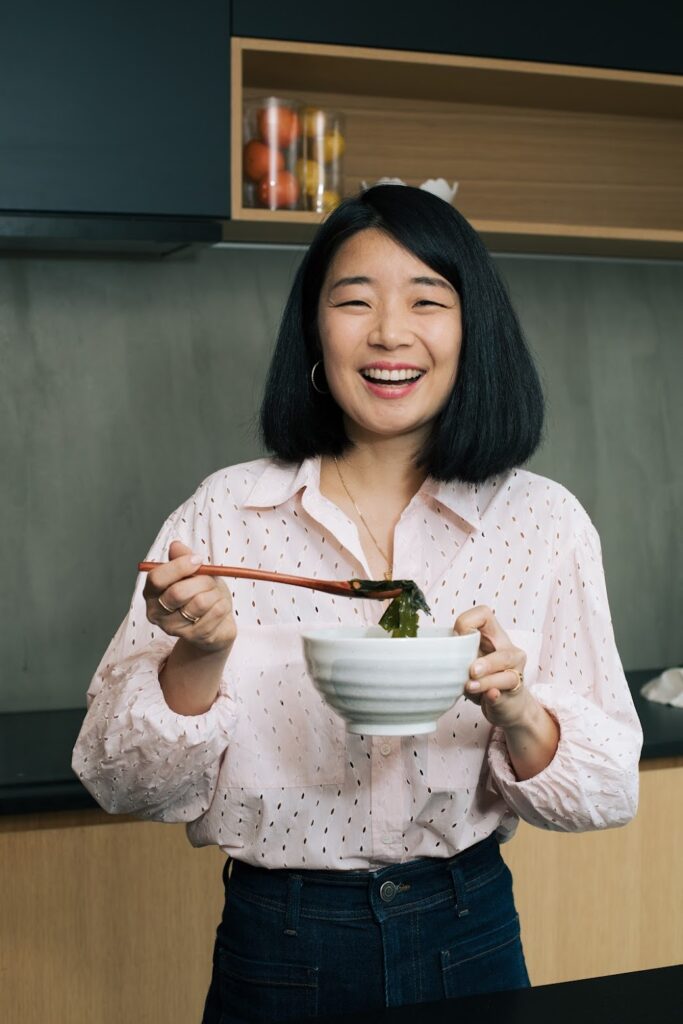

The woman behind OMA
Born and raised in Paris, Yondjé Choi grew up immersed in the flavors of her mother’s homemade Korean dishes. These meals taught her nutrition, highlighting the specific health benefits of each ingredient. However, as her career took her to New York, the demands of being a professional and a mother left her little time to recreate the restorative broths of her youth.
OMA came after a difficult pregnancy. Following Korean postpartum tradition, Yondjé’s mother traveled to New York to prepare miyeok-guk for her every single day. This daily act of maternal care led to a quick recovery and a profound realization: the world needed access to this healing power. She founded OMA, meaning “mother” in Korean, to reimagine these ancient wellness rituals for the modern world.
Sustainability and seaweed
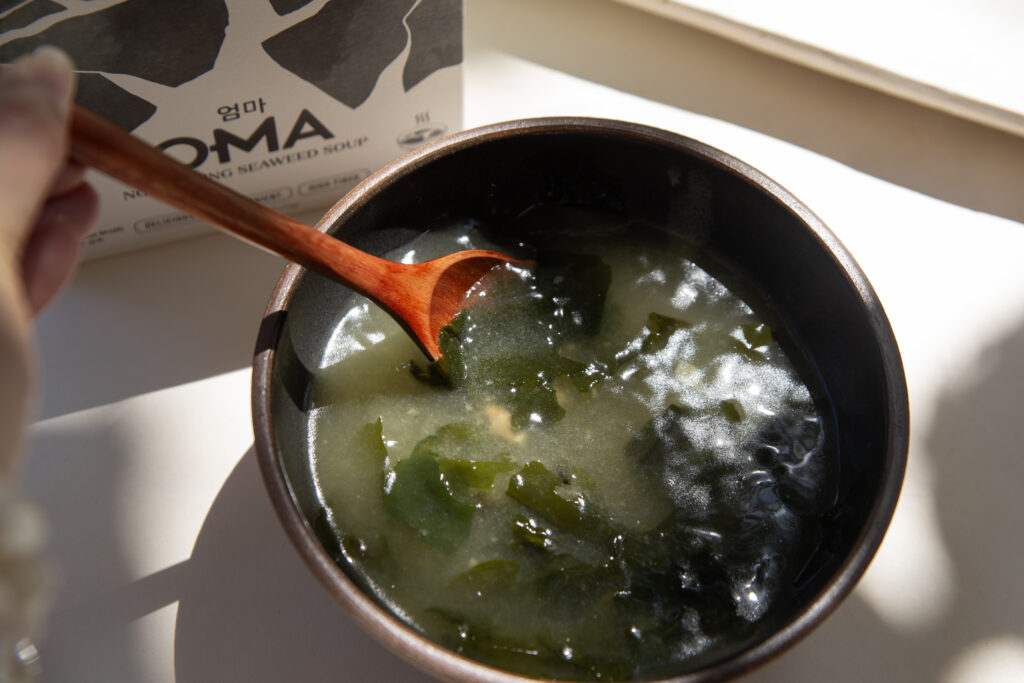
Unlike many terrestrial crops, seaweed can be cultivated without agricultural land, freshwater irrigation, or the fertilizers and pesticides commonly used in conventional farming. It can also grow relatively quickly, making responsibly managed seaweed aquaculture a promising part of the search for lower-impact food ingredients. OMA’s seaweed is organically certified and sourced from a Korean seaweed farm. It has a silky texture and a subtle, savory flavor. The product range includes a beef bone broth version (absolutely delicious) and a vegan broth made with shiitake mushrooms, onion, and garlic.
The convenience factor is a big plus for travel. You can prepare the individual soup sachets —which contain a small cube of dried organic seaweed, ox-bone broth, and other natural ingredients —with one cup of hot water, perfect for a road trip or camping. Additionally, several major airports across Asia—from Japan to Vietnam, Korea to Singapore—offer free hot water dispensers in public areas for preparing tea, ramen, and soups.
Frequent travelers who often face an empty pantry before or after a trip will love OMA. We enjoy them any time, from breakfast to lunch to dinner. The idea of nourishment is particularly appealing as the weather gets colder. An egg makes the broth more substantial; rice turns it into a simple lunch; vegetables, tofu, or dumplings can transform it into dinner. The following recipe builds on OMA’s ready-to-prepare soup format, showing how one convenient pantry ingredient can work across several different meals.
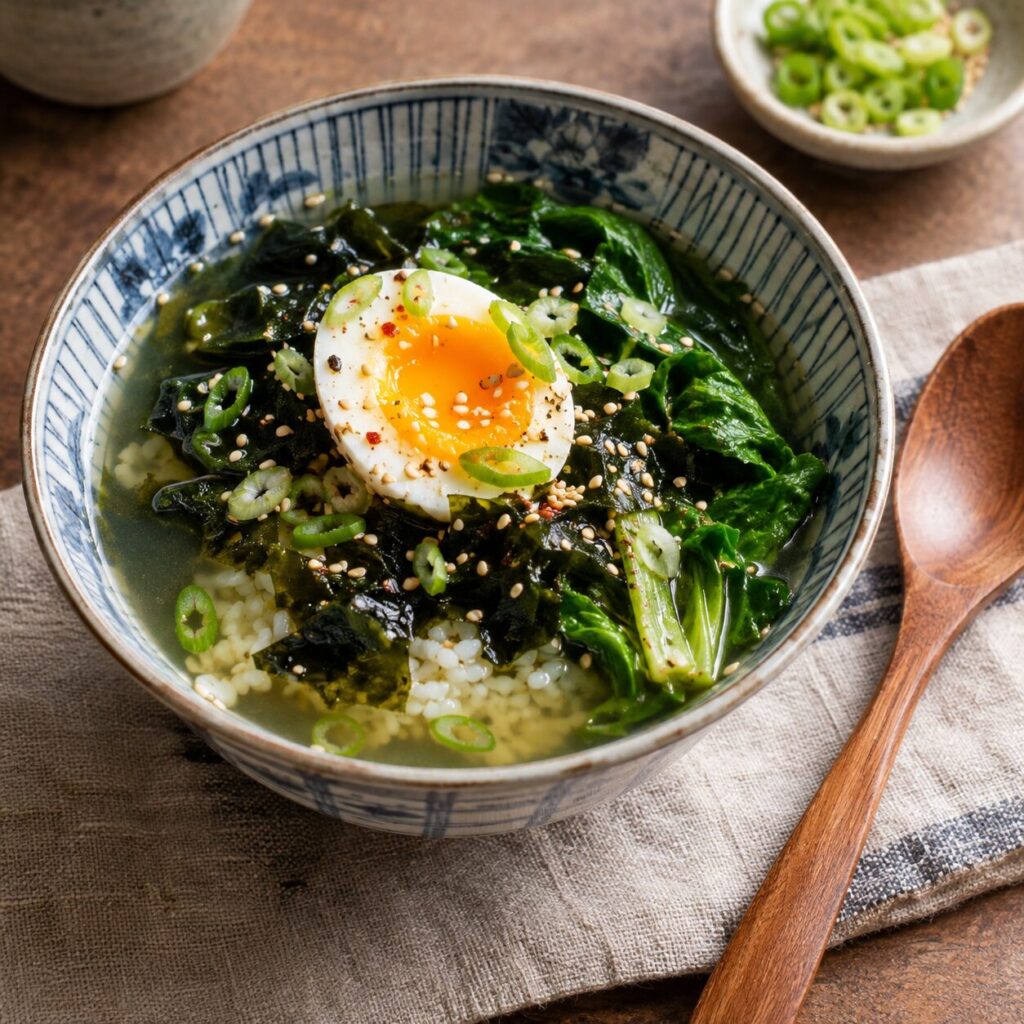
Seaweed Rice Bowl with Sesame and Greens
Part soup, part grain bowl, this is an easy way to turn OMA into a more complete meal. Warm rice soaks up the savory broth, while greens and sesame add color, texture, and a little nuttiness. Think of it as a flexible Korean-inspired bowl rather than a strictly traditional dish.
Ingredients
- 1 OMA Nourishing Seaweed Soup cube
- 1 cup (8 ounces) boiling water, or the amount specified on the package
- 1 cup cooked short-grain rice
- ½ cup baby spinach or other tender greens
- 1 scallion, sliced
- ½ teaspoon toasted sesame oil
- 1 teaspoon toasted sesame seeds
- ½ avocado, sliced, optional
- 1 soft-boiled egg or 100 grams firm tofu, optional
Method
- Prepare the OMA soup according to the package directions.
- Place the warm rice in a wide bowl.
- Add the spinach and pour the hot soup over the rice. Allow the greens to wilt for a minute.
- Arrange the scallion, avocado, and egg or tofu on top, if using.
- Finish with sesame oil and toasted sesame seeds.
Make it your own: Add sautéed shiitake mushrooms, shredded carrots, edamame, or leftover roast chicken. For a spicier finish, add a little gochujang or chili crisp. If you prefer a brothier bowl, serve the rice and soup side by side rather than combining them.