
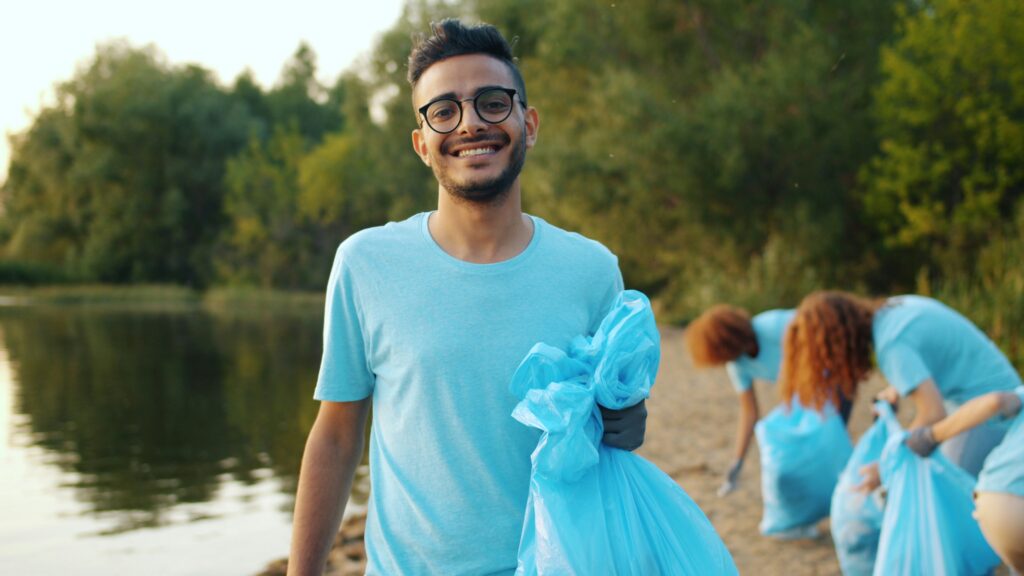
Beyond Sightseeing: Why Sight-Doing Is the Hottest New Travel Trend
For decades, travel has been measured in moments and trophies: tours, photos, souvenirs—from the sentimental to the brag.
Now, travelers are asking a different question: instead of What did you see?, they’re asking What did you do? Welcome to the age of sight-doing. Rather than simply observing a destination, sight-doing invites travelers to participate in it. It’s about kneading bread with local bakers in Sicily, restoring coral reefs in Belize, weaving textiles alongside Indigenous artisans in Peru, or learning traditional dance from the communities that created it. The memories become tactile rather than photographic, and the souvenirs are often new skills, friendships, and perspectives.
Learning by Living
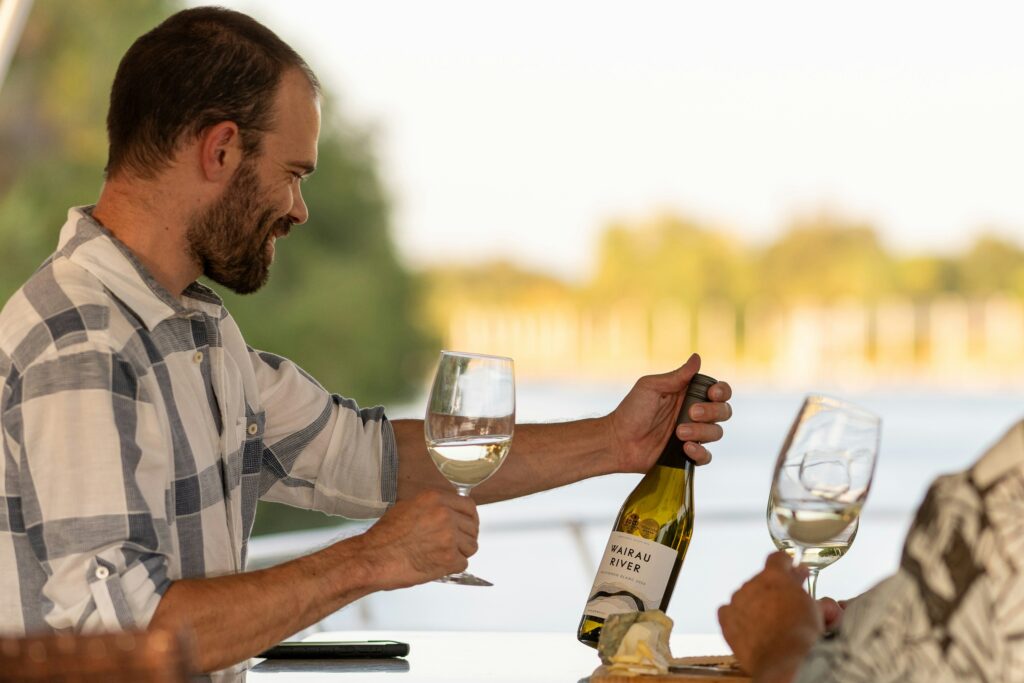
Sight-doing comes in countless forms. Food, the great unifier, remains one of its greatest gateways. Rather than reserving a table at another restaurant, travelers are choosing market tours, vineyard harvests, such as at this New York winery, and pasta-making workshops such as this one offered by Big Gay Hudson Valley.
Creative travelers gravitate toward pottery villages in Japan, glassblowing studios in Venice, block-printing workshops in India, and photography safaris across southern Africa. Outdoor enthusiasts might help track endangered wildlife, join marine conservation expeditions, or assist archaeologists during supervised excavation projects, from Australia to Ireland!
Many destinations have embraced this shift. Iceland invites visitors to plant native trees. Costa Rica offers rainforest restoration programs. In Scotland, travelers can spend a day learning traditional wool weaving before meeting the sheep farmers who supplied the fleece.
The appeal is simple: participation creates emotional investment.
Travel That Gives Something Back
Some of the most rewarding sight-doing experiences benefit local communities.
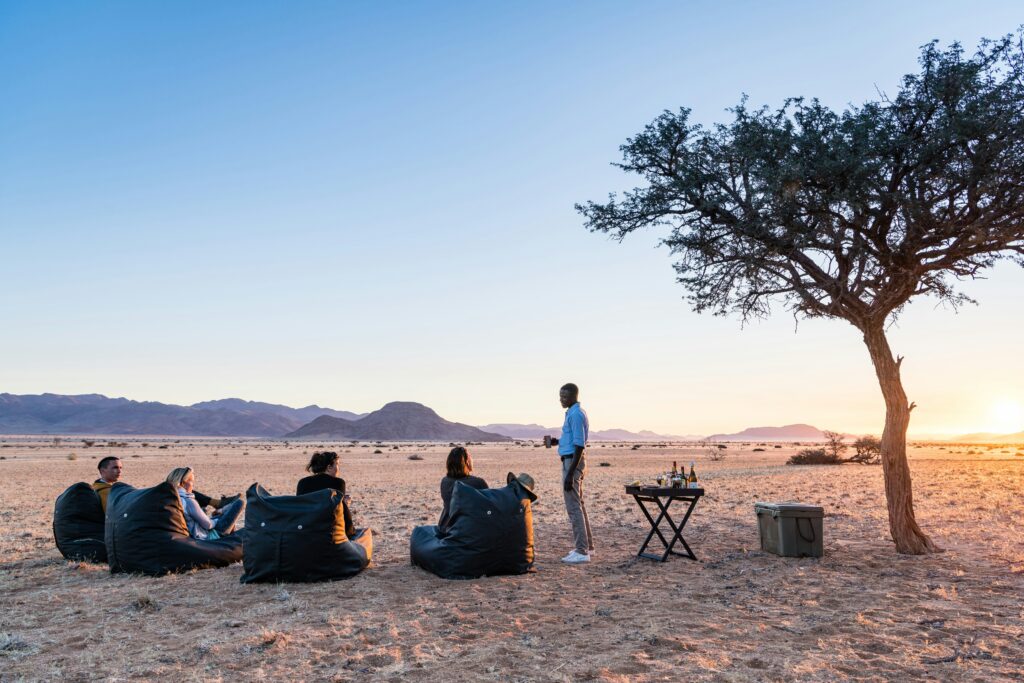
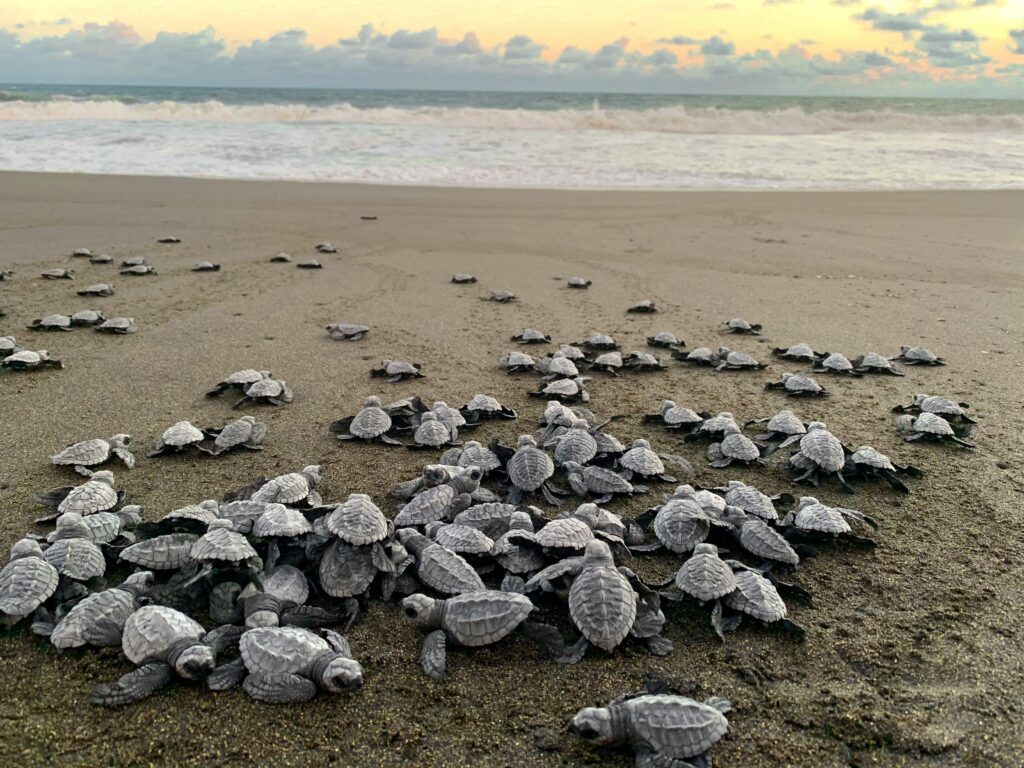
Across Africa, community-owned conservancies employ visitors in wildlife monitoring programs that directly support anti-poaching initiatives. Throughout Southeast Asia, ethical elephant sanctuaries focus on observation and habitat care rather than performances or rides. Coastal conservation organizations around the world invite travelers to remove plastic pollution while learning about fragile marine ecosystems.
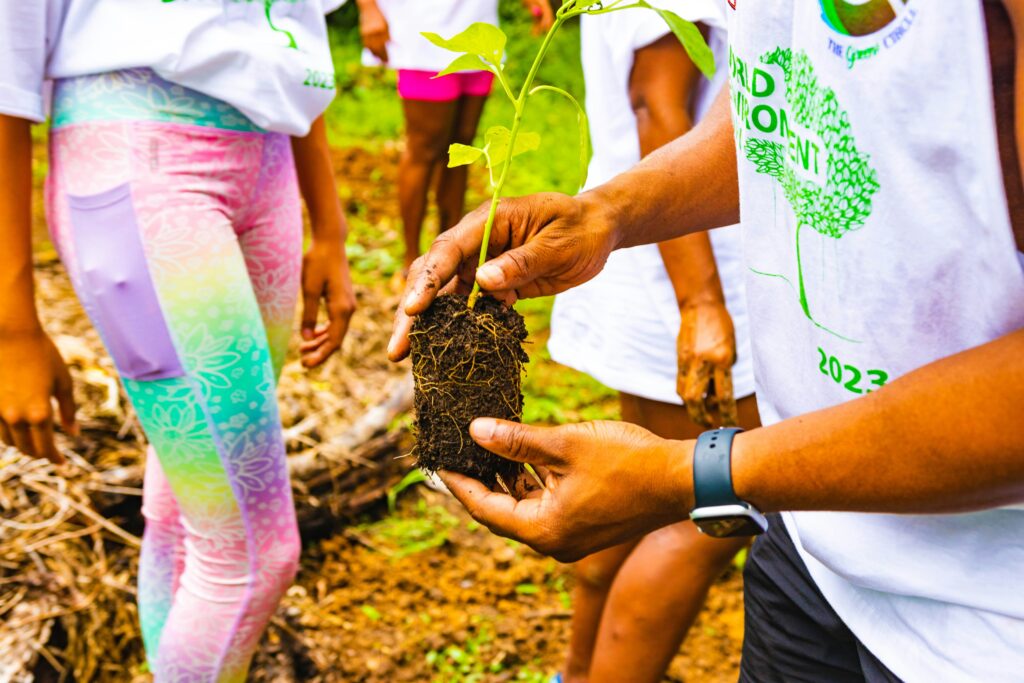
Many artisan cooperatives reinvest workshop fees into preserving disappearing crafts or supporting women-owned businesses. Elsewhere, visitors can volunteer for a morning in community gardens, help restore historic buildings, or contribute to beach and trail conservation projects.
The best experiences leave destinations slightly better than they found them.
Stay Somewhere That Teaches You Something
Hotels and resorts are increasingly becoming more than just a place to stay and relax.
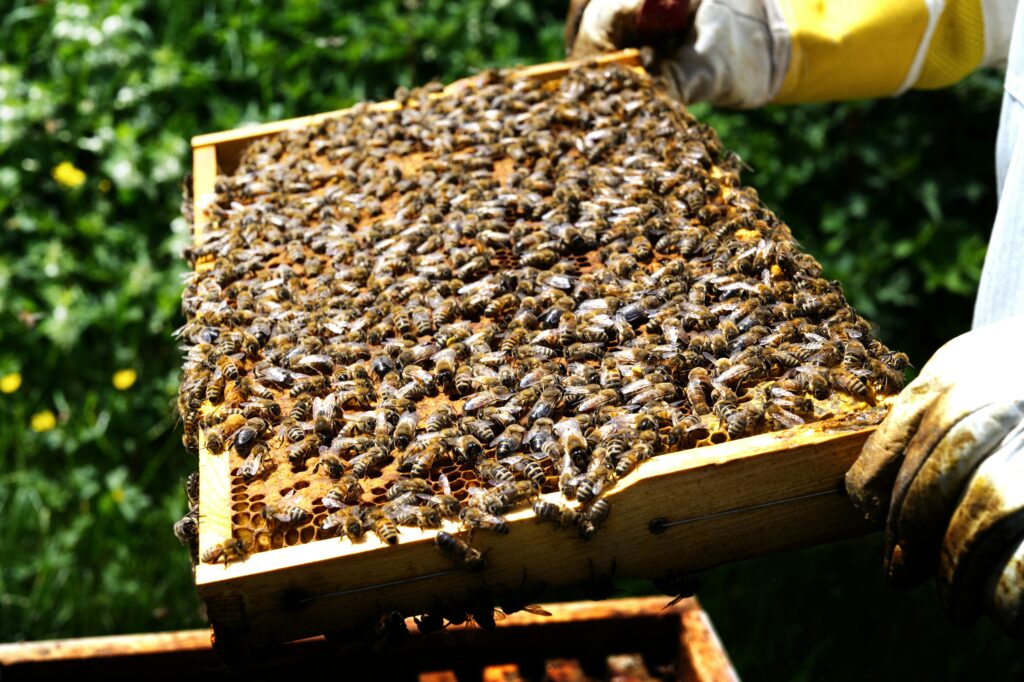
Historic estates host beekeeping demonstrations; for example, the Ojai Valley Inn offers a hands-on Beekeeping & Honey Tasting experience where guests wear protective suits to look inside a working hive with a resident beekeeper. Desert lodges introduce guests to astronomy under exceptionally dark skies. Eco-lodges organize rainforest walks led by Indigenous naturalists, while vineyard hotels invite visitors to join seasonal grape harvests before celebrating with communal dinners.
Instead of simply providing accommodation, these properties have become gateways into local culture and environmental stewardship.
LGBTQ+ Friendly Ways to Experience Sight-Doing
For LGBTQ+ travelers, sight-doing offers something especially valuable: opportunities to connect with welcoming communities through shared interests rather than nightlife alone. Many LGBTQ+-owned guesthouses organize cooking classes, art workshops, guided hikes, writing retreats, and wellness weekends where guests quickly become part of a temporary chosen family.
Creative retreats have become particularly popular. Provincetown, Massachusetts hosts numerous queer writing workshops, painting holidays, and photography weekends throughout the year. Palm Springs combines architecture tours with design workshops and wellness retreats that welcome LGBTQ+ participants from around the world. In Mexico City, queer-led culinary tours frequently culminate in hands-on cooking classes celebrating regional cuisine.
Across Europe, organizations offer LGBTQ+-inclusive cycling holidays, sailing courses, yoga retreats, and outdoor adventure camps where community is as important as the itinerary. Iceland and parts of Scandinavia have earned reputations for inclusive nature experiences, making everything from glacier hiking to wilderness photography accessible to diverse travelers. Cinq & Sept guesthouse in France has a very active approach to French life, from market days to yoga to wine tasting.
Many destinations also combine creativity with philanthropy. LGBTQ+ community centers and arts organizations occasionally host printmaking, drag makeup, dance, writing, and performance workshops whose proceeds support local youth programs, HIV/AIDS services, transgender advocacy, or homeless LGBTQ+ people. Participating means returning home with both new skills and the knowledge that your travel dollars supported meaningful community work.
For travelers seeking purpose alongside pleasure, these experiences offer something richer than a souvenir shop ever could because the best trips no longer ask us simply to look. They invite us to join in.