
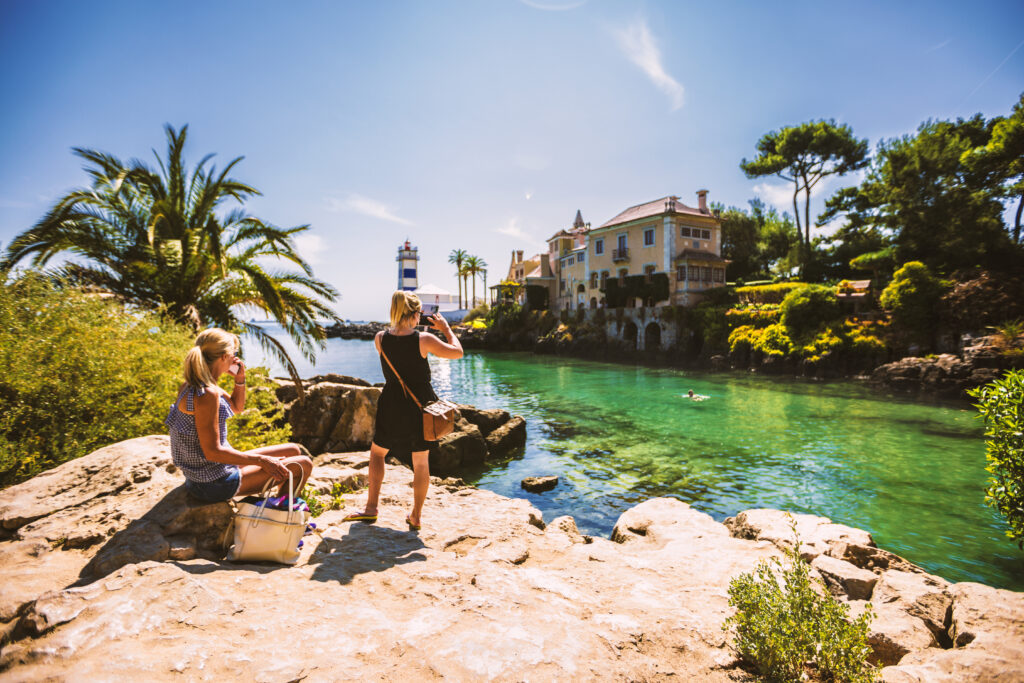
Cascais: Portugal’s Glamorous Seaside Escape
Once a fishing village and later a favorite retreat of Portuguese royalty, Cascais has evolved into one of Portugal’s most polished coastal destinations. But how queer is it?
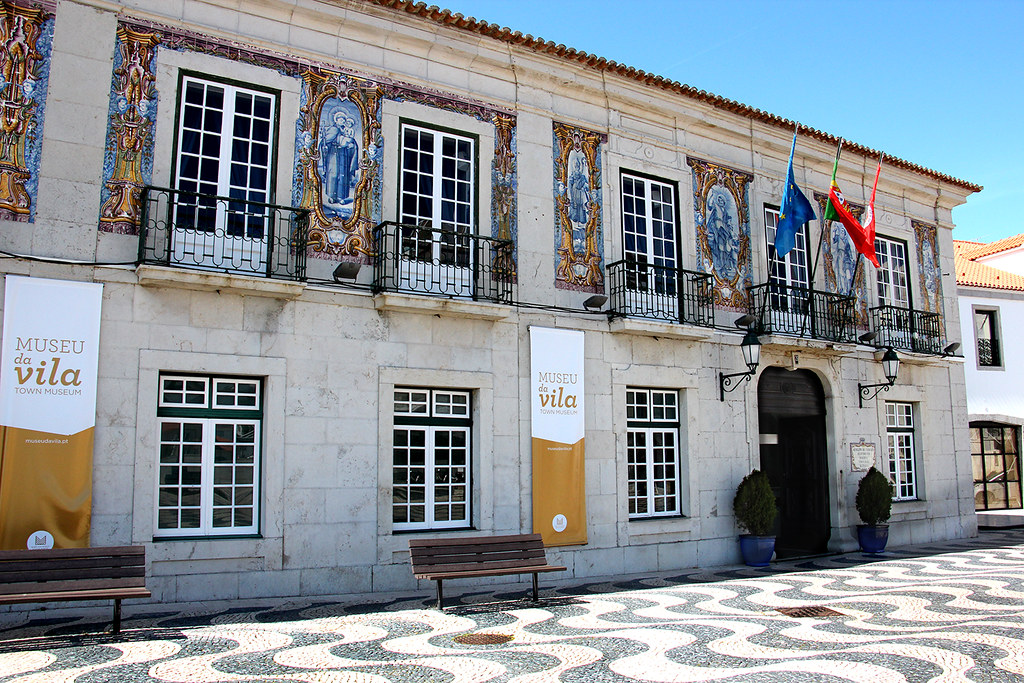
Its historic center is filled with tiled façades, small squares, seafood restaurants and cafés, while the coastline stretches from sheltered urban beaches towards the wilder Atlantic landscape around Guincho.
For queer travelers, Cascais offers something rather different from Lisbon. There is no concentrated gay village and relatively little dedicated LGBTQ+ nightlife. Instead, the town’s cosmopolitan character makes being queer feel largely unremarkable. Recent LGBTQ+ guides describe Cascais as welcoming and tolerant, while local queer social groups show an active community rather than just a gay-tourist reputation.
More broadly, Portugal remains one of Europe’s strongest destinations for LGBTQ+ rights: same-sex marriage has been legal since 2010, and gender self-identification legislation was introduced in 2018. However, recent political backlash has emerged, so it is worth distinguishing Portugal’s strong legal protections from the country’s shifting political climate.

The queer scene: think social rather than spectacular
If you’re expecting a gay-bar strip like Lisbon’s Príncipe Real, Cascais may initially seem quiet. The local LGBTQ+ scene tends to show up through social drinks, beach days, restaurants, cafés, and informal gatherings. Queer Cascais, for example, has organized social drinks at local venues, including Imperio Market and Copo Alto/Aqafarina, and has hundreds of members.
Cascais appeals to travelers who don’t need their experience centered on nightlife or navigating a predominantly male gay-bar ecosystem.
The beaches
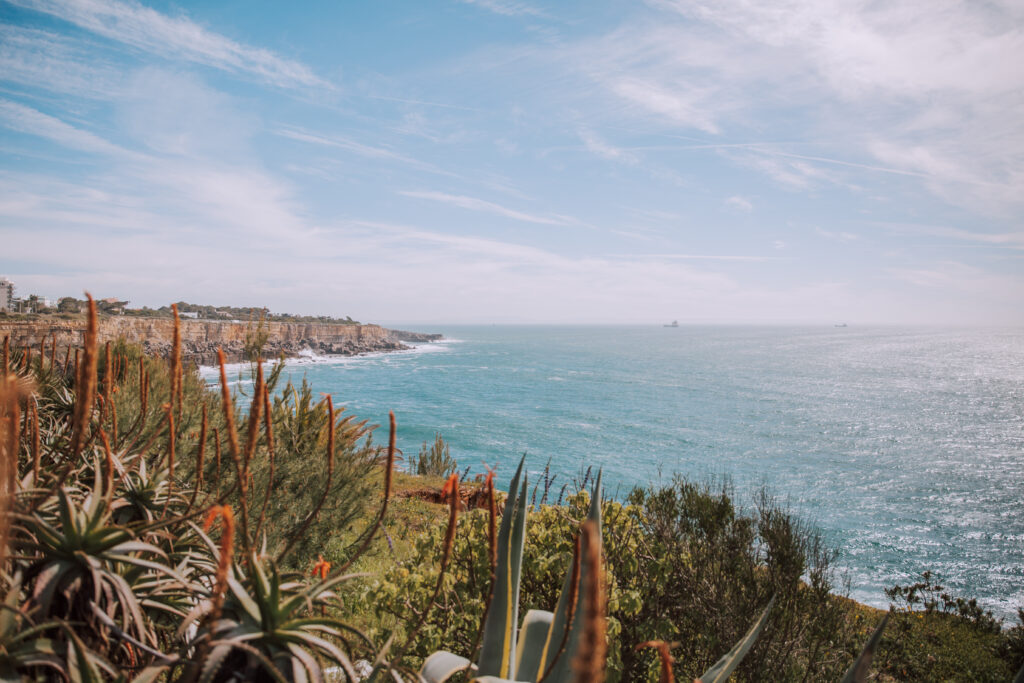
The beaches are probably Cascais’s biggest LGBTQ+ attraction. The spectacular Praia do Guincho offers Atlantic drama rather than a sheltered resort beach. Backed by dunes and exposed to powerful winds, it is famous for surfing, windsurfing, and kitesurfing. It has also earned a reputation as an LGBTQ+-friendly beach. But Guincho is enormous and natural. You don’t come here for a designated gay section; you come for space, scenery, and the freedom to spend a day by the ocean.
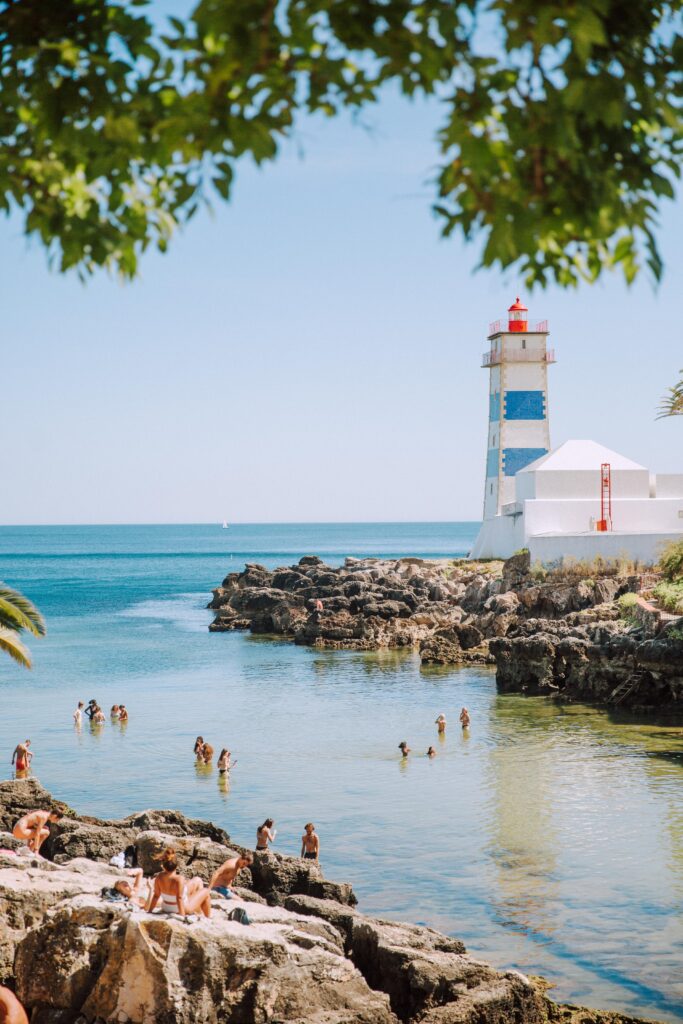
For something completely different, tiny Praia da Rainha sits almost in the centre of Cascais. It is picturesque, sheltered and convenient, although considerably busier in summer.
Praia da Conceição is another central option, particularly if you want to combine swimming with lunch, shopping, and wandering around the old town.
And you can also take a dip near Santa Marta Lighthouse and its beach.
A queer day trip to Sintra
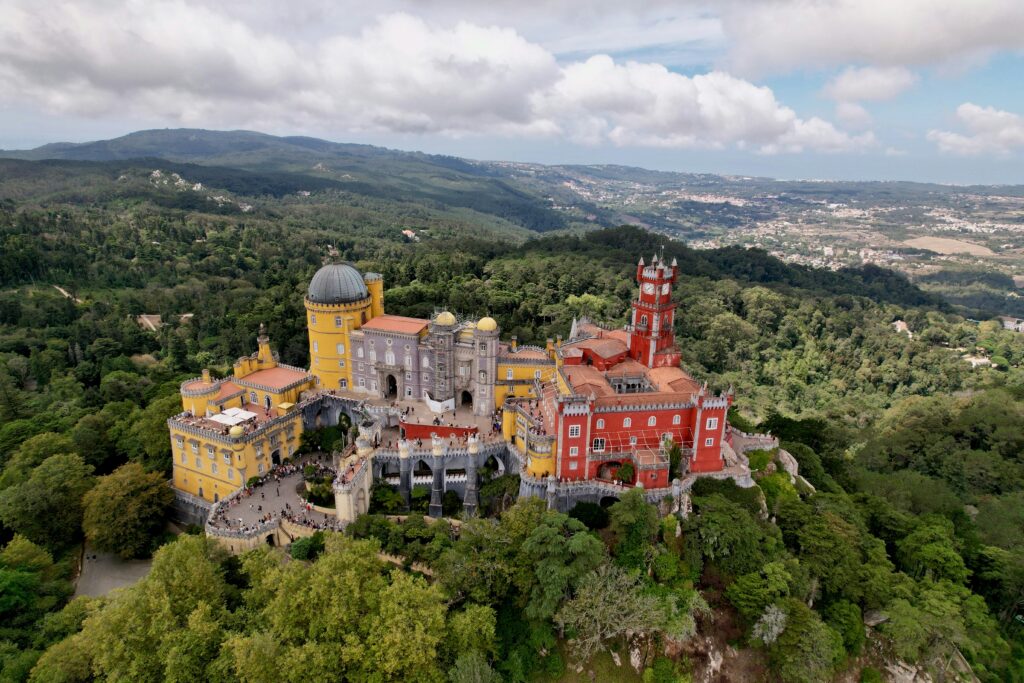
One of Cascais’s great advantages is its position between Lisbon and Sintra. A queer Cascais holiday can therefore easily include a day exploring Sintra’s palaces, gardens and misty hills before continuing towards Cabo da Roca, the westernmost point of mainland Europe. The landscape shifts dramatically from the sunny resort atmosphere of Cascais to forests, granite formations, eccentric nineteenth-century estates, and Atlantic cliffs.
Where to stay in Cascais
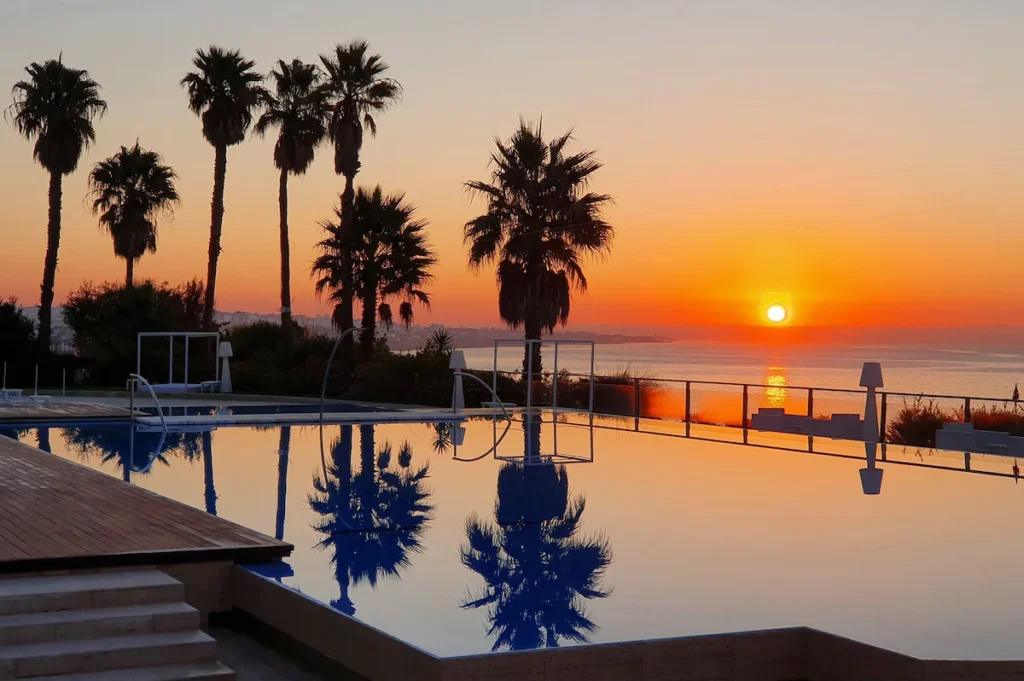
You don’t necessarily need a specifically LGBTQ+-branded hotel in Cascais. The town is accustomed to international visitors and has a broadly cosmopolitan atmosphere.
The Farol Hotel is one of the more atmospheric choices, perched dramatically above the Atlantic near the Boca do Inferno. It suits travelers who want their hotel to feel like part of the destination, not just somewhere to sleep.
For a more conventional luxury-resort experience, the Hotel Cascais Miragem has a spectacular seaside location and a substantial spa.
Browse the 10 top-rated queer-friendly Cascais hotels here.
What to do after dark
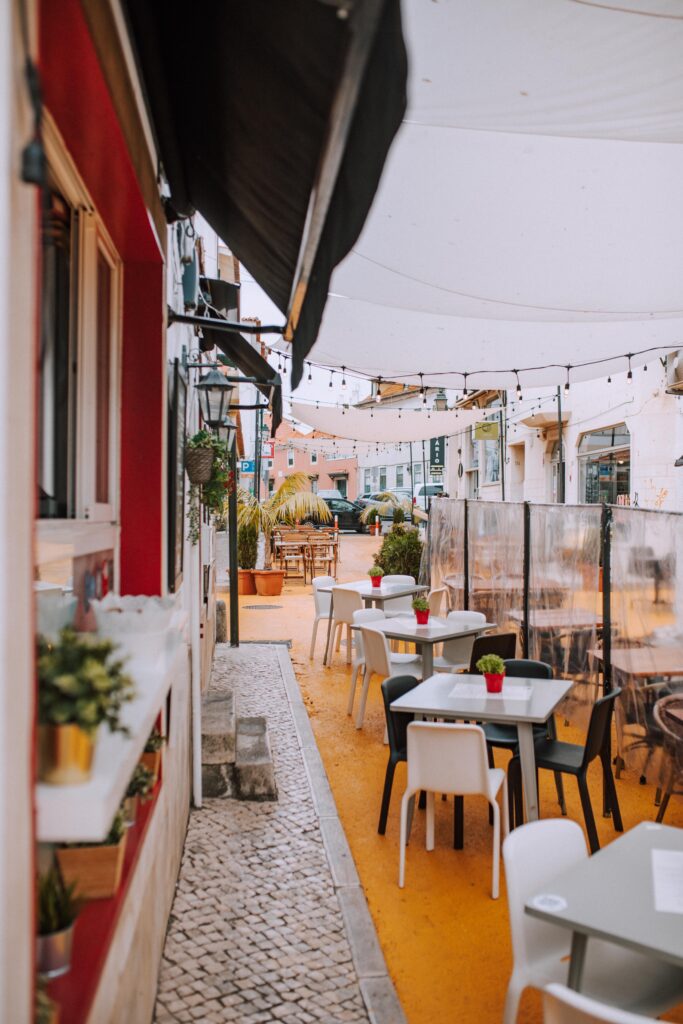
Have dinner in the old town, sit outside for drinks, and enjoy the fact that the town remains lively without being a clubbing destination. Queer Cascais hosts social gatherings in the area, but for dedicated nightlife, you’ll need to head to nearby Lisbon if you’re willing to spend 40 minutes on the train each way. It might be better to share an Uber with a couple of friends.
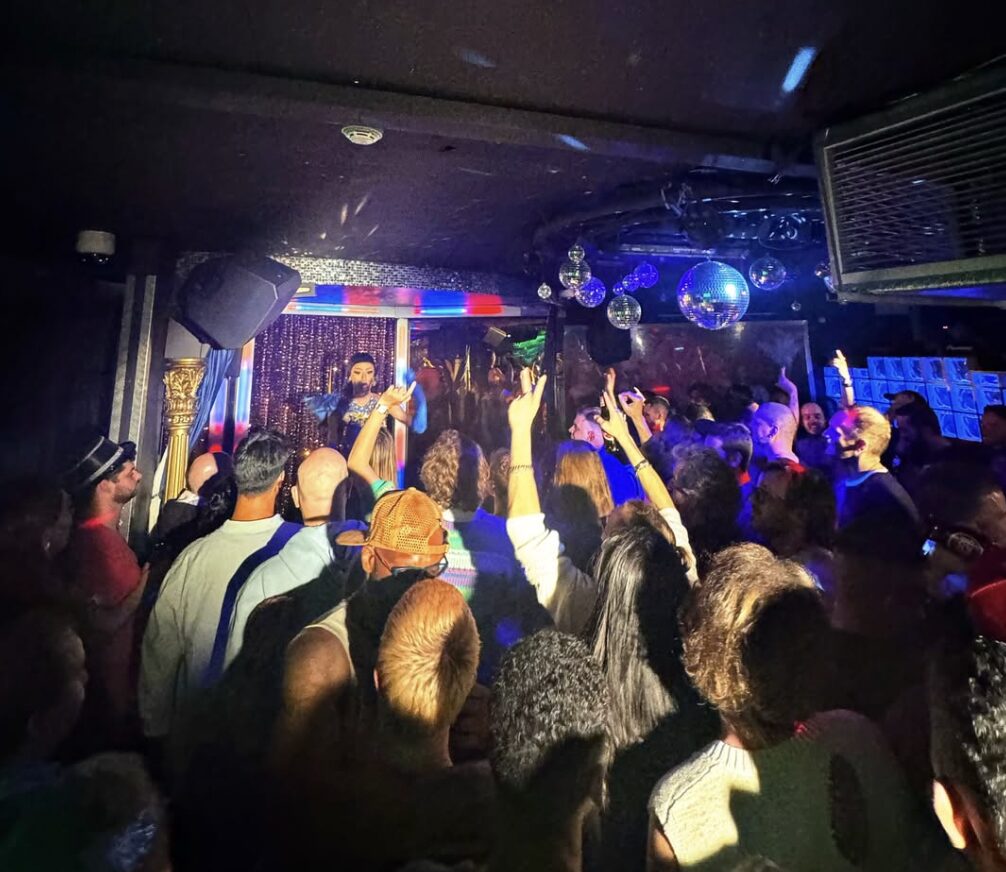
Lisbon’s LGBTQ+ scene is concentrated particularly around Príncipe Real and Bairro Alto, where you’ll find gay bars, drag venues, queer-friendly bars and clubs. Current guides include established venues Bar TR3S Lisboa, Bar 106, Purex Clube, Shelter, Trumps (Lisbon’s iconic large gay nightclub), and Finalmente Club (famous for late-night drag shows).
Portugal’s LGBTQ+ scene remains much more centered in Lisbon, even as destinations such as Cascais develop their own communities.

For lesbian and queer women
Cascais may be more appealing to lesbian travelers because the town suits couples, friends, and independent travelers more than a specifically male gay nightlife culture. You can spend the day walking the coastline, visiting galleries, eating seafood, swimming, and exploring Sintra without feeling that you need to locate a particular bar.
For a more explicitly queer-women-oriented social experience in Lisbon, however, Purex is particularly diverse and welcoming to women-loving-women—and to people of color and gender-nonbinary folks.
LGBTQ+ safety
Cascais is generally a comfortable destination for LGBTQ+ travelers. Portugal has strong legal protections and Cascais is highly accustomed to international tourism.
That doesn’t mean prejudice has disappeared. As elsewhere, attitudes can vary, particularly outside tourist areas. But there is little reason for most LGBTQ+ visitors to conceal a partner or avoid ordinary displays of affection in Cascais.
The more important practical consideration is seasonality. Summer brings considerably more visitors and social activity; outside the high season, Cascais becomes noticeably quieter, and its informal queer scene can be harder to find. Recent local LGBTQ+ listings suggest that much of the community activity is organized through social gatherings rather than permanent queer venues, and the big daddy—Lisbon Pride and its famous march—is in June.
Coming up: Events
Chefs On Fire: This fiery celebration brings together renowned chefs from across Portugal to cook their exclusive menus over open flames. From succulent meats sizzling over the coals to gently smoked fresh fish and charred vegetables for added depth, the festival offers flavors to tempt every palate. As one of Portugal’s most sustainable festivals, more than 1,000 trees have been planted to offset firewood use, a zero-plastic policy is enforced, and surplus food is donated to Refood. Chefs on Fire also offers a full-fledged festival extravaganza. With live performances from some of the most promising Portuguese musicians, attendees of all ages will be kept entertained across the weekend. Book your tickets for the 2026 edition at chefsonfire.com/en/tickets/chefs-on-fire-cascais-2026-eng.
IRONMAN: This year’s IRONMAN day brings two triathlon distances to the coast, a full IRONMAN and an IRONMAN 70.3, giving athletes the best of Cascais from the very first stroke. The swim starts at sunrise in one of Portugal’s most spectacular bays, with supporters cheering from the shore. A loop through the Circuito do Estoril F1 track adds a distinctive edge to the bike leg. Together, it makes for one of the most memorable triathlon routes around. After the race, a few days relaxing on a Cascais beach round off the perfect Portuguese adventure by the ocean. You can find more information about the event at ironman.com/races/im-cascais.
Ageas CoolJazz: Launched in 2004, the Ageas CoolJazz Festival has become a highlight of Portugal’s summer events calendar, blending jazz with a wide range of contemporary sounds, from soul and pop to indie and electronic music. The festival takes place in Cascais’ Museum Quarter, with concerts held in the Hipodromo Manuel Possolo and Parque Marechal Carmona. These open-air locations provide a perfect backdrop for the performances, giving audiences the chance to enjoy live music in a picturesque setting minutes from the Atlantic coast. Previous editions have welcomed world-renowned artists such as Scissor Sisters, David Byrne, Diana Krall, Seal, John Legend, Van Morrison, and Lionel Richie. Information about the lineup for 2027 is here: ageascooljazz.pt/en/index.html