
Creatine: The Travel Supplement Everyone is Talking About
From powering workouts to supporting muscle recovery, creatine is having a major wellness moment. But could this much-discussed supplement also help travelers stay stronger, recover faster, and feel more energized on the road?
Creatine has long been a staple of the fitness world, favored by athletes and gym enthusiasts looking to build strength, improve performance, and support muscle recovery. But lately, this once-niche sports supplement has been attracting a much wider audience.
From wellness enthusiasts and women looking to maintain muscle as they age to travelers hoping to feel their best on the go, creatine is increasingly being discussed as a supplement with benefits that extend beyond the gym. And for good reason: creatine plays a fundamental role in how the body produces energy. While it isn’t a magic solution for travel fatigue, its potential to support muscle function and physical performance makes it an interesting addition to a travel wellness routine.

So, what exactly is it, why is everyone talking about it, and could it help you prepare for and recover from your next trip?

What Is Creatine?
Creatine is a naturally occurring compound made by the body from amino acids. The body produces it mainly in the liver and kidneys, and we get smaller amounts from foods such as steak, pork, tuna, and herring. Most of the body’s creatine is stored in skeletal muscle, where it helps replenish adenosine triphosphate (ATP), the primary energy source cells use. In practical terms, creatine helps muscles produce energy during short bursts of intense activity, such as lifting weights, sprinting, or climbing a steep hill.
Researchers have studied supplementation extensively, and evidence shows that creatine can improve performance during repeated high-intensity exercise and support gains in muscle strength and lean mass when combined with resistance training. But the conversation has expanded beyond athletic performance. Researchers are investigating whether creatine may also support cognitive function, particularly memory and mental performance, under certain conditions. Early research is promising.
Another reason for its growing popularity is the increased focus on maintaining muscle strength and physical function with age. Creatine, particularly when combined with resistance exercise, may help support muscle health as people get older.

Can Creatine Help You Prepare for Travel?
Travel can put unexpected demands on the body. Long airport walks, hauling luggage, navigating unfamiliar cities, and spending hours sightseeing can all add up to a physically demanding trip. Creatine may help the body meet some of these demands, especially when travel involves heavy luggage, hiking, or other physical activity.
Supporting muscle strength: Creatine supplementation, when combined with resistance training, can help improve strength and muscle performance. For travelers planning an active vacation that involves endurance (think Machu Picchu), maintaining a regular strength-training routine in the weeks before departure may help build the physical capacity needed for long days on the move.
Maintaining muscle during inactivity: Long-haul flights, extended sitting, and disrupted exercise routines can make it harder to stay active. Getting to destinations like Antarctica or India takes time. Creatine is being studied for its potential role in preserving muscle during periods of reduced activity, although results are mixed and more research is needed.
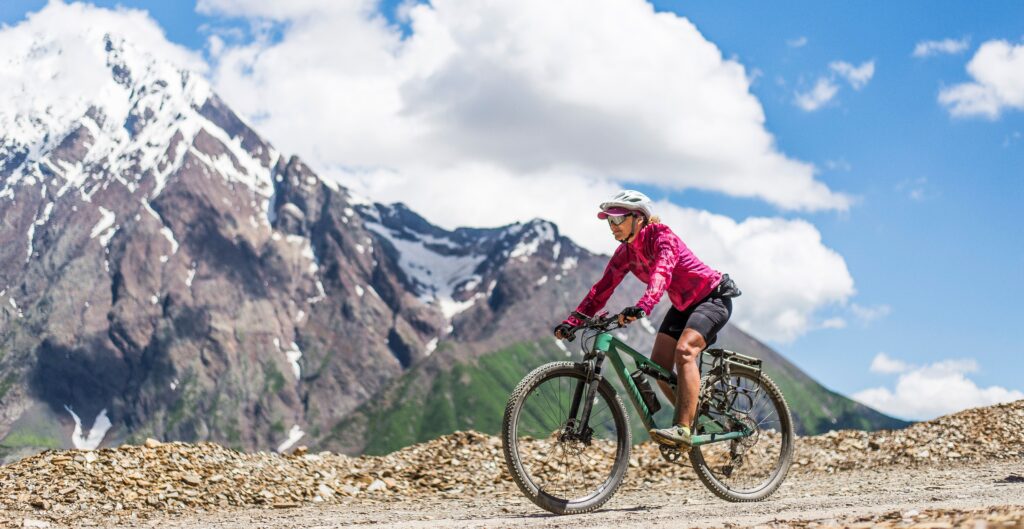
Supporting an active travel routine: Creatine may help people perform repeated bouts of high-intensity exercise. For travelers planning demanding activities, such as hiking, cycling, horse riding, or boating, it may complement an appropriate training program. And if you’re going to a Pride parade, tea dance, or circuit party, even better. This supplement is for you!

Can Creatine Help You Recover From Travel?
Anyone who has stepped off a long-haul flight and headed straight into a full day of sightseeing knows that travel can be physically draining. Between disrupted sleep, long periods of sitting, unfamiliar or inconsistent exercise, and the sensory demands of exploring a new destination, recovery can become an important part of the travel experience.
Creatine may support muscle recovery after strenuous activity, though findings vary by exercise type and the recovery outcome measured. For travelers, this could matter on a trip such as a river cruise, where indulgence and inactivity can be poor preparation for that long cycling excursion down the Rhine or a particularly active day of walking through a medieval cobblestone village. Lacking core and muscle strength while traveling can lead to accidents or falls on unfamiliar terrain.
Editor’s Pick: CON-CRĒT: Creatine Meets Hydration
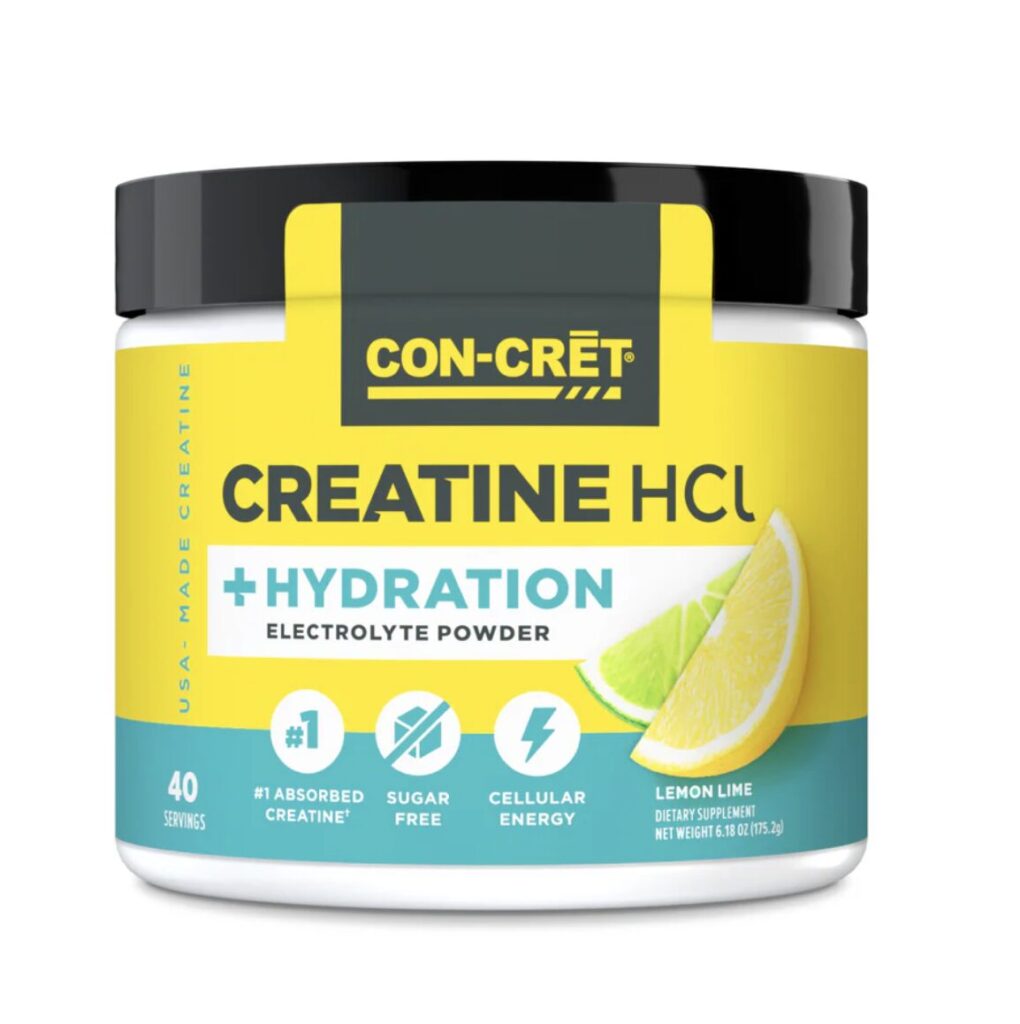
CON-CRĒT was founded by Mark Faulkner, who previously co-founded a forensic toxicology lab testing for performance-enhancing drugs. There, he often heard elite athletes say they needed something safe, legal, and effective to help them perform at their best. For travelers looking for a convenient way to add creatine to their routine and make the most of their trip, CON-CRĒT combines the supplement with electrolytes in its Creatine HCl + Hydration drink mix (plain or flavored). The product combines creatine hydrochloride (HCl), electrolytes, and selected vitamins into a portable powder that mixes with water and tastes as good as, if not better than, those energy drinks you reach for in desperation. This product differs from creatine monohydrate, which has a water molecule attached and can cause bloating and GI issues. Creatine hydrochloride (HCl), on the other hand, is bonded with hydrochloric acid instead, so it absorbs better and requires a smaller dose. This means less chance of bloating and subcutaneous water retention, but the same benefits.
The formula includes:
- Creatine HCl: A form of creatine intended to support muscle performance and strength.
- Sodium and potassium: Electrolytes that help maintain fluid balance and support normal muscle function.
- Magnesium: An essential mineral involved in muscle and nerve function.
- Vitamin C: A nutrient that supports normal immune function and helps protect cells from oxidative stress.
- Vitamins B6 and B12: Vitamins involved in normal energy metabolism and nervous system function.
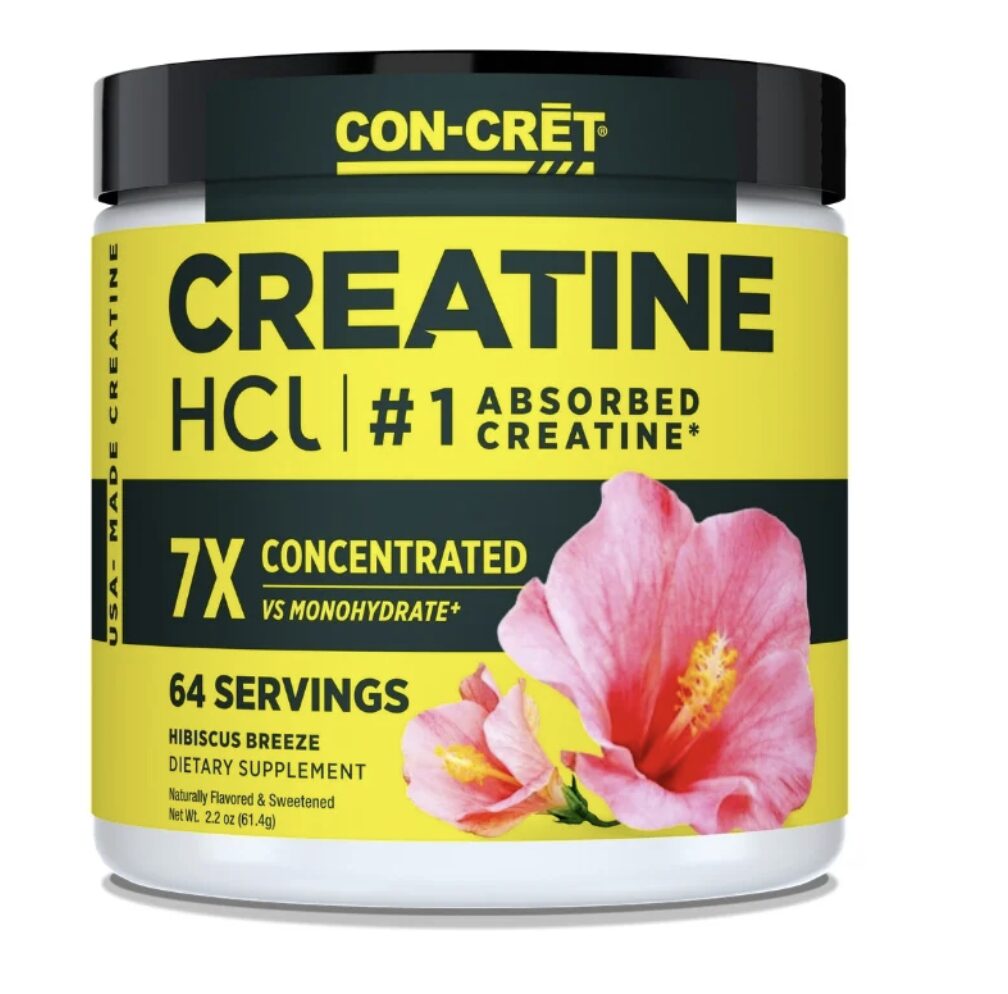
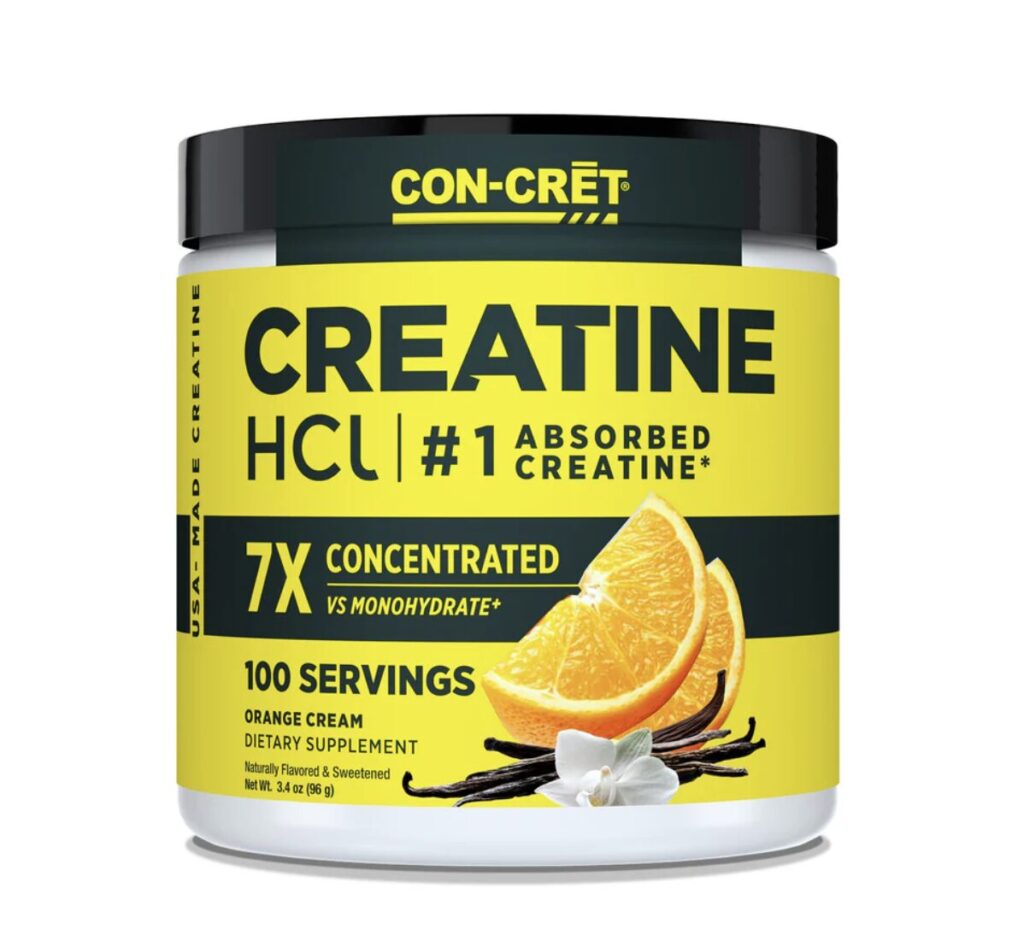
CON-CRĒT Creatine HCI comes in Lemon Lime and Citrus Mango flavors. It is a highly soluble and concentrated alternative to conventional creatine monohydrate.
When Should You Use CON-CRĒT Creatine HCl + Hydration?
Take the drink mix 30 to 60 minutes before exercise, during a workout, or immediately afterward. Travelers can incorporate it into their routine in several practical ways.
Before an active day: Mix a serving with water before, during, or after a planned run, hike, bike ride, dance, or other physically demanding activity. The electrolytes help replenish minerals, while the creatine supports your regular supplementation routine.
After a long day of sightseeing: If you’ve spent hours walking through a city or exploring a destination on foot, this drink mix can help replenish fluids and electrolytes, especially if you’ve been sweating in hot weather.
After a workout on the road: If your hotel has a gym or you’ve squeezed in a strength-training session while traveling, the drink mix can fit into your post-workout routine.
During a challenging travel day, a long or delayed flight and an extreme change in altitude, temperature, or time zone can affect the body.
How Much Creatine?
According to CON-CRĒT, one serving of its Creatine HCl + Hydration contains 750 milligrams of creatine HCl—equivalent to a 5-gram serving of creatine monohydrate. For context, creatine monohydrate is the most extensively researched form of creatine. A commonly studied maintenance dose for healthy adults is 3 to 5 grams per day.
CON-CRĒT’s Creatine HCl + Hydration offers a convenient combination of creatine, electrolytes, and vitamins in a portable drink mix. In addition to the HCI powder, there are also capsules, including one for brain health.
See what’s on offer from CON-CRĒT here.
Today, CON-CRĒT is the #1 absorbed, best-selling, and most widely licensed creatine. It is the only form of creatine that delivers superior performance results without adverse side effects, such as digestive distress, often associated with creatine. Just keep expectations realistic: It isn’t a jet-lag remedy, a cure for travel fatigue, or a replacement for sleep and hydration. But as part of a thoughtful approach to staying active and supporting muscle health while traveling, creatine may belong in your travel wellness toolkit.