
Exclusive Interview: Brooklyn Author Martin Cloutier
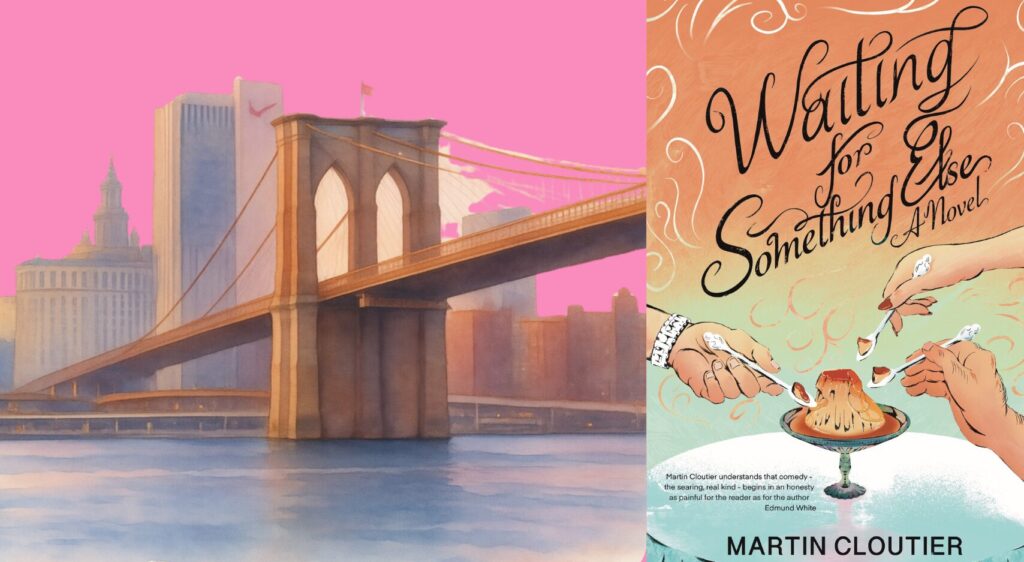
Brooklyn-based writer Martin Cloutier’s debut novel, Waiting for Something Else, will delight foodies, frequent travelers, and LGBTQ folks.
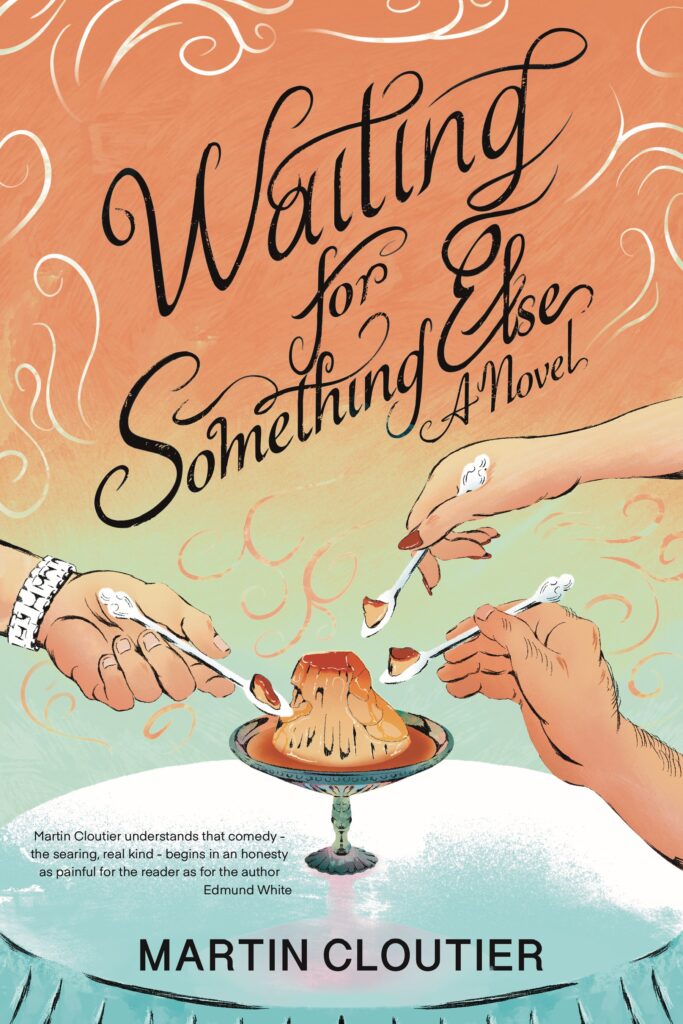
Praised by Edmund White, Waiting for Something Else by Martin Cloutier is set in a high-energy Brooklyn gourmet restaurant in 2006—amid the frenzy of gentrification and chaos of restaurant life. It explores sexual fluidity, unrequited love, and the messy modern search for connection, all with biting humor and psychological insight.
We caught up with the critically acclaimed and well-traveled author to find out more about writing, travel, and gay life. Read on to get Martin’s insider tour tips of Brooklyn—and some secret and unexpected parts of Spain.
Vacationer: Your book explores the local scene through James, a restaurant manager finding his footing in Brooklyn. If you were designing an alternative “queer literary tour” of Brooklyn for a traveler, where would it start?
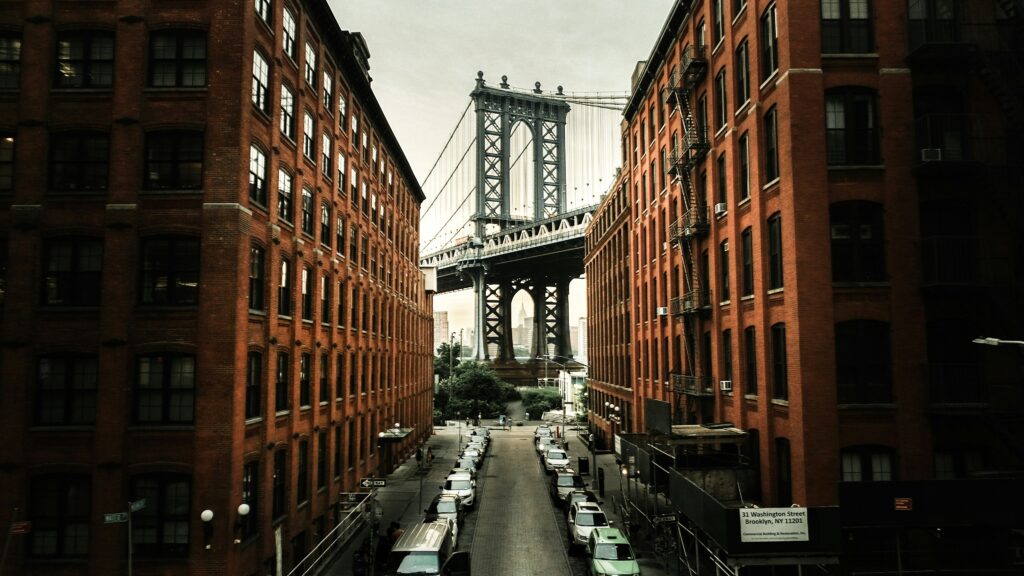
Martin Cloutier: Let’s start in Brooklyn Heights at 70 Willow Street. It’s one of the oldest houses in the neighborhood, built in 1839. Truman Capote lived there from 1955 to 1965. He wrote Breakfast at Tiffany’s and In Cold Blood inside those Greek Revival walls. Explore the surrounding “Fruit Streets,” which have one of the largest concentrations of pre-Civil War homes in the country. Go to 19 Cranberry Street, and see Cher’s house in the film Moonstruck. It doesn’t get more queer than Cher. Take a sharp left and walk to The Promenade for panoramic views of Manhattan and the Brooklyn Bridge. “Snap out of it,” and head to Henry’s End, a Brooklyn Heights staple for over forty years. Order the wild boar ragu and turtle soup—if you dare.
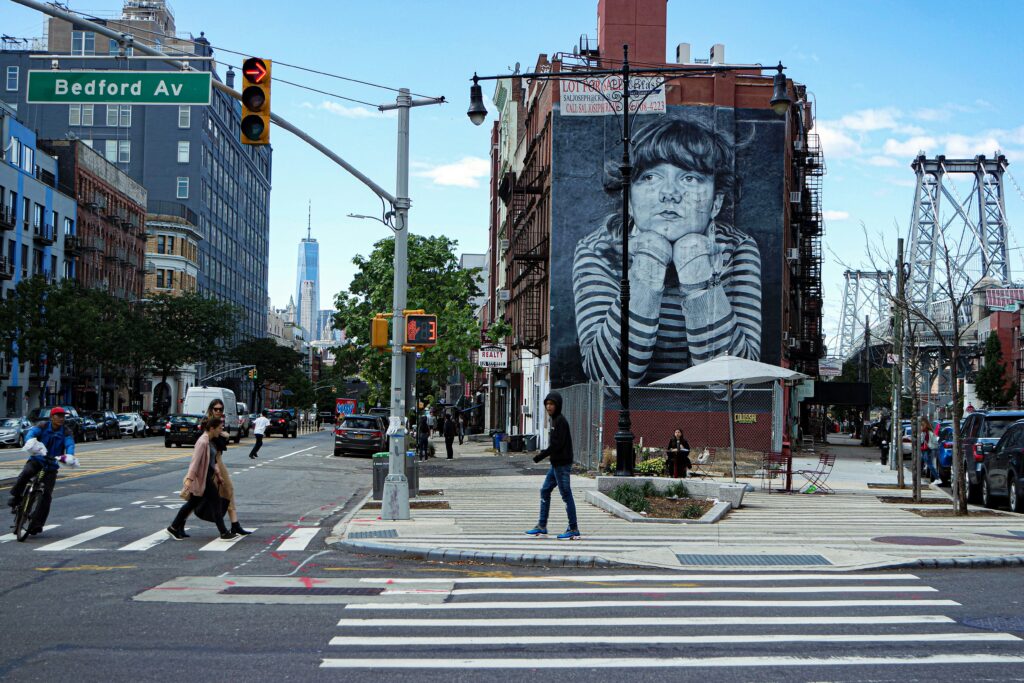
Last Exit to Brooklyn is one of my favorite novels. Herbert Selby Jr. holds one of the bleakest worldviews in literary fiction, but the voices of his characters ring with depth and musical precision. If you’re coming from Manhattan, take the South Brooklyn ferry to Sunset Park. Stand at the bow and pretend you’re Barbra Streisand singing “Don’t Rain on My Parade” as you cruise by the Statue of Liberty. The ferry will let you off at the Brooklyn Army Terminal—the heart of the novel. Go to the corner of 57th Street and 2nd Avenue, where fans pay their respects. This is where Tralala’s story takes its darkest turn. It’s now a Dunkin’ Donuts. Wander the streets in a narcotic fog like Georgette before she OD’ed. (Maybe bring along some Granddaddy’s Purple to aid in your quest). Imagine the abandoned warehouses, the busted-out windows, and the oppressive weight of homophobia and misogyny crushing you.
Throw off the shackles of oppression by walking uphill to Greenwood Cemetery. One of the highest points in Brooklyn and the setting of Sunset Park by Paul Auster. Look across the street and gaze at (the now renovated) squatter house, occupied in the novel by a group of outcasts after the 2008 financial collapse. Enter the majestic gates of Greenwood and bask in the pastoral opulence. Linger under the State Champion Sassafras Tree, considered the oldest tree in the city. There are more queer people buried in Greenwood Cemetery than any other place in the U.S. See if you can find the graves of Leonard Bernstein, Fred Ebb, Violet Oakley, Emma Stebbins, and Florence Nightingale. Top off the evening with a drink at Good Judy a few blocks away. You’ll need it after contemplating your own mortality.
How does the Brooklyn of your novel contrast with the romanticized, polished version tourists see on television?
Martin: Waiting for Something Else takes place in Borum Hill in 2006, when Brooklyn was in the process of transforming from the place you went to for pizza into the place you went to for artisanal cronuts. Interestingly, many TV shows: Girls, High Maintenance, Search Party, She’s Gotta Have It, satirize residents as entitled, vain, materialistic, and self-obsessed. Which is a drastic change from the mid twentieth century where shows like The Honeymooners and Welcome Back Kotter depicted a Brooklyn where people worried about making rent and stretching a six-pack.
Waiting for Something Else falls somewhere in between. My characters are obsessed with themselves because they can’t afford to be obsessed with Le Creuset Dutch ovens. They’re rich in neuroses and poor in everything else. James longs for a stable relationship with a woman, but is too anxious and shy to make that happen, so he becomes romantically involved with his gay co-worker, Roger. While the borough evolves around him, so too does his identity; Smith Street changes from dollar stores to yoga studios, and James transitions from heterosexual to reluctant metrosexual. One of the primary questions of the novel is: How much can a person or place change and still be considered the same? If James has sex with Roger, does this give him an entirely new identity? Will he have to start worshipping Madonna and wearing assless chaps? You must read on to find out.
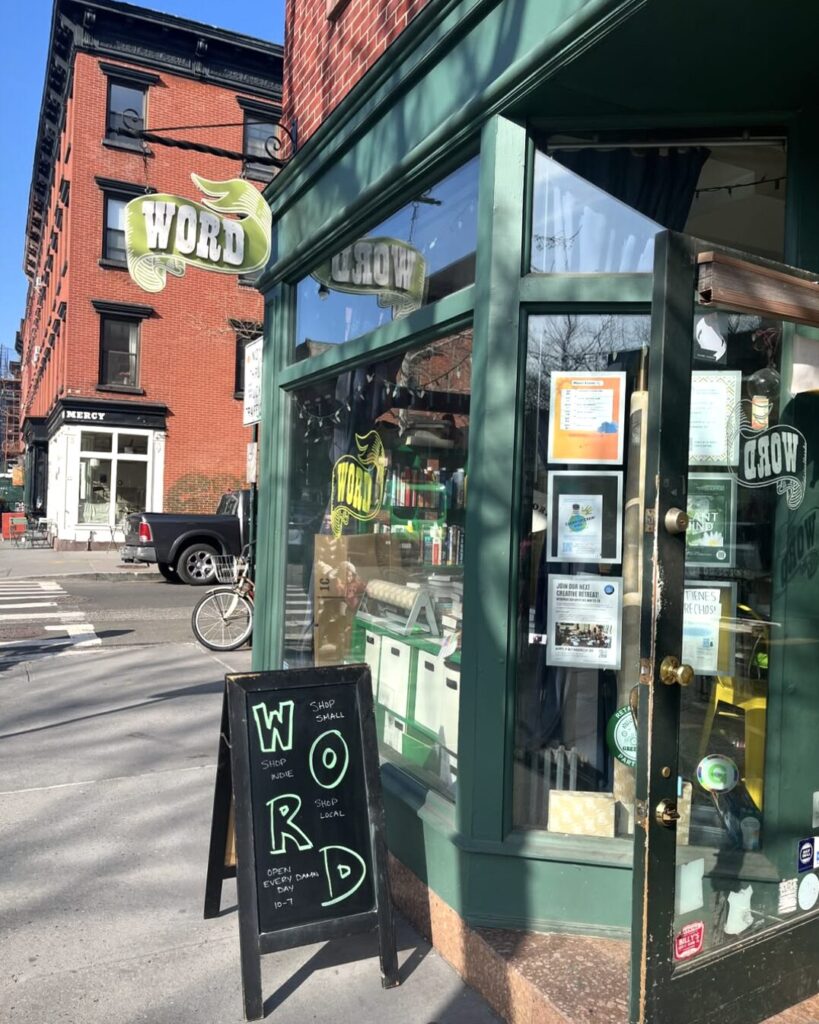
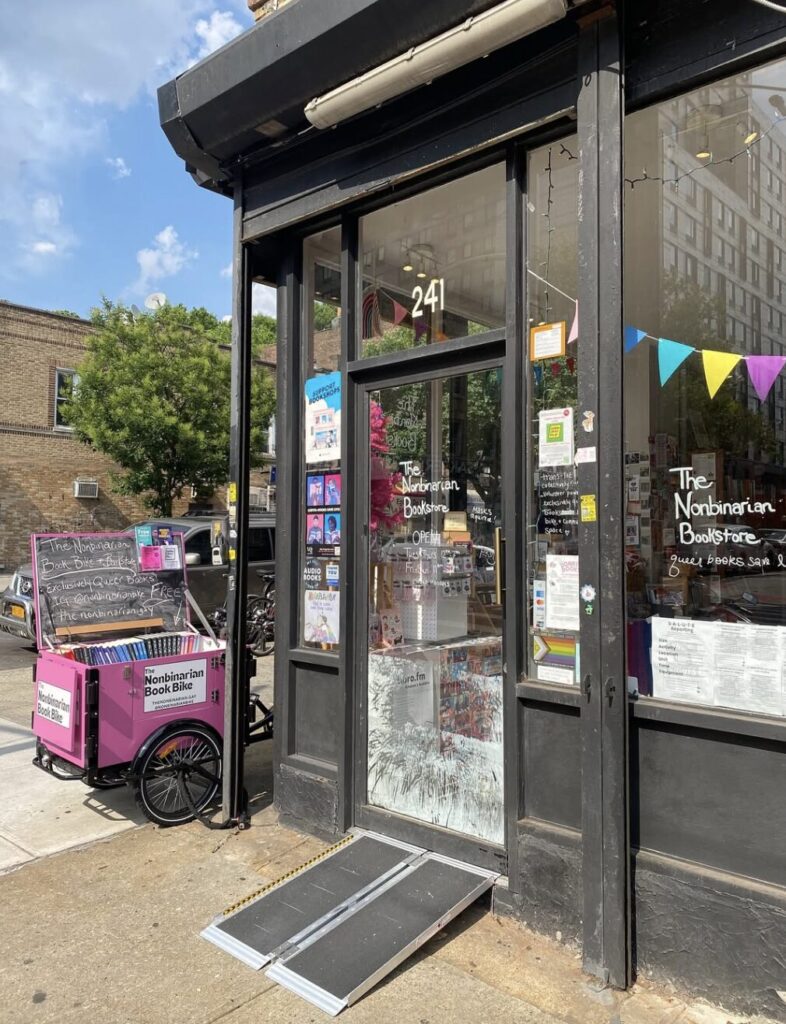
You celebrated your book launch at the iconic Word Bookstore in Greenpoint. What are your absolute favorite independent queer spaces or bookstores in New York (or anywhere else for that matter!) that travelers must visit?
Martin: Word is a fantastic bookstore with the friendliest staff in the borough. For exclusively queer content, The Nonbinarian Bookstore in Crown Heights is more than just a store; it’s an entire world. They have book clubs, open mics, “scrap n’ yaps,” lesbian nail painting parties, and events that bring the whole community together. Hivemind Books in Bushwick is also a great space for exclusively queer content with a charming coffee shop. Not to be missed, and by appointment only, is The Lesbian Herstory Archives in Park Slope. Founded in 1974, it holds the largest collection in the country of lesbian history, photographs, letters, and books.


What is the best meal you’ve ever had while traveling?
Martin: I’ll tell you about my most recent one. This tiny restaurant in Santander, Spain, called El Chumarru. Run by one woman, who cooks all the dishes and waits on the tables herself. We had the plato del dia, which included a first course of cocido lebaniego (chick pea and cabbage stew), and, a second course of either albóndigas con patatas (meatballs with potatoes) or chumarru (seared pork strips over French fries). Both were delicious. She set a bottle of house wine on the table and let us have as many glasses as we wanted. For dessert, we shared homemade flan and cheesecake with coffee. After that meal, I finally understood the need for a siesta.
Travel photos courtesy of Martin Cloutier


Describe your most recent trip and how it has confirmed or reshaped your view of the world, travel, and queerness.
Martin: The biggest insight for me was visiting the medieval towns: Aveiro, Caminha, Braga, Oviedo, Salamanca, Hondarribia, Santiago de Compostela. The feeling of walking in these towns was entirely different from anything I’ve experienced in modern cities. And while there are many distinctions, I can narrow it down to one main factor: the difference between the spiritual and the commercial. Medieval towns were designed to bring people closer to God, while modern cities are designed for the acquisition of money.
Medieval towns cultivate an interior life. Secular buildings maintain a human scale. The streets are narrow, built for pedestrians, and carry one in a circular motion that mirrors organic development. They lead to parks and squares, where one can commune with nature and neighbors, or to grand churches, made to inspire awe and bring about the dissolution of the ego. Buildings constructed hundreds of years apart have a sameness in style and materials, creating a timeless space. Are you in the fourteenth century? The sixteenth? The twelfth? You stop noticing distinctions and merge with the environment. Walls surrounding the city offer a feeling of protection and enclosure. Everything is designed for contemplation and to encourage a spiritual relationship.


Even though I’ve lived in modern cities my entire life, I never felt comfortable in them. But these medieval towns provided such peace and harmony that my brain was suddenly quiet and my body relaxed. It’s a serenity I’ve only previously felt in nature.
In light of this trip, what are your best tips for the budget-conscious queer traveler who wants a rich cultural experience without spending a fortune?
Martin: My number one tip for saving money, whether traveling or staying home, is: Limit going out to eat. No matter where, food costs are considerably higher at restaurants. One can save a lot of money by staying at Air B&Bs and cooking in. If you’re traveling for over a week, book one mid-trip with a washer/dryer and you won’t have to pack as many clothes.
Final word?
The best way to travel has always been by reading a book. You get a new experience without ever having to pack a bag or stand in line at customs.
Get Waiting for Something Else by Martin Cloutier here.