
Following Mary Oliver: A Traveler’s Guide to the Places That Made the Poet
There are poets who make you want to visit the places they describe, and which inspired them. Mary Oliver is one.
A famous American poet, but in some people’s estimation most elusive, Mary Oliver made a case for observing place and nature as transcendent. This is a view embraced by many frequent travelers and wanderers who like to see the world with new eyes.
For Oliver, nature was never merely scenery. A pond could become a place for meditation; a bird could become a revelation; a walk through the woods could become a form of prayer. Her poems invite travelers to look more closely at the ordinary world—to notice the grass, the weather, the birdsong, and the changing light. Each may hold an epiphany. As Oliver wrote in “The Summer Day”: “I do know how to pay attention.”
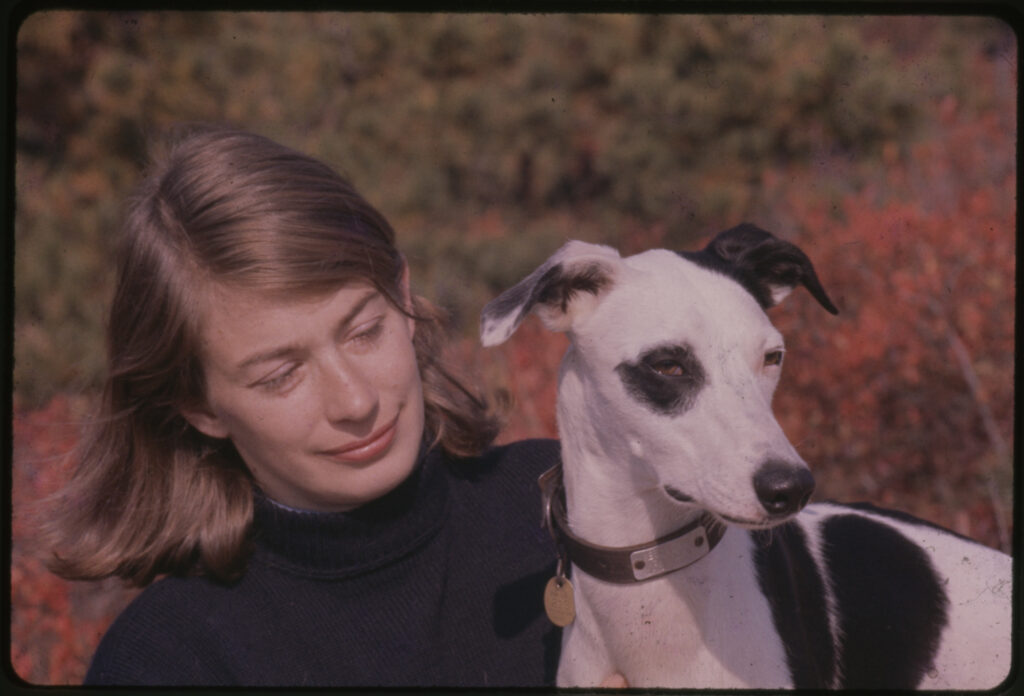
To follow Oliver’s footsteps, you don’t need to embark on a grand literary pilgrimage. Her geography was surprisingly intimate. Ohio, New York’s Hudson Valley, and, above all, Cape Cod contain the landscapes that shaped her imagination. She eventually moved to Florida, but it was the Massachusetts coast that became her spiritual and literary home.

Start Where the Woods Began: Ohio
Mary Oliver was born in 1935 and grew up in Maple Heights, Ohio, outside Cleveland. The landscape of her childhood mattered enormously. She spent long periods outdoors, retreating into woods and streams, reading and writing. The Library of Congress describes her lifelong attachment to nature as something that began here—with forest, flowing water, birds and the small details of the natural world.
Oliver’s childhood was not idyllic; she later described nature as a refuge and a source of happiness (watch the new documentary Saved By the Beauty of the World to find out more). She once explained that she spent much of her younger life “walking around the woods in Ohio,” staying where she was happy and felt safe.
For travelers, the Cleveland area’s parks, streams, woods, and birdlife are all still there. Bring a notebook. Walk without headphones. Cleveland Botanical Garden and the Holden Arboretum are beautiful places to start.
Steepletop: Where Poetry and Love Intersected
The next important stop is Steepletop, the former home of poet Edna St. Vincent Millay in Austerlitz, in New York’s Hudson River Valley.
Oliver moved there as a young woman and worked with Millay’s sister, Norma, helping organize the poet’s papers. It was also where Oliver met photographer Molly Malone Cook, who would become her longtime partner and one of the most important people in her life.
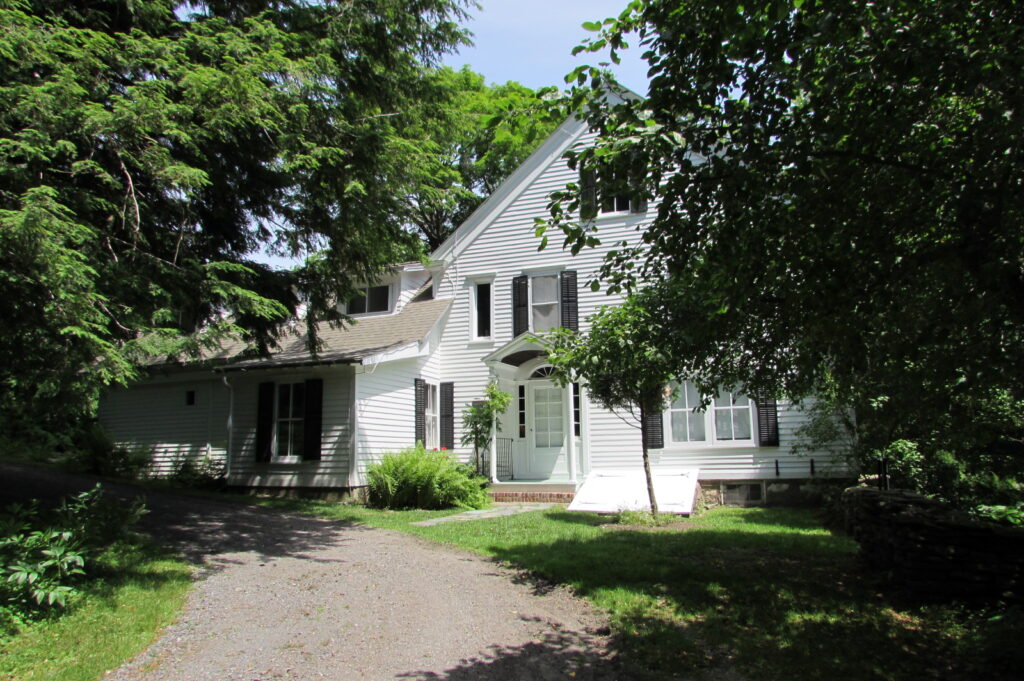
Today, the Hudson Valley offers exactly the kind of landscape that makes Oliver’s poetry feel at home: wooded roads, old farms, mountains, meadows and enormous skies.
Top LGBTQ+-welcoming and queer-operated bed-and-breakfasts and guesthouses in the Hudson Valley offer peaceful, highly rated getaways, including Hudson Valley Rose Bed and Breakfast. Hosted by owners Jace and Doug, this B&B is known for its peaceful country atmosphere, delicious homemade breakfasts, and inclusive hospitality.
The Inn at Kettleboro is a stunning farmhouse B&B on Shawangunk Ridge with striking mountain views and a relaxing, stylish atmosphere close to outdoor recreation.
Gardner Farm Inn, located in an 18th-century building in Troy, N.Y., is an eclectic guesthouse run by owner John and offers a vibrant, design-forward stay in the northern capital region of the valley. This inn is the closest to the Millay house in Austerlitz, where Oliver’s life began to move toward the partnership and artistic community that would eventually take her to Provincetown.
Provincetown: The Place That Became Her World
If you visit only one Mary Oliver destination, make it Provincetown. Oliver, the unofficial Bard of Provincetown, lived there from 1964 until 2013, spending more than four decades in the Cape Cod community. Make a pilgrimage to where she used to live, here. She and Cook eventually made their life on the bay, surrounded by artists, writers, photographers, and the extraordinary landscape at the tip of Cape Cod.
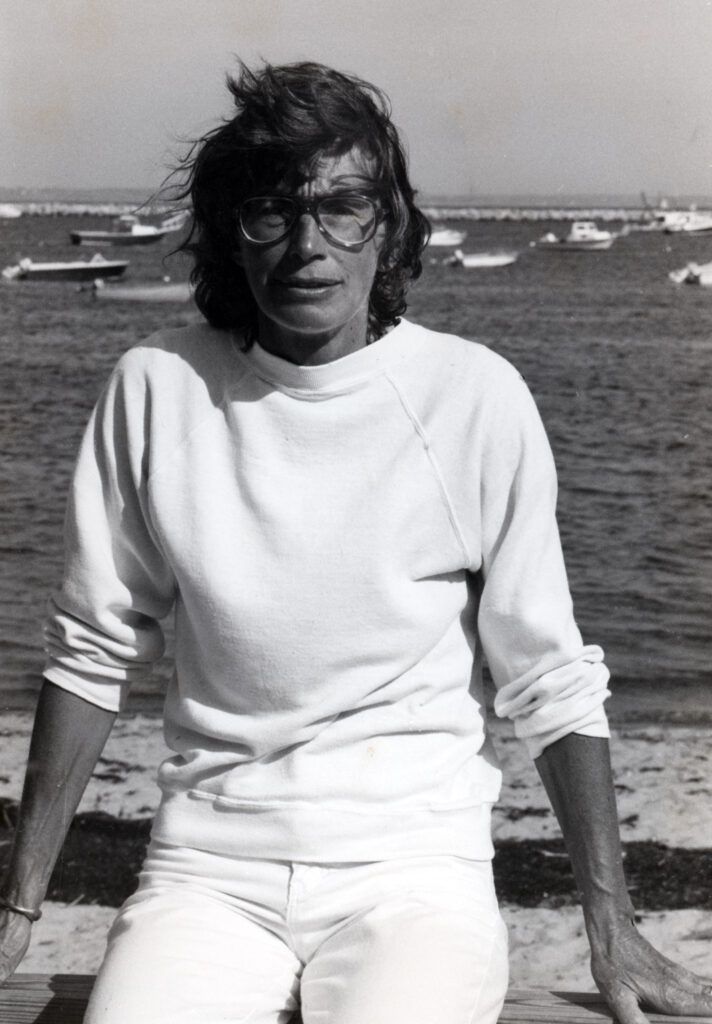
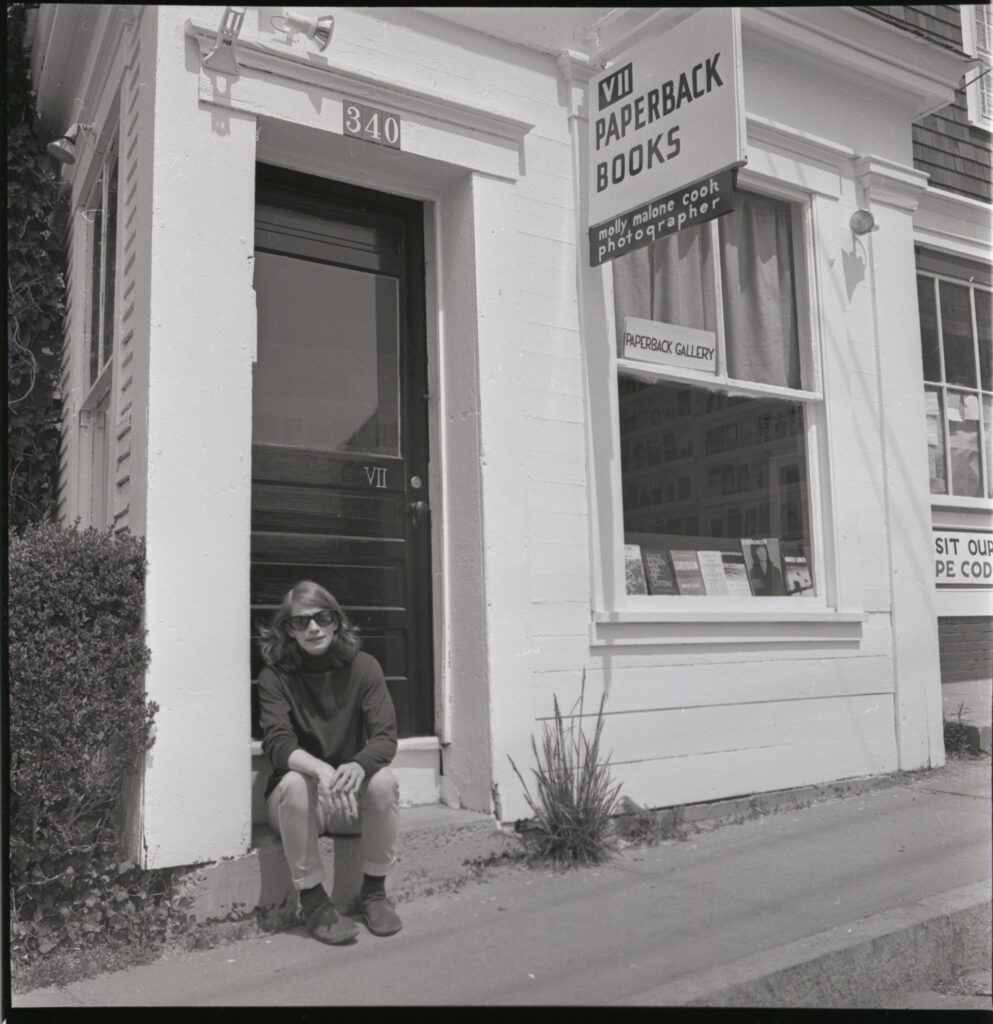
P-town became the physical universe of much of her poetry. The beaches. The dunes. The ponds. The woods. The marshes. The birds. The changing Atlantic light. Oliver lived a very private life primarily centered around Cook, her life partner and literary agent. They socialized within the local artistic community, with neighbors such as filmmaker John Waters.
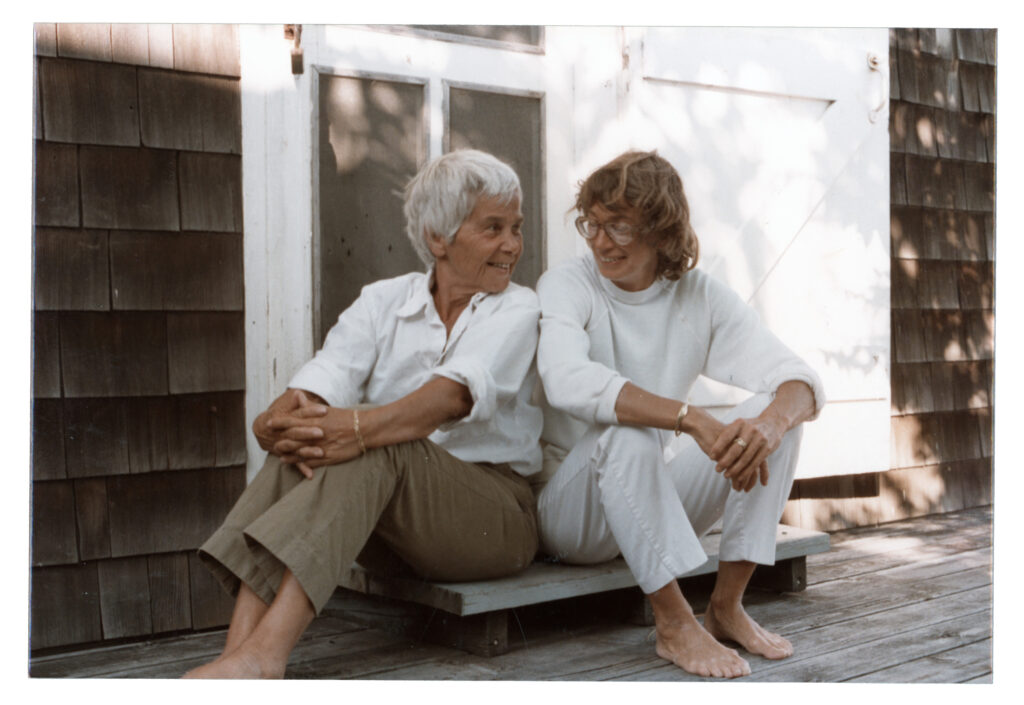
When she and Cook began living in Provincetown year-round after Oliver retired from teaching, she described it as a return to “the ocean’s edge, to the woods, to sunrises.”
Walk the Beech Forest
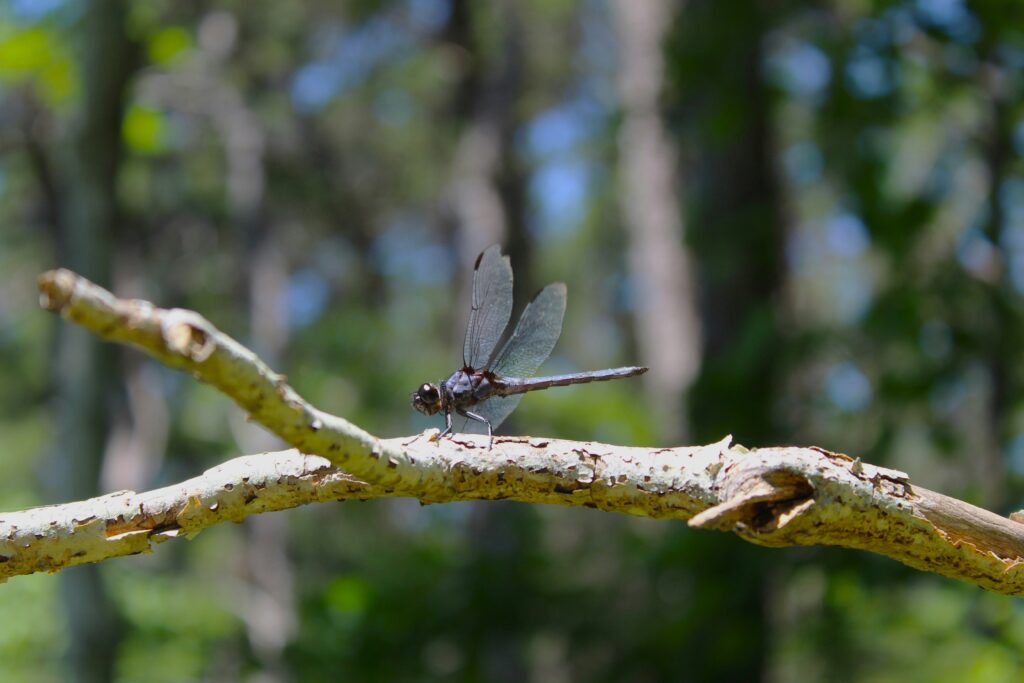
One of the essential Oliver pilgrimages is the Beech Forest, part of the Cape Cod National Seashore just outside Provincetown. Oliver walked here repeatedly. The National Park Service and Library of Congress have specifically identified the trail as one of her favorite places, and in 2024, a Mary Oliver poem, “Can You Imagine?,” was installed at the trailhead as part of the Library of Congress’s Poetry in the Parks initiative.
The trail winds through woods and around a kettle pond, creating exactly the combination Oliver loved: water, trees, birds, silence, and constantly shifting light. “Can You Imagine?” begins with an invitation to notice what trees are doing when nobody is watching. It is quintessential Oliver: the landscape is imagined as alive whether or not human beings are paying attention.
For example, what the trees do
not only in lightning storms
or the watery dark of a summer’s night
or under the white nets of winter
but now, and now, and now – whenever
we’re not looking. Surely you can’t imagine
they don’t dance, from the root up, wishing
to travel a little, not cramped so much as wanting
a better view, or more sun, or just as avidly
more shade – surely you can’t imagine they just
stand there loving every
minute of it, the birds or the emptiness, the dark rings
of the years slowly and without a sound
thickening, and nothing different unless the wind,
and then only in its own mood, comes
to visit, surely you can’t imagine
patience, and happiness, like that.
Blackwater Pond
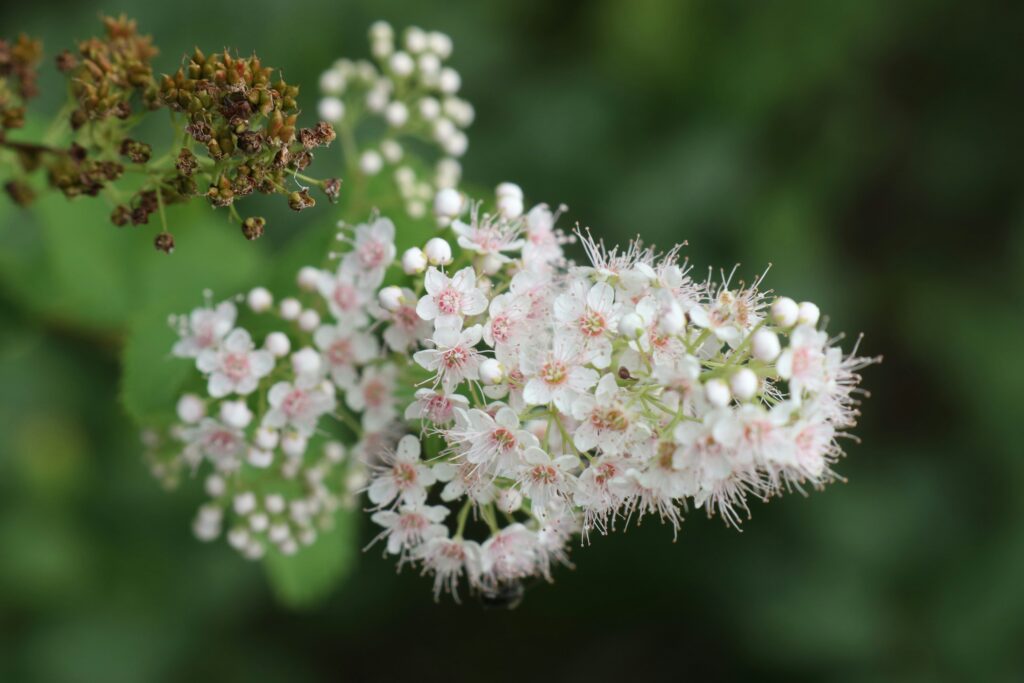
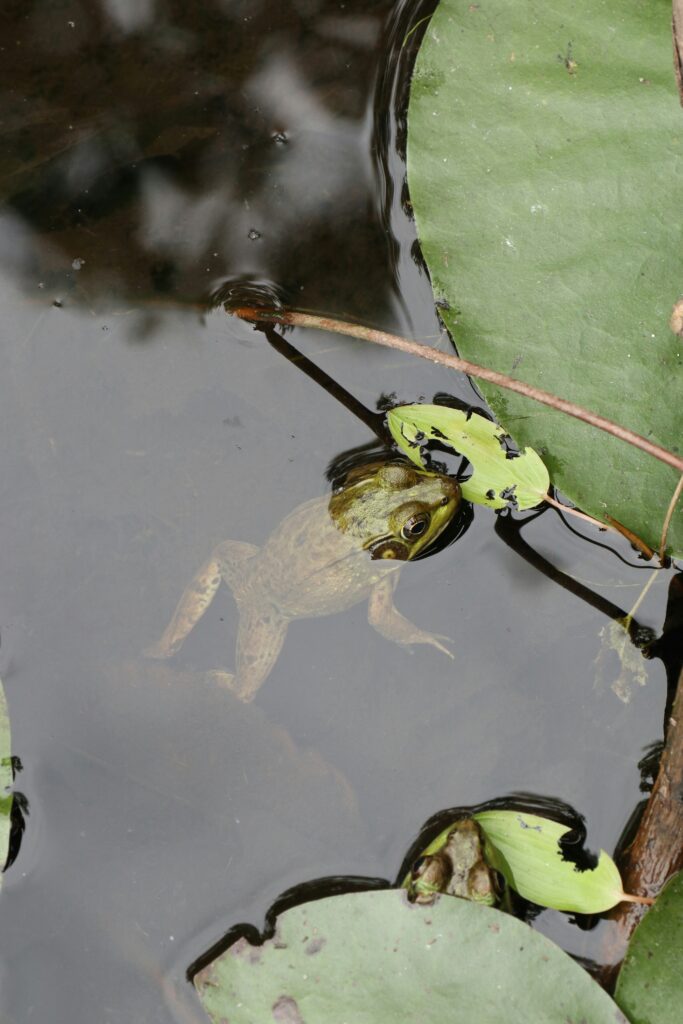
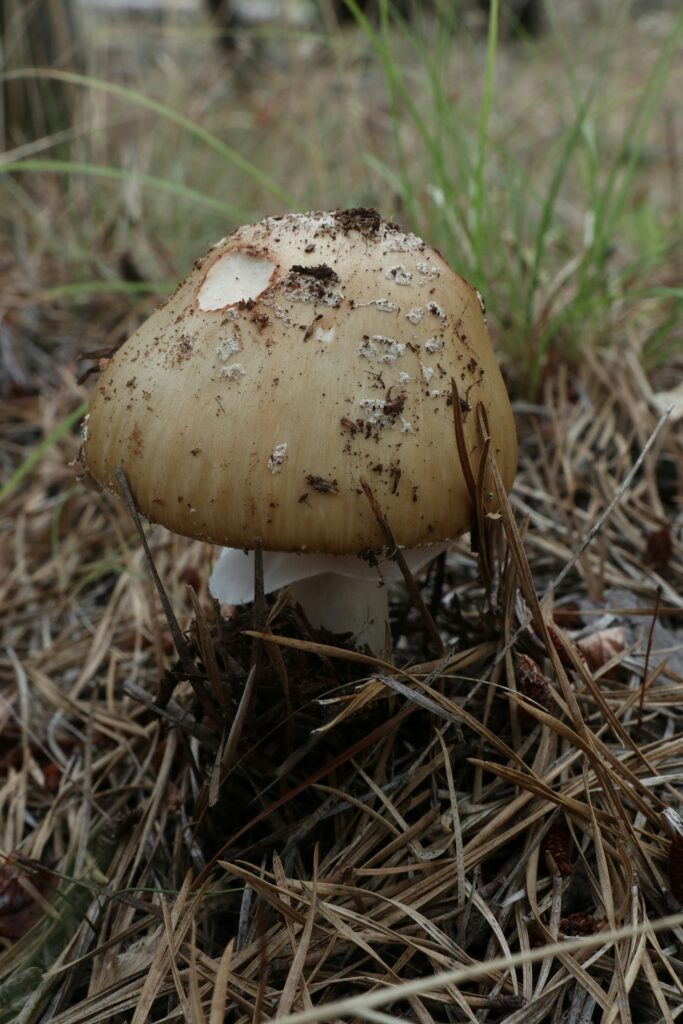
Then go to Blackwater Pond. The pond and surrounding Beech Forest landscape recur throughout Oliver’s work. She wrote “At Blackwater Pond” and “Morning at Blackwater,” and the Library of Congress holds manuscripts and notebooks documenting how deeply this landscape entered her creative process. In “Mornings at Blackwater,” Oliver watches dawn transform the landscape, describing the moment when the “usual half-miracles begin.”
The Beach at Dawn
If you want to understand Oliver’s relationship with Provincetown, get up early. Very early. Locals remembered her taking long walks before sunrise, sometimes spending hours along the beach or in the Provincelands. One Provincetown librarian recalled that the best way to encounter Oliver was to go to the beach at 5 a.m., not at midday, when Commercial Street was bustling, and the town was full of visitors, but when the Atlantic was quiet, and the sand was almost empty.
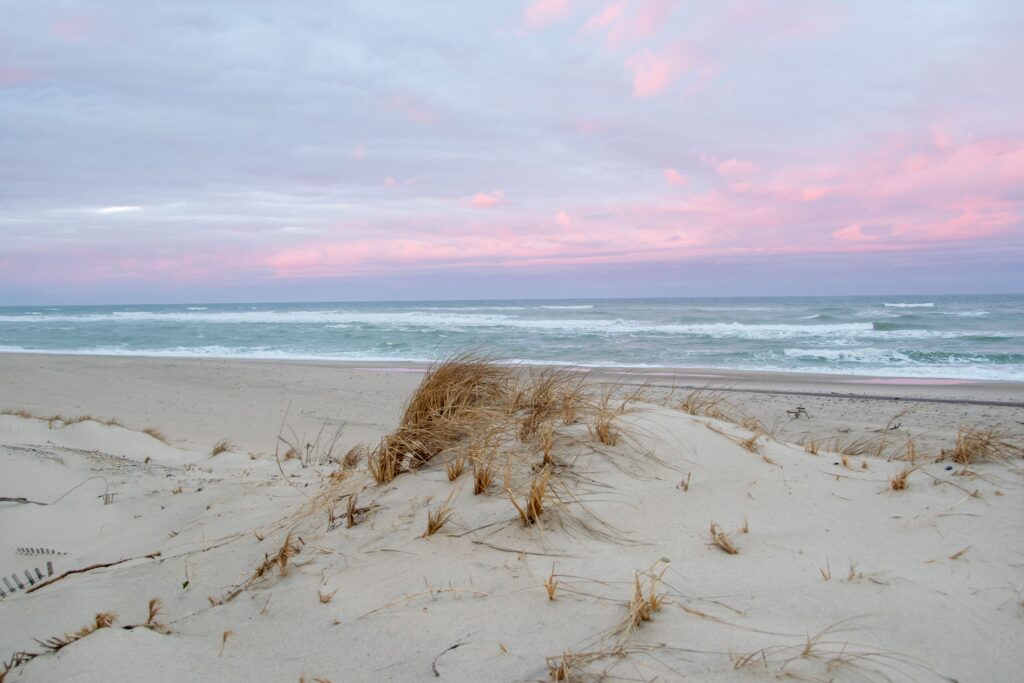
Oliver was an enthusiastic beachcomber. Her papers contain shells, feathers, and other objects collected during her walks, evidence of the intensely physical way she experienced the landscape. Her poem “Breakage” begins at the edge of the sea, examining shells, mussels, snails, and stones.
In that poem, Oliver describes “How everything shines in the morning light!/The cusp of the whelk,/ the broken cupboard of the clam,/the opened, blue mussels,/moon snails, pale pink and barnacle scarred”…”It’s like a schoolhouse/of little words”…
Truro and the Cape Cod Wilds
Don’t stop at Provincetown itself. The landscape between Provincetown and Truro was fundamental to Oliver’s imagination. Her collection The Truro Bear and Other Adventures makes the connection explicit, while poems throughout her career return to Cape Cod’s animals, ponds, dunes and woods.
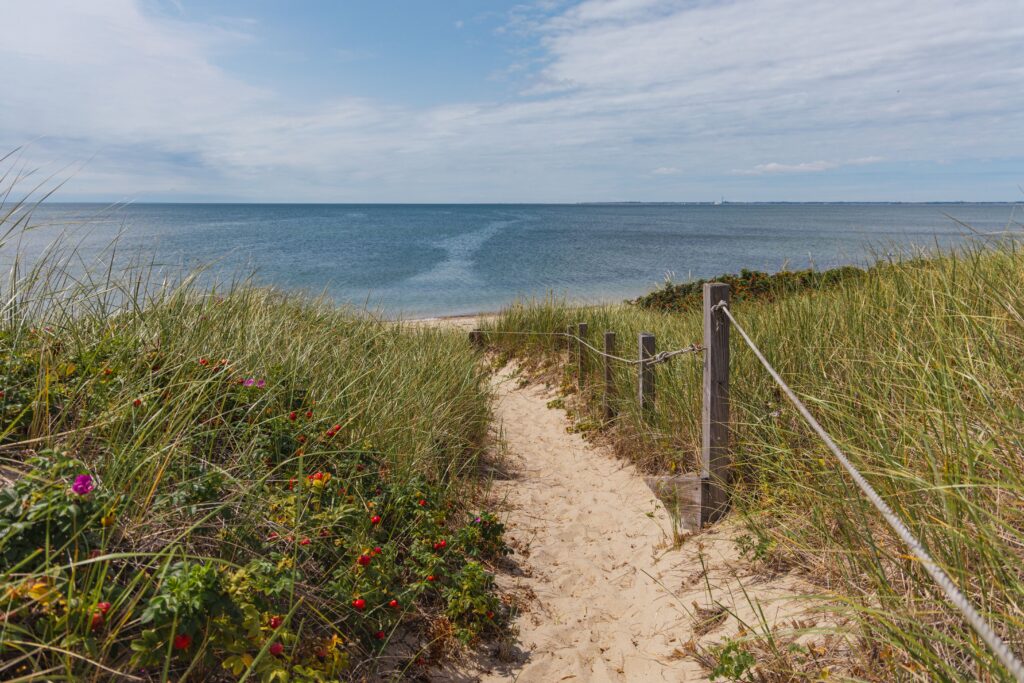
This is where a rental car or bicycle becomes useful. Explore the quieter roads and trails around Truro and the Cape Cod National Seashore. Walk the dunes. Look for shorebirds. Stop at the ocean’s edge and notice how quartz pebbles have been tumbled for hundreds of years until smooth.
Oliver wasn’t looking for spectacular scenery in the conventional travel-writing sense. She was looking for the small event. The changing light across the bay may in fact produce a miracle.
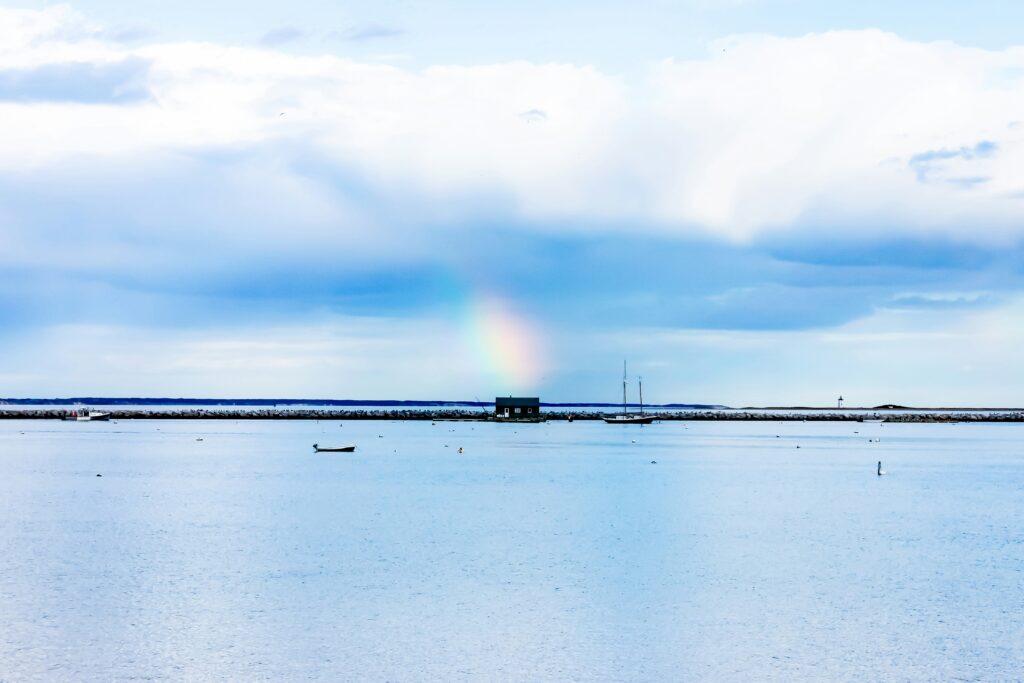
For Oliver, the ordinary could be miraculous if you were sufficiently attentive.
Browse the Top 10 recommended places to stay in P-town here.
Did Mary Oliver Actually Travel?
Surprisingly, not very much—not in the conventional sense. Oliver herself was quite explicit about this. In her essays, she acknowledged that she had never been to famous destinations such as Rome, Paris, Greece, or Sweden and said, simply: “I am not a traveler. Not of that sort.”
Oliver did travel for teaching, readings, residencies and professional commitments. Her papers document work at universities and writing residencies around the United States, and she lived in London for a period in the early 1960s. But she wasn’t a compulsive tourist.
Her great journey was usually the walk. She could walk the same woods thousands of times and still discover something new. In Upstream, she wrote that she had walked through those Provincetown woods “thousands of times,” yet repeatedly found them a place of relief and belonging. For a modern traveler, that may be one of her most useful lessons: You don’t necessarily need to go farther. You just need to look harder.
Florida: Her Final Landscape
After living in Provincetown for most of her adult life, Oliver moved to Hobe Sound, Florida in 2005 following the death of her long-time partner, Molly. Hobe Sound is a quiet, unincorporated coastal community in Martin County on the Treasure Coast, known for its Old Florida charm, natural preserves, and uncrowded beaches. Oliver died there in January 2019 at the age of 83.
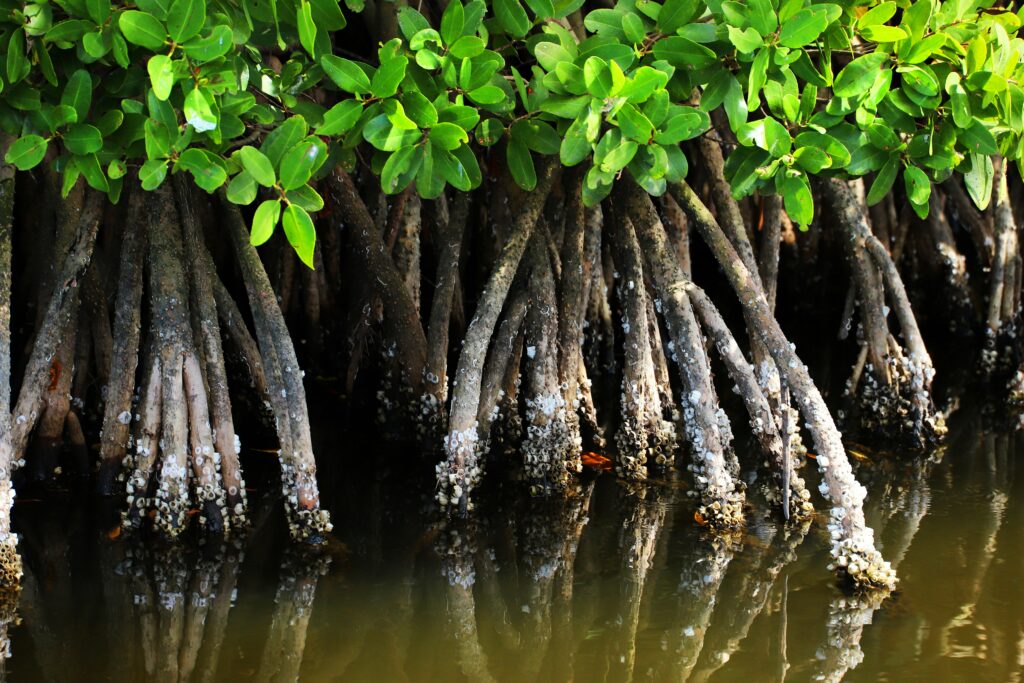
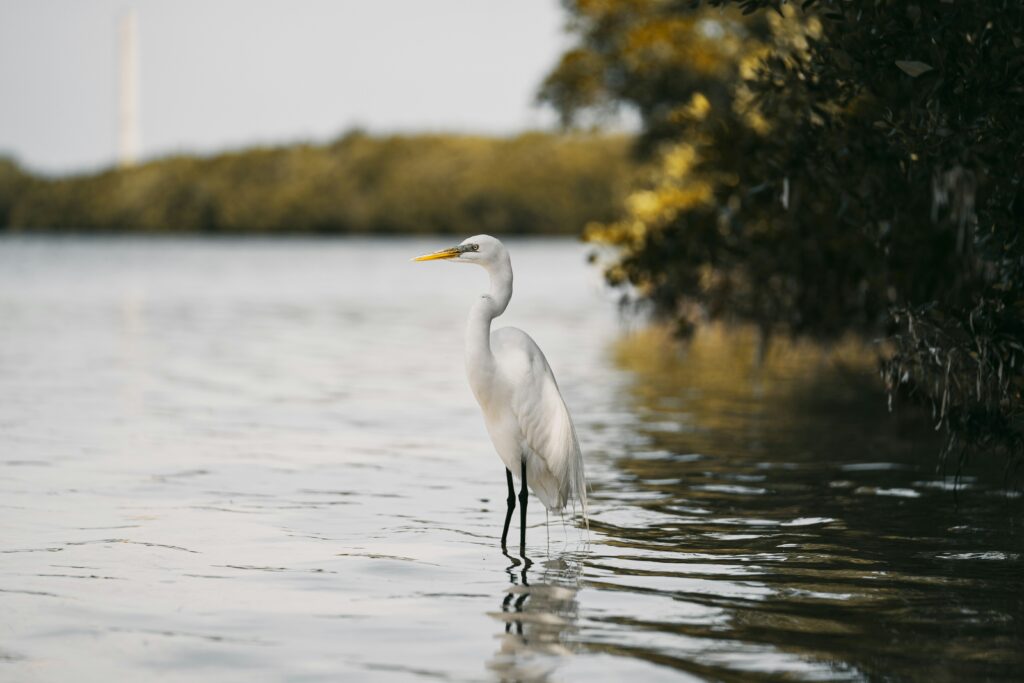
But as always, nature was a teacher. In her “Alligator Poem,” Oliver wrote that she “almost died of foolishness in beautiful Florida” after kneeling to drink from a river and ignoring the warning cries of white birds. A large alligator suddenly crashed toward her with its tail flailing “like a bundle of swords” and its open mouth “rimmed with teeth”. After 40 years wandering the Beech Forest, Oliver told interviewers she had moved south partly “to try to love the mangroves”. Well…
How to Take a Mary Oliver Trip
Spend a few days or weeks in Provincetown in Summer or Fall. Walk the Beech Forest Trail. Visit Blackwater Pond. Explore the Cape Cod National Seashore. Get up early and walk the beach. Spend an afternoon in Truro. Visit bookstores and galleries in town. Then sit somewhere outside and do absolutely nothing for a while. And in Fall or Winter, fly south to Hobe Sound for a mildly tropical spell. Browse hotels and resorts in the area here.
Bring Devotions, American Primitive, Dream Work, or A Thousand Mornings to read. Spend some time with “Wild Geese” while watching birds over the Cape. Its famous invitation—“the world offers itself to your imagination”—feels particularly apt here. Read “The Summer Day” beside a pond or meadow and consider its closing question: “What is it you plan to do / with your one wild and precious life?”
Then put the book away. And walk. And as you do, ponder how nature offers companionship, perspective, meditation, and revelation. The physical world is an active canvas teeming with questions about mortality, love, solitude, spirituality, and joy:
Tell me, what is it you plan to do
with your one wild and precious life?
WATCH: Mary Oliver: Saved by the Beauty of the World is out now!
Celebrated bestseller, Pulitzer Prize winner, lover of dogs and long walks in the woods, openly queer but intensely private, Mary Oliver was America’s unlikely contemporary mystic, stalking the ponds and forests of Cape Cod for nearly 50 years in order to open herself – and her readers – to the known and unknowable world. From a lonely childhood to literary fame, Oliver’s life was shaped by devotion to nature, paying attention, and the long journey toward learning to love and to be loved.
Featuring interviews with her close friends, including John Waters, never-before-seen personal photos, notebooks, and correspondence from her archive, and recitations of her work by Stephen Colbert, Lucy Dacus, Steve Buscemi, and Oprah Winfrey, Mary Oliver: Saved by the Beauty of the World considers the poet’s long lifetime of work in context, capturing the uniqueness of her world and the natural beauty that inspired her.
You can watch the documentary on the American Masters – PBS page or read more details about the film via American Masters.