

The Great Rebalance: How We’ll Travel in 2027
What do people want from travel next year? Vacationer has identified the six top trends you need to stay ahead of.
If the past few years were defined by post-pandemic “revenge travel” and frantic bucket-list checking, 2027 is the year travelers hit pause to focus on emotional resonance, personal passions, and intentional spending. According to major industry forecasts from Booking.com, Expedia Group, Hilton, Skyscanner, and Condé Nast Traveler, the question driving vacations in 2027 is no longer “Where should I go?”—it is “How do I want to feel?”
Here are the defining travel trends shaping the global landscape in 2027:

1. “Vibe-First” and Emotional Filtering
Traditional destination searches are giving way to mood-driven planning. In Booking.com’s 2027 Travel Predictions, 81% of global travelers say they would choose a destination primarily based on how they want to feel rather than where they want to go. Three-quarters (76%) want search tools that recommend trips based on their emotional state, with 76% of Gen Z travelers willing to share wearable biometrics and phone metrics to let platforms match their mood to a destination.

Alongside this comes “Un-Adulting”—a surge in nostalgia-fueled, carefree getaways. Expedia’s Unpack ’27 report finds that 57% of travelers (and 71% of Gen Z and millennials) are likely to book playful, nostalgic escapes—from theme parks like Tokyo Disneyland to retro Airstream glamping and adults-only cruises.

2. Hobby Hubs and “Skillcations”
In 2027, travelers are letting their personal interests dictate their itineraries rather than squeezing activities into a sightseeing schedule.
- Hobby Hubs: Data from Vrbo shows that 68% of travelers are likely to take a hobby-focused trip in 2027. Travelers are booking dedicated vacation rentals and retreats centered around knitting, puzzling, padel, mahjong, and ceramics.
- Skillcations: Hilton’s 2027 Trends Report notes that 42% of travelers are prioritizing personal growth through “skillcations”—such as watchmaking lessons in Geneva, samurai workshops in Kagoshima, or cooking and mixology residencies at culinary resorts.

3. “Trip Snacking” and the Micro-Travel Mindset
While grand multi-stop odysseys remain popular for milestone celebrations, everyday travel is shrinking into bite-sized escapes. Hotels.com coined “Trip Snacking” to describe the nearly 10% year-over-year rise in one-night stays, with 79% of travelers planning quick, single-night minibreaks to recharge without burning through PTO.
Hilton calls this “The Rise of ‘Ish'”: travelers are ditching the pressure of executing a “perfect” itinerary in favor of flexible, low-stakes trips that are healthy-ish (27%), local-ish (28%), or solo-ish (41% planning a solo getaway).

4. Signal Severance and Analog Wellness
As digital fatigue sets in, unplugging has become a top luxury. Skyscanner’s 2027 Travel Trends highlights “Signal Severance,” noting that 62% of travelers are seeking off-the-grid escapes to get closer to nature and 58% want screen-free time to reconnect with loved ones.
Wellness is also shifting from solitary spa treatments to communal, tactile experiences. According to BBC Travel, 60% of travelers are drawn to shared water wellness—such as communal Nordic bathhouses, Japanese onsens, and hydrotherapy circuits—blending ancient analog rituals with modern recovery tech.
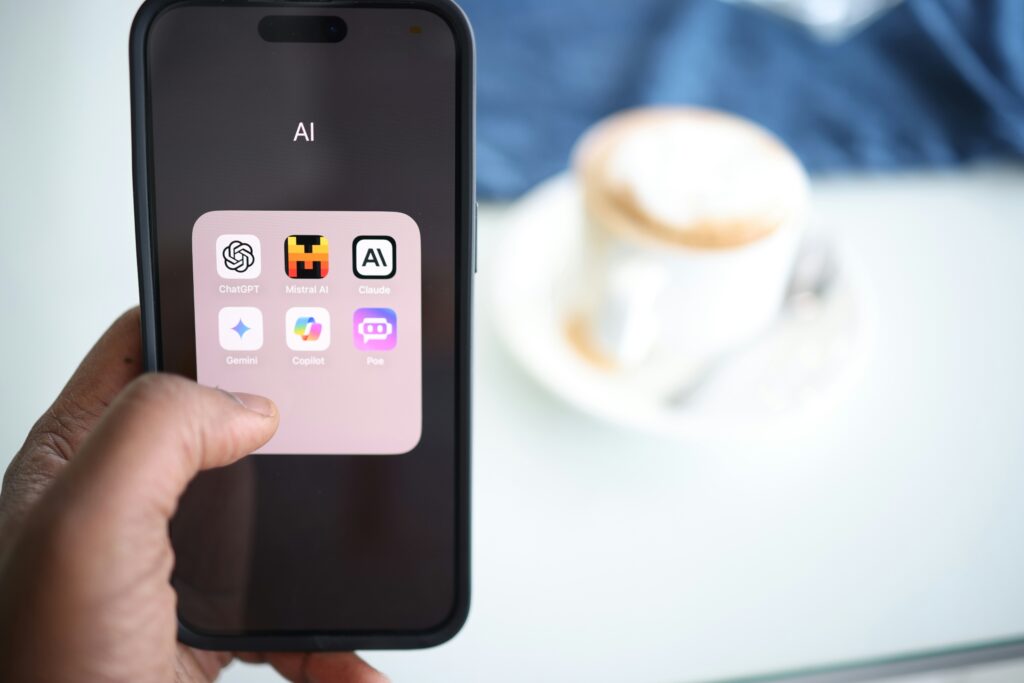
5. The AI vs. Human Trust Equation
Artificial intelligence has become the standard starting line for trip research, with 74% of U.S. travelers using AI tools to brainstorm itineraries, according to TravelAge West. However, only 17% trust AI alone to finalize their plans.
Hilton refers to this dynamic as “The Travel Trust Equation”. Travelers rely on AI for logistics and Priceline “personality mapping,” but they turn to human expertise when stakes and budgets are high. In Classic Vacations’ 2027 Luxury Forecast, 53% of advisors report surging demand for private local guides, alongside a new behavior dubbed “Decision Detoxing”—where overwhelmed travelers hand over the reins to trusted advisors to curate every detail.

6. Celestial Tourism, Gothic Escapes, and “Heartland Hideouts”
Where people are going in 2027 reflects a desire for awe, atmosphere, and value:
- Celestial & Mystical Travel: Both Condé Nast Traveler and Classic Vacations point to the August 2027 total solar eclipse—whose path of totality crosses southern Europe, North Africa, and the Middle East (including Luxor, Egypt)—as a massive driver of long-lead bookings. Meanwhile, 65% of travelers express interest in paranormal or “Gothic Getaways,” driving a 20% spike in castle stays and moody landscapes like the Scottish Highlands.
- Heartland Hideouts & Underrated Alternatives: To avoid overtourism and stretch budgets, travelers are looking off the beaten path. Expedia highlights rapid search growth for landlocked locales like Bentonville, Arkansas (+140%) and Deadwood, South Dakota (+120%), while Lonely Planet’s Best in Travel 2027 spotlights Bhutan, Puglia, and California’s Coastal Redwoods.
- Currency Chasers & “TripMaxxing”: With travelers closely watching costs, 41% of Americans (and 72% of Gen Z) have changed destinations based on favorable exchange rates, while Priceline notes a rise in “TripMaxxing”—combining strategic flight and hotel deals with loyalty points to unlock upgraded suites or fine dining
Our take as LGBTQ Vacationers? Among the 2027 travel trends, Vibe-First Travel, Human-Verified AI, Hobby Hubs, and Analog Wellness resonate most strongly with LGBTQ+ travelers.
Research from the International LGBTQ+ Travel Association (IGLTA) and Destinations International shows that LGBTQ+ travel motivations are increasingly anchored in three core values: harmony, health and well-being, and balance. Rather than focusing solely on nightlife or Pride events, many queer travelers are seeking restorative, community-driven, and thoroughly vetted experiences.