

Goa: India’s Surprising, Sunny LGBTQ Escape
Goa recorded more than six million visitors in the first half of this year. Why is it trending, and is it safe for LGBTQ vacationers? Let’s dive in.
Goa has always had a reputation for doing things its own way. This little state on India’s Arabian Sea coast is famous for its beaches, trance parties, Portuguese churches, coconut palms, late-night dancing and a long-standing bohemian streak. For LGBTQ travelers, that combination can make Goa feel wonderfully liberating.
But the real queer Goa is more interesting than the cliché of a gay-friendly beach party. There is a growing LGBTQIA+ community here, queer artists and collectives, Pride events, underground parties and spaces deliberately created for women, trans people and other travelers who don’t always feel completely at home in mainstream nightlife.
Goa is not a place where queer travelers need to disappear. It is, however, a place where knowing when to be visible—and when to be discreet—is part of traveling intelligently.

A queer paradise—with a few asterisks
India has come a remarkably long way on LGBTQ rights. In 2018, India’s Supreme Court struck down the application of Section 377 that criminalized consensual same-sex intimacy between adults. In 2014, the court had recognized transgender people as a third gender and affirmed their right to self-identification.
But legal equality is incomplete. India does not currently recognize same-sex marriage, and the Supreme Court’s 2023 marriage-equality ruling left queer couples without a route to marriage under existing law. The court did, however, affirm important rights to choose a partner, cohabit and live free from violence and coercion.
Goa consequently occupies an intriguing position. Its international tourism industry, cosmopolitan population and famously relaxed lifestyle have helped make it one of India’s more comfortable destinations for LGBTQ visitors. Yet Goa isn’t uniformly progressive, and queer people who live here still encounter discrimination and stigma. A 2025 report on Goa’s queer scene described a community becoming increasingly visible while emphasizing that prejudice has not disappeared.
If you come for freedom, don’t mistake Goa’s party atmosphere for universal acceptance.
The queer history hiding beneath the beach clubs
Goa’s LGBTQ history is intertwined with one of India’s most important early HIV-rights battles.
In 1989, Goan Dominic D’Souza tested positive for HIV. At the height of the AIDS panic, authorities forcibly quarantined him under Goa’s public-health legislation. He spent 64 days in isolation before a legal challenge secured his release to house arrest. His case became an important early HIV discrimination battle in India and helped galvanize wider activism around sexuality, stigma and human rights.
D’Souza himself did not publicly identify as gay in the way later activists might have, but his treatment became deeply significant to India’s emerging gay-rights movement. His story is a reminder that Goa’s queer history isn’t simply a succession of parties and Pride flags—it includes some very serious battles over bodily autonomy, medical discrimination and the right to exist openly.
The modern Pride movement arrived much later. Goa’s first Pride walk took place in Panaji in 2017, followed by Pride De Goa events in 2018 and 2019. The marches connected Panaji with Miramar Beach and brought queer visibility into the state’s public life.
Today, the movement is evolving beyond conventional Pride. Queer collectives are creating spaces around art, music, performance, community and mutual support, particularly because mainstream Goa nightlife doesn’t always feel equally welcoming to women and trans travelers.
Where the queer action is
If Goa has a queer-ish personality, it probably lives somewhere between Anjuna and Vagator. These northern beach communities have long attracted international travelers, artists, musicians, alternative types and people who don’t particularly enjoy being told what they’re supposed to do. The result is a naturally mixed social scene rather than a single concentrated gay district.
Goa doesn’t really have a Mumbai-style LGBTQ neighborhood packed with exclusively queer bars. Instead, queer travelers tend to circulate through mainstream venues, pop-up LGBTQ events, beach gatherings, DJ nights, drag shows and private parties. That can be considerably more fun.
Queer events change rapidly, so check current listings rather than relying on an old travel guide. In 2026, Goa has hosted LGBTQ parties ranging from large DJ and pool events to specialized gatherings for particular parts of the community.
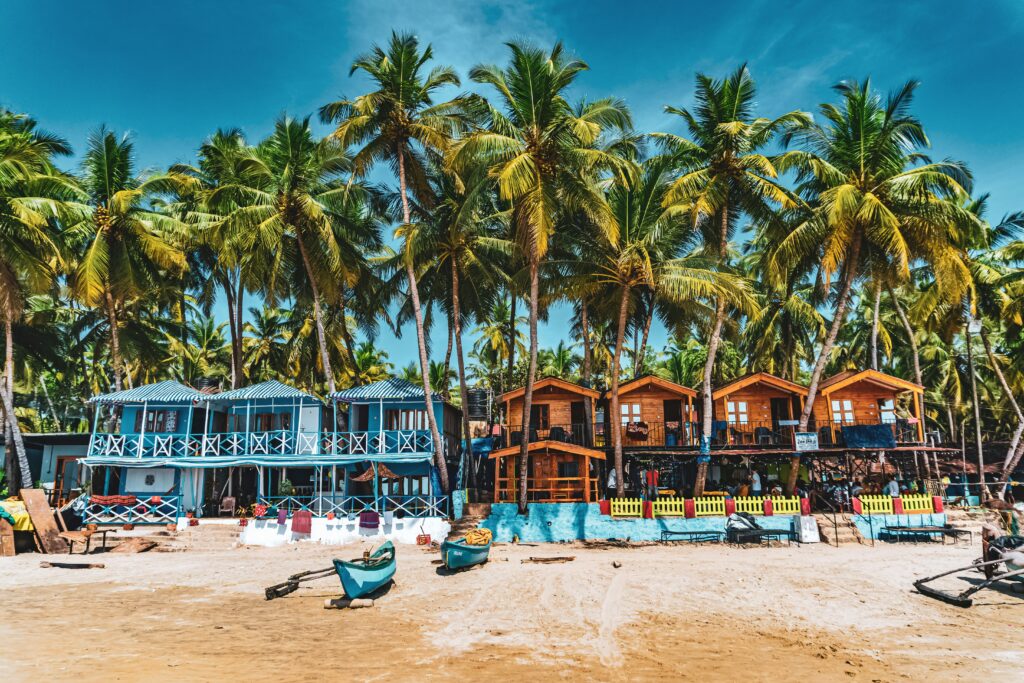
If Anjuna is Goa’s glamorous, messy, nocturnal side, Palolem is its slower, more romantic cousin.
The spectacular crescent-shaped beach attracts an international crowd, and the atmosphere is generally more relaxed than the big northern party belt. For queer couples—or anyone who wants a few days of beach time without spending every evening in a nightclub—southern Goa can be a very good choice.
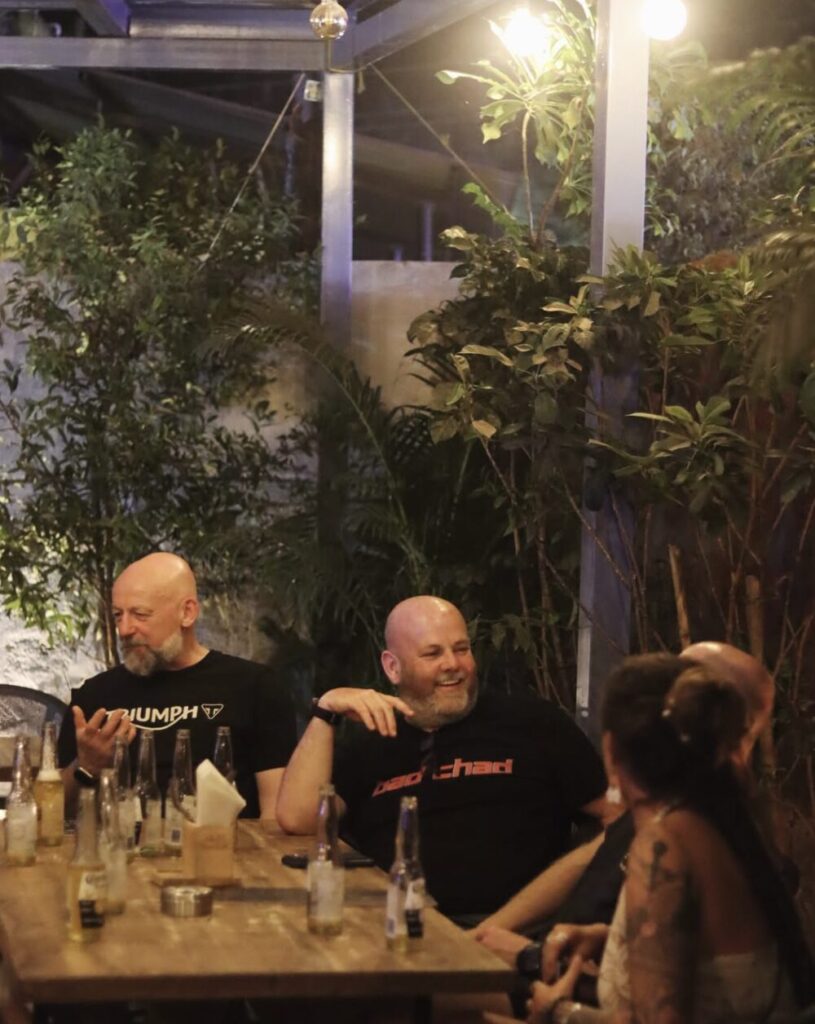

One local LGBTQ-friendly option is 9pm Bar and Cafe in Palolem, which has developed a reputation for inclusive nightlife. The signature drinks and the food look terrific. The crowd is a very diverse mix of folks.
Don’t skip Panaji because you’re looking for nightlife. Goa’s compact capital offers a very different experience: Portuguese-influenced architecture, riverside promenades, galleries, restaurants and the state’s political and cultural life. It has also been central to Goa’s Pride history, with the state’s early Pride marches beginning here.
Spend an afternoon wandering the Latin Quarter around Fontainhas, then head out for dinner rather than assuming Goa has to be experienced exclusively from a beach shack.
Keep up to date with queer events here.
Pride isn’t the only queer party
Goa’s LGBTQ calendar is increasingly eclectic.
The June 2026 Goa Pride Festival in Anjuna included a fashion show, drag performances and DJs. Specialized gatherings have also emerged, including the Fellowship of Fur Goa Festival, billed as India’s first gay bear festival.
There are also intentionally queer-centered party collectives. QRAVE, for example, has emerged partly in response to the shortcomings of mainstream nightlife, creating events designed to center queer people rather than merely welcoming them as guests.
And then there are events aimed at particular communities. The Goa Daddy Festival, for example, explicitly caters to gay Daddies and Admirers and describes itself as a social space built around inclusion and connection.
For gay men: have fun, but don’t get careless
Gay men may find Goa relatively easygoing, particularly around the northern beaches and queer nightlife. But the relaxed atmosphere can encourage visitors to let their guard down.
Don’t assume that a stranger you meet through a dating app is automatically trustworthy. Arrange first meetings somewhere public, tell a friend where you’re going, and don’t allow a new acquaintance to pressure you into an isolated hotel room, beach or unfamiliar location.
Be particularly cautious about accepting drinks from strangers and about carrying large amounts of cash. Goa Police specifically advises visitors to secure passports and valuables, avoid leaving belongings unattended and be wary of unexpected people arriving at hotel rooms.
And remember that recreational drugs are not a harmless part of the Goa experience. Possession and trafficking can carry serious legal consequences. Goa Police explicitly warns visitors about drug offenses.
For queer women: seek out intentional spaces
Goa can be liberating for women traveling alone or with female partners, but don’t assume that its party reputation automatically translates into a feminist utopia.
Some mainstream nightlife environments can be male-dominated, and queer women may encounter the familiar problem of being treated as an attraction rather than as customers who want to dance, drink and have a good time.
That’s one reason the emergence of intentionally queer spaces is significant. Recent reporting from Goa’s queer community notes that women and trans people don’t always feel completely safe or represented on mainstream dance floors.
For lesbian and bisexual travelers, a good strategy is to follow local queer collectives and attend community-oriented events rather than relying exclusively on venues marketed as “gay-friendly.”
And the usual solo-travel rules apply: use reputable transport, avoid deserted beaches after dark, don’t accept unsolicited rides and let someone know your plans.
For trans travelers: know your rights, choose your environment
India’s Supreme Court recognized transgender people as a third gender in its landmark 2014 NALSA decision. The court has subsequently reaffirmed protections concerning gender identity, and India’s Transgender Persons legislation provides a legal framework for transgender rights.
That doesn’t mean every interaction will be effortless. Travelers should expect some curiosity, intrusive questions, or confusion, particularly outside tourist-heavy areas. Hotels, transportation, and nightlife can vary considerably in how knowledgeable staff are about trans travelers.
The safest strategy is to book established accommodation, keep documentation consistent where possible, and contact the property beforehand if you have concerns about check-in or identification requirements.
At nightlife events, look for spaces explicitly describing themselves as queer-centered. Most importantly, don’t allow Goa’s reputation for freedom to pressure you into being more publicly out than you actually want to be.
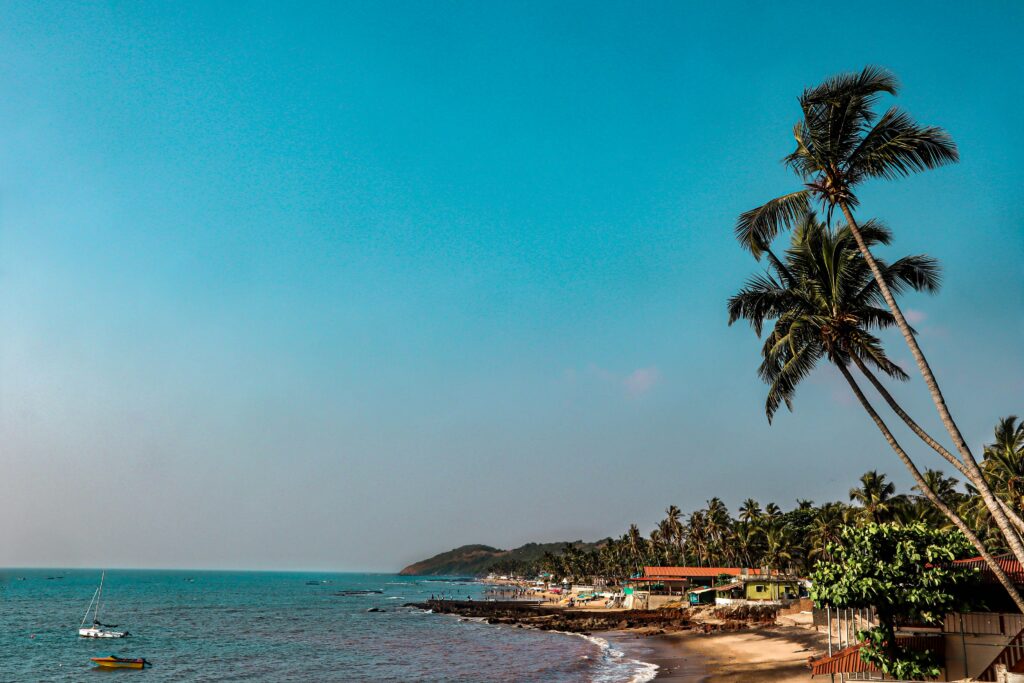
Where to stay
The best choice depends on what sort of Goa you want.
For nightlife and queer socializing, Anjuna, Vagator, and the surrounding northern villages put you close to the greatest concentration of alternative nightlife.
For a more relaxed beach holiday, Palolem is an excellent southern base.
For culture and a quieter urban experience, Panaji is the obvious choice.
There are also plenty of upscale international hotels accustomed to an international LGBTQ clientele. Among the established options is W Goa in Vagator, a luxury beachside hotel with a spa. This is consistently rated by guests as “very good.” We also like that the W brand has historically been LGBTQ-friendly.




The LaLiT Golf & Spa Resort Goa near Palolem, a 5-star resort but with a much more conservative vibe than the W. If you want an “exceptional 5-star beachfront experience, go The St. Regis Goa Resort.
The important thing isn’t necessarily finding a hotel that advertises itself specifically as LGBTQ. In Goa, established international hotels and reputable boutique properties can often be more comfortable bases than chasing a supposedly “gay” property whose current status is unclear.
For the best-rated hotels in Goa, and to see more pictures, reviews, and availability, visit here.
Goa beyond the rainbow
Go snorkeling. Rent a scooter if you’re genuinely comfortable riding in Indian traffic. Explore Old Goa’s extraordinary churches. Wander through Fontainhas. Take a sunset cruise on the Mandovi River. Visit spice plantations. Check out the fort at Aguada. Eat Goan food. Spend a morning doing absolutely nothing on the beach.
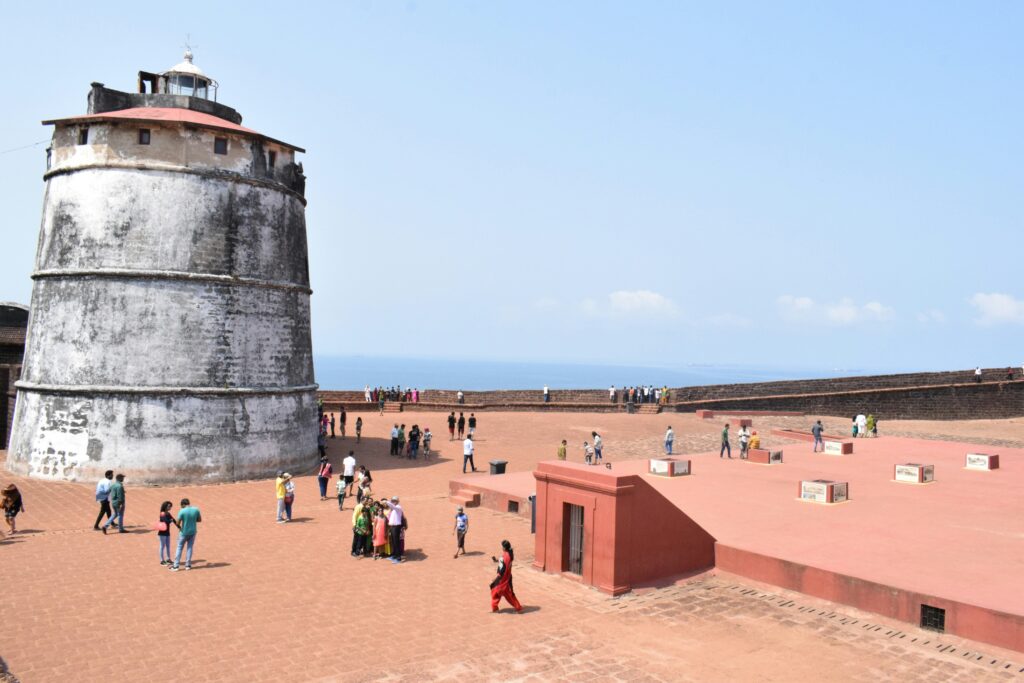
And remember that Goa is not simply an Indian version of Ibiza. Its Portuguese heritage, Konkani culture, Catholic and Hindu traditions, fishing villages, markets and contemporary Indian culture all coexist with the international party scene.

The state’s tourism department is increasingly promoting experiences that encourage visitors to engage with local communities, traditions and village life rather than treating Goa simply as a beach-and-nightlife destination.
A few golden rules for queer Goa
Public affection: A quick kiss between two people of the same sex is unlikely to attract the attention it once might have in many parts of India, particularly in tourist areas, but public sexual behavior is another matter. Keep intimate activity private.
Beach behavior: Goa Police warns that nudity in public places is prohibited. Don’t assume a European-style nude beach culture exists simply because you’re on a tropical beach.
Drinking: Have fun, but remember that alcohol plus unfamiliar surroundings plus a late-night scooter ride is a bad combination.
Dating apps: Meet new people publicly first. Don’t share your hotel room number with strangers and don’t hand over your passport, phone or financial information.
Photography: Ask before photographing local people, particularly at religious sites.
Dress: Goa is relaxed, but religious sites require considerably more conservative dress. Follow local expectations rather than treating the entire state as a resort.
Transportation: Use reputable taxis or established ride services when available, particularly late at night.
Emergency help: Goa’s Tourism Department operates a multilingual 24-hour tourism helpline at 1364, while Goa Police lists 108 for medical emergencies and 100 for police assistance.
So, is Goa queer-friendly?
Yes—but in a distinctly Indian way. Goa is not a destination where LGBTQ travelers necessarily need to hide. It has a visible queer community, an increasingly sophisticated LGBTQ event scene, and a long tradition of attracting people who don’t fit neatly into conventional boxes.
The most rewarding way to experience Goa is to understand both sides of that equation. Enjoy the extraordinary freedom of dancing until sunrise, falling in love with a beach, wearing what you want, and meeting people from all over the world. At the same time, respect local culture, use ordinary travel precautions and remember that queer Goans themselves have fought—and continue to fight—for the freedoms visitors sometimes take for granted.
Browse the Goa Gay-friendly Vacations hub on Expedia.